
You’ve probably met someone who just seems unshakeable. They handle stress differently, bounce back from setbacks quicker, and somehow manage to stay grounded when everything around them feels chaotic. What’s their secret? It’s less about willpower and more about the words they choose, both in conversation and in their own heads.
Words shape reality more than we like to admit. The language mentally strong people use isn’t just motivational fluff or corporate jargon. It’s deliberate, practical, and profoundly human. These phrases reveal a mindset that welcomes uncertainty, embraces imperfection, and nurtures connection. So let’s dive in and explore the ten phrases that mentally strong individuals weave into their everyday lives, and why these simple strings of words hold such transformative power.
1. “I Don’t Have to Have It All Figured Out Right Now”

Mentally strong people remind themselves that they don’t need instant answers because real strength lies in tolerating uncertainty. Life doesn’t come with a manual, and pretending you’ve got everything mapped out is exhausting. This phrase offers permission to be human, to not know, and to trust that clarity will come in time.
Think about how much pressure we put on ourselves to have a perfect plan for everything. Career paths, relationships, finances, we’re expected to have it all nailed down. The truth is, mental strength isn’t about having instant answers. It’s about sitting comfortably in the gray zone, knowing you’ll figure things out as you go. This phrase becomes a shield against anxiety and overthinking.
When you say this to yourself, you’re essentially giving yourself breathing room. You’re acknowledging that growth is a process, not an event. It’s hard to stay curious and open when you’re clinging to rigid expectations. Letting go of that need for control can actually help you make better decisions.
2. “What Would I Tell a Friend in This Situation?”

We’re usually much harder on ourselves than we are on other people, and asking this question helps find clarity and self-compassion. It’s wild how quickly we’d comfort a friend going through the same struggle we’re beating ourselves up over. This simple reframing cuts through self-criticism like nothing else.
Imagine your best friend just messed up at work or said something they regret. You wouldn’t tell them they’re a failure or that they ruined everything, right? You’d probably remind them of their strengths, encourage them to learn from it, and help them move forward. You might remind your friend that one opinion doesn’t define their worth or encourage them to set a boundary, so try giving yourself that same advice.
This phrase is about practicing empathy inward. It creates distance from your inner critic and invites a kinder, more balanced perspective. You start treating yourself like someone worth caring for, which honestly, is a form of mental strength that doesn’t get enough credit.
3. “What’s One Small Thing I Can Do Right Now?”

Big challenges can feel impossible, but breaking them into manageable steps makes the process less overwhelming and the goal more achievable. When you’re staring down a mountain of tasks or facing a major life transition, your brain can freeze. This question cuts through the paralysis.
Momentum is everything. Whether it’s writing one email or just getting out of bed, actions build momentum, and even tiny steps create a sense of progress that increases motivation. You’re not trying to solve the entire problem in one go. You’re just trying to take the next step, and then the next.
There’s something almost meditative about focusing on one small action. It brings you back to the present moment and reminds you that progress doesn’t have to be dramatic to be real. Mentally strong people know that consistency beats intensity every single time.
4. “I Need Help, and That’s Okay”

Whether talking to a mental health professional or reaching out to a friend for advice, seeking help can make hard times feel manageable because we grow stronger together. Asking for help isn’t weakness. It’s intelligence, self-awareness, and honestly, courage.
There’s this outdated belief that strong people do everything alone. That they never crack, never need anyone, and always have it together. Let’s be real, that’s not strength, that’s isolation dressed up as independence. Asking for help is intelligence, humility, and self-awareness.
When you admit you don’t have all the answers or can’t carry everything on your own, you’re opening the door to connection, support, and new perspectives. Mentally strong people understand that vulnerability builds deeper relationships and creates space for growth. There’s no medal for suffering in silence.
5. “I’m Allowed to Say No”

Setting boundaries is one of the best things you can do for mental health, yet fear of hurting feelings or being abandoned makes people agree to things they don’t want to do, but saying no reduces burnout and shows you value your time. This phrase is about reclaiming your energy and protecting what matters most.
People-pleasing is exhausting. You stretch yourself thin trying to accommodate everyone else, and before you know it, you’re burned out, resentful, and disconnected from your own needs. Saying no isn’t selfish. It’s necessary.
Saying no ensures healthier relationships and shows you value your time and energy. It also teaches others how to respect your limits. Mentally strong people know that every yes to something unimportant is a no to something that truly matters. Prioritizing yourself isn’t arrogance, it’s survival.
6. “What’s the Worst That Could Happen, and Can I Handle It?”

Fear might hold you back, but this question helps confront your biggest fears, often revealing the worst-case scenario isn’t as catastrophic as imagined, and realizing you can handle it makes action less intimidating. This phrase transforms anxiety into clarity.
We catastrophize constantly. Our brains are wired to focus on threats, so we imagine worst-case scenarios that are wildly exaggerated. When you actually name the fear and examine it, it usually loses its power. You realize the thing you’re terrified of is either unlikely or survivable.
This isn’t about toxic positivity or pretending bad things won’t happen. It’s about building confidence in your ability to cope. When you realize you can handle the worst-case scenario, action feels less intimidating. Mentally strong people don’t avoid fear, they face it head-on and find their footing on the other side.
7. “I Am Grateful For…”

Gratitude plays a significant role in building mental strength, which is why mentally strong individuals often express thanks for kind gestures, beautiful moments, or lessons learned from challenges. This phrase anchors you in the present and shifts your focus from what’s missing to what’s here.
Gratitude isn’t about ignoring problems or pretending everything is perfect. It serves as a reminder that even in adversity, there’s always something to be thankful for, fostering positivity and helping maintain a balanced perspective. It’s about noticing the good that already exists, even in small doses.
When you make gratitude a daily practice, it rewires your brain. You start seeing opportunities instead of obstacles, connections instead of isolation. This doesn’t mean you won’t face hard times, it just means you’ll face them with a fuller toolkit. Mentally strong people don’t take the good stuff for granted because they know it’s the foundation of resilience.
8. “I Can Handle This”

In the face of adversity, mentally strong individuals lean on their capabilities and confront challenges head-on, with this phrase embodying confidence in one’s ability to surmount difficulties. It’s a declaration of self-trust, and it’s incredibly powerful.
Doubt creeps in during tough moments. You wonder if you’re capable, if you’ll make it through, if you have what it takes. When you tell yourself “I can do this,” you’re not just pushing away doubts, you’re reinforcing your belief in your own abilities and strength. This phrase is a mental anchor.
You don’t need to feel confident to say it. In fact, saying it can create the confidence. Repeating this phrase daily is like a mental workout, building your mental muscle and resilience over time. Mentally strong people don’t wait to feel ready. They remind themselves they’re capable, and then they prove it by showing up.
9. “This Is a Learning Opportunity”

Mentally strong people don’t view setbacks as failures, but rather as opportunities to learn and grow, reflecting a positive mindset and resilience. Reframing failure this way removes the shame and replaces it with curiosity.
Failure stings, no doubt about it. It’s disappointing, frustrating, and sometimes downright embarrassing. The difference between people who stay stuck and people who move forward often comes down to how they interpret setbacks. If you see failure as evidence that you’re not good enough, you’ll avoid risk. If you see it as feedback, you’ll keep trying.
Adversity doesn’t automatically mean negative outcomes because the end result is determined by how you respond to it and the beliefs you form because of it. Mentally strong individuals understand this deeply. They extract lessons from every misstep and use them as fuel for future attempts. This mindset doesn’t just build resilience, it builds wisdom.
10. “I Have a Choice”
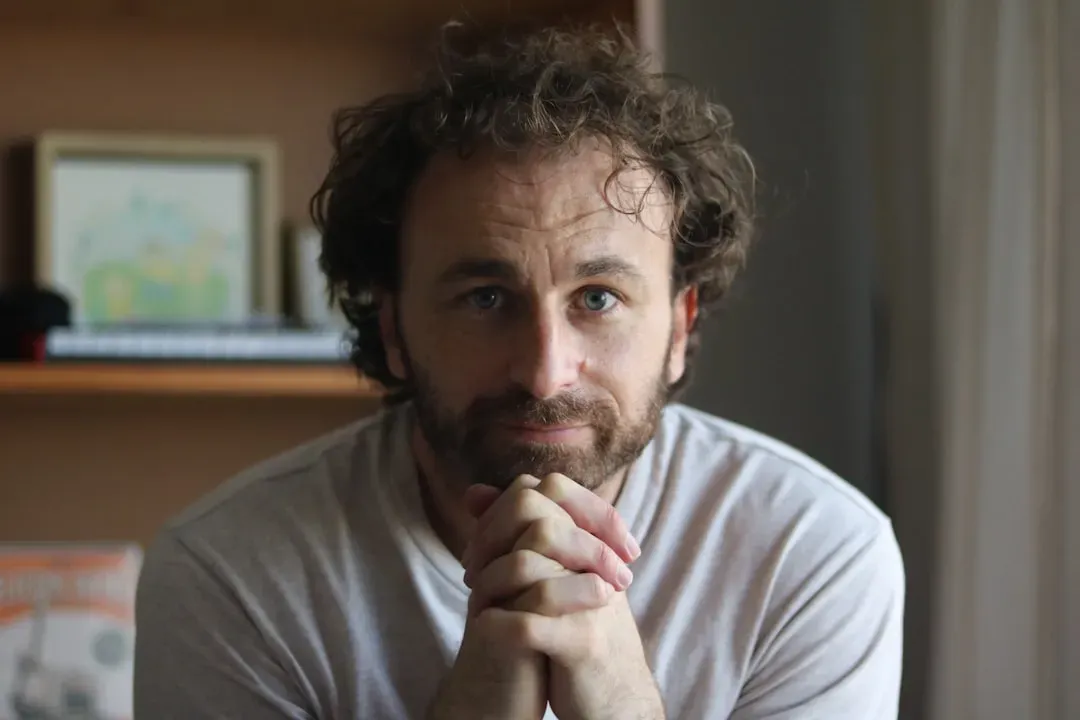
People with mental fortitude often use the phrase “I have a choice” as a powerful declaration of their belief in personal agency and autonomy. Even in difficult circumstances, you always have some degree of control over how you respond.
Feeling powerless is one of the most draining experiences. When life throws curveballs, it’s easy to slip into victim mode and believe everything is happening to you. Those with an internal sense of control believe they have influence over their lives, and by stating “I have a choice,” mentally strong individuals reinforce that they always have a choice in how they respond.
This phrase pulls you out of helplessness and into empowerment. Maybe you can’t control the situation, the economy, other people’s actions, but you can control your attitude, your effort, and your next move. This phrase empowers you to take control of your reactions and decisions, encouraging you to stop feeling like a victim and start being the architect of your destiny. That shift in perspective changes everything.
Conclusion

Mental strength isn’t about being fearless or having all the answers. It’s about how you talk to yourself when things get hard, how you treat yourself when you stumble, and how you show up even when uncertainty looms. These ten phrases aren’t magic spells, they’re tools. They remind you that you’re capable, worthy, and allowed to be human.
The beauty of these phrases is that they’re accessible. You don’t need special training or perfect circumstances to start using them. You just need to be willing to pay attention to your inner dialogue and gently shift it toward something more compassionate and empowering.
So what do you think? Do any of these phrases resonate with you, or maybe you already use a few without even realizing it? Which one are you going to try tomorrow?