

You’ve probably heard about the big things you’re supposed to do for mental wellness. Exercise more, eat better, get therapy. Those are all valid. They work. Yet, there’s something else happening beneath the surface that often gets overlooked. It’s the small, almost invisible things you do each day that gradually reshape your mind without you even noticing. These habits don’t require expensive memberships or life-altering commitments. They’re quiet, subtle, and surprisingly powerful.
Think about how you structure your average Tuesday. The time you wake up, the way you approach your morning, how you handle the inevitable stresses of the day. All of these seemingly mundane choices accumulate into patterns. Those patterns become your reality. The science behind habit formation reveals something fascinating: it takes an average of 66 days for a behavior to become automatic, though for some people it might take much longer. That’s the beauty of it. You don’t need overnight transformation. You need persistence and intention. Let’s explore the habits that work silently in the background, building a foundation for better mental health.
Stick to a Consistent Sleep Schedule

Your brain doesn’t function well when you constantly shift your sleep patterns. When you go to bed at different times each night and wake up whenever you feel like it, you’re essentially confusing your body’s internal clock. A regular sleep schedule can improve both mood and concentration levels. This isn’t just about getting enough hours; it’s about training your body to expect rest at specific times.
Getting enough sleep allows the body and brain to recover during the night. When you maintain consistent times for waking and sleeping, you’re giving yourself a biological advantage. Your stress hormones regulate better. Your emotional responses become more balanced. The trick is to set a bedtime alarm if you tend to stay up too late scrolling through your phone, which honestly, most of us do.
Reduce Daily Decision Fatigue

Every single choice you make throughout the day drains a little bit of your mental energy. What to wear, what to eat, which route to take, what task to prioritize. It sounds dramatic, yet habit and routine decrease the number of decisions you have to make on a day-to-day basis, which reduces cognitive load and mental fatigue. This is why successful people often wear similar outfits or eat the same breakfast.
When you establish routines for mundane tasks, you’re freeing up brain space for decisions that actually matter. You can focus on creative problem-solving, meaningful conversations, or planning your future instead of wasting energy on trivial choices. Simplifying your wardrobe or meal planning ahead of time might seem small. Over weeks and months, though, it adds up to significantly less mental exhaustion.
Move Your Body Regularly

You don’t need to run marathons or spend hours at the gym. Movement matters more than intensity when it comes to mental health. Moving your body releases endorphins, your brain’s feel good neurotransmitters, which improve your mood. Even a short walk around your neighborhood can shift your emotional state.
Exercise also reduces the body’s stress hormones, putting you into a calmer state. The goal is to find something you genuinely enjoy so it doesn’t feel like punishment. Maybe it’s dancing in your living room, biking to a nearby coffee shop, or practicing yoga at home. Consistency beats perfection here. A fifteen-minute daily walk will serve you better than sporadic intense workouts you dread.
Prioritize Your To-Do List Properly
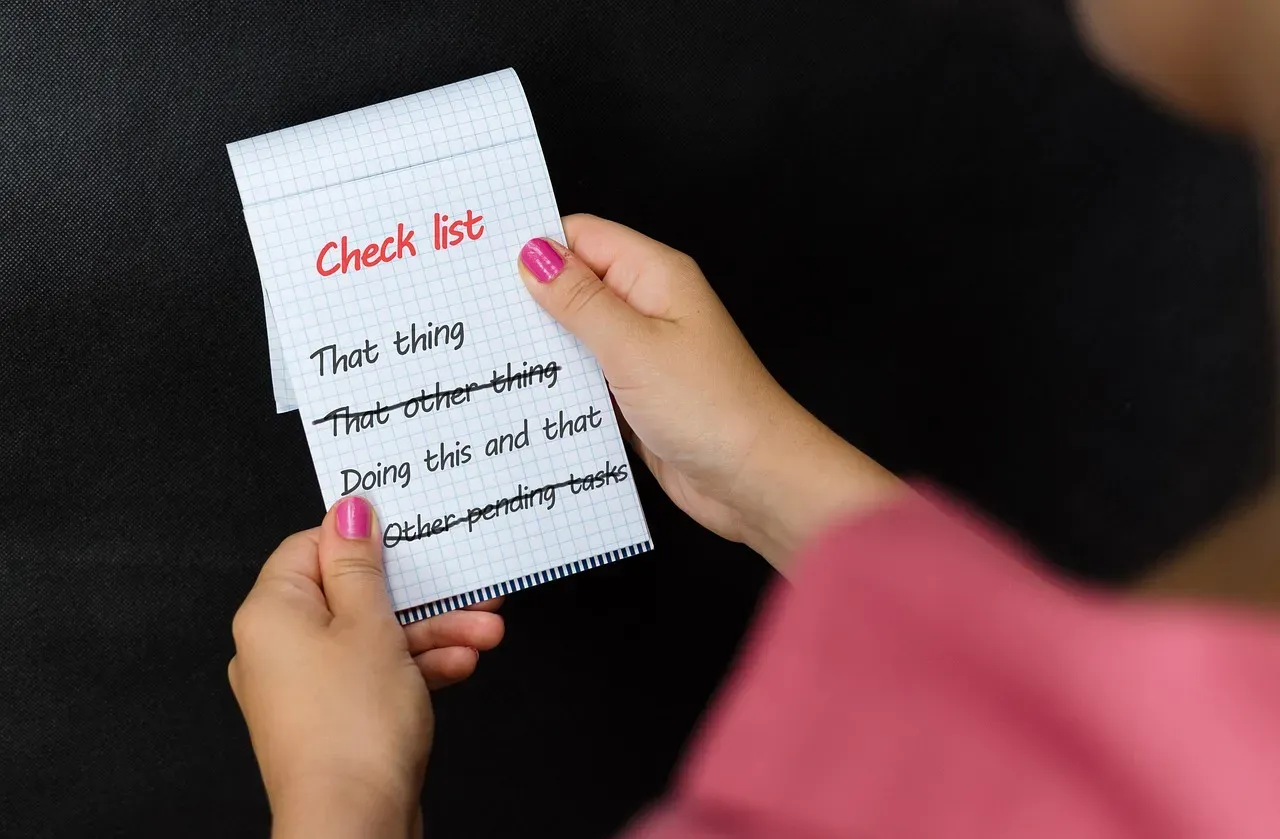
It’s tempting to knock out the quick, easy tasks first. You get that satisfying feeling of crossing things off your list. The problem is, those quick wins might not be what actually matters. When you tackle the most important task first, regardless of difficulty, you’re setting yourself up for real progress instead of just busywork.
This approach reduces anxiety because you’re not carrying around the weight of unfinished priorities. You know you’ve handled what truly needed attention. The small stuff can wait or sometimes disappears entirely when you realize it wasn’t that important after all. This habit trains your brain to distinguish between urgent and important, a skill that pays dividends for your mental clarity.
Build in Time for Relaxation

Sleep shouldn’t be your only downtime. You need moments throughout your day to genuinely unwind without guilt. Relaxation and mindfulness are just as important as any other activities on your to-do list through meditation, deep breathing, or yoga. Even just a quarter of an hour makes a difference.
Having dedicated time to unwind can improve your focus, decrease fatigue, and reduce anger and frustration. When you consciously schedule relaxation like you would a meeting, you’re sending yourself a message that matters. It could be reading a book, sitting quietly with tea, or listening to music. The activity matters less than the intention behind it.
Practice Gratitude Consistently

Your brain has a negativity bias. It’s wired to notice threats and problems more readily than positive things. You can counteract this tendency by deliberately focusing on what’s going well in your life. Some people keep journals where they write down things they’re grateful for each night. Others mentally list them in the shower or before getting out of bed.
The format doesn’t matter as much as the consistency. When you make gratitude a daily habit, you’re literally rewiring your neural pathways to notice good things more automatically. It sounds almost too simple to work. Research consistently shows it does. You start seeing opportunities instead of only obstacles, which fundamentally changes how you experience your days.
Connect with Others Intentionally

Humans aren’t designed to be isolated. Even introverts need some social connection. Social interactions provide emotional support and promote a sense of belonging and acceptance. The key word is intentional. Mindlessly scrolling through social media doesn’t count as real connection.
Schedule regular calls with friends or family members. Meet someone for coffee. Join a group based on your interests. These interactions don’t need to be lengthy or elaborate. A genuine ten-minute conversation can boost your mood more than an hour of passive screen time. Quality absolutely trumps quantity when it comes to social habits.
Incorporate Simple Pleasures

Your routine should include things that make you happy, like a cup of tea, a scented candle, or background music. These tiny moments of joy might seem insignificant. They’re not. They serve as anchors throughout your day, small rewards that make the harder parts more bearable.
Maybe it’s lighting a favorite candle while you work, playing a particular song during your morning routine, or taking five minutes to enjoy your coffee instead of gulping it down. These pleasures tell your brain that life isn’t just about grinding through obligations. There’s beauty and enjoyment woven into ordinary moments if you’re paying attention.
Check in with Yourself Regularly

Self-reflection is something most people skip entirely. You get so caught up in external demands that you forget to actually notice how you’re doing internally. Setting aside time to check in with yourself, whether through journaling, meditation, or just quiet contemplation, helps you catch problems before they become crises.
When you notice early signs of stress or overwhelm, you can adjust your routine and seek support proactively. This habit builds self-awareness, which is the foundation for all personal growth. You can’t change patterns you don’t recognize. Regular check-ins give you the information you need to course-correct when necessary.
Plan Ahead to Reduce Stress

Life gets hectic. When it does, you might be tempted to abandon your healthy habits because you feel too pressed for time. By prepping meals ahead of time, picking out an outfit the night before, or having an alternate home workout option for busy days, you set yourself up for success. Planning removes obstacles before they arise.
This doesn’t mean you need to control every minute of your day. It means you’re creating backup options so that when chaos hits, you have something to fall back on. You’re much more likely to maintain beneficial habits when you’ve made them as easy as possible to complete, even on your worst days.
Start Small and Build Momentum
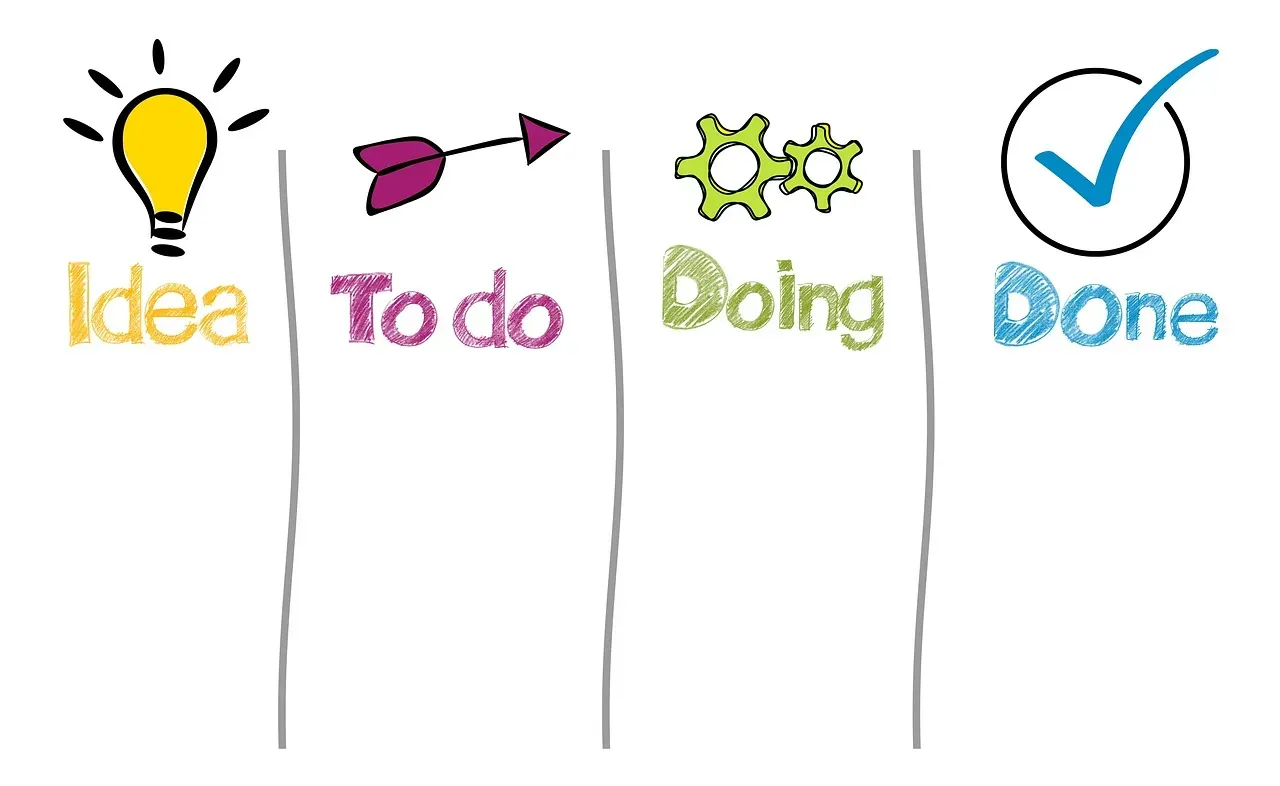
The biggest mistake people make with habit formation is trying to overhaul their entire life at once. That approach almost always fails. Establishing small, consistent habits can build momentum and help you accomplish bigger things, like starting with a fifteen-minute walk that may eventually lead to running a marathon. The first step is always the hardest.
Once you begin practicing healthy habits, it becomes easier to maintain them than you initially thought. One positive change often influences other areas of your life. When you start exercising, you might naturally begin eating better. When you improve your sleep, you might find you have more energy for social connections. Small victories create upward spirals.
Focus on Primary Routines First

Not all routines are created equal. Primary routines are behaviors necessary for maintaining livelihood and biological needs, such as hygiene, sleep, and eating, while secondary routines include exercising, leisure activities, and work practices. When you’re stressed or overwhelmed, prioritize the basics first.
Primary routines regularize the overall structure of daily living and have a more pivotal role in mental health during acute stress. If you’re struggling, don’t worry about optimizing your workout schedule or social calendar. Make sure you’re sleeping, eating regularly, and maintaining basic hygiene. Everything else can wait until you’ve stabilized those foundations.
Create Structure That Feels Like Freedom

There’s a misconception that routines are restrictive. Actually, they create freedom. Building a routine reduces stress by giving you a sense of control over your life. When you know certain things are handled automatically, you have more mental space to be spontaneous and creative in other areas.
Having a plan makes you feel more in control because you’ve made many decisions in advance. It’s like having a safety net. You can take risks and try new things knowing that the fundamental structure of your life is solid. That paradoxical combination of structure and flexibility is where real mental wellness lives.
Customize Your Approach

What works for someone else might not work for you. There’s no universal perfect routine that applies to everyone. Your schedule can be customized to suit your personal characteristics and preferences, factoring in whether you’re a night owl or more introverted. Forcing yourself to wake up at five in the morning when you’re naturally a night person will backfire.
Pay attention to your own rhythms, energy levels, and preferences. Design habits that align with who you actually are, not who you think you should be. When your routines fit your personality, they’re exponentially easier to maintain. You’re working with your nature instead of fighting against it.
Reward Yourself for Progress

Set goals and celebrate when you reach them. This isn’t about being self-indulgent. It’s about positive reinforcement, which is how your brain learns to repeat beneficial behaviors. When you acknowledge your progress, even small wins, you’re training yourself to associate healthy habits with good feelings.
The rewards don’t need to be elaborate or expensive. Watch a movie you’ve been wanting to see. Take an afternoon off. Buy yourself something small you’ve had your eye on. The point is to mark the moment and let your brain register that your efforts are paying off. This creates a positive feedback loop that makes continuing much easier.
Conclusion: The Compound Effect of Small Changes

Consistency in your daily schedule can help reduce symptoms of depression. That’s the real power of these quiet habits. They don’t make dramatic promises or require heroic effort. They simply work, day after day, building a foundation that supports better mental health without you having to think about it constantly.
Establishing small, consistent habits can make a significant difference when extrapolated over time, leading to better productivity, enhanced self-esteem, improved focus, and overall a healthier mindset. The habits you’ve read about here aren’t revolutionary. They’re intentional. They’re sustainable. Most importantly, they’re within your reach right now, today.
So which one will you start with? Maybe you’ll commit to a consistent sleep schedule this week. Perhaps you’ll build in fifteen minutes of genuine relaxation. The specific choice matters less than making one and sticking with it. What do you think? Which quiet habit will you try first?