

Reputation is everything. It precedes you into every room, influences every opportunity that comes your way, and shapes how others perceive your competence, trustworthiness, and character. The fascinating thing about reputation is that it’s rarely destroyed by a single catastrophic mistake. More often, it erodes slowly through small, repeated behaviors that you might not even notice.
Think about it this way. You probably work hard, show up, and do your best. Yet, you might still notice that you’re overlooked for promotions, not invited to important meetings, or that your ideas don’t seem to carry much weight. The culprit could be subtle habits that quietly chip away at how others see you. The good news? Once you recognize these patterns, you can change them. Let’s explore what might be holding you back and how to turn things around.
Constant Complaining Turns You Into a Drain

Complaining is one of the fastest ways to tank , especially when it’s about trivial matters that don’t really warrant serious discussion. Sure, everyone vents occasionally. That’s human. The problem arises when you become known as the person who always has something negative to say about the workload, colleagues, or circumstances.
This creates a toxic and uncomfortable environment that affects company morale. Nobody wants to be around someone who drains their energy with negativity. Instead of focusing on problems, try shifting your mindset to solutions. When challenges arise, acknowledge them briefly, then pivot to what you can do about them. This simple shift makes you someone people want to collaborate with rather than avoid.
Chronic Tardiness Screams Disrespect

Being perpetually late to meetings, even by just a few minutes, is genuinely annoying and shows disrespect for other people’s time. You might think showing up five or ten minutes late isn’t a big deal, especially if you’re busy. Here’s the thing, though. Everyone else is busy too.
When tardiness becomes habitual, it starts impacting , signaling that you consistently roll in well after everyone else has started their productive day. The solution isn’t complicated. Set your alarm earlier. Leave buffer time for unexpected delays. Treat appointments as non-negotiable commitments. When you respect other people’s time, they respect you.
Excessive Swearing Makes You Look Unprofessional

You might think a casual curse word here and there makes you relatable or adds emphasis to your point. While the occasional slip might not cause much damage, constantly swearing sends the message that you’re an unprofessional communicator who isn’t self-aware enough to know that language may be offensive to colleagues.
Professional settings demand a certain level of decorum. When you pepper your conversations with four-letter words, you risk alienating people who find that language uncomfortable or inappropriate. It’s not about being uptight. It’s about being considerate and demonstrating emotional intelligence. Expand your vocabulary instead. Express frustration, excitement, or emphasis through more articulate means that command respect rather than raise eyebrows.
Poor Communication Skills Leave Everyone Confused
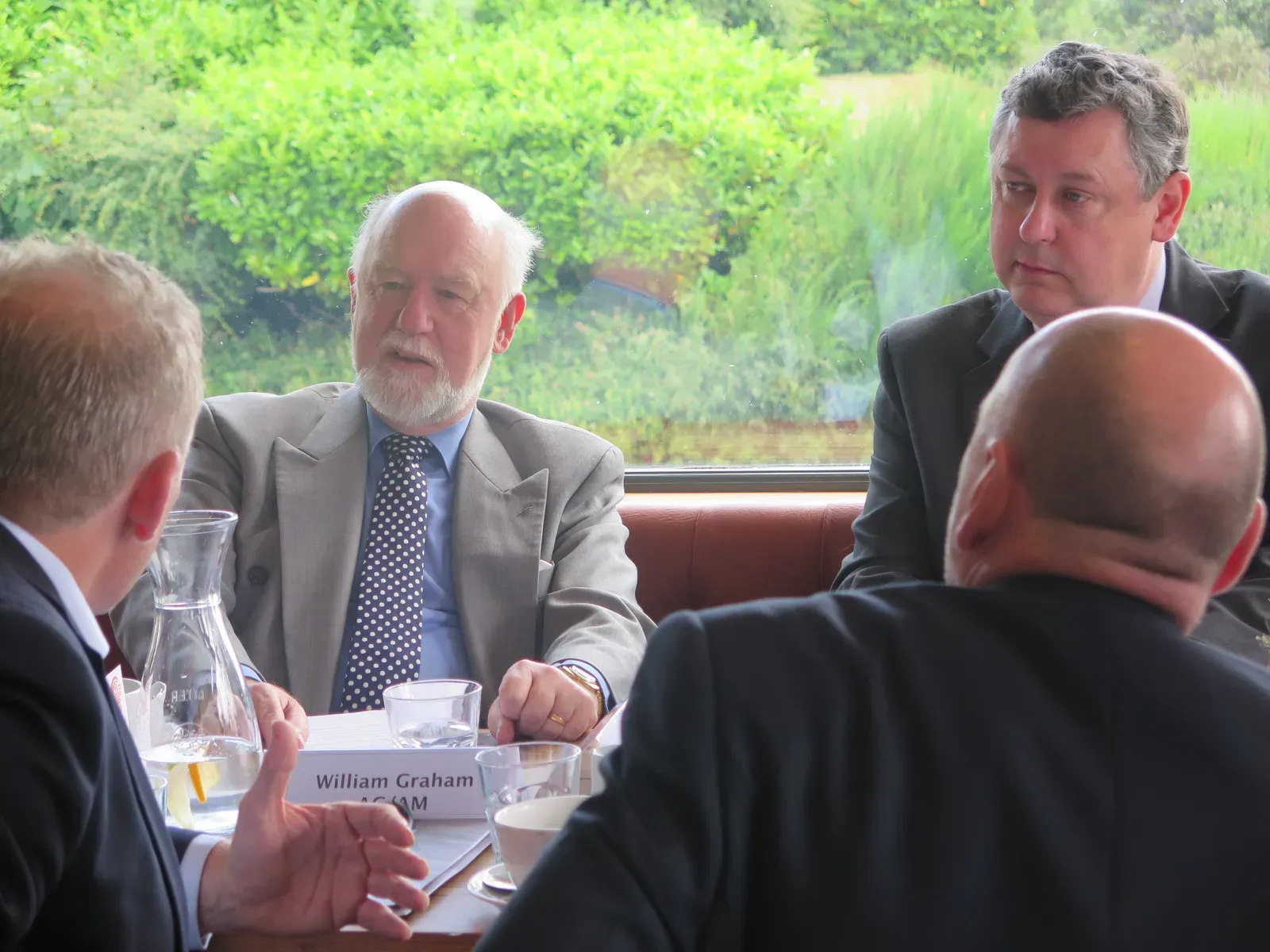
Poor communication skills, including failure to provide clear instructions or failing to keep your team updated on progress, can affect the efficiency and effectiveness of your team’s overall work product. Think about how frustrating it is when someone leaves you in the dark about project status or gives vague directions that leave you guessing.
Under-communicating with your manager means risking that projects aren’t done correctly and have to be reworked, which wastes time and energy and doesn’t look good. Communication isn’t just about talking. It’s about clarity, follow-through, and keeping relevant parties informed. Make it a habit to over-communicate rather than under-communicate. Check in regularly. Confirm understanding. Close the loop on conversations. These small actions build massive credibility over time.
Not Following Through Destroys Trust

Not following through on your commitments erodes trust, and without trust, you can’t sustain either personal or professional relationships. When you say you’ll do something and then don’t, people learn they can’t count on you. It’s that simple and that devastating.
Maybe you overcommit because you want to be helpful. Perhaps you genuinely forget. When someone calls and leaves a message and you’re tied up for days without returning the call, the lack of response leads to greater panic, and they can’t keep themselves from talking to others about your failure to call back. The fix? Only commit to what you can realistically deliver. Write things down. Set reminders. Build systems that ensure you honor your word. Your reliability becomes your calling card.
Gossip Marks You as Untrustworthy

Spreading gossip identifies you as small-minded and shows that you can’t be trusted to keep secrets. Let’s be real here. Gossip can feel irresistible in the moment. It creates a false sense of connection and gives you information that feels powerful. The problem? When you gossip about others, everyone assumes you gossip about them too.
Breaching trust by gossiping, backstabbing, or undermining colleagues can lead to a hostile work environment and damage . If someone shares sensitive information with you, keep it to yourself. When others try to pull you into gossip sessions, politely decline or change the subject. Being known as someone who respects confidentiality is incredibly valuable in any setting.
Overpromising and Underdelivering Kills Credibility

Overstating your abilities, how quickly you can get things done, or the results you can deliver not only disappoints, but makes you come across as an egomaniac who toots his own horn too loudly. You might think talking up your capabilities makes you look impressive. Actually, it sets you up for failure.
Biting off more than you can chew by overestimating your own abilities puts you in a bad position, especially in environments where people are anxious to impress and keep their jobs. The smarter approach? Under-promise and over-deliver. Be realistic about what you can accomplish. Then exceed those expectations. This approach builds a reputation for reliability and excellence rather than hot air and disappointment.
Failing to Return Calls or Messages Creates Resentment

In our connected world, communication responsiveness matters enormously. When clients or colleagues call and leave a message and you’re tied up for a day or two, the lack of a return call leads to greater panic, and they can’t keep themselves from calling others and ranting about your failure to call back.
You might be genuinely swamped. Perhaps you’re juggling competing priorities. From the other person’s perspective, though, your silence feels like indifference or disrespect. Even if you can’t fully address their concern immediately, acknowledge receipt of their message. Let them know when you’ll get back to them with a complete response. This small courtesy prevents frustration from festering into reputation damage.
Self-Deprecating Comments Undermine Your Authority

People look to you for their first impressions, and if you’re berating yourself, they will think it is appropriate for them to do so as well. You might make self-deprecating jokes thinking they make you seem humble or likable. The unintended consequence? You’re teaching others to view you as less competent.
When you make a gaffe, resist the temptation to belittle yourself by saying things like “that was really stupid of me.” Own your mistakes without trash-talking yourself. A simple acknowledgment like “I’ll handle that differently next time” maintains your dignity while showing accountability. When you respect yourself, others follow your lead.
Being Consistently Negative Drags Everyone Down

Negativity in the workplace can spread quickly, creating a toxic environment that lowers morale and productivity, making it essential to maintain a positive outlook for fostering a collaborative and supportive work culture. Nobody expects you to be sunshine and rainbows all the time. That would be exhausting and inauthentic.
When you’re the person at work who always sees the glass as half empty, quick to shoot down ideas and slow to offer constructive solutions, this behavior drains the entire team and quickly erodes your credibility. Even when things are genuinely challenging, try to find something constructive to contribute. Focus on possibilities rather than just problems. This doesn’t mean ignoring reality. It means choosing to be part of the solution rather than amplifying the difficulties. People gravitate toward those who maintain perspective and offer hope, even in tough situations.
Conclusion

is built one interaction at a time, through countless small decisions that either strengthen or weaken how others perceive you. The habits we’ve explored might seem minor individually, but their cumulative effect shapes whether you’re seen as someone trustworthy, professional, and valuable, or someone to be avoided and overlooked.
The beauty of this reality is that you have control over these behaviors. Start by picking just one or two habits from this list that resonate with you. Work on those deliberately for the next few weeks. Notice how people’s responses begin to shift. Small changes create ripple effects that can transform your professional relationships and opportunities.
What’s one habit you’re ready to change starting today? Your future reputation is waiting for you to take action.