
You’ve probably had that unsettling feeling when someone’s words don’t quite match their behavior. Something feels off, though you can’t put your finger on it. Maybe it’s the way they shifted in their chair, or perhaps the story they told had just a few too many details. Here’s the thing: humans are terrible liars, even when they think they’re good at it.
Your brain picks up on countless micro-signals during every conversation. Most happen below your conscious awareness, yet they influence whether you trust someone or feel suspicious. Learning to recognize these psychological tells transforms you from someone who gets fooled into someone who reads people like an open book. Let’s dive into the twelve most revealing signs that someone isn’t telling you the truth.
The Eyes Tell a Different Story Than the Smile

When you see a smile that only moves the mouth while the eyes stay flat, you’re witnessing what psychologists call a social smile. This controlled half-smile appears when liars try to seem calm and trustworthy, but their eyes betray them by remaining cold or focused instead of softening or crinkling.
Think about the last time someone gave you a forced smile at a party. You knew immediately it wasn’t genuine. The same principle applies when someone is lying to you. Genuine happiness creates crow’s feet around the eyes and causes the entire face to light up. A liar’s smile looks pasted on, appearing and disappearing too quickly without engaging the muscles around their eyes.
Fidgeting and Restless Movements Betray Inner Turmoil
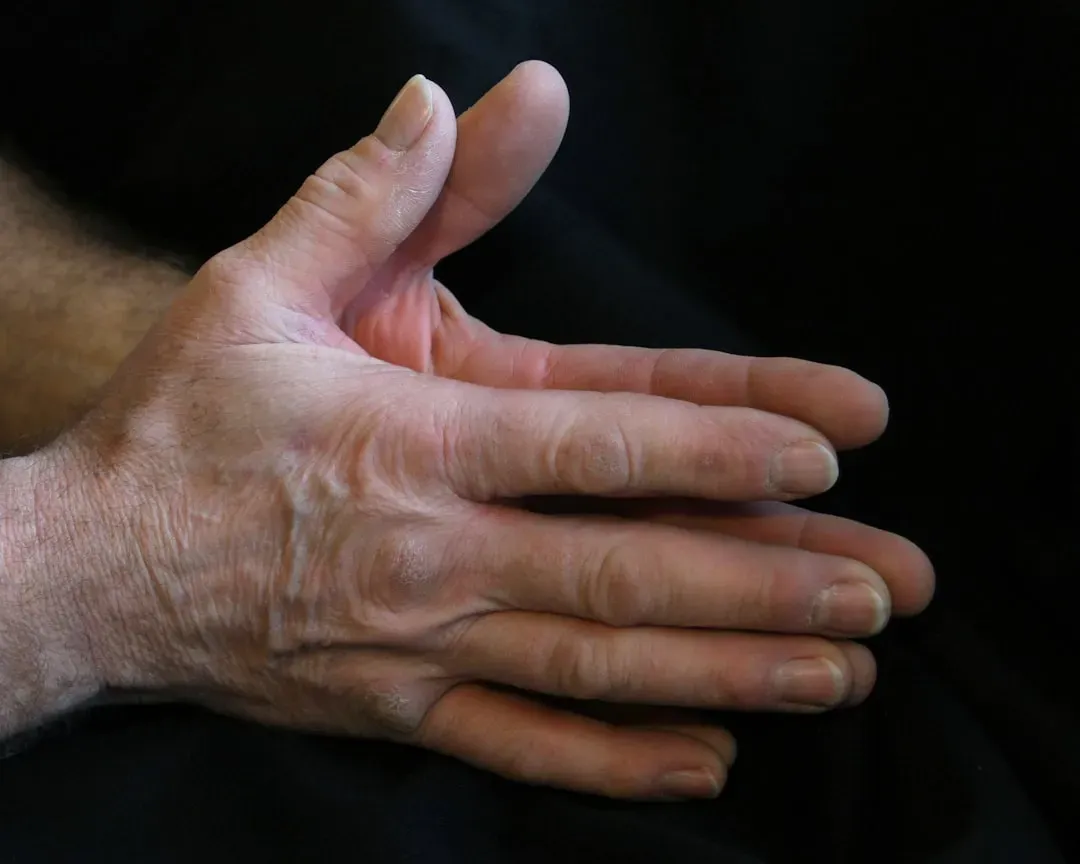
When people feel stressed or anxious, it manifests in behaviors such as fidgeting or sweating. Shuffling feet, rocking the body back and forth, and moving the head to the side can signal deception, as fluctuations in the autonomic nervous system prompt people to feel tingles or itches, resulting in more fidgeting and scratching.
Watch for someone who suddenly can’t keep still. Their leg bounces under the table. They tap their fingers on the armrest. They play with their hair or touch their neck repeatedly. These grooming behaviors like playing with hair occur when people are being dishonest. It’s hard to say for sure, but the nervous energy has to go somewhere, and the body releases it through these small, repetitive movements.
Speech Patterns That Signal Mental Strain

Irregular speech is a telltale sign someone may not be telling the whole truth, as a person’s voice or mannerisms of speaking may change when they tell a lie. Using words like ‘um’ or ‘hmm’ with various pauses may indicate lying, as the person is continuously trying to fabricate their tale.
Lying takes serious cognitive effort. You need to construct a false narrative while monitoring the listener’s reaction and remembering what you’ve already said. This mental juggling act often produces verbal stumbles. Liars try to keep statements short and use vague or hedging language like “I guess” and “maybe,” while also avoiding first-person singular pronouns that signal ownership of a statement. Listen for those hesitations and hedges.
Eyes That Dart Around or Stare Too Intensely
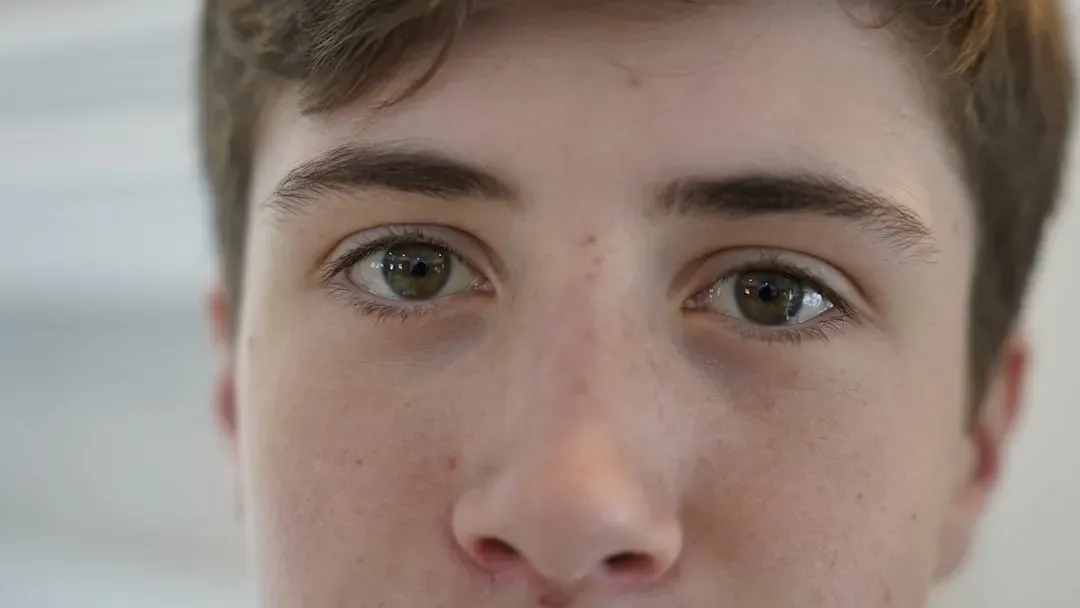
People may make too little or too much eye contact when lying. Eye contact extremes can signal fear, and when someone’s eyes dart around when asked a question – shifting up, down, and side-to-side – they’re afraid to give an honest answer.
You might expect a liar to always look away, but sometimes they do the opposite. Research found that those who lied were more likely to stare than those who were truthful, with an overwhelming majority of liars staring directly at the people they were lying to. This overcompensation comes from their knowledge that looking away seems suspicious, so they overdo the eye contact to an unnatural degree.
Incongruent Body Language Reveals the Truth

If a person says yes but shakes their head no, it may indicate they’re not telling the truth, as non-congruent gestures are movements in the body that don’t match the words a person says. When someone says “No, I didn’t do it” but their head shakes yes, they probably did it, as people subconsciously accent things with their heads and the head is more trustworthy than the mouth.
I once watched a colleague insist everything was fine with a project while simultaneously crossing their arms and leaning back. Their body screamed defensiveness even as their mouth said cooperation. These mismatches between verbal and nonverbal communication are incredibly revealing. Your subconscious knows the truth even when your conscious mind tries to hide it.
Excessive Details That Seem Rehearsed

Liars’ answers sound more discrepant and ambivalent, with the structure of their stories being less logical and less plausible. Sometimes they go the opposite direction. Liars often provide less detail, but when they work out a detailed story to support their lie, they might offer an unnecessary amount of information to desperately persuade the listener to believe them.
When someone volunteers elaborate specifics you didn’t ask for, your suspicion radar should activate. Truth-tellers give you the information you need. Liars worry you won’t believe them, so they pile on detail after detail, thinking it makes them more credible. Instead, it often has the opposite effect.
Changes in Voice Pitch and Speaking Pace

Liars may talk slower or faster than usual, and tension may translate into higher pitch, quiver, stammer, or stutter. Research found that Chinese participants tend to speak with a higher vocal pitch when lying, while Hispanic participants spoke with a lower vocal pitch when lying.
Your baseline for someone matters enormously here. If your normally fast-talking friend suddenly speaks slowly and deliberately, something’s up. FBI criminal profiler Gregg McCrary identifies a person’s regular speech patterns by asking straightforward questions, allowing him to see changes in speaking when he asks more challenging, interrogative questions. Establish that baseline, then watch for deviations.
Hand Gestures That Come at the Wrong Time

Liars tend to use exaggerated gestures with their hands after they speak instead of during or before a conversation. Research found that those who lie are more likely to gesture with both hands than those telling the truth, with people gesturing with both hands in roughly forty percent of lying clips compared to twenty-five percent of truthful clips.
Natural conversation involves gestures that flow with speech, illustrating and emphasizing points as you make them. When someone finishes talking and then adds gestures, it suggests their brain is working overtime. The words came out first, and the body tried to catch up afterward to sell the lie.
Defensive Postures and Closed Body Language

When people try to control themselves while lying, they may have closed-off body language, such as folding their arms or maintaining a safe distance to remove an emotional connection. When people are nervous or afraid, they take up less space, and sitting with knees together or standing with arms folded could signal nervousness.
Notice how someone positions themselves during conversation. A liar might cross their arms protectively across their chest. They might angle their body away from you rather than toward you. They’re unconsciously creating barriers between themselves and you, trying to protect themselves from being discovered.
Rapid Blinking and Facial Tension

If someone’s eyes blink more rapidly when addressing a particular topic or answering certain questions, this is a telltale sign of anxiety, which often coincides with a lie. Let’s be real: this one can be tricky because anxiety doesn’t always mean lying. Someone might just be nervous about the conversation itself.
Still, when you notice a sudden increase in blink rate paired with other signals on this list, you’re probably onto something. The face tightens. Muscles around the jaw clench. The person might swallow hard or lick their lips. These tiny facial changes reveal the internal stress of maintaining a false story.
Delayed Responses and Long Pauses

If someone waits more than five seconds to answer a question, that’s a pretty good sign of deception. Liars take longer to start answering questions than truth-tellers, though when they have time to plan, they actually start their answers more quickly.
Think about it: if someone asks you where you were last night and you were really at home watching television, you answer immediately. No thought required. If you were somewhere you shouldn’t have been, you need time to construct your cover story. That pause is the sound of mental wheels turning, building a narrative from scratch.
Repeating Questions or Asking for Clarification

Liars are more likely to repeat words and phrases. They also frequently stall by repeating your question back to you or asking you to clarify something perfectly clear. These tactics buy them precious seconds to formulate their response.
You might hear phrases like “What do you mean by that?” or “Can you repeat the question?” when your question was straightforward. They’re not confused. They’re stalling. The same goes for repeating the same excuse or detail multiple times, as if saying it more often makes it more true.
Conclusion: Trusting Your Instincts While Reading the Signs
Previous studies have shown that people are not good at detecting deception, with average accuracy slightly above chance level. Even armed with knowledge of these twelve tells, you won’t become a perfect human lie detector. Context matters. Cultural differences matter. Individual baselines matter.
Expert opinion on cues to deception is mixed and often conflicting, with the single issue on which more than eighty percent of experts agreed being that gaze aversion is not generally diagnostic of deception. So while these psychological tells offer valuable clues, you should never rely on a single sign. Look for a cluster of three red flags to more accurately decipher if someone is lying.
The real power comes from combining your observations with your intuition. Your gut often knows before your brain catches up. Pay attention to that nagging feeling that something’s off. Notice the patterns. Trust yourself. What do you think – have you noticed any of these tells in your own life?