

Centrosaurus stands as one of the most fascinating dinosaurs to roam prehistoric North America during the Late Cretaceous period. This remarkable ceratopsian dinosaur has captivated paleontologists and dinosaur enthusiasts alike with its distinctive single nasal horn and elaborate frill. Native to what is now Alberta, Canada, Centrosaurus existed approximately 76.5 to 75.5 million years ago and left behind a wealth of fossil evidence that has helped scientists reconstruct its appearance, behavior, and ecosystem. As a member of the Centrosaurinae subfamily, this herbivorous quadruped showcases the incredible diversity of horned dinosaurs that dominated the landscape before the mass extinction event that would eventually claim all non-avian dinosaurs. The story of Centrosaurus is not just about an ancient creature but reveals crucial insights into prehistoric ecology, evolution, and the dynamic world of the Late Cretaceous.
Taxonomic Classification and Discovery

Centrosaurus belongs to the family Ceratopsidae, subfamily Centrosaurinae, and was first discovered by paleontologist Lawrence Lambe in 1904 along the Red Deer River in Alberta, Canada. The genus name “Centrosaurus” translates to “pointed lizard,” referencing its prominent nasal horn. The type species, Centrosaurus apertus, has been studied extensively from numerous specimens found in bone beds throughout Alberta’s Dinosaur Provincial Park. These mass accumulations of Centrosaurus remains represent one of the most significant dinosaur fossil deposits in North America. Over the decades since its discovery, paleontologists have refined their understanding of this genus, occasionally reassigning certain species or specimens as research methods and taxonomic classifications evolved. The rich fossil record of Centrosaurus has made it one of the best-understood ceratopsians in paleontological science.
Physical Characteristics and Appearance
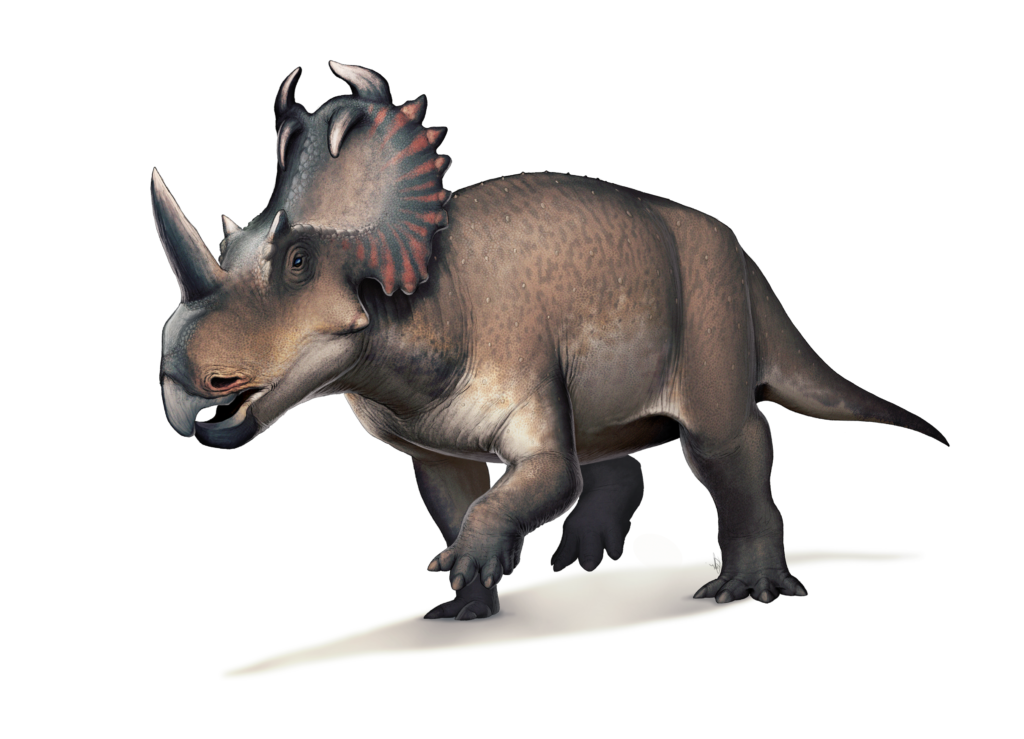
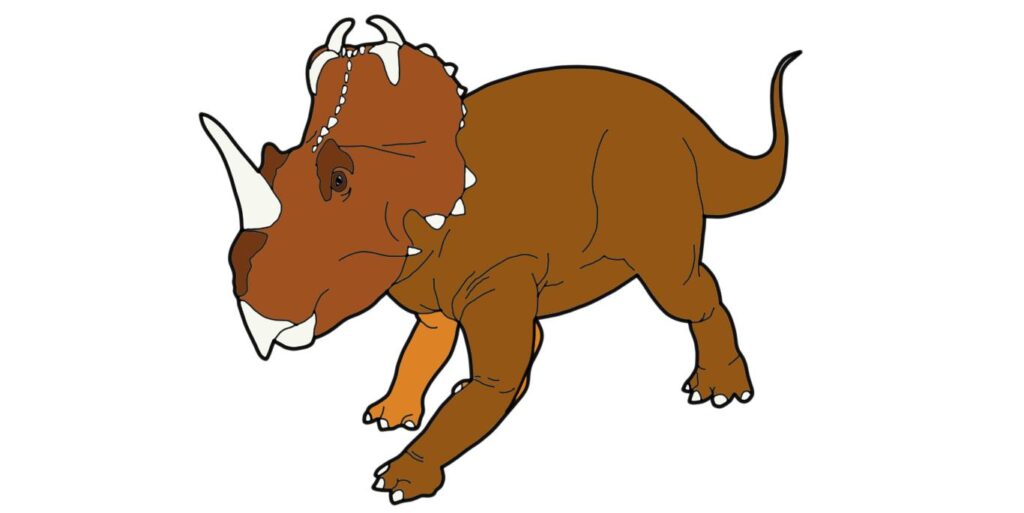
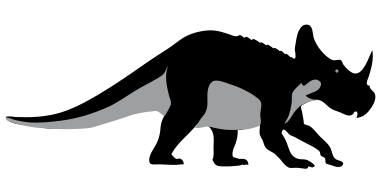
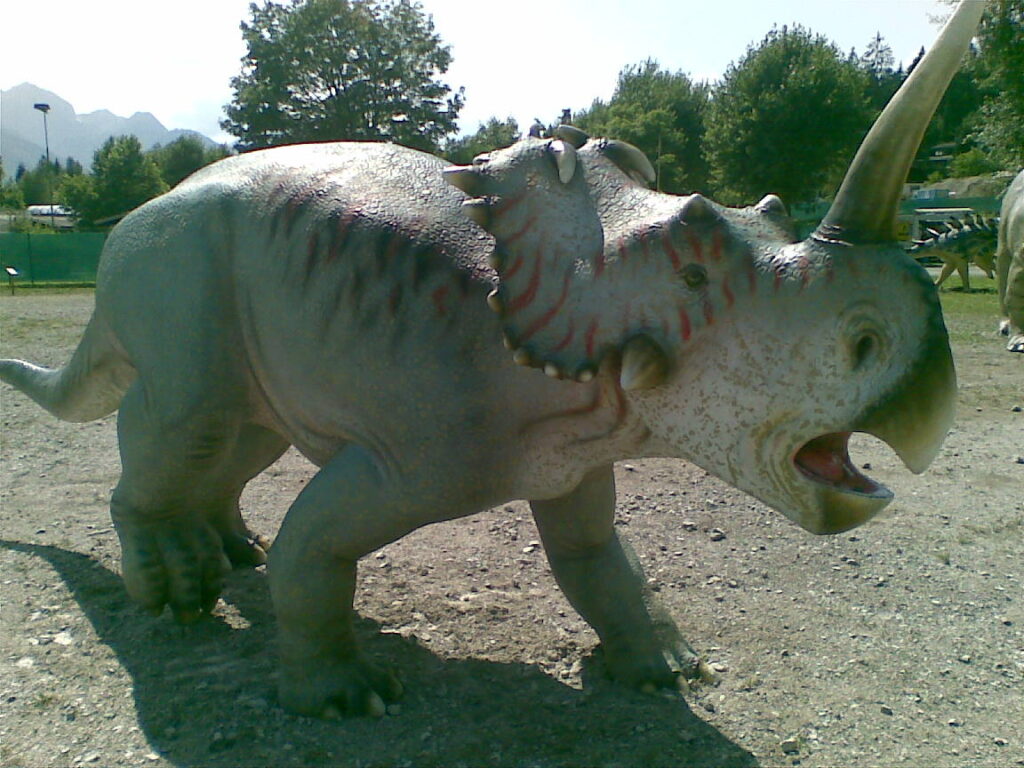
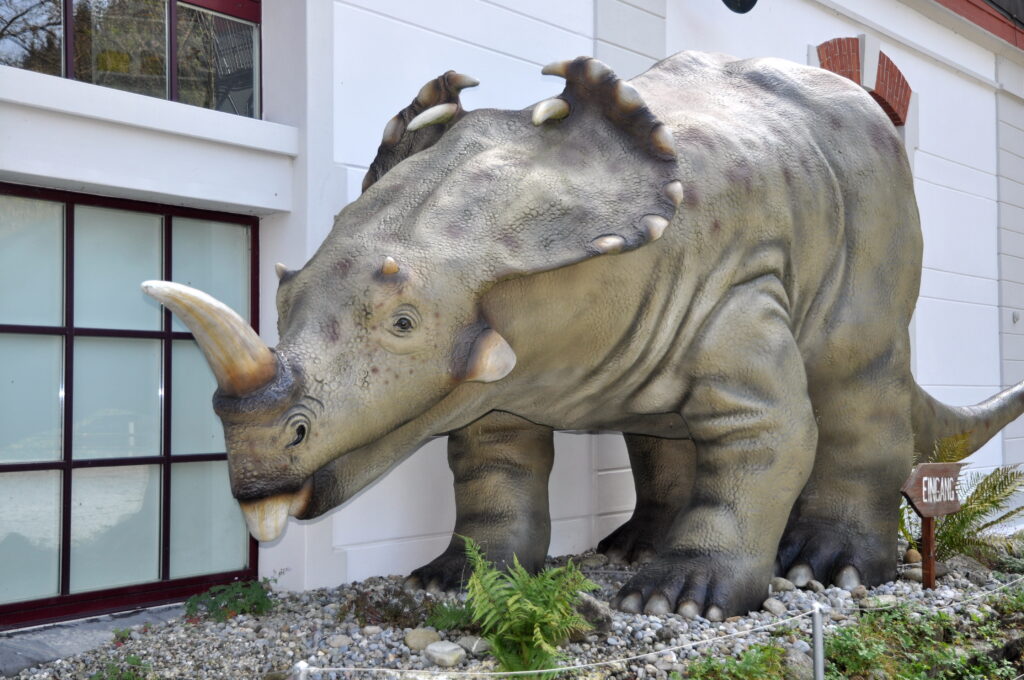
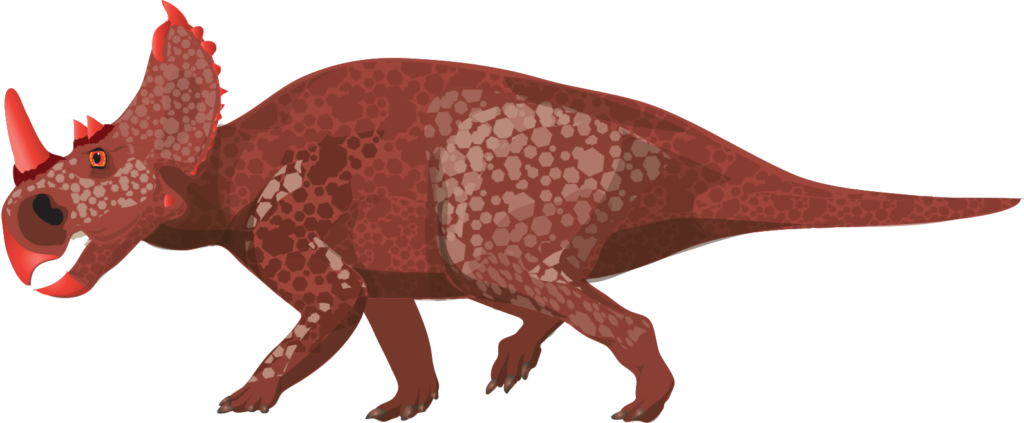
Centrosaurus was a medium-sized ceratopsian dinosaur, measuring approximately 5.5 to 6 meters (18-20 feet) in length and weighing between 2 and 3 tons. Its most distinctive feature was the single large horn that protruded from its nose, which could reach up to 30 centimeters (12 inches) in length. Unlike its relative Triceratops, which sported prominent brow horns, Centrosaurus had only small hornlets above its eyes. The dinosaur’s skull was particularly massive, comprising nearly one-fifth of its total body length. Perhaps most striking was its elaborate neck frill, adorned with a series of hooks, spikes, and ornamental protrusions along its margin. These frill decorations varied somewhat between individuals, suggesting they may have played a role in species recognition or sexual display. The body of Centrosaurus was robust and rhinoceros-like, supported by four sturdy pillar-like limbs, with the forelimbs being slightly shorter than the hindlimbs.
The Distinctive Frill Structure
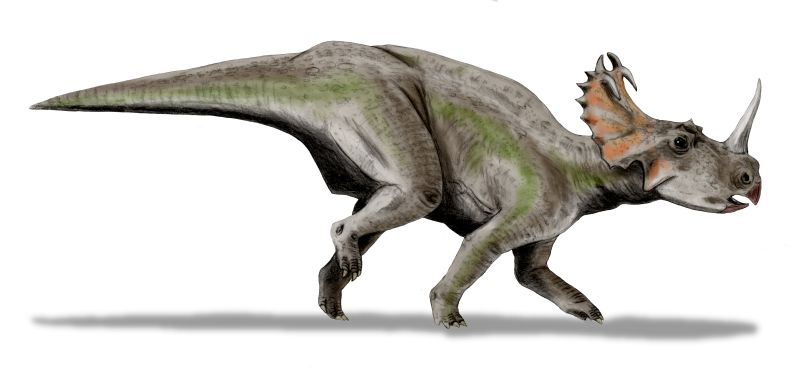
The most elaborate feature of Centrosaurus, beyond its prominent nasal horn, was undoubtedly its ornate neck frill. This bony structure extended from the back of the skull and was composed of the parietal and squamosal bones. Unlike the solid frills of some ceratopsians, Centrosaurus had large fenestrae (openings) in its frill that likely reduced weight while maintaining structural integrity. The edges of the frill featured a series of distinctive hook-like projections and spikes arranged in a symmetrical pattern, with particularly large spikes projecting from the top margin. These ornamentations show considerable variation between individuals, with some specimens displaying more pronounced hooks than others. Paleontologists have documented this variation extensively from the numerous skulls discovered in bone beds, allowing for detailed study of potential sexual dimorphism or individual variation within the species. The frill’s blood vessel impressions on fossil specimens suggest it may have been covered with keratin and possibly used for display by flushing with blood to create visual signals.
Habitat and Geographic Distribution

Centrosaurus inhabited what is now southern Alberta, Canada, primarily in the region that would become Dinosaur Provincial Park, a UNESCO World Heritage Site renowned for its rich dinosaur fossil deposits. During the Late Cretaceous period when Centrosaurus lived, this area was part of the Western Interior Seaway’s coastal plain, featuring a warm, subtropical climate with seasonal rainfall patterns. The environment consisted of river floodplains, coastal marshes, and forests that provided abundant vegetation for these herbivorous dinosaurs. Fossil evidence indicates that Centrosaurus was geographically restricted to a relatively small area compared to some other ceratopsians, suggesting specific habitat preferences or environmental constraints. The famous Centrosaurus bone beds of Alberta indicate these animals lived in large herds and were sometimes caught in catastrophic flooding events that resulted in mass mortality. These dense fossil deposits have provided paleontologists with an unprecedented opportunity to study population structures and behavior patterns of these fascinating dinosaurs.
Diet and Feeding Adaptations
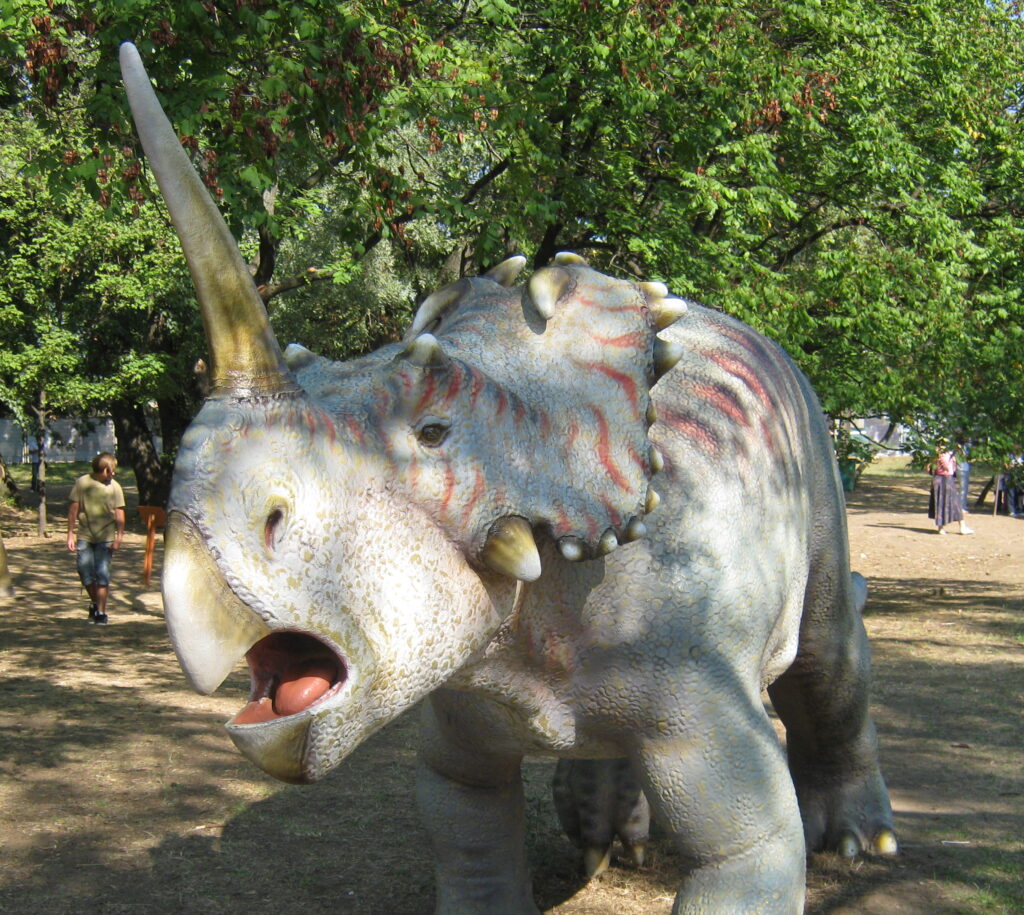
As a herbivorous dinosaur, Centrosaurus possessed specialized adaptations for processing tough plant material prevalent in the Late Cretaceous ecosystem. Its mouth contained a sharp beak-like structure formed by the rostral and predentary bones, perfect for cropping vegetation. Behind this beak-like structure sat batteries of tightly packed teeth organized in dental batteries, with each position containing several replacement teeth ready to emerge as older teeth wore down. This continuous replacement system ensured Centrosaurus maintained efficient cutting surfaces throughout its lifetime. Analysis of wear patterns on Centrosaurus teeth suggests they primarily fed on fibrous, low-growing vegetation such as ferns, cycads, and primitive flowering plants. Their powerful jaw muscles, anchored partially to the frill, generated significant bite force that could shear through tough plant material. The height at which Centrosaurus carried its head, determined by skeletal structure, indicates it was likely a low to mid-level browser, focusing on ground vegetation rather than tall trees or shrubs.
Herd Behavior and Social Structure
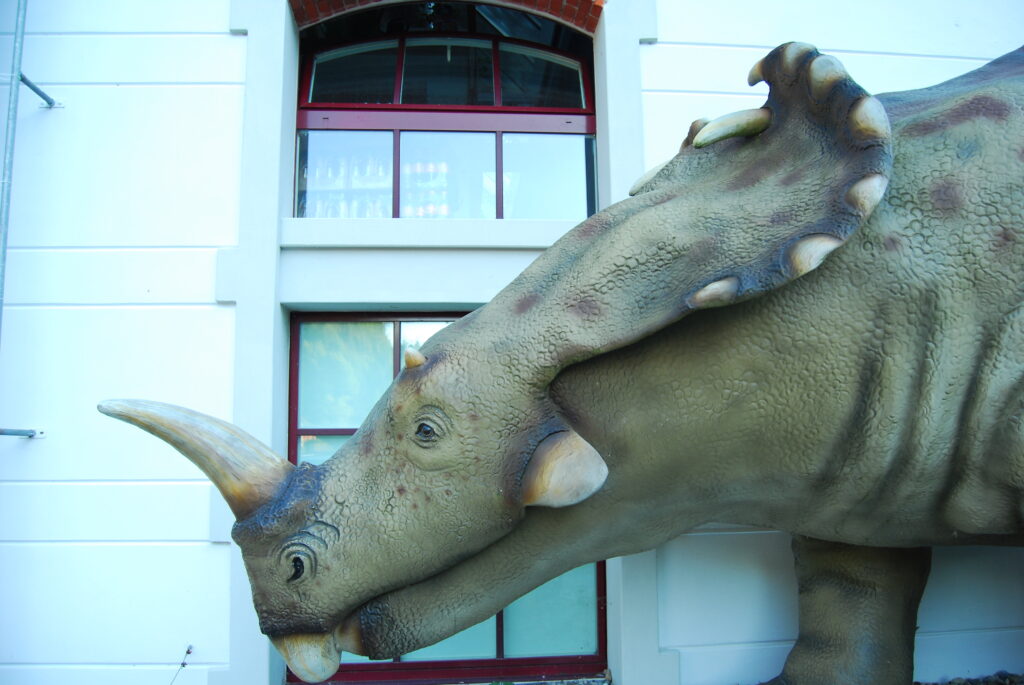
One of the most fascinating aspects of Centrosaurus biology comes from the extraordinary bone beds discovered in Alberta, which provide compelling evidence that these dinosaurs lived in large herds. Some Centrosaurus bone beds contain the remains of hundreds or even thousands of individuals packed together, representing animals of various ages from juveniles to adults. This age distribution suggests family groups traveled together in social herds similar to modern elephants or bison. The evolutionary advantage of herd living likely included protection from predators like tyrannosaurs, as the adults could form defensive circles around vulnerable juveniles. Fossil evidence also indicates these herds might have undertaken seasonal migrations in response to changing food availability or breeding requirements. The elaborate frills and horns may have played important roles in establishing dominance hierarchies within these social groups, with the most impressive displays belonging to dominant breeding individuals. These mass death assemblages also suggest that entire herds could be killed simultaneously in catastrophic events like river flooding or drought.
Growth and Development
The growth pattern of Centrosaurus has been reconstructed through examination of specimens at various developmental stages found in bone beds. Juvenile Centrosaurus specimens reveal that the distinctive horn and frill ornamentations developed gradually as the animals matured. Young Centrosaurus had proportionally shorter frills with less elaborate decorations, and their nasal horns were significantly smaller and differently shaped compared to adults. Growth ring analysis of Centrosaurus bones suggests these dinosaurs grew rapidly during their early years, similar to modern birds and mammals, rather than the slower growth patterns seen in reptiles. Scientists estimate that Centrosaurus reached sexual maturity at approximately 6-8 years of age, though they continued growing afterward at a slower rate. The full development of the distinctive frill projections and nasal horn coincided with sexual maturity, supporting theories that these features played important roles in mating displays or establishing dominance. Complete skeletal fusion, indicating full physical maturity, occurred in specimens estimated to be 12-15 years old.
The Purpose of the Nasal Horn
The prominent nasal horn of Centrosaurus has sparked considerable scientific debate regarding its primary function. Initially, paleontologists assumed these horns served primarily as weapons for defense against predators like Gorgosaurus and Daspletosaurus, which shared their ecosystem. However, modern interpretations suggest more complex possibilities. The horn may have functioned primarily as a display structure for mate attraction or establishing dominance within herds, similar to the antlers of modern deer. Some specimens show evidence of healed injuries to the horn and frill, suggesting these structures may have been used in combat between Centrosaurus individuals, possibly during competition for mates. The horn’s shape and orientation were not particularly well-suited for defense against large predators, as it pointed upward rather than forward toward potential threats. Additionally, microscopic studies of the horn core structure reveal dense vascularization, indicating it may have been used for thermoregulation by radiating excess body heat. Most likely, the nasal horn served multiple functions simultaneously, combining elements of display, species recognition, and possibly limited defense.
Evolutionary Relationships
Centrosaurus belongs to the subfamily Centrosaurinae within the larger Ceratopsidae family, which includes other well-known horned dinosaurs like Styracosaurus, Pachyrhinosaurus, and its more distant cousin Triceratops. Phylogenetic analyses place Centrosaurus in a close evolutionary relationship with Styracosaurus, with which it shares similar frill morphology despite the latter’s more elaborate spikes. The centrosaurines as a group are characterized by their tendency toward elaborate nasal horns and relatively modest brow horns, contrasting with their cousins, the chasmosaurines (including Triceratops), which typically featured prominent brow horns and reduced nasal horns. The evolutionary history of the group shows a trend toward increasingly complex frill ornamentations over time. Recent discoveries suggest that centrosaurines underwent rapid evolutionary diversification during the Late Cretaceous period, with new species evolving relatively quickly. This diversification may have been driven by sexual selection pressures, as different ornamental patterns could have facilitated reproductive isolation between closely related species. Centrosaurus represents a midpoint in this evolutionary radiation, displaying moderate elaboration of the frill compared to some of its more extreme relatives.
Famous Fossil Discoveries

The most significant Centrosaurus discoveries come from the massive bone beds located within Dinosaur Provincial Park in Alberta, Canada. The most famous of these, Bone Bed 43, contains the remains of hundreds of Centrosaurus individuals packed together in a relatively small area, representing one of the largest dinosaur mass death assemblages ever discovered. Excavated over many decades, this site has yielded valuable information about population structure and taphonomy (the processes of fossilization). Another notable discovery was a Centrosaurus specimen showing evidence of an advanced bone cancer (osteosarcoma) in its fibula, representing one of the earliest documented cases of cancer in a dinosaur. This pathological specimen provided insights into both dinosaur disease and the antiquity of cancer. In 2020, researchers announced the discovery of the first Centrosaurus remains found in marine sediments, suggesting that some carcasses were washed out to sea after death. The Royal Tyrrell Museum in Drumheller, Alberta, houses some of the most complete and well-preserved Centrosaurus specimens, including exceptional skull material showing the full range of frill ornamentation that characterizes this fascinating dinosaur.
Predators and Survival Strategies

Centrosaurus shared its ecosystem with fearsome predators, most notably the tyrannosaurs Gorgosaurus and Daspletosaurus, which would have posed significant threats, particularly to young or isolated individuals. Evidence from tooth marks on Centrosaurus bones confirms that these predator-prey relationships existed. The primary defense strategy for Centrosaurus appears to have been safety in numbers, with fossil evidence strongly suggesting they lived in large herds that would have deterred predators through sheer collective vigilance and potential for coordinated defense. Adult Centrosaurus, weighing several tons and armed with sharp horns, would have been formidable opponents even for large tyrannosaurs. Some fossil specimens show evidence of healed injuries, indicating these dinosaurs could survive predatory attacks. Their relatively high posture and field of vision would have helped them spot approaching predators in the open floodplain environments they inhabited. Young Centrosaurus likely remained protected in the center of the herd, surrounded by vigilant adults, similar to defensive formations observed in modern elephants and musk oxen when threatened by predators.
Extinction and Legacy
Centrosaurus went extinct approximately 75.5 million years ago, well before the end-Cretaceous mass extinction event that claimed all remaining non-avian dinosaurs 66 million years ago. Their relatively short geological range makes them excellent index fossils for dating certain rock formations in Alberta. The extinction of Centrosaurus appears to have been part of a natural turnover of ceratopsian species, as other centrosaurines like Styracosaurus and later Pachyrhinosaurus occupied similar ecological niches in subsequent periods. The rich fossil record of Centrosaurus has contributed significantly to our understanding of dinosaur population biology, growth patterns, and social behavior. Their fossils continue to attract scientific interest, with new analytical techniques providing fresh insights into their biology. Today, Centrosaurus is represented in numerous museum displays worldwide, including spectacular mounted skeletons and reconstructions at institutions like the Royal Tyrrell Museum and the American Museum of Natural History. Its distinctive appearance, with the single prominent horn and decorated frill, has made it a popular subject in dinosaur books, documentaries, and educational materials, ensuring its place in the public’s dinosaur consciousness alongside more famous relatives like Triceratops.
Recent Research and New Discoveries
Recent years have seen exciting advances in Centrosaurus research, with new technologies offering unprecedented insights into this ancient creature. Digital reconstruction techniques have allowed paleontologists to model the musculature and range of motion in Centrosaurus’ necks and limbs, providing a better understanding of how these animals moved and held their massive heads. Histological studies involving thin sections of Centrosaurus bones have revealed details about growth rates, seasonal patterns, and potential maximum lifespan. In 2020, researchers used sophisticated geochemical analyses of multiple specimens to demonstrate that Centrosaurus herds likely undertook seasonal migrations across ancient Alberta, following patterns of food availability. Computed tomography (CT) scanning of well-preserved skull material has provided new information about brain structure and sensory capabilities, suggesting Centrosaurus had keen senses of smell and hearing that would have been valuable for both social interaction and predator detection. Perhaps most intriguingly, molecular paleontology techniques have identified potential preserved protein fragments in exceptionally preserved Centrosaurus specimens, though these findings remain controversial in the scientific community. With each new analytical approach, our picture of this one-horned wonder becomes more complete and nuanced.
Conclusion

Centrosaurus represents one of paleontology’s most fascinating success stories—a dinosaur known not just from fragmentary remains but from abundant specimens that allow detailed reconstruction of its appearance, biology, and behavior. From its distinctive single horn to its elaborately decorated frill, this ceratopsian dinosaur offers a window into the diversity of horned dinosaurs that roamed North America during the Late Cretaceous. The extraordinary bone beds of Alberta provide compelling evidence of its herding behavior and the catastrophic events that occasionally claimed entire populations. As research techniques continue to advance, Centrosaurus will undoubtedly continue to yield new insights into dinosaur biology and evolution, cementing its status not merely as Alberta’s one-horned wonder but as one of the best-understood dinosaurs in the fossil record.