

You’ve probably heard someone say happiness is just a state of mind. While that’s partly true, here’s the thing: scientists have spent decades researching what actually makes us happy, and the findings are pretty fascinating. Your brain isn’t just a mysterious organ operating on whims and wishes. It responds to specific behaviors and experiences in measurable ways.
Think about it this way. If you wanted to get physically stronger, you’d hit the gym and follow a workout plan based on exercise science. The same principle applies to your mental wellbeing. There are concrete, scientifically validated strategies you can use to genuinely improve your mood and overall happiness. Some of these might surprise you because they don’t require major life changes or expensive interventions.
What follows are ten evidence-based methods that researchers have tested, retested, and confirmed through rigorous studies. These aren’t just feel-good suggestions plucked from self-help books. They’re approaches backed by peer-reviewed research, brain imaging studies, and large-scale population analyses. Ready to discover what actually works?
Practice Gratitude Regularly

Gratitude interventions lead to greater feelings of gratitude, better satisfaction with life, improved mental health, and fewer symptoms of anxiety and depression. I know it sounds almost too simple, but hear me out.
Research shows that people who wrote gratitude letters reported significantly better mental health four weeks and twelve weeks after their writing exercise ended, compared with those who wrote about negative experiences or only received counseling. Even more compelling, the gratitude letter writers showed greater activation in the medial prefrontal cortex when they experienced gratitude in brain scans three months after the letter writing began, suggesting that simply expressing gratitude may have lasting effects on the brain.
Participants with gratitude scores in the highest third had roughly one-tenth lower risk of dying over four years than those who scored in the bottom third, and gratitude seemed to help protect participants from every cause of death studied, including cardiovascular disease. The gratitude effect appears to work by training your brain to be more sensitive to positive experiences over time.
You don’t need elaborate rituals. Start small with a basic gratitude journal where you jot down three things you’re thankful for each day. Or write a letter to someone who positively impacted your life.
Move Your Body Through Exercise

People with high physical activity levels have decreased risk of developing depression and reduced odds of developing anxiety compared with those with low physical activity levels. Let’s be real: exercise isn’t always fun, especially when you’re starting out.
Exercising even once or twice per week is associated with lower odds of reporting frequent symptoms of depression and anxiety. The research here is particularly interesting because the benefits don’t require you to become a marathon runner.
Exercise increases the production of endorphins, which are neurotransmitters associated with positive mood and feelings of wellbeing. Additionally, physical activity increases the synthesis of brain-derived neurotrophic factor, which promotes neuronal development, survival, and the formation of new synapses, possibly improving cognitive performance.
All forms of exercise benefit mental health, though higher-intensity activities produce the strongest benefits, and briefer exercise programs provide more benefits than extended regimens. Even a brisk twenty-minute walk can shift your mood in measurable ways.
Cultivate Strong Social Connections

Social connection increases odds of survival by roughly half. We’re hardwired for connection, whether we consider ourselves introverts or extroverts.
Loneliness is linked to an estimated more than 871,000 deaths annually, while strong social connections can lead to better health and longer life. Research shows that roughly four-fifths of studies found that social support benefited symptoms of depression, and low social support increased postpartum depressive symptoms.
Loneliness has a stronger impact on mental health outcomes, while isolation has a stronger impact on physical health outcomes. The quality of your relationships matters more than the quantity.
You don’t need dozens of friends. Focus on deepening a few meaningful relationships. Schedule regular catch-ups with people who energize you. Join a club or group centered around an activity you enjoy. The key is genuine connection, not superficial networking.
Prioritize Quality Sleep

Sleep and happiness form a bidirectional relationship that researchers are increasingly understanding. When you’re sleep-deprived, your brain’s emotional regulation centers don’t function optimally, making you more reactive to stress and less capable of experiencing positive emotions.
Studies examining sleep deprivation consistently show that insufficient sleep increases negative mood states and reduces positive affect. Your prefrontal cortex, which helps regulate emotions and make sound decisions, becomes impaired when you don’t get adequate rest. This creates a vicious cycle where poor sleep leads to worse mood, which then makes it harder to sleep.
The restorative effects of sleep go beyond simply feeling less tired. During sleep, your brain consolidates memories, clears out metabolic waste products, and resets neurochemical balances. Honestly, trying to be happy without proper sleep is like trying to run a marathon with a broken leg.
Aim for seven to nine hours of quality sleep per night. Create a consistent sleep schedule, keep your bedroom cool and dark, and avoid screens for at least an hour before bed. These aren’t revolutionary suggestions, but they’re scientifically validated and genuinely effective.
Practice Mindfulness and Meditation
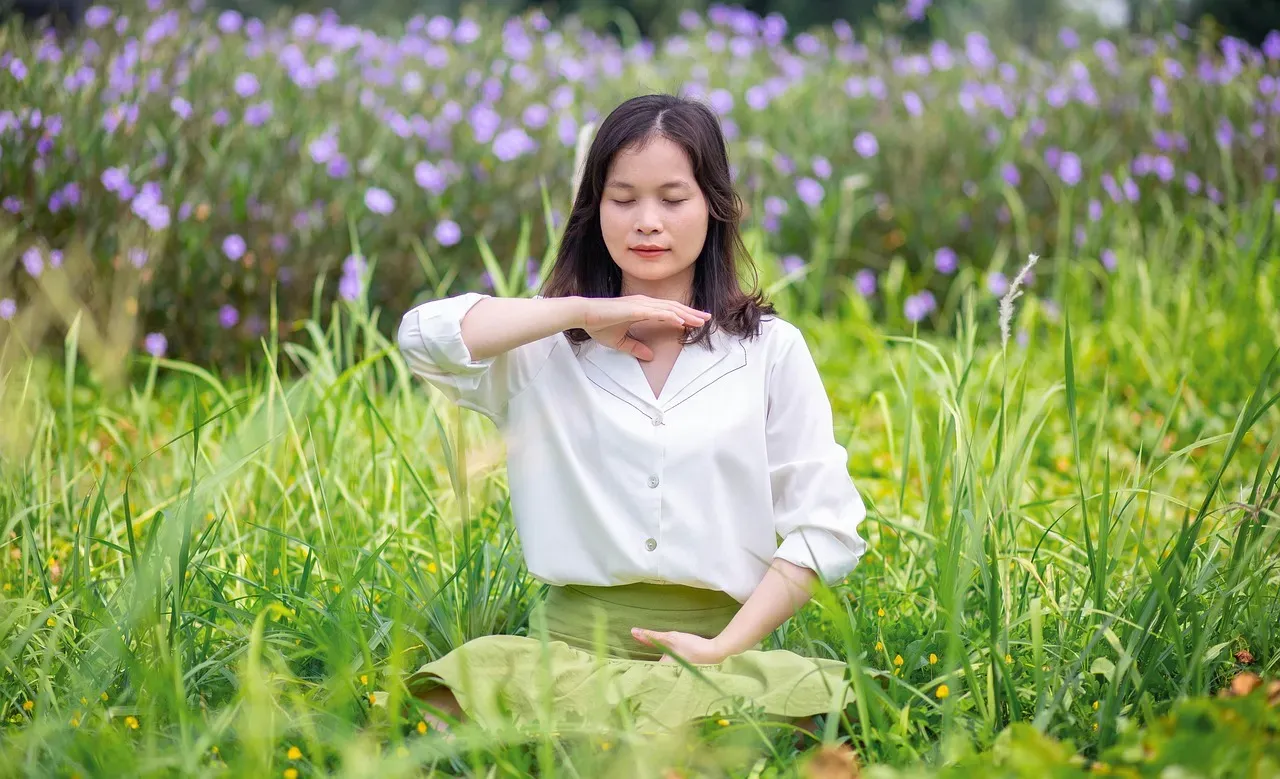
Individuals who practice mindfulness regularly experience lower levels of anxiety and depression and higher levels of happiness and emotional stability. Mindfulness has moved from ancient contemplative practice to mainstream psychological intervention for good reason.
The process of anxious and depressive thinking is characterized by mental time travel, and research shows that the more present we are, the happier we tend to be, even when the present moment isn’t pleasant or enjoyable. Mindfulness essentially interrupts rumination, that sneaky mental habit that zaps joy from your life.
Brain imaging studies reveal that regular meditation practice changes the structure and function of brain regions associated with attention, emotion regulation, and self-awareness. The medial prefrontal cortex, which plays a role in anxiety and depression, shows altered activity patterns in experienced meditators.
You don’t need to sit in lotus position for hours. Start with five minutes of focused breathing daily. When your mind wanders, which it will, gently bring your attention back to your breath without judgment. That’s the practice.
Engage in Acts of Kindness

Acts of kindness significantly reduced loneliness, stress, and conflict with neighbors in randomized controlled trials. There’s something genuinely powerful about helping others.
Acts of kindness, whether big or small, can significantly boost your happiness, and research shows that people who give to others experience increased happiness levels. The effect works through multiple mechanisms. Helping others activates reward centers in your brain, creating what researchers call the “helper’s high.”
Acts of giving are most effective when they meet specific criteria: it’s a choice, you connect with recipients by spending time with them, and you see the impact. Random acts of kindness work, but structured kindness where you witness the results appears even more powerful.
Start simple. Hold doors for strangers. Compliment someone genuinely. Volunteer for a cause you care about. Buy coffee for the person behind you in line. These small gestures compound over time, benefiting both recipient and giver.
Seek New and Diverse Experiences

New and diverse experiences are linked to enhanced happiness, and this relationship is associated with increased brain activity. Your brain thrives on novelty, even though routines feel comfortable.
People feel happier when they have more variety in their daily routines, when they go to novel places and have a wider array of experiences. The research here used GPS tracking and real-time mood reporting to demonstrate this connection. The findings held even after controlling for personality differences and baseline mood levels.
Experiences continued to boost happiness in the longer term, perhaps because we can look back on past experiences and recall the happiness we felt at the time. This gives experiences an advantage over material purchases in generating lasting satisfaction.
Try visiting a new neighborhood in your city. Take a different route to work. Try a cuisine you’ve never tasted before. Learn a skill that intimidates you slightly. Novelty doesn’t require expensive vacations or dramatic life changes.
Spend Time in Nature

Natural environments have measurable effects on mental wellbeing that researchers have documented across cultures. Green spaces reduce stress hormones, lower blood pressure, and improve mood states through both psychological and physiological pathways.
The more access to green space city dwellers had, the happier they were, and the positive relationship between green space and happiness was seen regardless of a country’s economic situation. There could be many reasons, including our innate appreciation for the beauty of natural spaces, the fact that green spaces encourage physical and social interaction, or the effect of nature on our physical health such as lowering blood pressure and stress levels.
The “nature dose” doesn’t need to be enormous. Studies show benefits from as little as twenty minutes in a park or natural setting. Forest bathing, the Japanese practice of immersing yourself in woodland environments, shows particularly strong effects on stress reduction and mood improvement.
If you live in an urban area with limited green space, even indoor plants or views of nature from windows provide measurable benefits. Honestly, the human brain appears hardwired to respond positively to natural environments.
Build Resources Through Positive Emotions

Positive emotions predicted increases in both resilience and life satisfaction. This finding supports what researchers call the broaden-and-build theory.
Participants who experienced frequent positive emotions became more satisfied because they built resources that help deal with a wide range of life’s challenges, and daily positive emotions predicted growth in ego-resilience, which then accounted for increases in global life satisfaction. It’s not just that happy people feel good in the moment.
In-the-moment positive emotions, and not more general positive evaluations of one’s life, form the link between happiness and desirable life outcomes. The small, daily experiences of joy, contentment, amusement, and interest accumulate to create lasting psychological resources.
Actively cultivate micro-moments of positive emotion throughout your day. Savor your morning coffee. Really taste it. Notice the sunset. Play your favorite song and actually listen. These aren’t trivial pleasures; they’re building blocks of resilience and wellbeing.
Set Meaningful Goals and Use Your Strengths

Setting and achieving goals gives us a sense of accomplishment, but it’s important to set realistic, achievable goals to avoid frustration, breaking larger goals into smaller, manageable tasks and celebrating progress along the way.
Strengths in positive psychology refer to internal capacities and values, and awareness and acknowledgment of such internal capacities help reduce symptoms of depression and increase self-contentment. Using your signature strengths in new ways creates a particularly powerful intervention.
Participants who engaged in exercises using their strengths for a week reported feeling happier and less depressed, and that happiness boost lasted up to six months. The effect works because you’re operating from a place of competence and authenticity rather than constantly trying to fix weaknesses.
Identify your top character strengths through assessments like the VIA Character Strengths survey. Then deliberately apply these strengths in different contexts. If curiosity is a strength, explore new topics or ask deeper questions in conversations. If kindness ranks high, find new ways to express compassion.
Conclusion

The science of happiness reveals something both empowering and demanding: your wellbeing isn’t entirely determined by circumstances or genetics. Research consistently demonstrates that deliberate practices can meaningfully improve your mood and life satisfaction. These aren’t magic fixes or instant transformations. They’re evidence-based strategies that work through specific neurobiological and psychological mechanisms.
Positive psychology interventions can be effective in enhancing subjective wellbeing and psychological wellbeing, as well as in helping to reduce depressive symptoms. The ten approaches outlined here represent some of the most robustly supported interventions from decades of research.
What matters now is implementation. Pick one or two strategies that resonate with you and commit to practicing them consistently for at least a month. Small, sustainable changes typically outperform ambitious overhauls that fizzle quickly. Your brain needs time to form new neural pathways and behavioral patterns. Which of these research-backed strategies will you try first?