You might think you’ve dressed to impress, but have you ever wondered if your outfit is sending the right message? Fashion has always been more than fabric and thread. Throughout history, clothing choices have told stories, reflected cultural shifts, and influenced how we perceive one another. What you choose to wear doesn’t just affect how others see you, it also shapes the dynamics of attraction and human connection in ways that might surprise you.
Our ability to create and wear clothes gives us an advantage in distinguishing ourselves from a crowd and demonstrating our individuality in an effort to find a mate. Yet sometimes, what seems fashionable to one person might raise an eyebrow with another. Let’s get into this fascinating territory where fashion meets psychology, and where gender perceptions collide with personal style choices. Be prepared to discover which wardrobe items might be silently sabotaging your romantic prospects.
High-Waisted Pants and the Perception Problem
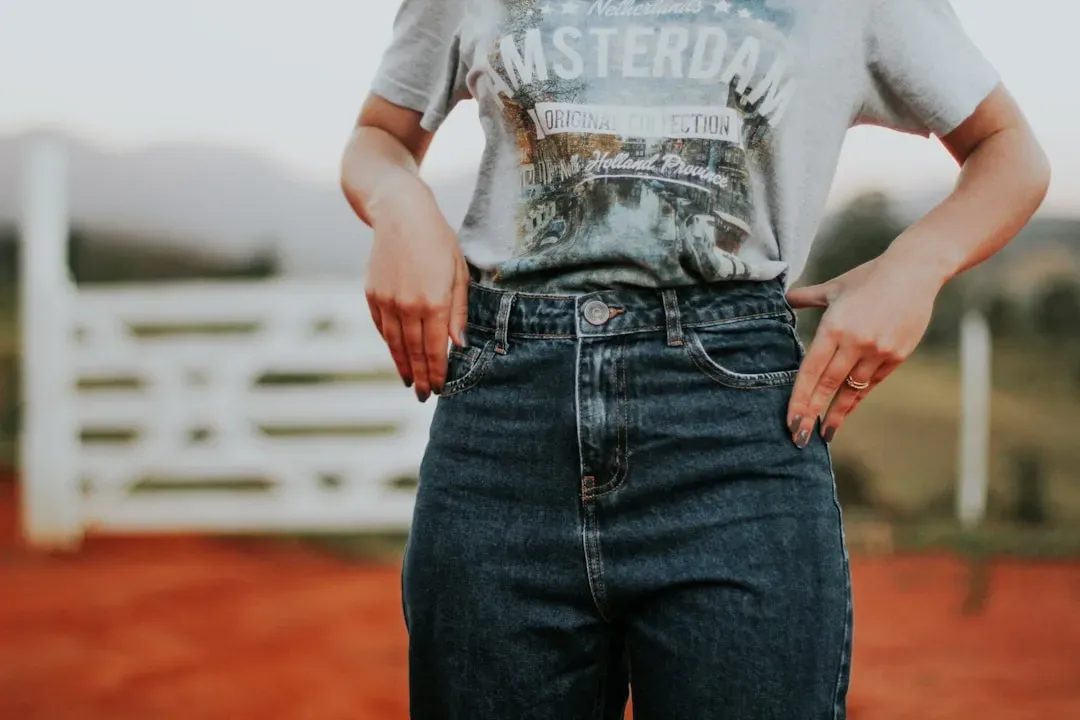
Men tend to dislike high-waisted pants, oversized clothing, and overly complicated fashion pieces. They’re generally into more straightforward, flattering fits. High-waisted trousers might feel comfortable and on-trend to you, but there’s something about them that doesn’t always translate well in the eyes of male observers. The issue isn’t just about the style itself but about how it alters the natural silhouette of your body.
Clothing can be perceived as an extension of an individual’s physical self and serves the purpose of modifying the body’s appearance. The way in which a person perceives their own physical appearance has a significant impact on their attitudes and preferences towards clothing. When high-waisted pants create an unusual proportion, they can confuse the visual flow that many find naturally appealing. It’s fascinating how a simple shift in where fabric sits on your body can completely change someone’s first impression of you.
Flared Trousers Making a Confusing Comeback
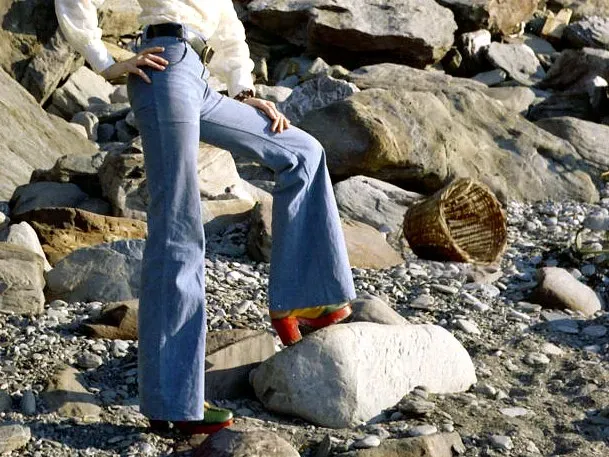
Here’s something that might shock you. When asked what items men dislike when worn by women, 87% of men picked flared trousers. Animal print follows closely, with a whopping 86% of men choosing these designs as a big turn-off. That’s nearly nine out of ten guys who aren’t fans of those bell-bottomed beauties you might be rocking.
The psychology behind this aversion runs deeper than you might think. Flared trousers hearken back to specific eras, and not everyone associates those periods with positive imagery. Sometimes vintage isn’t viewed as charming but rather as outdated. What you see as bohemian chic might read as costume-like to someone else. The disconnect happens because fashion doesn’t exist in a vacuum, it carries cultural baggage that different people interpret in wildly different ways.
Oversized Clothing and the Lost Silhouette
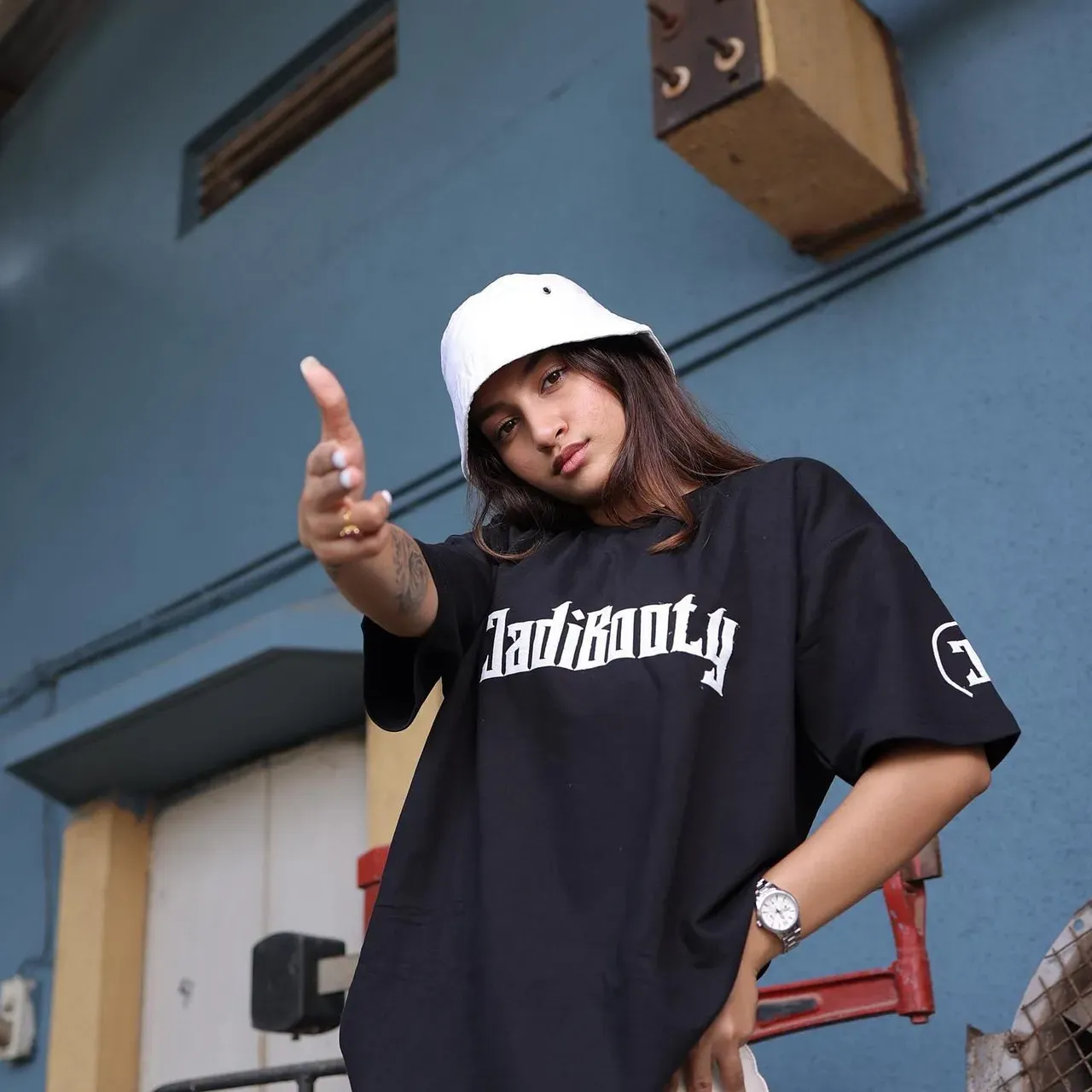
Oversized sweaters, baggy hoodies, and shapeless garments have dominated recent fashion trends. Oversized sweaters and retro sunglasses will decline further due to quality issues. While some trends like oversized sweaters show high search interest, they face criticism over durability and functionality. You might feel cozy and comfortable in your oversized outfit, but comfort doesn’t always communicate attraction.
Clothes have developed from a practical asset to a social marker. They affect the way we see ourselves. They help us to be seen in the light that we wish to be, and also exude our personalities and social status. When your clothing hides rather than highlights your natural form, it removes visual cues that humans have evolved to notice. Think about it like this: if someone wrapped a beautiful sculpture in a blanket, you’d lose appreciation for its form. Your body tells a story, and oversized clothing sometimes muffles that narrative.
Animal Print and the Fine Line Between Bold and Overpowering

Leopard spots, zebra stripes, and snake patterns make strong statements. Perhaps too strong. That astronomical 86% disapproval rating for animal prints isn’t a coincidence. There’s something about these patterns that registers as visually aggressive or attention-seeking in ways that can feel overwhelming rather than alluring.
The meaning of color varies depending on the motivations and mental states of perceivers. In this way, aesthetic preferences for color might emerge from functional preferences. The same principle applies to patterns. Animal prints carry associations with wildness, aggression, and dominance that might clash with the softer, more approachable energy many people prefer in romantic contexts. Cultural conditioning plays a massive role here, as does personal taste, but the numbers speak volumes about collective preferences.
Chunky Jewelry and Excessive Accessories
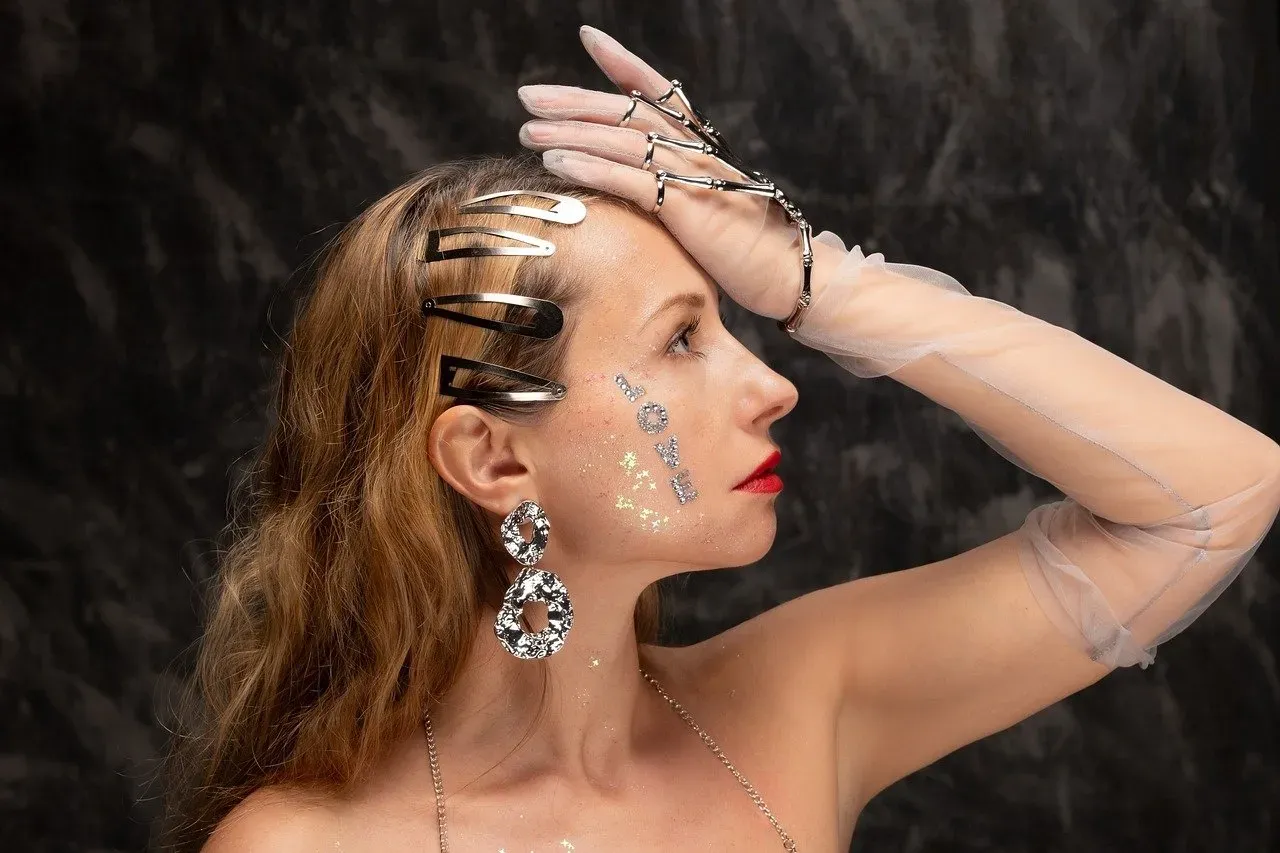
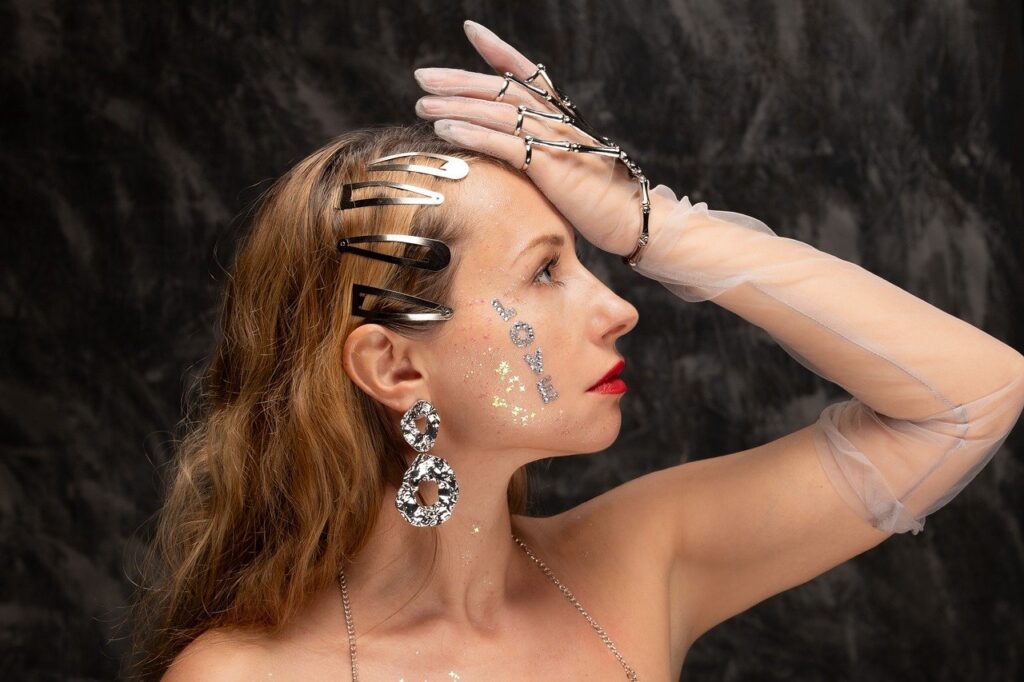
Many guys think big hats and chunky jewelry are too distracting or over-the-top. It often comes down to simplicity. They might prefer subtle, elegant accessories instead. There’s a delicate balance between adorning yourself and overwhelming your natural features. When jewelry becomes the focal point rather than an accent, it shifts attention away from you as a person.
Excessive accessories can create what psychologists call sensory overload. Your eye doesn’t know where to land first, and that confusion translates into discomfort. One of the most apparent things from a person’s fashion sense is confidence. If you are comfortable in your own skin and have a strong mind, you will be able to pull any outfit off. However, when accessories dominate, they can signal insecurity rather than confidence, as though you’re hiding behind decorative armor.
Bold Makeup Clashing with Natural Beauty

Many men prefer a more natural look when it comes to makeup. They often think bold makeup clashes with outfits and hides your natural beauty. This preference isn’t about controlling how you present yourself, it’s rooted in something more fundamental about human perception and attraction. Heavy makeup creates a barrier, quite literally, between your authentic self and how others perceive you.
Clothing choices can also impact mood and self-perception. Research suggests that wearing clothing associated with positive attributes or personal goals can evoke corresponding emotions and bolster self-esteem. The same applies to makeup. When cosmetics become a mask rather than an enhancement, they can inadvertently communicate that you’re uncomfortable with your natural appearance. Authenticity registers powerfully in human interactions, and anything that obscures it creates psychological distance.
Jumpsuits and the Mystery Men Can’t Solve
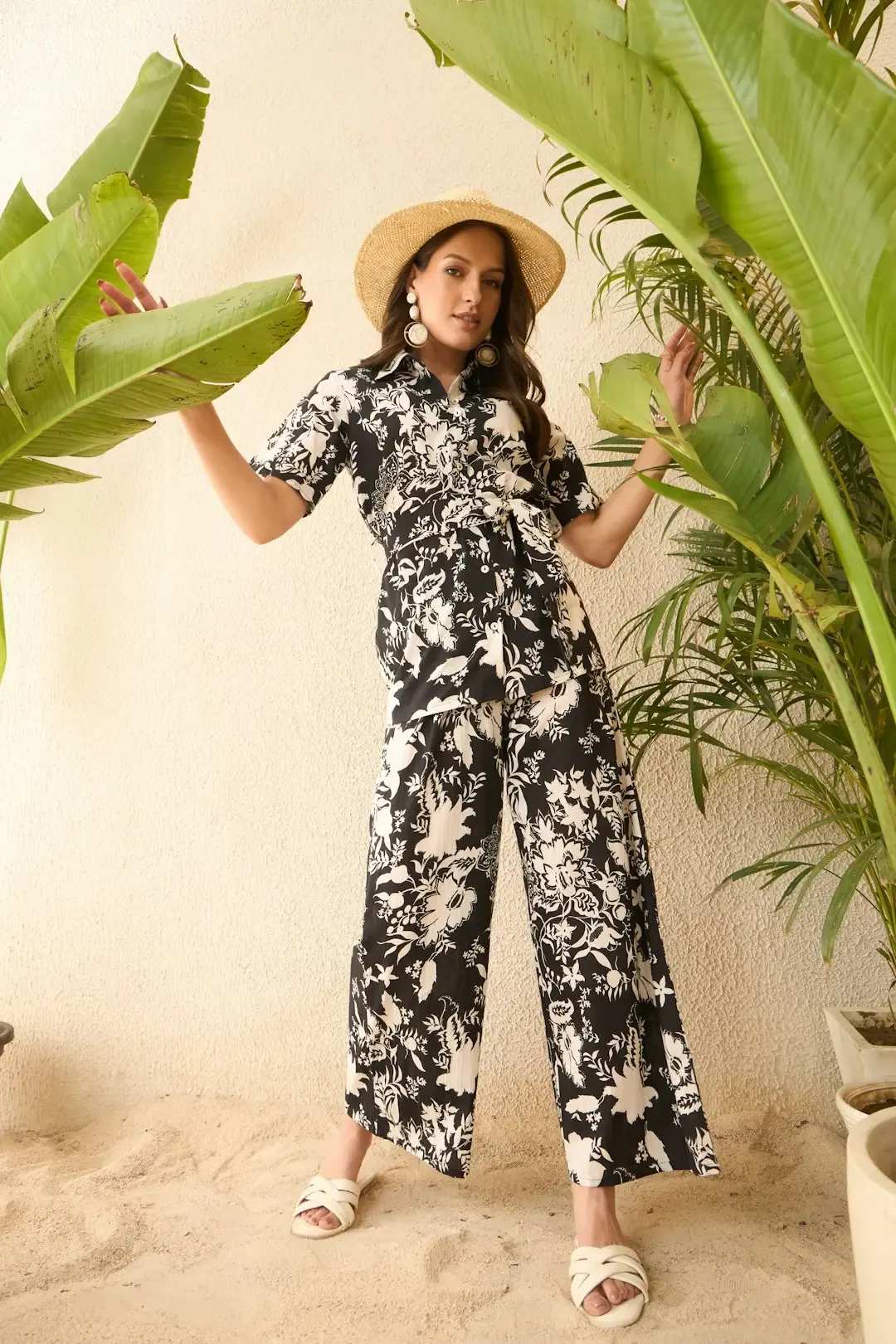
Guys don’t really get jumpsuits; they see them as kind of stylised work clothes or boiler suits, even if they do help to show off your natural curves! There’s something genuinely confusing about one-piece garments that don’t fit traditional categories men have been conditioned to understand. Is it formal? Is it casual? The ambiguity creates cognitive dissonance.
Fashion has evolved rapidly, but perception changes more slowly. Jumpsuits occupy this awkward space between different clothing categories that have historically carried clear social meanings. Fashion forms a major part in the construction of a social identity. It is an indication of how people in different eras showcased their positions and status boundaries. The most visible marks of social status and gender has been broadly showcased by Fashion. When a garment defies easy categorization, it disrupts the mental shortcuts people use to process visual information, leading to uncertainty rather than appreciation.
Excessively High Heels Walking the Wrong Line
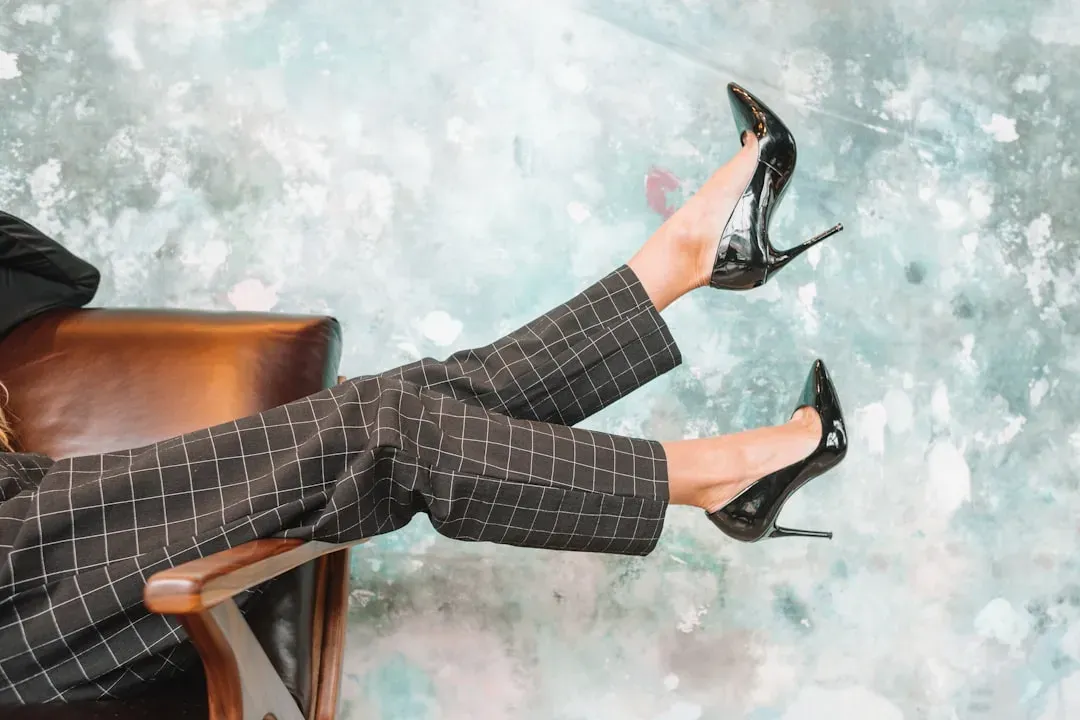
While over-the-knee boots don’t make the list, they are replaced by excessively high heels at 79% and loafers at 61%. Nearly eight out of ten men have reservations about extremely tall stilettos. The reasoning touches on multiple factors, from concerns about comfort to associations with specific contexts that might not align with everyday attraction.
Extremely high heels alter your posture and gait in ways that can appear uncomfortable or impractical. Posture and the way in which people moved influenced perceptions of their masculinity or femininity, which was intrinsically linked to their judgement of their attractiveness. When footwear forces an unnatural stance, it can register as inauthentic or performative rather than genuinely appealing. There’s also something to be said for the implied message: shoes that make walking difficult might communicate priorities that don’t resonate with everyone.
Floppy Hats Creating Distance Rather Than Allure
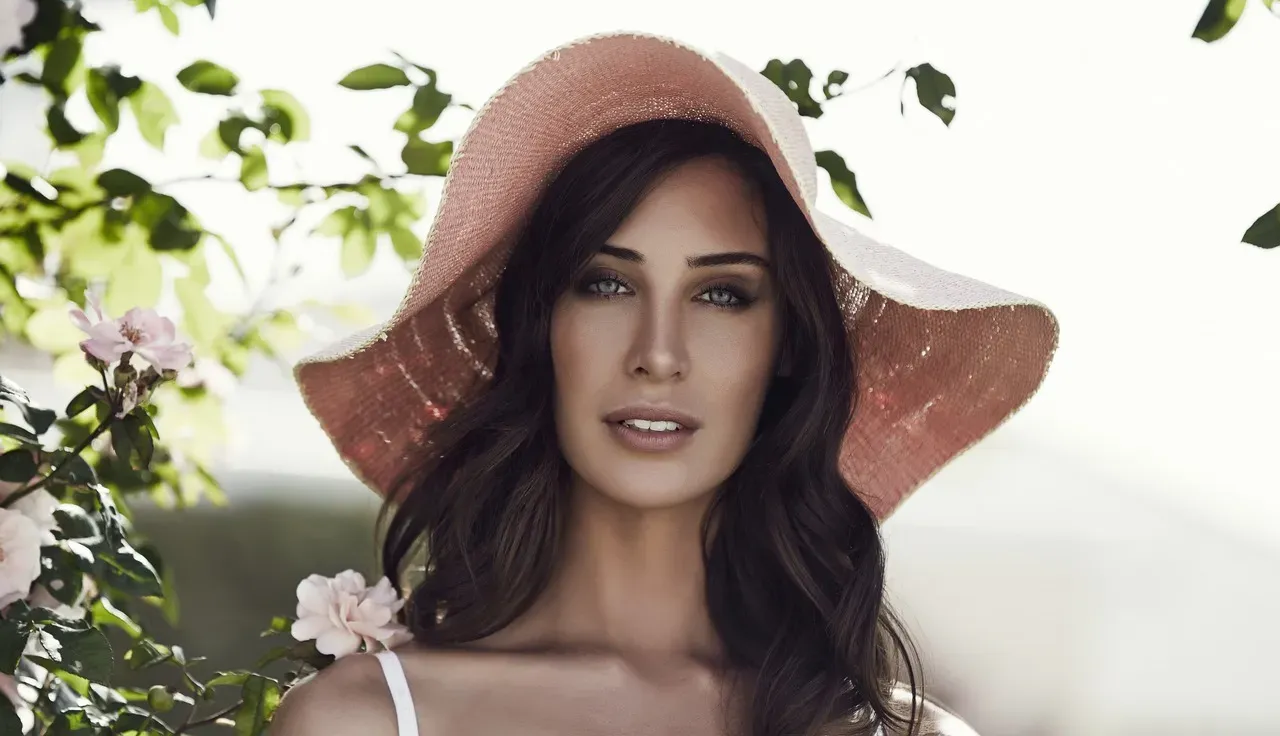
Floppy hats are another fashion trend that evoke a more old fashioned image in a guy’s mind. They don’t tend to understand nods to the 20s and 30s. Wide-brimmed, dramatic hats might feel glamorous to you, but they create literal and metaphorical barriers. They come across as impractical and excessive. They might see it as a barrier to intimacy, feeling that the prominent hat creates a sense of distance rather than an inviting look.
The clothes we wear send powerful signals to our peers and strangers, projecting the self image of us that we want to display. Yet, how many of us truly understand the psychology of how people in the street or office interpret our wardrobe choices, and how this impression might differ to the one that we believe we’re conveying to them? An array of psychological surveys have revealed the true impact of clothing choices on the way in which we perceive and judge each other. Large hats physically obstruct eye contact and create visual separation, working against the closeness that fosters connection. Fashion should facilitate interaction, not hinder it.
Finding Balance Between Expression and Connection
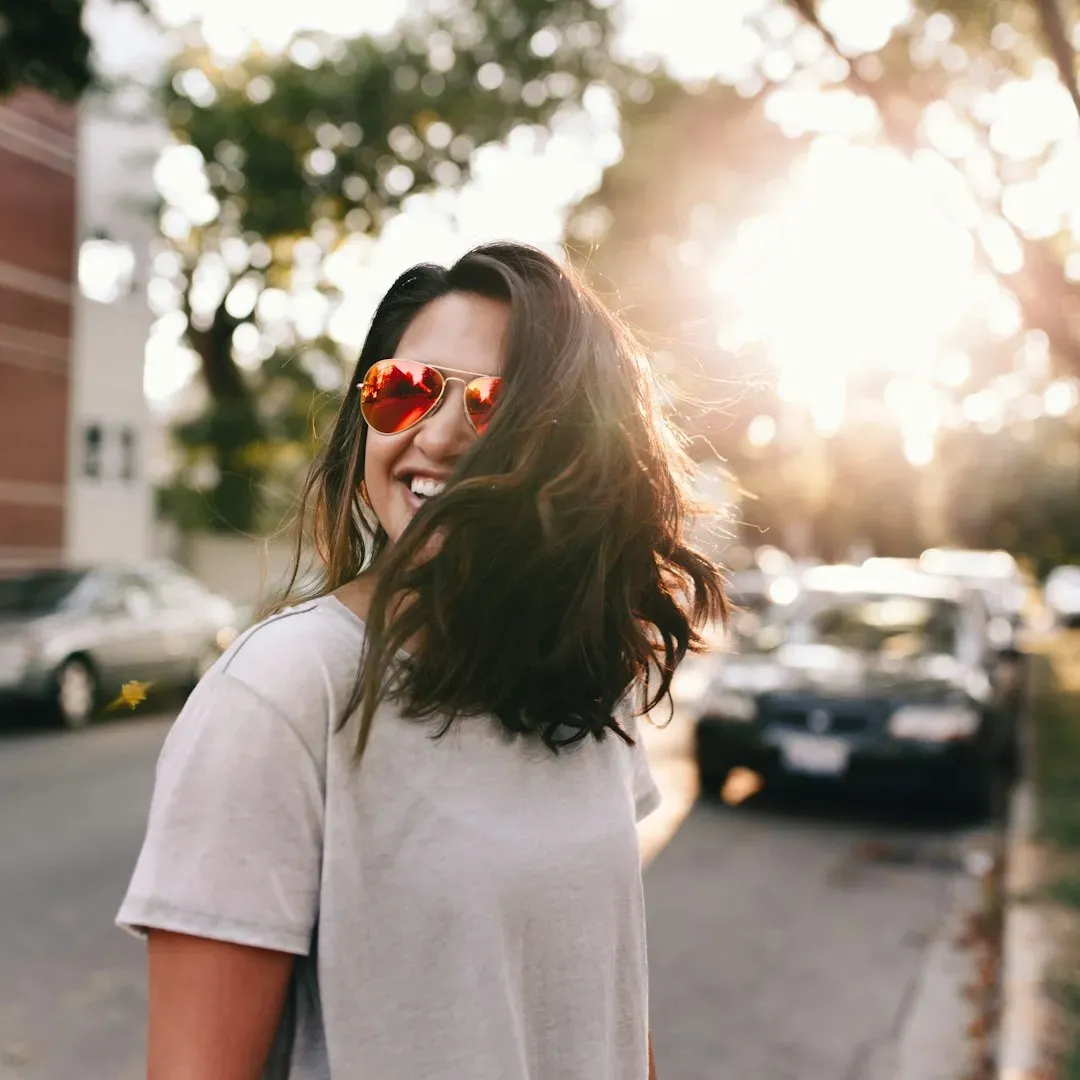
Here’s the truth that matters most: you should dress for yourself first. Rather than attempting to please others, wear what makes you feel good and let anyone else like it or lump it. If you look good in your opinion, then you will feel good. Personal style is exactly that, personal. Understanding how others perceive certain choices doesn’t mean you should abandon what you love.
It is important to acknowledge the significance of clothing choices, irrespective of gender. Fashion choices can have a profound impact on self-perception, the image a person projects to others, and consequently, the way people interact. In fact, they can influence a wide range of scenarios. The most attractive quality anyone can wear is genuine confidence and authenticity. When you feel amazing in your outfit, that energy radiates outward, and people respond to that positive force far more than they respond to any specific garment.
Fashion tells the story of who we are across time and culture. What seems unappealing to some might be exactly what draws others to you. The key is awareness, not conformity. Now that you know which items tend to create barriers rather than bridges, you can make informed choices about when to wear them and when to opt for something different. What surprises you most about these preferences? Did any of these make you reconsider your wardrobe choices?