Life doesn’t follow a script. You’ve probably noticed that by now. Sometimes you’re sailing through with everything clicking into place, and then suddenly you’re hit with something completely unexpected. Maybe it’s a job loss that shakes your confidence. Perhaps it’s a relationship that falls apart after years of investment. Or it could be a health scare that makes you rethink everything.
The question isn’t whether adversity will show up at your door. It will. The real question is what you do when it arrives. Some people seem to recover quickly, while others get stuck in a cycle of frustration and self-doubt. The difference often comes down to resilience – that ability to adapt and keep moving forward even when life knocks you sideways. Let’s explore the practical strategies that can help you navigate through tough times and emerge stronger on the other side.
Change Your Relationship with Failure
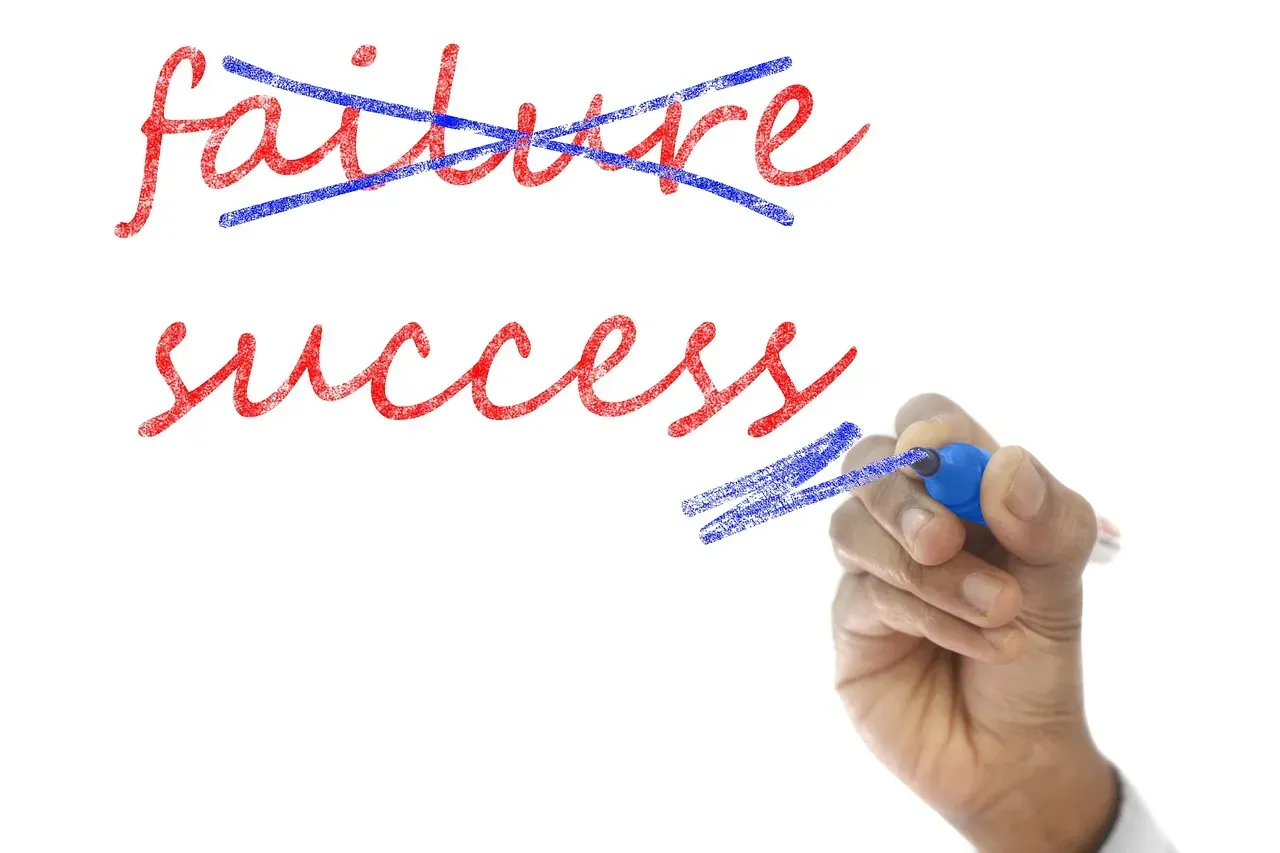
Viewing setbacks as nothing more than failed experiments can fundamentally shift how you process disappointment. When you think about it, Thomas Edison didn’t sit around beating himself up after his light bulb attempts didn’t work. He kept adjusting and learning. You can adopt that same mindset in your own life.
Research suggests that dwelling on perceived failures only makes you more depressed. The faster you can let go of what didn’t work, the less time you waste spinning your wheels. Try seeing your life as a laboratory where you’re constantly experimenting and gathering data. See your life as a laboratory, where setbacks teach you what not to do so you can regroup and try again.
Stop using words like “catastrophic failure” when something goes wrong. Try using words like “minor setback” instead, and make your mantra “I’ll seek success” rather than “I’ll try not to fail.” This simple language shift redirects your energy toward possibilities rather than pitfalls.
Practice Self-Compassion Instead of Self-Criticism

When things go wrong, you probably have a voice in your head that starts criticizing everything you did. That voice isn’t helping you recover – it’s keeping you stuck. After a setback, it’s normal to experience feelings of guilt, anger, embarrassment, or sadness, so try meeting those feelings with acceptance and self-compassion by being kind to yourself while offering words of reassurance and comfort.
Practice self-compassion by focusing on small wins and reminding yourself that you are deserving of love and happiness even when you’re not feeling or performing your best, because everyone faces setbacks at some point – it’s universal to the human experience.
Honestly, you’d never talk to a friend the way you probably talk to yourself during difficult times. Treat yourself with the same kindness you would offer to a friend in a similar situation, as this self-compassion can help mitigate negative feelings and foster a healthier mindset. The next time you catch yourself in a spiral of self-blame, pause and ask what you’d tell someone you care about in the same situation. Then say that to yourself instead.
Build and Lean on Your Support Network

Building resilience isn’t something we do alone, as our relationships with friends, family and colleagues play a vital role in helping us navigate tough times – it’s not just about having trusted people in our lives, it’s about actively connecting with them. You might feel like withdrawing when things get tough, but that’s exactly when you need people most.
Research shows that having a good support network can help to build resilience and make stress easier to manage. Your network doesn’t have to be huge. A few genuine connections matter more than dozens of superficial ones. Think about who makes you feel understood, who offers practical help, and who just sits with you when words aren’t enough.
Sometimes telling the people close to you how you’re feeling can make a big difference, as they might be able to help with some of the things causing you stress. Don’t underestimate peer support either – connecting with others who’ve faced similar challenges can provide both comfort and practical strategies you haven’t considered.
Reframe Setbacks with the Three Ps
Your attitude shapes how quickly you . Some people think you’re either naturally pessimistic or optimistic without much ability to change, but the truth is optimism is based on how we make sense of what happens to us.
Some positive psychology researchers describe optimism as the three Ps: Personalization – acknowledge your efforts and successes and understand setbacks involve multiple factors; Pervasiveness – view setbacks as disappointing in one area of life rather than defining your identity; and Permanence – recognize hardships as temporary and changeable, focusing on positive qualities and potential for improvement.
Consider the three P’s when thinking about how to overcome setbacks: Will this matter as much in the next two months or in a year (Permanence)? Does this affect your whole life or just one part, and who or what reminds you that your life is bigger than this moment (Pervasiveness)? How can you try to prepare better next time for the things you can control while being careful not to take responsibility for things you can’t control (Personalization)?
Focus on What You Can Control

When decisions feel out of your control, it’s easy to feel like you’re drifting, but focusing on what you can control and recognizing your ability to shift direction can be incredibly empowering. This doesn’t mean ignoring the bigger problem – it means identifying the specific actions within your reach.
Adaptability is flexibility and creativity, and resilient people are often flexible and creative in the face of stress; when we are adaptable, we are more likely to feel in control of our situation, which can help us feel more resilient. Maybe you can’t control whether you get hired for that dream job, but you can control updating your resume and practicing your interview skills.
It is what it is – so choose to embrace the setback without accepting it as a permanent roadblock; consider what you can change and do something, while at the same time accepting the things you cannot change. When you’re faced with a situation that’s out of your control, write a list of things you do have control over. This simple exercise shifts you from helplessness to agency.
Develop Strong Self-Care Routines

Prioritizing self-care helps to reduce stress, enhance emotional well-being and maintain a positive outlook; by investing in self-care practices like getting plenty of sleep and doing things you enjoy, you “fill your tank” so when tough times come around, you’re not facing them “on empty.” Physical and mental health aren’t separate – they’re deeply connected.
Take care of yourself physically by eating nutritious food, getting enough exercise and prioritizing the sleep you need, because stress also affects our body, and caring for it helps us adapt to stress, reduce its effects and boost mental health.
Regular physical activity releases endorphins, which help reduce stress and improve mood, while relaxation techniques like deep breathing, meditation, or yoga can help calm your mind and reset your emotions. You don’t need an elaborate wellness routine. Even a fifteen-minute walk or a few deep breaths can make a measurable difference in how you handle stress.
Set New Goals and Find Purpose
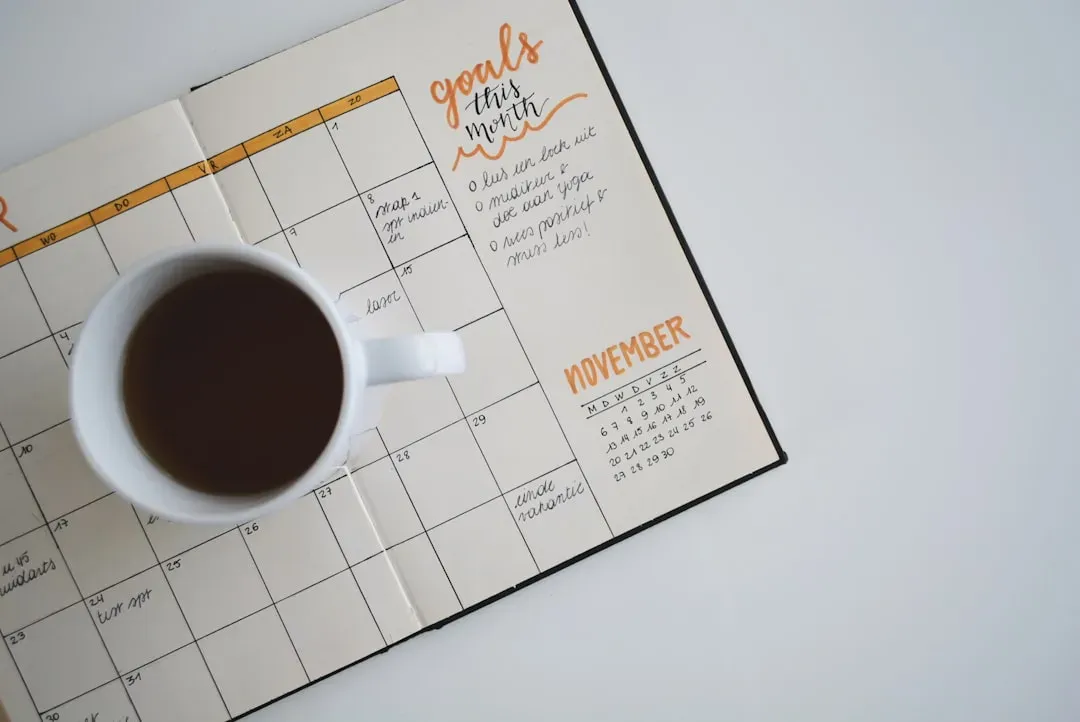
Another resilience strategy is setting a new goal – maybe you want to hone a new skill, find a different job, start dating again, or mend a relationship, or perhaps there’s a hobby, cause, or interest you’ve neglected; working toward a goal can help you refocus on your values and inspire you to move forward.
Knowing your “why” can help you stay grounded during difficult times. Purpose doesn’t have to be some grand mission – it can be as simple as being there for your kids, contributing to your community, or mastering a skill you’ve always wanted to learn. Even if life throws curveballs, you can still move towards your long-term goals; staying connected to these goals and making forward progress can help boost your resilience and keep you rooted in your purpose, despite dealing with a tough time.
When setbacks derail your original plans, don’t abandon your goals entirely. Adapt them. Maybe a setback will slow down the speed at which you climb to the top of your mountain or force you to modify your plan, but adapt and move forward knowing that your goal need not change when the road changes.
Learn from Experience and Seek Growth

When faced with setbacks in life, finding the learning opportunity is one of the healthiest coping strategies; conducting a “situational analysis” helps turn a seemingly negative situation into a positive one. Every challenge contains lessons if you’re willing to look for them.
After the event, take time to reflect on your performance by identifying specific areas for improvement and focusing on actionable steps for future growth; this reflection should be constructive rather than dwelling on the missed goal. What did the situation reveal about your strengths? What skills do you need to develop? What would you do differently next time?
Every mistake has the power to teach you something important, so look for the lesson in every situation. A growth mindset involves believing that abilities and intelligence can be developed through effort and learning; this outlook encourages individuals to see setbacks as opportunities for improvement rather than fixed failures, and when facing adversity, those with a growth mindset are more likely to persist, reframe problems, and adapt their strategies.
Conclusion
Bouncing back from adversity isn’t about pretending everything’s fine or forcing positivity when you’re genuinely struggling. It’s about developing practical skills that help you adapt, process difficult emotions, and keep moving forward even when the path gets rocky. These eight strategies aren’t quick fixes – they’re tools you build over time through practice and self-awareness.
Resilience is like a tree that bends and flows with the winds and storms – it’s that tree’s ability to bounce back from the stress of adverse conditions; while we can’t stop the storms of life, the question is how we will bounce back from them. You already have more resilience than you probably give yourself credit for. The fact that you’re reading this means you’re actively looking for ways to strengthen yourself.
Start with one or two strategies that resonate most with your current situation. Maybe it’s reaching out to someone in your support network today, or maybe it’s reframing that recent disappointment using the three Ps. Small, consistent actions compound over time. What matters most is that you keep showing up for yourself, even when it’s hard. What’s one small step you could take today toward building your resilience?