

Have you ever noticed how some people seem to read you like a book? They pick up on things you didn’t even realize you were doing. Here’s the thing: your everyday habits are like tiny windows into who you really are. The way you walk, how you handle your phone, even the speed at which you eat all tell a story about your inner world.
Your daily actions share clues about your personality, and these tiny little things add up over time to give a good picture of who you are and what motivates you. Psychology has shown us that nearly 40% of our daily actions are habitual, performed almost automatically. These aren’t just random behaviors. They’re revealing patterns that expose your deeper traits, fears, and values without you saying a single word. Ready to discover what your small habits might be broadcasting to the world? Let’s dive in.
How You Walk Speaks Volumes About Your Confidence

Your walking style is one of the first things people notice about you, whether you realize it or not. Someone who walks with a measured, even stride and with their head up conveys a confident personality and tends to be socially adept and open. There’s a reason politicians and celebrities adopt this purposeful stride. It projects power and self assurance to everyone watching.
On the flip side, your gait can reveal vulnerability too. Walking with a “caved-in” posture – shoulders slumped, head down, curled in – shows that you’re feeling vulnerable. Think about how you move through space when you’re anxious versus when you’re feeling great. The difference is striking, right? We associate looser gaits with extroversion and adventurousness, and see clipped walkers as more neurotic.
The Way You Eat Reveals Your Approach to Life

Here’s something you might not have considered. Your eating habits are deeply connected to your personality traits. Slow eaters generally like to be in control and know how to appreciate life, while fast eaters tend to be ambitious, goal-oriented, open to new experiences, and often impatient. It’s kind of fascinating when you think about it.
Adventurous eaters probably like to step out of their comfort zones, while picky eaters are likely neurotic in different areas of their lives. Ever notice someone who meticulously separates foods on their plate? Those who separate different foods on their plate are inclined to be detail oriented and disciplined. Your relationship with food mirrors your relationship with life itself.
Your Handshake Can Make or Break First Impressions

Let’s be real, handshakes matter more than most people think. Participants with firmer handshakes described themselves as more emotionally expressive, extroverted, and positive than others. That split second of physical contact tells the other person whether you’re confident or uncertain, engaged or distant.
Those with looser grips were more shy and neurotic, and judges’ first impressions correlated with this – they agreed that the participants with firmer handshakes were more confident and less socially anxious. Your grip literally shapes how people perceive you within seconds of meeting. Make it count.
What Your Email Style Says About Your Inner World
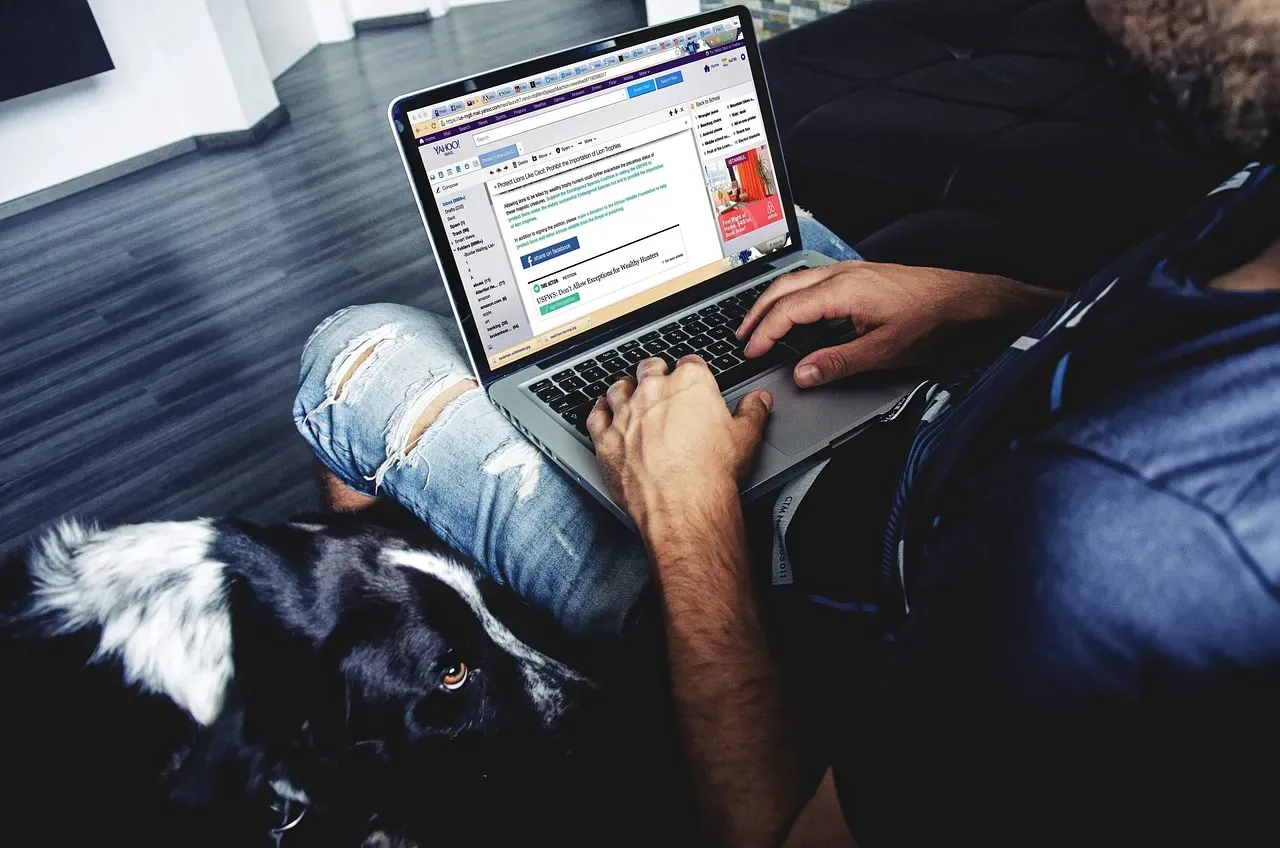
There is a strong connection between our email persona and our real-life character. The words you choose, how often you make typos, and even the length of your messages all reveal personality traits you might prefer to keep hidden. Narcissists will generally use words such as “I,” “me,” and “mine” frequently, while extroverts tend to be more casual and talk about fun-related things, like music and parties.
An absence of typos is a sign of someone’s conscientiousness, perfectionism and potential obsessions, whereas poor grammar indicates lower levels of IQ and academic intelligence. Interestingly, long emails reflect energy and thoroughness, but also some degree of neediness. Your digital communication is a personality fingerprint.
Punctuality Patterns Reflect Core Character Traits
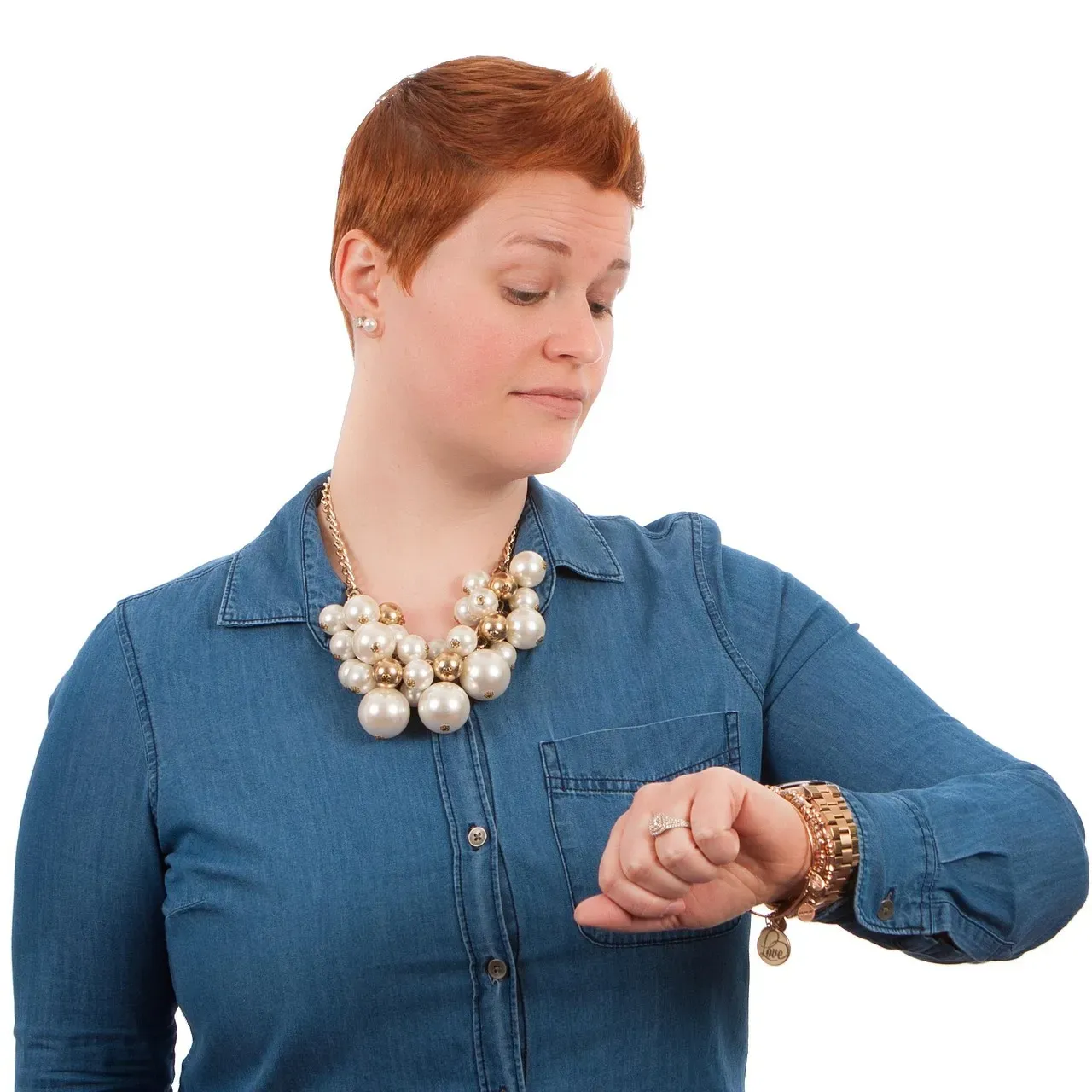
Are you always early, right on time, or fashionably late? This isn’t just about time management. Punctual people were more conscientious and agreeable; being early was connected to neuroticism. If you’re chronically early, you might be carrying more anxiety than you realize.
Those who are chronically late tended to be more laid-back. Those who are chronically late are probably more laid-back, “Type B” individuals. Your relationship with time reveals whether you’re driven by worry, relaxation, or conscientiousness. It’s a window into how you prioritize others and manage stress.
How You Treat Service Workers Reveals Your True Character

Pay attention to this one because it matters immensely. Kindness toward perceived “inferiors” is a reliable proxy for overall empathy and respect – the so-called Waiter Rule. Because there is no strategic upside in these interactions, genuine decency (or its absence) shows through unfiltered. When there’s nothing to gain, your true colors emerge.
Someone who makes eye contact with servers, uses their name, and says genuine thank yous? That’s someone with consistent character. A simple “please” and “thank you” often reflects respectful behavior that shows up elsewhere too. Conversely, dismissive or entitled behavior in these moments reveals a person who views others hierarchically. Character shows most clearly when nobody important is watching.
Your Phone Habits During Conversations Say Everything

Phone behavior is character behavior in our digital age. Someone who can’t resist checking their device mid-conversation is communicating priorities clearly. Whatever’s on that screen matters more than the human in front of them. This hits hard because we’ve all been guilty of it at some point.
Sure, emergencies happen. There’s a difference between explaining “I need to keep an eye on this today” and habitually treating every ping as urgent. If you’re constantly glancing at your screen during face to face time, you’re telling the other person they’re not your priority. Presence is respect, and your phone usage reveals how much you truly value the person in front of you.
Body Language Patterns You Can’t Fake

Standing or sitting upright generally communicates high levels of focus, interest, and attention. Conversely, slouching, being hunched over, or holding one’s chin with the palm of a hand tends to convey fatigue, annoyance, disinterest, or boredom. Your posture is like a truth serum for your emotional state.
Confident body language is seen in an upright, extended posture – when a person takes up more space than their body size. For example, arms are open (no blocking behaviours) or extended to some degree. Think about how you hold yourself in different situations. Are you making yourself small or claiming your space? Your body never lies about how you truly feel.
Nervous Habits That Expose Perfectionism
People who compulsively tugged on their hair or bit their nails tended toward perfectionism, and their actions are a result of trying to soothe boredom, irritation, and dissatisfaction. These body focused repetitive behaviors aren’t just random tics. They’re coping mechanisms for uncomfortable feelings.
Because it feels better to do something instead of nothing, repetitive behavior proves comforting. If you find yourself picking at your nails during meetings or twirling your hair while thinking, you’re likely a perfectionist struggling with the gap between how things are and how you want them to be. These tiny actions reveal an internal drive for control.
Handwriting Reveals Thousands of Personality Traits
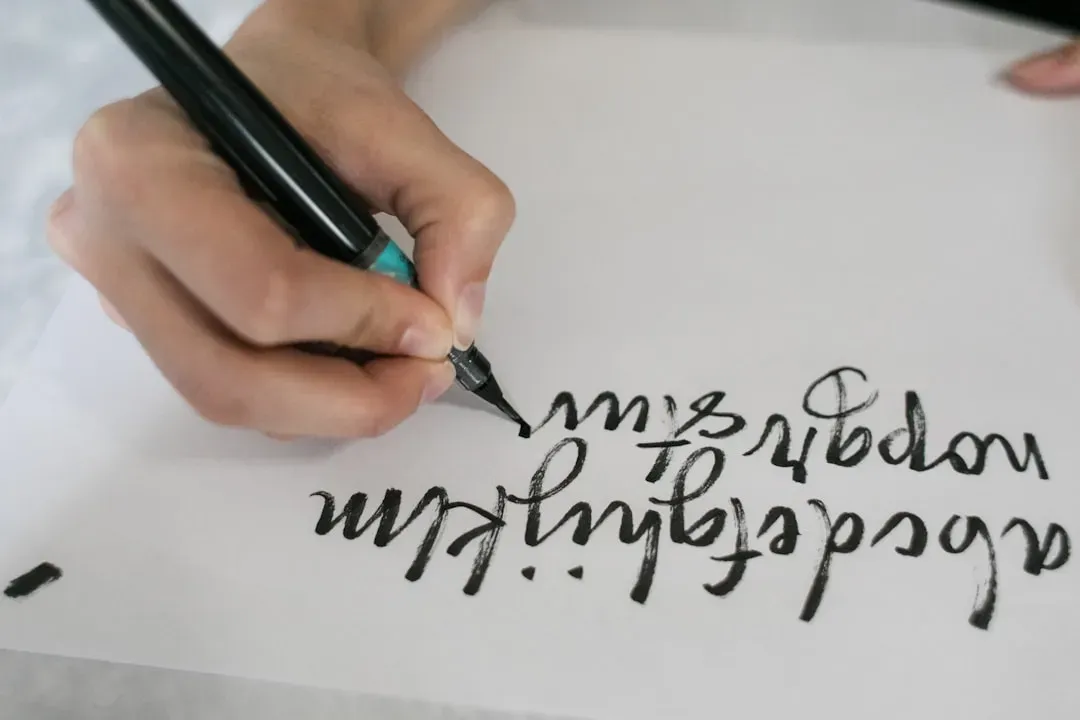
Using a computer program to analyze a person’s handwriting could predict their personality type with about 80% accuracy. Honestly, this is pretty remarkable. Handwriting experts say they can detect more than 5,000 personality traits from your scrawl. The size of your letters, the pressure you apply, and the slant of your writing all tell a story.
People who write large are people-oriented and attention-seeking, whereas those with small handwriting are introverted and are capable of acute concentration. Writing with a slight right slant means you’re friendly and impulsive; a left slant means you’re reserved and individualistic. No slant suggests you’re logical and pragmatic. Your pen strokes are personality markers you leave on every page.
How You Handle Mistakes Reveals Emotional Maturity

The ability to say “I was wrong” without your ego crumbling reveals emotional maturity and self-security that goes deep. Most people instinctively defend themselves when challenged. Admitting fault without deflecting takes genuine self awareness and strength.
Notice how some people immediately blame external factors when something goes wrong. People with strong evidence of self awareness respond to errors with phrases like “I missed that” or “I made a mistake” rather than “That wasn’t my fault” or “You didn’t explain it clearly.” The way you own your mistakes reveals whether you’re growing or stagnating. Accountability is a sign of maturity, while deflection signals insecurity.
Your Footwear Choices Broadcast Your Personality
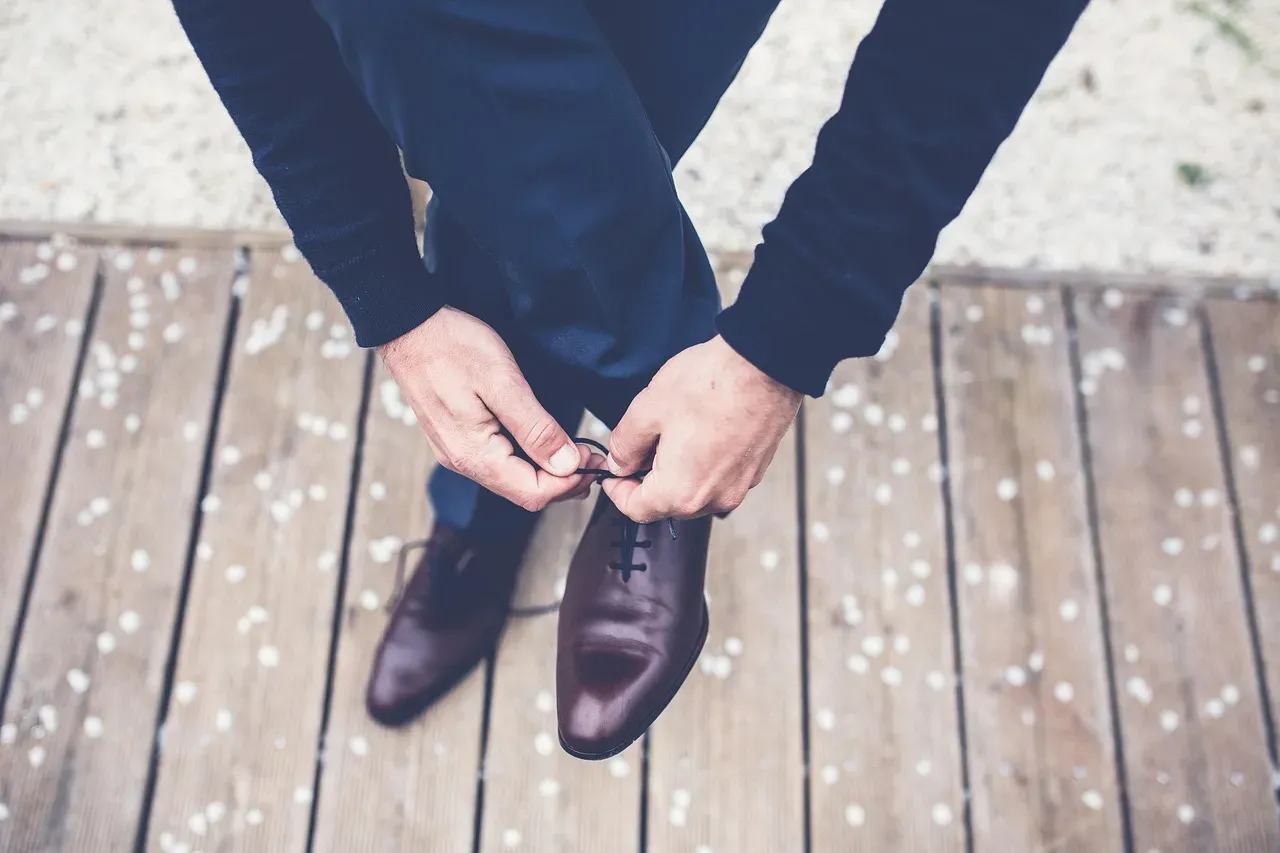
Would you believe your shoes reveal aspects of your personality? Another group gazed upon photos of shoes and then described the personality of the wearer – and they were remarkably accurate. They gauged the age, income and attachment anxiety of someone based solely on the shoes. This seems almost magical, right?
People who wear comfortable shoes tend to be relatively agreeable. Ankle boots are generally worn by those who are more aggressive. Wearing uncomfortable shoes implies that you’re more of a calm person, while those with new and well-maintained footwear have a more anxious or clingy persona. The shoes you choose each morning reflect your priorities, insecurities, and approach to life.
How You React to Others’ Success Reveals Your Self Worth

Can you genuinely celebrate when someone else wins? The reaction when you succeed reveals whether someone can be genuinely happy for others–or does he make it about him? Quiet jealousy, backhanded compliments, or minimizing someone else’s win shows deep insecurity. Secure people have room to celebrate others without feeling diminished.
If you find yourself immediately comparing your achievements to others’ or feeling threatened by their success, that’s revealing something about your internal state. People with genuine self worth don’t feel smaller when others grow bigger. They recognize that someone else’s victory doesn’t diminish their own value. Your reaction to others’ happiness is a mirror reflecting your relationship with yourself.
Small Acts of Consideration Nobody Asked For
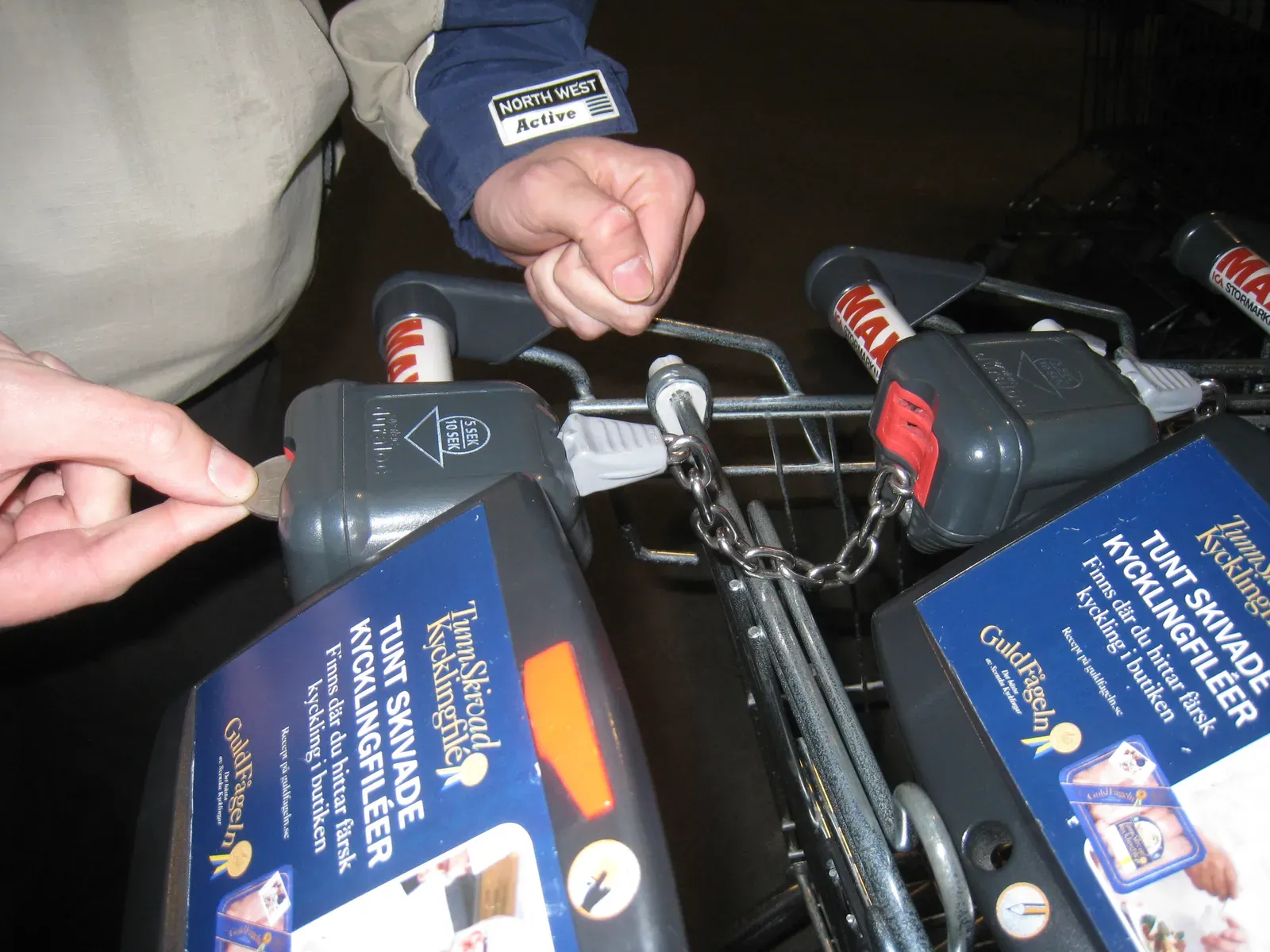
Think about the person who puts their chair back after using it or returns their shopping cart to the designated spot. It’s a simple gesture that might mean you’re careful, attentive, empathetic, responsible… and that you care about leaving the world a little better than how you found it. These unrewarded actions reveal character more than any grand gesture.
True character is revealed in the small, everyday decisions we make when no one is watching. Those who put the chair back tend to be here (or at least, more present). They know where they are. And what they’re doing. These seemingly insignificant habits reveal whether you think beyond yourself and consider how your actions affect others. They’re indicators of mindfulness and genuine consideration.
Conclusion: Your Habits Are Your Autobiography

Every single day, you’re writing your story through thousands of small choices and unconscious behaviors. The beautiful thing about understanding these patterns is that awareness creates opportunity. Once you recognize what your habits reveal, you can decide which ones align with who you want to be and which ones you’d like to change.
Your personality isn’t fixed. It’s shaped by the habits you practice repeatedly. Small, consistent changes create profound transformations over time. By taking control of your habits, you take control of who you become. So what do your daily habits say about you right now? More importantly, what habits will you choose tomorrow to become the person you aspire to be? Take a moment to reflect on that.