

You’ve probably been in a conversation where the other person was physically present but mentally miles away. Frustrating, isn’t it? The truth is, most of us think we’re better listeners than we actually are. We hear words, sure, but genuinely listening goes way beyond that surface level.
Active listening isn’t just about staying quiet while someone else talks. It’s about truly absorbing what they’re saying, understanding their emotions, and responding in a way that shows you care. This skill can transform your relationships, boost your career, and make people actually want to talk to you. Ready to become the kind of listener people seek out? Let’s dive into six practical strategies that’ll change how you connect with others.
Give Your Full, Undivided Attention

Put down your phone. Close your laptop. Turn away from that TV playing in the background. Sounds simple, right? Yet this might be the hardest strategy to actually implement in our distraction-soaked world. When you’re in a conversation, your attention is the most valuable gift you can offer someone. If you’re scrolling through messages or glancing at notifications, you’re basically telling the other person they’re not worth your time.
Here’s something interesting: people can tell when you’re not fully present, even if you think you’re hiding it well. Your eyes wander, your responses become generic, and your body language screams disinterest. Try this next time you’re talking with someone: face them directly, make natural eye contact, and let everything else fade into the background. You’ll be amazed at how much more you pick up on, not just their words but their tone, hesitations, and unspoken feelings. It’s honestly a bit like turning up the volume on a conversation you’ve been listening to at half-strength your whole life.
Show You’re Engaged Through Body Language
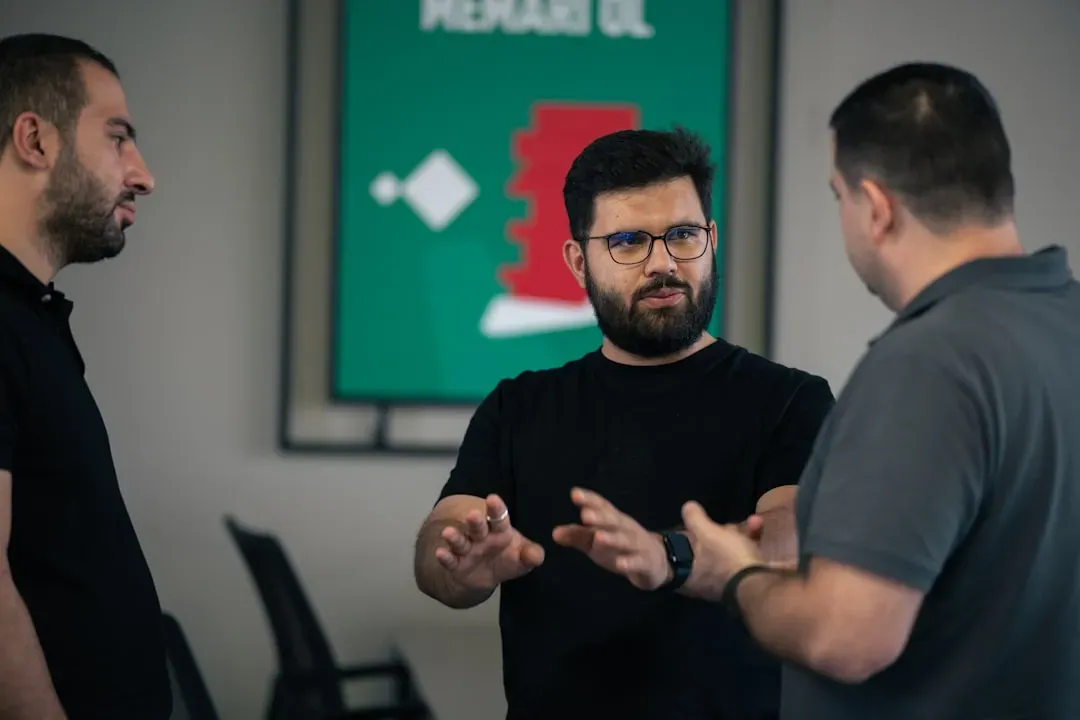
Your body talks even when your mouth doesn’t. Nodding occasionally, leaning in slightly, keeping an open posture with uncrossed arms – these small adjustments send powerful signals that you’re invested in what the other person is saying. Think about the last time someone sat slumped in their chair, arms folded, staring off into space while you were talking. Didn’t exactly make you want to keep sharing, did it?
Mirroring the speaker’s energy can also work wonders. If they’re animated and excited, you can match that enthusiasm with your expressions and gestures. If they’re sharing something serious or sad, a gentle, concerned demeanor shows empathy. I’ve found that even something as simple as putting my hand on my chin while listening makes me more focused and signals to the speaker that I’m processing what they’re telling me. Your physical presence shapes the entire dynamic of the conversation, so use it intentionally.
Resist the Urge to Interrupt or Plan Your Response

Let’s be real: most of us are guilty of this one. While someone’s mid-sentence, we’re already crafting our brilliant reply, waiting for them to take a breath so we can jump in. That’s not listening, that’s just taking turns talking. Active listening requires you to genuinely hear the entire message before formulating your thoughts. It’s harder than it sounds because our brains move fast and we get excited to contribute.
Try counting to two in your head after someone finishes speaking before you respond. This tiny pause does two things: it ensures they’ve actually finished their thought and didn’t just take a breath, and it gives you a moment to truly consider what they said rather than blurting out your pre-planned answer. Sometimes the most powerful thing you can do is simply let silence exist for a second. People often fill those quiet moments with their most honest, vulnerable thoughts – the stuff they didn’t plan to say but needed to share.
Ask Open-Ended Questions to Deepen Understanding

Questions are your secret weapon in active listening. Not the yes-or-no variety that shut conversations down, but open-ended ones that invite people to expand and elaborate. Instead of asking “Did that make you upset?” try “How did that make you feel?” See the difference? One closes the door, the other flings it wide open and says “tell me more.”
The best questions come from genuine curiosity about what the person just shared. “What happened next?” “Why do you think they responded that way?” “What does that mean to you?” These prompts show you’re not just passively absorbing their words but actively trying to understand their experience and perspective. Honestly, people light up when they realize you’re interested enough to dig deeper. It transforms a surface-level exchange into something meaningful and memorable. Just make sure your questions feel natural and conversational, not like an interrogation.
Reflect and Paraphrase What You’ve Heard

This technique feels a bit awkward at first, but it’s incredibly effective. Reflecting means playing back what someone said in your own words to confirm you understood correctly. Something like “So what you’re saying is that you felt overlooked when your idea wasn’t acknowledged in the meeting?” This isn’t parroting their exact words – that’s just weird and robotic – but demonstrating that you’ve processed their message and grasped the essence.
Paraphrasing also gives the speaker a chance to correct any misunderstandings before the conversation moves forward. Maybe you didn’t quite get it right, and they’ll clarify: “Well, not exactly overlooked, more like frustrated because no one asked follow-up questions.” Boom, now you truly understand. This back-and-forth creates a collaborative dialogue where both people are working together to ensure clear communication. It shows respect for the speaker’s message and reduces those frustrating moments where conversations go off the rails because someone misunderstood something ten minutes ago.
Validate Feelings Without Immediately Offering Solutions

Here’s where so many of us stumble, especially if you’re someone who loves solving problems. When someone shares a struggle or concern, our instinct is to immediately jump in with advice and fixes. “Oh, you should just do this!” or “Have you tried that?” While well-intentioned, this approach often makes people feel unheard. Sometimes people don’t want solutions – they want to be understood and validated.
Try responding with empathy first: “That sounds really challenging” or “I can see why that would be frustrating.” Acknowledge their emotions before you do anything else. This doesn’t mean you can never offer advice, but timing matters enormously. Let them feel heard and supported first. If they want your input, they’ll usually ask for it directly or you can gently offer: “Would you like to hear what worked for me in a similar situation?” Respecting their emotional experience without rushing to fix it builds deeper trust and shows that you value their feelings as much as finding solutions.
Conclusion

Mastering active listening won’t happen overnight, and that’s perfectly fine. These strategies take practice, patience, and a genuine willingness to prioritize understanding over being understood. The payoff, though? Stronger relationships, fewer misunderstandings, and the kind of meaningful connections that actually enrich your life.
Start with just one or two of these techniques in your next conversation and notice what shifts. You might be surprised at how differently people respond when they feel truly heard. Which strategy resonates most with you? Give it a try and see what happens.