You’ve probably spent more hours than you’d care to admit trying to get everything just right. That presentation needs another revision. Your social media profile could use better photos. The dinner you’re hosting must be flawless. Sound familiar? Here’s the thing: this endless pursuit of perfection isn’t making you more confident. Actually, it’s doing the opposite.
What if I told you that your so-called flaws are actually your ticket to genuine self-assurance? That the moments when you mess up, stumble, or fall short might be exactly what builds unshakeable confidence? Let’s challenge everything society has told you about perfection and discover why your imperfections are worth celebrating.
Perfectionism Is Actually Just Fear in Disguise

You might think your perfectionism shows high standards. Think again. It’s about anxiety, driven by fear of being judged, criticized, or rejected rather than genuine excellence. When you obsess over every detail, you’re not striving for greatness. You’re protecting yourself from the terrifying possibility that someone might see you as less than perfect.
Consider what’s really happening when you spend three hours rewriting an email. You’re not improving it. You’re trying to control how others perceive you. That’s exhausting, and honestly, it never works because you can’t control what people think anyway.
Perfectionism has strong associations with depression and anxiety disorders, driving your body into too much stress and creating a trap where nothing ever feels good enough. You’re essentially building your own prison, one impossibly high standard at a time.
Your Brain on Imperfection: Why Letting Go Feels Liberating
Letting go of perfection reduces stress, promotes self-compassion, and improves happiness by valuing growth over flawless results. The relief you feel isn’t just psychological. There are real mental health benefits when you stop demanding the impossible from yourself.
Think about the last time you admitted you didn’t know something or asked for help. Scary, right? Yet that vulnerability probably made you feel lighter afterward. People can lower stress and anxiety by letting go of the need to be perfect, relieving the pressure to perform and enabling them to concentrate on self-care.
Perfectionists are at higher risk of depression and anxiety and hardly ever content with what they have, but embracing messy, flawed parts of life leads to greater happiness. Your brain actually functions better when you’re not constantly in threat mode, worrying about the next mistake.
The Vulnerability Paradox: Strength Through Weakness

Authenticity is a critical component of healthy self-esteem, and being vulnerable and authentic helps build better relationships and boost self-confidence. Sounds backward, doesn’t it? How can showing your weaknesses make you stronger?
Vulnerability is not weakness but rather the clearest path to courage, engagement, and meaningful connection, and embracing vulnerabilities is risky but not nearly as dangerous as giving up on love and belonging. When you dare to be imperfect in front of others, you’re demonstrating real courage.
I know it sounds crazy, but showing up authentically – even when you’re unsure, scared, or imperfect – requires more bravery than hiding behind a polished facade. Seeking assistance demonstrates that you recognize your limitations and are willing to rely on others, which can strengthen relationships and increase satisfaction. That takes guts.
Failure Is Your Friend (Really)
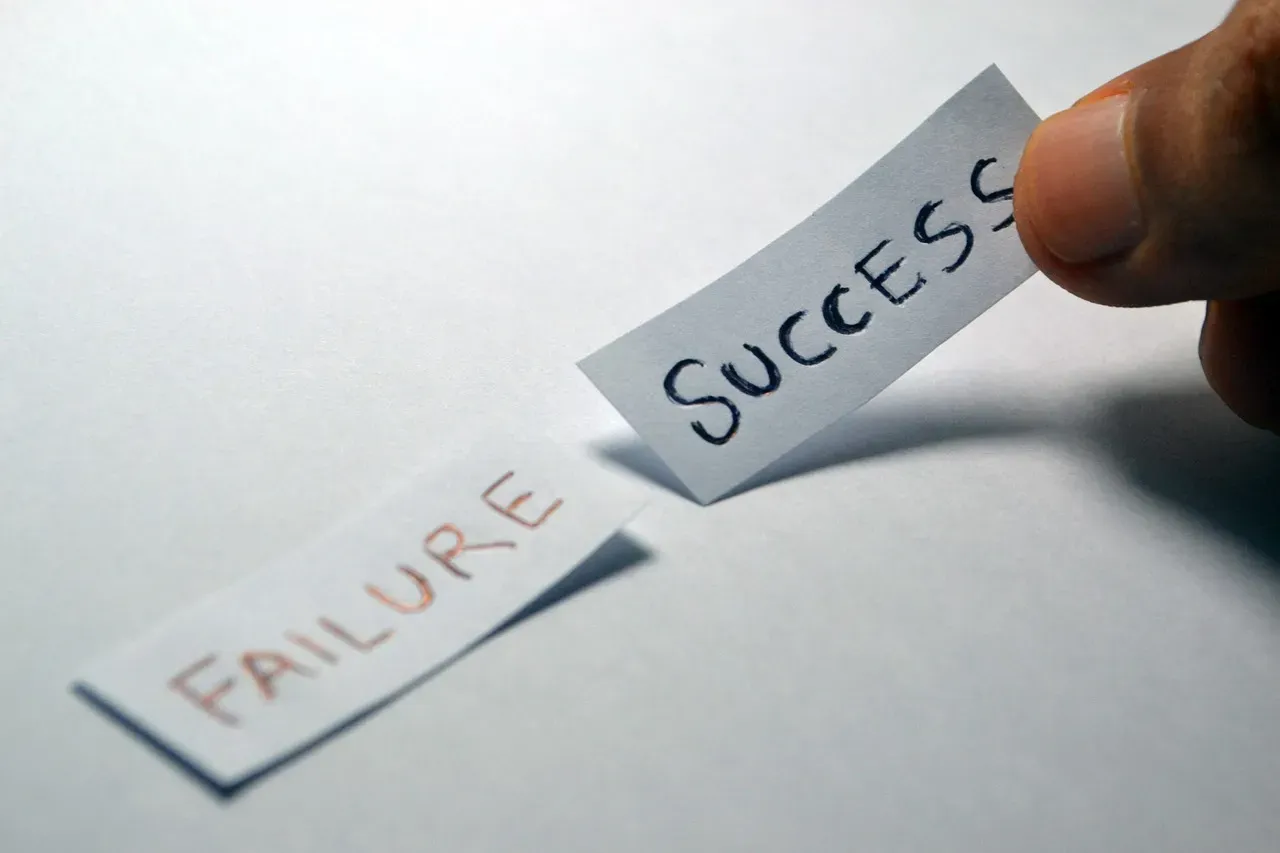
Accepting imperfection means failure shrinks back down to being just another aspect of life, an opportunity to learn rather than a catastrophe. You can’t grow without messing up occasionally. Yet perfectionists treat every mistake like it defines their entire worth.
If you want to reach your potential in any way, you must be willing to be bad at new things, and you WILL suck for a while. That’s not pessimistic. It’s reality. Every skill you’ve mastered started with awkward attempts and embarrassing mistakes.
Remember learning to ride a bike? You fell. Multiple times. Your knees got scraped, and you probably cried. Yet somehow you didn’t decide you were a failure as a human being. You just got back on and tried again. Why can’t you extend that same grace to your adult self?
The Comparison Trap That Steals Your Confidence

You scroll through social media and see everyone else looking flawless, successful, happy. Their houses are pristine, their relationships perfect, their careers soaring. Meanwhile, you’re sitting in your messy apartment eating cereal for dinner, feeling like a disaster.
When we seek perfection, it’s like we focus on a small dent in the frame and not the beauty of the picture itself. Everyone presents their highlight reel online, not the reality of their struggles, doubts, and imperfections. We convince ourselves that unless we are living lives that measure up to an artificial standard based on the lives of others, we don’t deserve to be here, but the people we compare ourselves to probably don’t think they’re measuring up either.
The irony is brutal. You’re comparing your messy reality to someone else’s carefully curated fantasy. That’s not just unfair. It’s completely divorced from actual human experience.
Self-Compassion: The Secret Ingredient Missing From Your Confidence

Self-compassion involves replacing self-criticism with self-kindness, acknowledging personal struggles without judgment, and is linked to reduced anxiety, depression, and burnout. Imagine speaking to yourself the way you speak to your best friend. Would you tell them they’re worthless because they made a mistake? Of course not.
Self-compassion is tied to higher self-esteem from accepting imperfection without shame and helps people set realistic goals, improve relationships, and remain grounded under pressure. When you treat yourself with kindness rather than harsh judgment, you create space for actual growth.
Worthiness is the conviction that you are good enough as you are, and vulnerability teaches us to practice courage and accept the gift of imperfection. You don’t earn worth through achievement. You already have it simply by being human.
Building Confidence Through Authenticity Instead of Perfection

Accepting your strengths and weaknesses as integral parts of being human fosters self-awareness and authenticity, allowing you to appreciate your unique qualities without being confined by unrealistic standards. Real confidence isn’t about never failing. It’s about knowing you’ll be okay even when you do.
Taking emotional risks can lead to personal growth, and letting your guard down and being your authentic self builds confidence and acceptance. When you stop pretending to be perfect, you free up enormous amounts of energy. Energy you can use for things that actually matter.
Shifting your definition of success to encompass personal growth, fulfillment, and authenticity rather than external achievements frees you from pressure to conform, and embracing imperfections allows you to appreciate the beauty of your individual journey. That’s what genuine confidence looks like – not the absence of flaws, but the courage to show up with them.
The Ripple Effect: How Your Imperfections Help Others

When you’re comfortable with imperfection, you won’t be so quick to criticize and judge others, making you a much nicer friend, colleague, and family member with calmer relationships. Your perfectionism doesn’t just hurt you. It affects everyone around you.
The pratfall effect suggests that making mistakes makes us more relatable and likable, and shared laughter in moments of failure strengthens relationships. When you admit your struggles, you give others permission to be human too. That’s incredibly powerful.
Self-esteem can be contagious, and as we liberate ourselves, we unconsciously give other people permission to shine. Your willingness to embrace imperfection might be exactly what someone else needs to see to feel less alone in their own struggles.
Practical Steps to Embrace Your Flaws Starting Today

Real growth comes from embracing imperfection and understanding that every expert was once a beginner by redefining success from being the best to learning and improving. You can start small. Choose one area where you’ve been demanding perfection and intentionally lower your standards.
Push yourself out of your comfort zone by taking on new challenges, starting small if needed, but making a habit of trying things even when you’re not sure you’ll succeed to build confidence and resilience. Try something you’re terrible at just for fun. Take a dance class. Paint a picture. Sing karaoke. The goal isn’t to be good – it’s to be willing to be bad.
Practice self-compassion by recognizing that everyone makes mistakes, setting realistic and achievable goals, and celebrating your successes no matter how small. Write yourself permission slips: “I have permission to be imperfect today.” “I have permission to ask for help.” “I have permission to fail and try again.”
True Confidence Lives in the Space Between Perfect and Good Enough
Striving for excellence is admirable, but the pursuit of perfection can be a harmful illusion, and learning to appreciate personal growth, embracing imperfection, and honoring individuality can lead to greater well-being and fulfillment. The sweetest irony? Once you stop chasing perfection, you often end up achieving more than you ever did while trapped in that exhausting pursuit.
A mindset shift that embraces imperfection fosters resilience and encourages creativity and innovation, turning perceived failures into opportunities for learning and creativity. Your confidence stops being conditional on external validation and starts resting on something much sturdier – your inherent worth as a complex, flawed, fascinating human being.
You’ll make mistakes tomorrow. Probably lots of them. You’ll say the wrong thing, forget something important, or fall short of your own expectations. And you know what? You’ll still be worthy. You’ll still deserve love, belonging, and happiness. Your flaws don’t diminish you. They complete you.
What would your life look like if you spent half the energy you use trying to be perfect on simply being yourself instead? What do you think – are you ready to embrace the messy, imperfect, beautiful reality of being human?