

You’re constantly surrounded by notifications, messages, and the endless hum of digital connection. Every moment seems filled with demands for your attention. Your phone buzzes with group chats, social media feeds refresh with updates, and the world insists you stay plugged in, available, always reachable.
Yet somewhere deep inside, you might feel exhausted. The modern world tells you that being alone is problematic, that solitude equals loneliness, that disconnecting means missing out. What if that narrative is completely wrong? What if the very thing you’ve been avoiding could be exactly what your mind and soul need most?
Your Brain Literally Rewires Itself During Alone Time
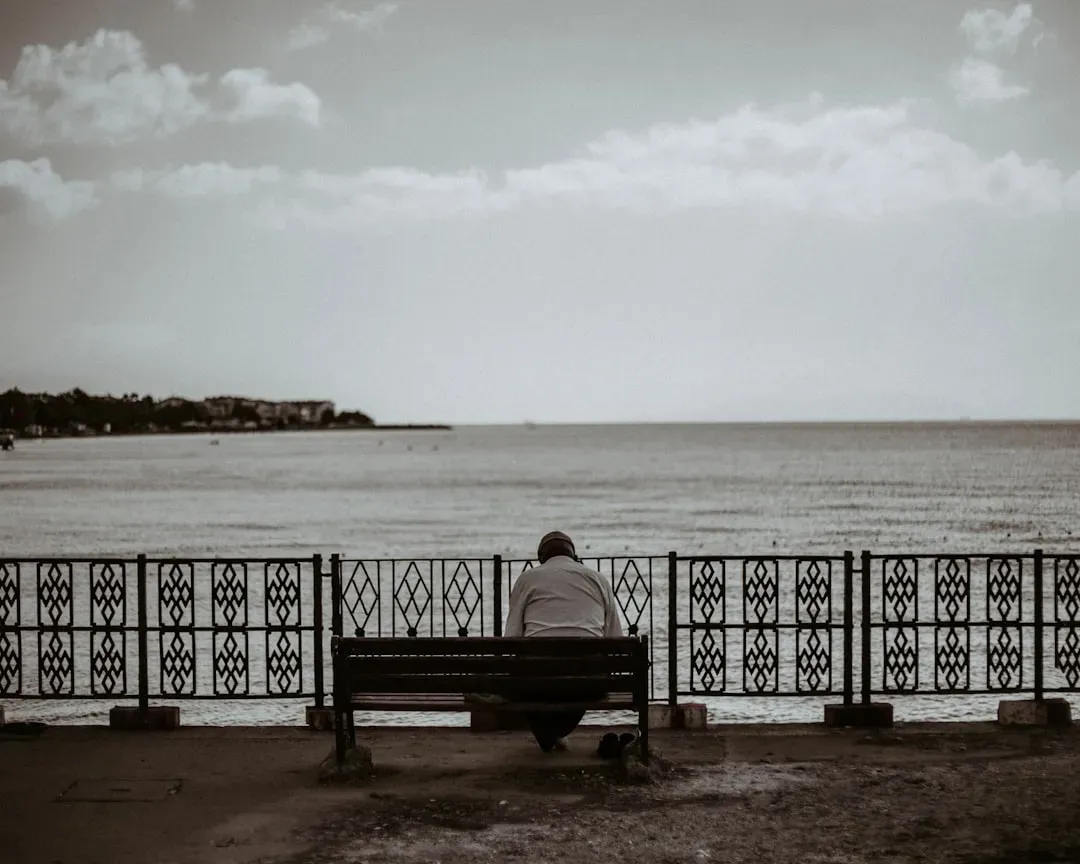
When you spend time in solitude, your brain’s default mode network becomes more active, which is responsible for introspection, self-referential thinking, and autobiographical memory. Think about that for a moment. Your brain has an actual system designed to turn inward, to process your experiences, to make sense of who you are. This increased activity is associated with greater creativity, as your brain is free to wander and make novel connections, while also allowing for increased self-awareness and introspection.
The neuroscience gets even more interesting. Solitude has a profound impact on the brain’s neurochemical balance, and studies have shown that spending time alone can lead to increased production of dopamine, a neurotransmitter associated with pleasure and reward. Honestly, this challenges everything you’ve been told about happiness requiring constant social stimulation. Your brain is literally built to benefit from quiet moments away from the crowd.
You’ll Finally Hear Your Own Voice Above the Noise
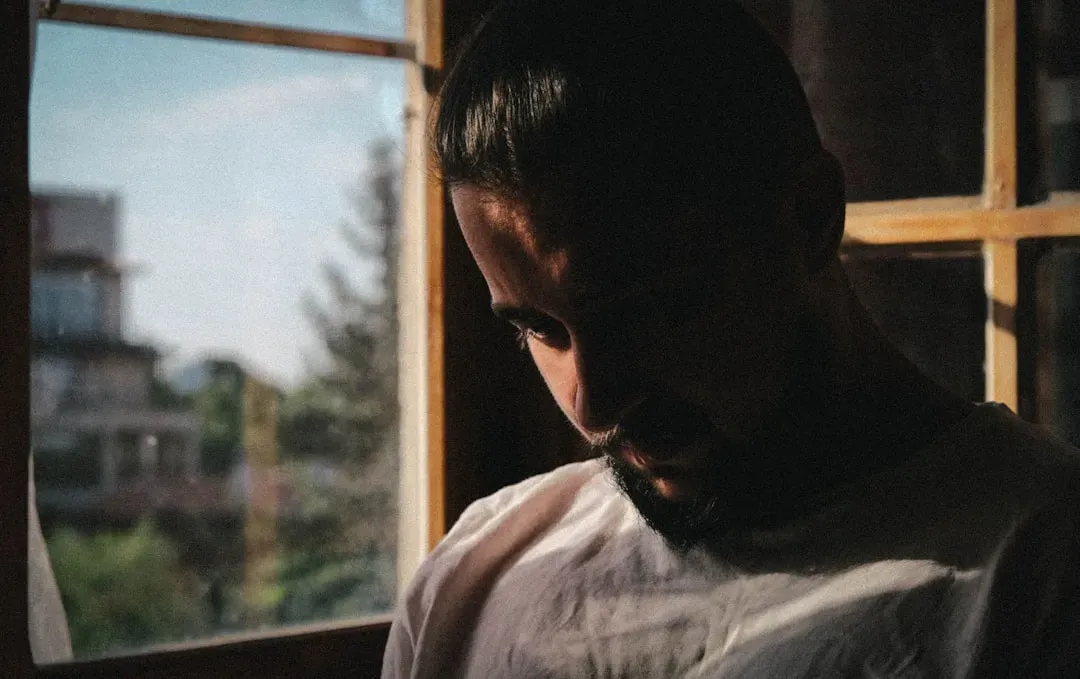
One of the most significant benefits of spending time alone is that it encourages self-awareness, allowing you to turn inward and explore your thoughts, emotions, and motivations in a safe space when you’re alone without the influence of others. Let’s be real here: when was the last time you actually knew what you wanted, separate from what your friends think, what your family expects, or what social media suggests?
Solitude helps you tune into your inner voice, enabling you to distinguish it from external opinions, which reinforces your belief in your judgment and intuition. This isn’t some abstract concept. This is about making decisions without needing three people to validate your choice. It’s about ordering what you actually want at the restaurant instead of what sounds socially acceptable. The clarity that comes from solitude can be startling, almost uncomfortable at first, because you’re finally confronting what you genuinely think and feel.
Your Creativity Gets Unleashed Without an Audience
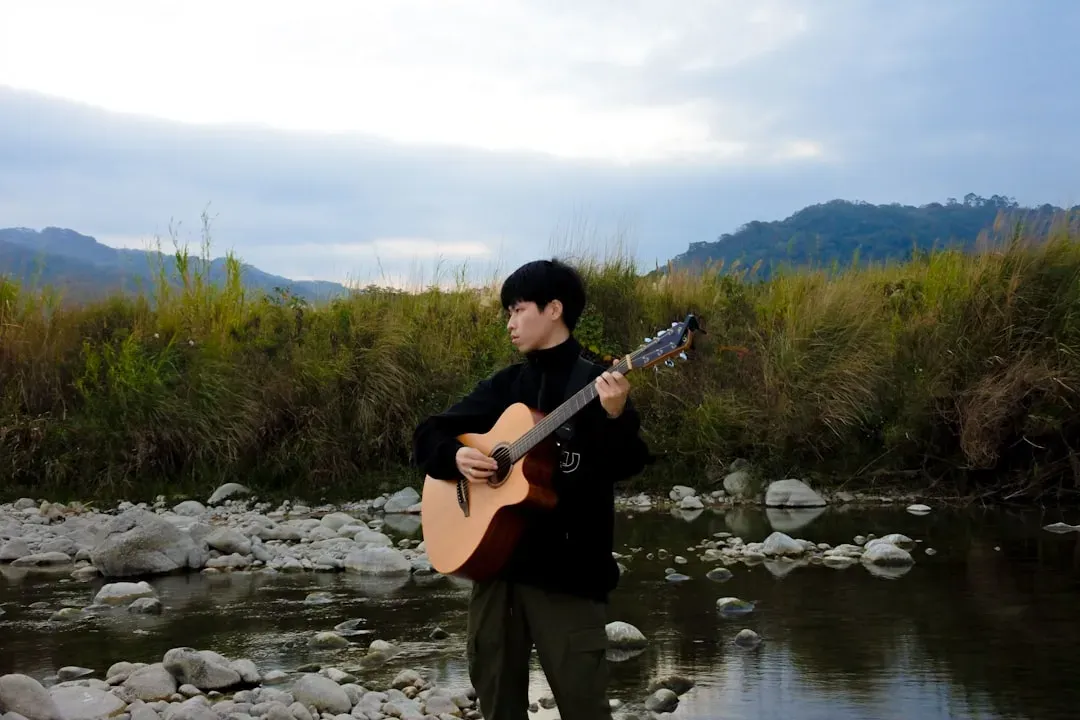
Having space from others can free up your mind to think of new ideas, because if you are constantly in the presence of others, your mind is more likely to be engaged in being social than in being creative. Anxiety-free time spent in solitude may allow for, and foster, creative thinking and work. Think about the greatest artists, writers, and innovators throughout history. Most of them sought extended periods of isolation to do their best work.
When you’re alone, you’re free to try things you may feel uncomfortable doing for the first time in front of others, allowing you to dance, sing, paint, play an instrument, do magic, or build something without being nervous about what others may think. There’s something beautifully liberating about creating without the pressure of judgment. Your imagination roams freely, unencumbered by the need to explain, justify, or perform for anyone else. You can fail spectacularly, try something ridiculous, or stumble upon brilliance without witnesses.
Stress Melts Away When You’re Not Performing

On days in which people spent more time alone they felt less stress and greater autonomy satisfaction, and these benefits were cumulative as those who spent more time alone across the span of a study were less stressed overall. Here’s the thing about constant social interaction: it’s exhausting. You’re always “on,” always managing impressions, always navigating complex social dynamics.
Just 15 minutes of solitude had an emotional deactivation effect, lowering high arousal emotions including excitement and anxiety, and increasing low arousal feelings such as calmness. Imagine that. Fifteen minutes. Not a week-long retreat or a month in the wilderness. Just a quarter of an hour away from people can reset your nervous system. If you spend most of your time with other people, you always have to be on, and all that social time can be draining, making time for yourself a great way to recharge your social battery.
You’ll Make Better Decisions Without the Crowd
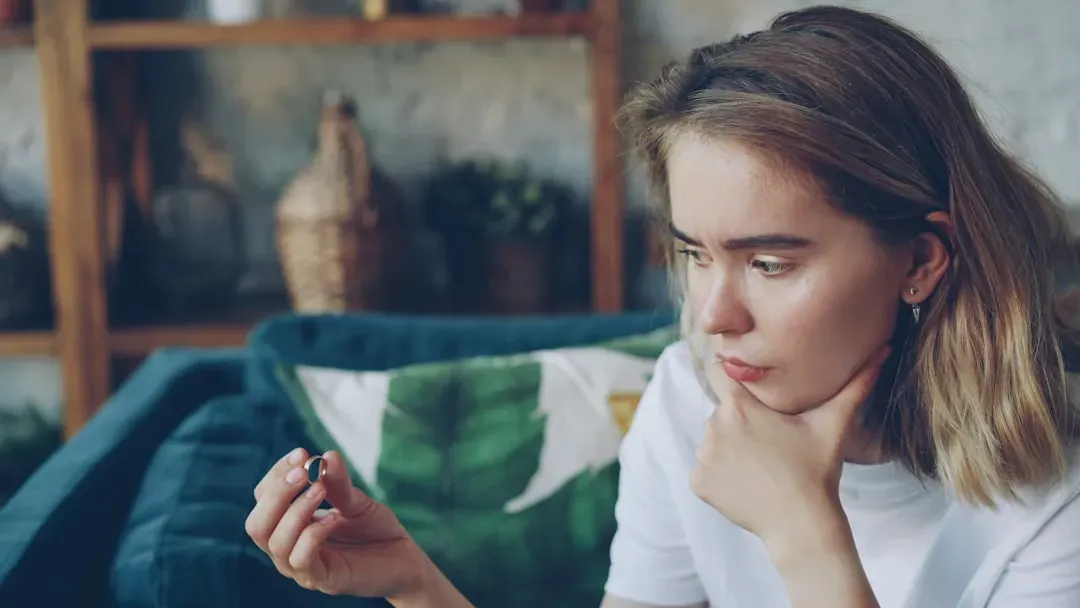
One study suggests that solitude improves creative thinking, and time alone is beneficial in strengthening decision-making skills, providing you with a competitive advantage. Think about major life choices you’ve made while surrounded by well-meaning friends and family. How many of those decisions were truly yours versus compromises shaped by everyone else’s input?
For anyone experiencing important life changes, engaging in solitude affords an opportunity for self-reflection regarding problems and decision-making, and can also promote self-healing and its maintenance. Solitude gives you space to weigh options without the noise of competing opinions. You can sit with uncertainty, explore different paths, and arrive at conclusions that genuinely align with your values rather than appeasing others. The decisions you make alone tend to be more authentic, even if they’re harder.
Your Relationships Actually Improve When You Step Away
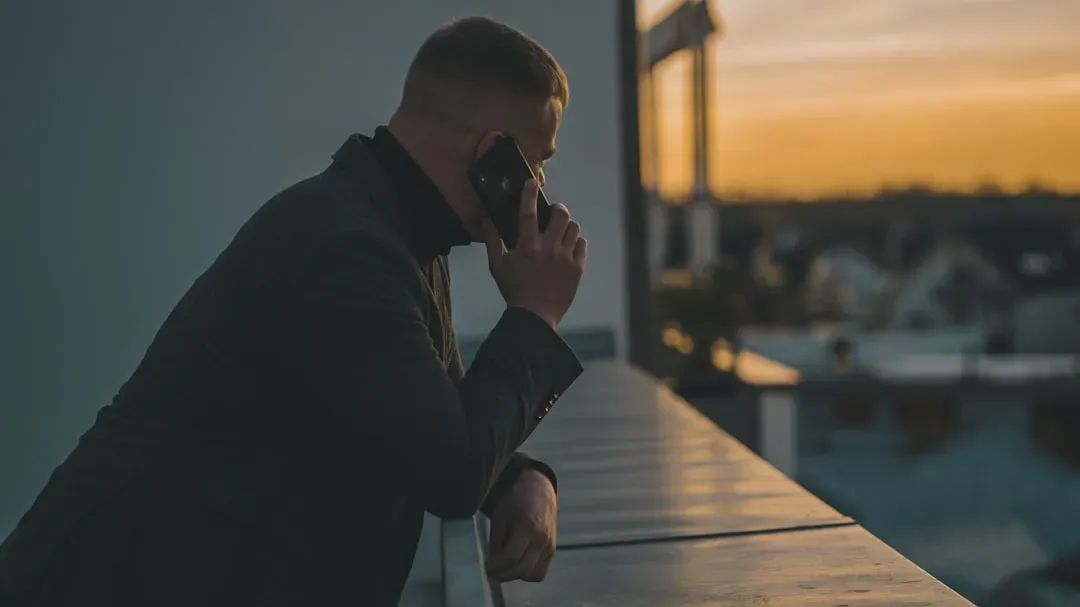
This sounds counterintuitive, right? Spending time alone can improve your relationships with others because by gaining a better understanding of yourself, you can approach relationships with more clarity, empathy and patience, and alone time can help you appreciate your connections more. I know it sounds crazy, but distancing yourself actually brings you closer to people.
The tranquility that solitude provides can lead to better interpersonal behavior and relationships, as a harried parent who takes some time to be alone can recharge, reflect, and regroup before resuming contact with others. You return to your relationships refreshed rather than depleted. You listen better because you’re not running on empty. You appreciate moments together because you’ve also experienced the value of moments apart. Time alone gives you the space to miss and appreciate your loved ones, as absence often makes the heart grow fonder.
You’ll Build Genuine Independence and Self-Trust

Spending time alone helps you develop a sense of independence and self-sufficiency, as when you’re alone you rely on your own resources to navigate the world, which strengthens your confidence in your ability to handle life’s challenges. There’s a profound shift that happens when you realize you don’t need constant external validation or companionship to feel okay.
By embracing solitude, you learn to enjoy your own company and develop a deeper sense of self, realizing that you don’t always need external validation or companionship to feel fulfilled, and this sense of independence can be incredibly empowering. It’s hard to say for sure, but something changes when you become comfortable in your own presence. You stop seeking approval for every thought and feeling. You develop trust in your judgment. This isn’t about becoming isolated or antisocial. It’s about building a solid foundation within yourself that makes you stronger in all your relationships and endeavors.
Your Focus and Productivity Skyrocket Without Distractions
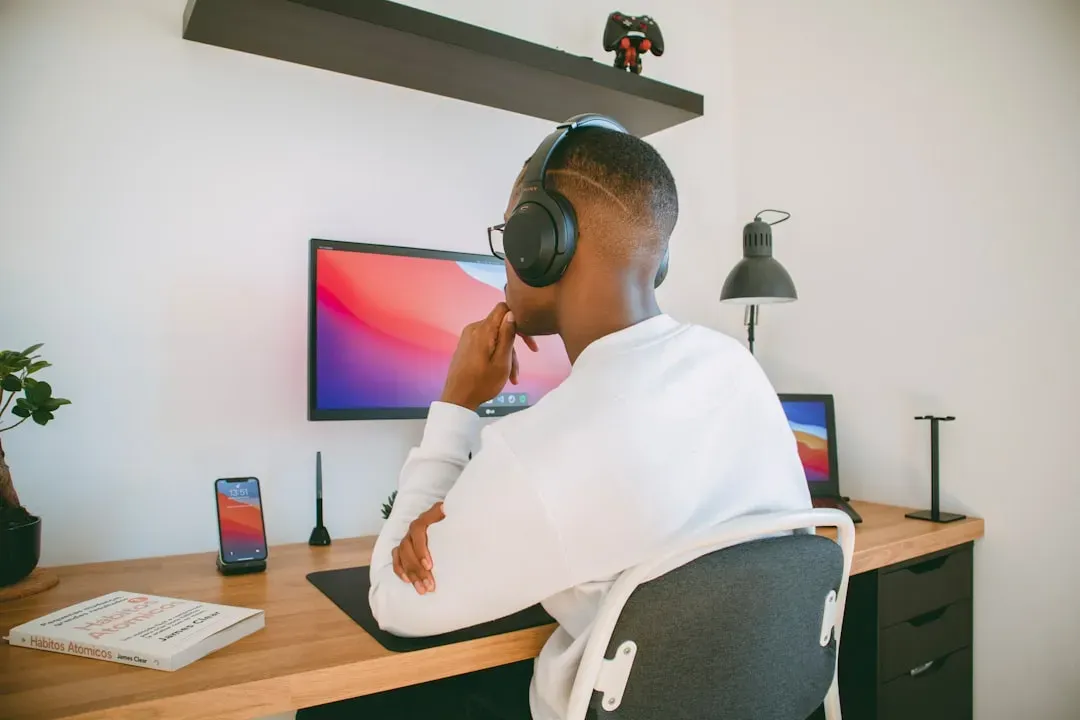
While being in the company of others is often enjoyable, it can sometimes hinder productivity as social interactions can be distracting, whereas time spent alone offers a quiet, distraction-free environment where you can concentrate fully. Solitude helps you get into a flow state where you’re deeply focused and immersed in your work, and in this state you’re more productive, efficient, and able to complete tasks with greater attention to detail.
The research on this is pretty compelling. One study found that people who work in closed offices are more productive than those in an open floor plan, suggesting it might be good for productivity to offer quiet spaces where employees can work uninterrupted. If you’ve ever tried to write a paper, solve a complex problem, or learn something challenging while surrounded by people, you know the struggle. Your attention fragments. Solitude gives your mind permission to dive deep rather than skim the surface.
You Escape the Mental Health Trap of Constant Connection

Let’s talk about what all that connectivity is actually doing to you. Social media use may increase feelings of anxiety and depression, and the addictive nature of social media activates the brain’s reward center by releasing dopamine, but when you don’t get that boost or approval, it can impact your sense of self and adequacy. You’re essentially training your brain to seek external validation constantly.
Excessive social media use can trigger feelings of inadequacy, dissatisfaction, and isolation, and worsen symptoms of depression, anxiety, and stress. Many people use social media to escape their negative emotions, but this strategy distracts them from regulating their emotions, and emotional regulation is extremely crucial for balancing mental health. Solitude offers you an escape from this toxic cycle. It gives you space to process emotions genuinely rather than performing them for an audience or numbing them with endless scrolling.
You Develop Emotional Resilience Through Self-Reflection
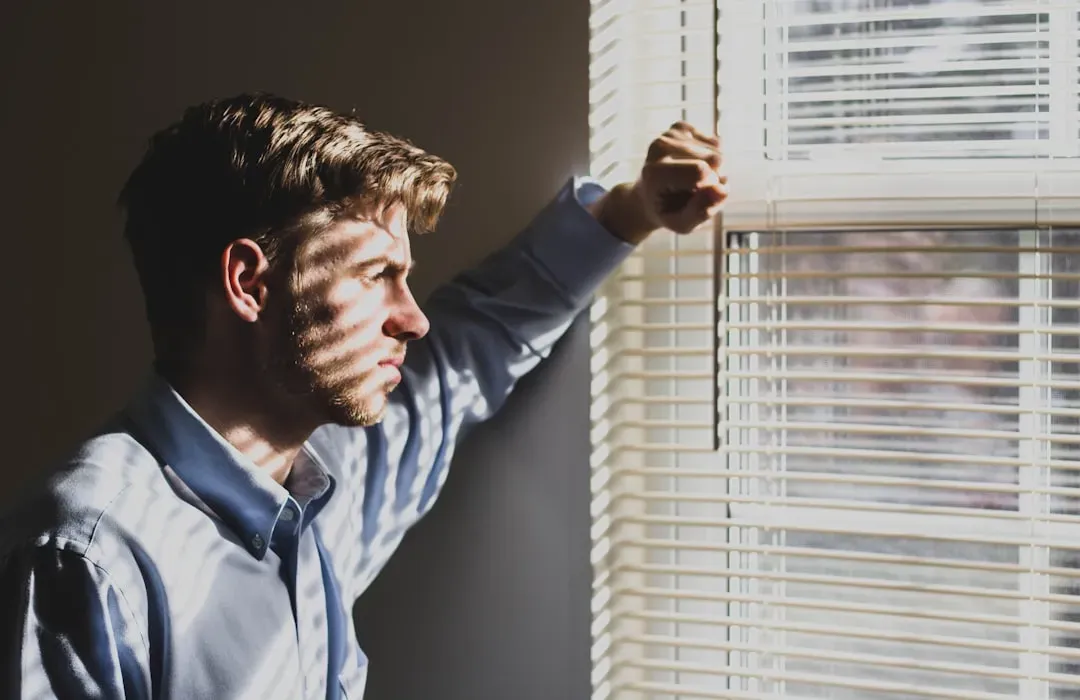
Purposefully spending time alone for self-care may play an important role in the development of emotional regulation and perspective of self, as healthy self-care involves self-reflecting on your own thoughts and feelings. This is where real personal growth happens. Not in the highlight reel you post online, but in the quiet moments when you sit with uncomfortable truths about yourself.
By cultivating self-awareness and emotional intelligence through solitude, you become more capable of maintaining healthy boundaries and handling conflicts without becoming overwhelmed. By sitting with your feelings, you learn to trust your emotional responses, which is a cornerstone of self-trust, and research highlights that solitude enhances emotional regulation and self-awareness. You stop running from difficult feelings and learn to navigate them instead. This builds a kind of inner strength that serves you in every area of life.
You Reclaim Your Authentic Self From Social Pressures

By taking the social pressure off, solitude can leave you free to be who you are. By being free from social interactions and their constraints, one of the most common experiences deriving from solitude is creativity, spiritual growth, and time to explore values and goals without interference or distraction. Think about how much of your daily life involves conforming to expectations, playing roles, managing how others perceive you.
When you’re alone, there’s no social pressure to conform or expectations of others to fulfill, and it’s a time to let down your guard and be less self-conscious, as alone time encourages independence and helps build confidence in your ability to be alone. You can finally just exist without the performance. You can discover what you actually like, what genuinely interests you, what truly matters to you separate from what’s trendy or socially acceptable. This authenticity becomes the foundation for a more fulfilling life.
Conclusion: The Radical Act of Being Alone
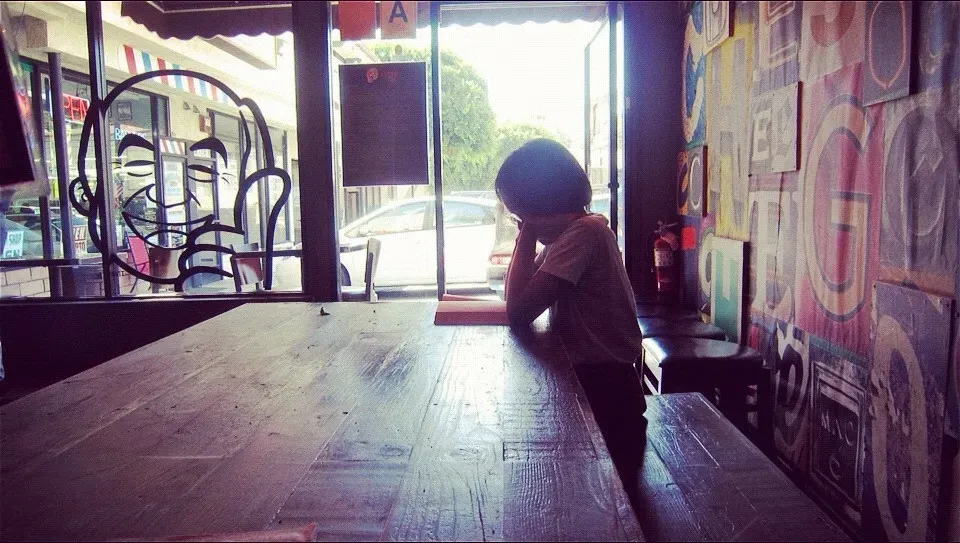
A 2024 national survey found that 56% of Americans considered alone time essential for their mental health, and Costco is now selling solitude sheds where for around $2,000 you can buy yourself some peace and quiet. There’s something both amusing and telling about that statistic. We’ve become so starved for solitude that we’re literally purchasing physical structures just to be alone.
Solitude is a nearly universal experience that occupies a substantial portion of our daily lives, and it highlights the potential for momentary solitude to serve as a tool for emotion regulation, self-reflection, goal setting, or engaging in creative and intellectual pursuits. The question isn’t whether you can afford to be alone. It’s whether you can afford not to be. Your mental health, creativity, relationships, and sense of self all depend on those quiet moments away from the noise.
So here’s the real question: when will you give yourself permission to disconnect and discover what solitude has been waiting to teach you? What might you discover about yourself in the silence?