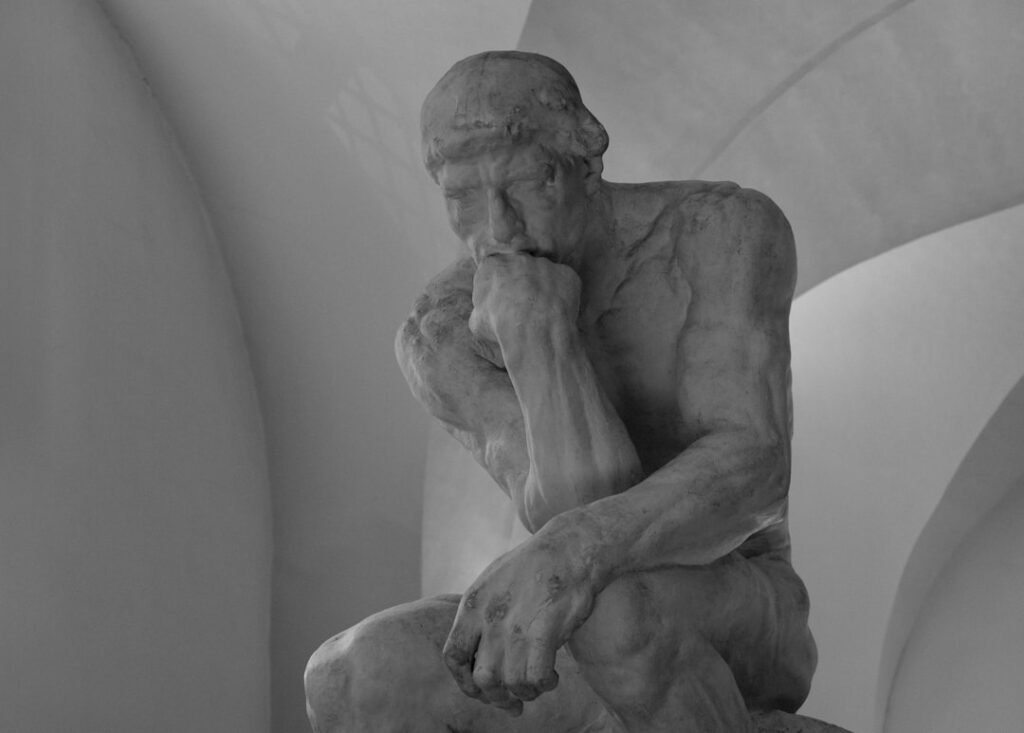
Think about the last time something completely outside your control threw your day into chaos. Maybe it was an unexpected email, a delayed flight, or someone’s offhand comment that sent you spiraling. Now imagine if you had a mental toolkit to handle that kind of disruption with clarity and calm. That toolkit exists, and honestly, it’s been around for over two thousand years.
You’re living through what might be the most anxious era in human history. Social media constantly reminds you that you’re not successful enough. Your phone buzzes with twenty things demanding your attention. The news cycle feeds you catastrophe after catastrophe. In this environment, an ancient philosophy called Stoicism has quietly become one of the most powerful frameworks for building resilience and finding peace. Let’s explore what the Stoics knew that you desperately need today.
The Ancient Philosophy That Conquered Chaos
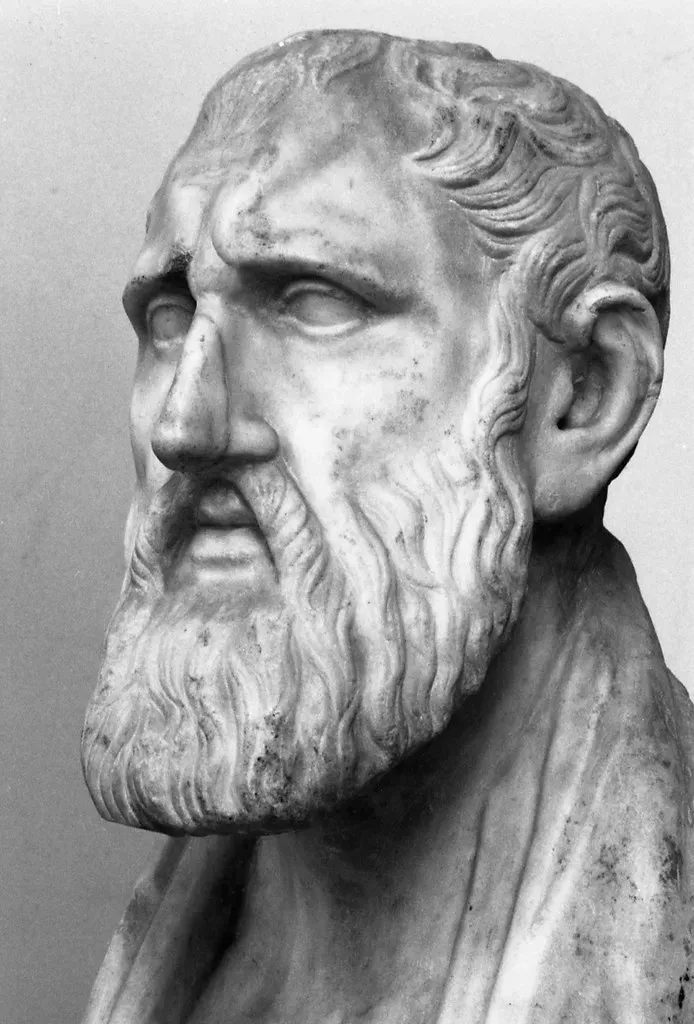
Stoicism was founded around 301 BC by a Phoenician merchant named Zeno of Citium, who embraced an austere philosophical way of life after losing his entire fortune in a shipwreck near Athens. Picture that scene for a moment. Everything you owned, gone in an instant beneath the waves. For most people, that would be the end of their story. For Zeno, it was the beginning.
Instead of succumbing to grief over his lost fortune, Zeno focused on what he could control: his own mind and reactions. He sought wisdom, delving into the works of Socrates and other philosophers. From this reflection and resilience, Stoicism was born – a philosophy he began to teach, emphasizing acceptance and inner composure. Think about what that means for you right now. When everything falls apart, you still have one thing that nobody can take away.
The Three Philosophers Who Changed Everything
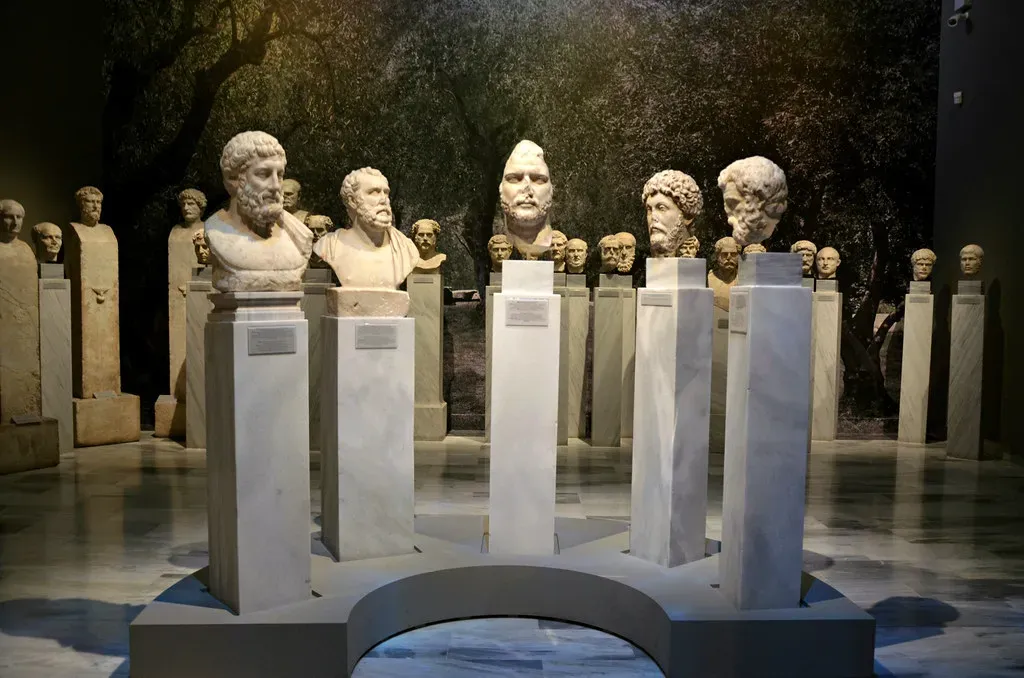
The notable Stoic philosophers Epictetus, Seneca, and Marcus Aurelius, born out of diverse life experiences, offer a rich tapestry of wisdom that continues to guide us today. What’s fascinating is who these people were. Epictetus, born into slavery in the Roman Empire, managed to study philosophy and later gained his freedom. He spent the rest of his life teaching Stoicism in Rome and then in Greece, leaving a lasting legacy.
Marcus Aurelius, the last of the Five Good Emperors of Rome, is perhaps the most famous Stoic philosopher. Despite his status as emperor, Marcus Aurelius lived a simple life, dedicated to the pursuit of wisdom. His personal notes, known as the Meditations, provide a window into his mind and his commitment to Stoicism. A slave, a statesman, and an emperor all found the same truth. That tells you something profound about how universal these principles actually are.
The Dichotomy of Control: Your Most Powerful Mental Tool

The Dichotomy of Control is the most fundamental principle of Stoic philosophy. It’s the simple yet profound recognition that everything in life falls into one of two categories: things you can control and things you cannot control. Let’s be real, this sounds almost stupidly simple at first. You’re probably thinking you already know this. Here’s the thing though: knowing it intellectually and living it are completely different experiences.
Things in our control are opinion, pursuit, desire, aversion, and whatever are our own actions. Things not in our control are body, property, reputation, command, and whatever are not our own actions. Notice what that means. You don’t control whether your boss likes you, but you control how you show up to work. You can’t force someone to love you, but you can choose how you treat them. Worry and general anxiety happen when we overthink aspects of the future that we cannot directly control. Depression is strongly linked to rumination, which involves overthinking about the past, which we cannot control.
Why Your Anxiety Is Actually a Misclassification Problem

Much of human unhappiness is simply due to misclassification, the product of thinking that we have control over certain things when in fact we don’t. This might be the most important sentence you read today. Every time you stress about what someone thinks of you, you’re trying to control the uncontrollable. Every time you replay yesterday’s conversation, you’re fighting a battle you already lost.
The Stoic idea of the dichotomy of control emphasizes focusing on what is within our control and accepting what is not. This principle is essential to managing anxiety because it encourages us to let go of worries about external events that we can’t influence. I think this is why Stoicism has exploded in popularity recently. This renewed attention is arguably fueled by the persistent challenges of modern life, characterized by high levels of stress, pervasive anxiety, information overload, and emotional volatility.
The Connection Between Ancient Philosophy and Modern Therapy
You might be surprised to learn that your therapist is probably already using Stoic principles without calling them that. Stoicism is an ancient Greek school of philosophy that inspired modern cognitive-behavioral therapy. Stoics like Epictetus taught that it’s not things that upset us but rather our opinions (cognitions) about them.
Research shows that simple online training based on the increasingly popular Stoic philosophy benefits those at risk of anxiety and depression. Cognitive trainings based on the principles of Stoic philosophy reduced emotional vulnerability in those at risk of anxiety and depression. This isn’t just ancient wisdom anymore. It’s scientifically validated modern medicine. Stoic training has been shown to reduce anxiety and rumination among high worriers. A study involving high worriers found that stoic training led to significant improvements in self-efficacy and a reduction in the use of anxious and negatively valenced words.
Premeditatio Malorum: The Art of Negative Visualization

Here’s where Stoicism gets counterintuitive, and honestly, kind of brilliant. The Stoic exercise of negative visualisation entails imagining worst-case scenarios unfolding to appreciate what one has and mentally prepare for hardship. Studies demonstrate this pessimism helps regulate emotions and expectations for later disappointment. I know it sounds crazy, but imagining things going wrong actually makes you less anxious, not more.
By contemplating loss regularly, we can let go of attachments and gain perspective. Though sounding counterintuitive, negative visualisation strangely alleviates anxiety and fear about losing the things we enjoy. Think about it this way. If you’ve already mentally rehearsed your presentation bombing, the actual thing going slightly wrong won’t devastate you. You’ve already been there in your mind. We should mentally rehearse potential hardships, a practice known as premeditatio malorum, to build resilience.
Building Resilience That Actually Sticks

Resilience is our capacity to bounce back from stressful life events, or at least to cope with them without being overwhelmed. An emotionally resilient person is able to cope better than average with challenging events such as job loss, divorce, physical illness or injury, bereavement, and so on. The difference between temporary coping strategies and real resilience is whether it becomes part of who you are.
People identify with Stoicism as a philosophy of life, which may be more permanent than skills learned in CBT or resilience training. This is what makes Stoicism different from just reading a self-help book. Stoicism asks us not simply to use some self-help techniques but to embrace a set of ethical values and live consistently in accord with them. This ancient philosophy could hold promise as a framework for permanently acquiring CBT-like coping skills. You’re not just learning tricks. You’re becoming someone different.
Practical Steps to Live Like a Stoic Today

So how do you actually apply this in your daily life when you’re stuck in traffic or your coworker just took credit for your work? Start small with one practice: the morning intention. Before your feet hit the floor, remind yourself of what’s actually in your control today. Your effort, your attitude, your integrity. That’s it. Everything else is bonus material.
Start by identifying and listing things causing you stress or discomfort. Categorize them into things you can control and those you cannot. Reflect on the items you can’t control. Acknowledge them and consciously decide to relinquish your hold over them, focusing instead on your reactions to them.
When something goes wrong today, ask yourself one question: Is this within my control? If yes, take action. If no, let it go. Sounds simple, right? Try it for a week and watch what happens to your stress levels. Mindfulness and meditation, practices encouraged by Stoicism, have been shown to positively affect mental health, including stress reduction, anxiety management, and alleviation of depressive symptoms. These benefits align with Stoicism’s emphasis on present-moment awareness and acceptance.
Why This Matters More Than Ever
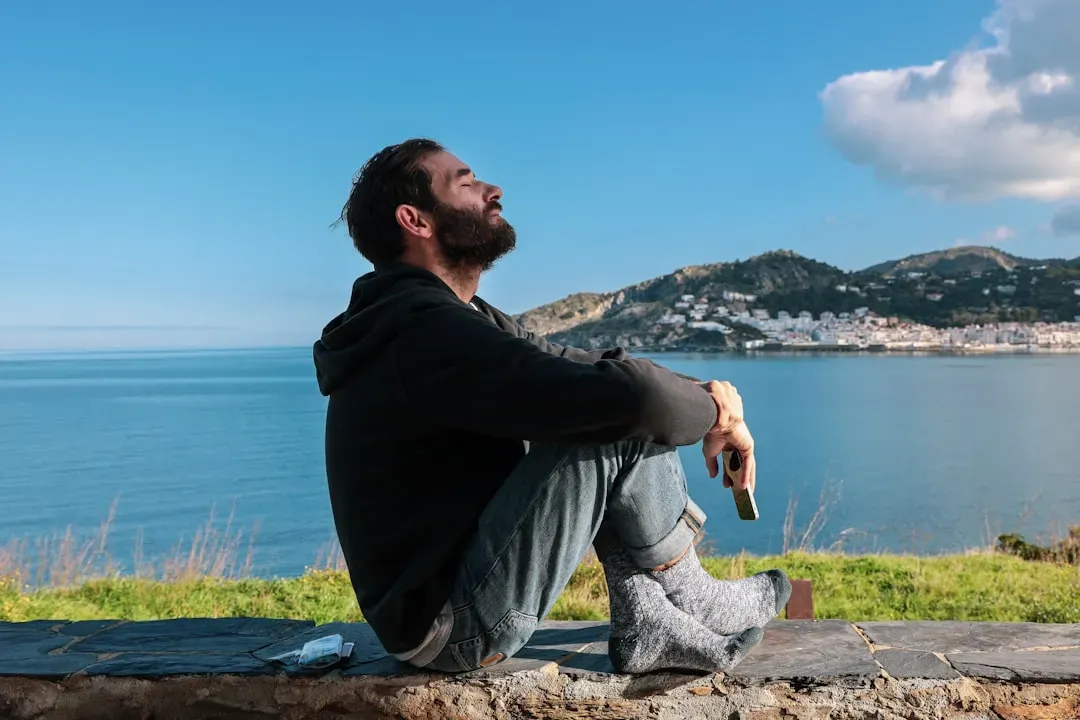
Over 20,000 members of the public have registered for Stoic Week with participants from the USA, UK, Europe, Canada, Australia and all over the world. People who have followed the week consistently report a reduction in negative emotions and increase in overall life satisfaction. There’s something happening here that goes beyond just another wellness trend.
You’ll experience less anxiety about the future and more peace in the present. When you no longer allow uncontrollable factors to dictate your emotional state, you build resilience. You’ll react more calmly in the face of adversity, knowing that your energy is better spent on productive actions rather than on frustration or anger. In a world that constantly tries to make you feel powerless, Stoicism hands you back your power by showing you exactly where it’s been all along.
The secret that the Stoics discovered wasn’t really a secret at all. It was hiding in plain sight: you can’t control what happens to you, but you always control how you respond. That gap between stimulus and response? That’s where your freedom lives. That’s where your resilience grows. That’s where you find the peace you’ve been searching for in all the wrong places. What will you choose to control today?