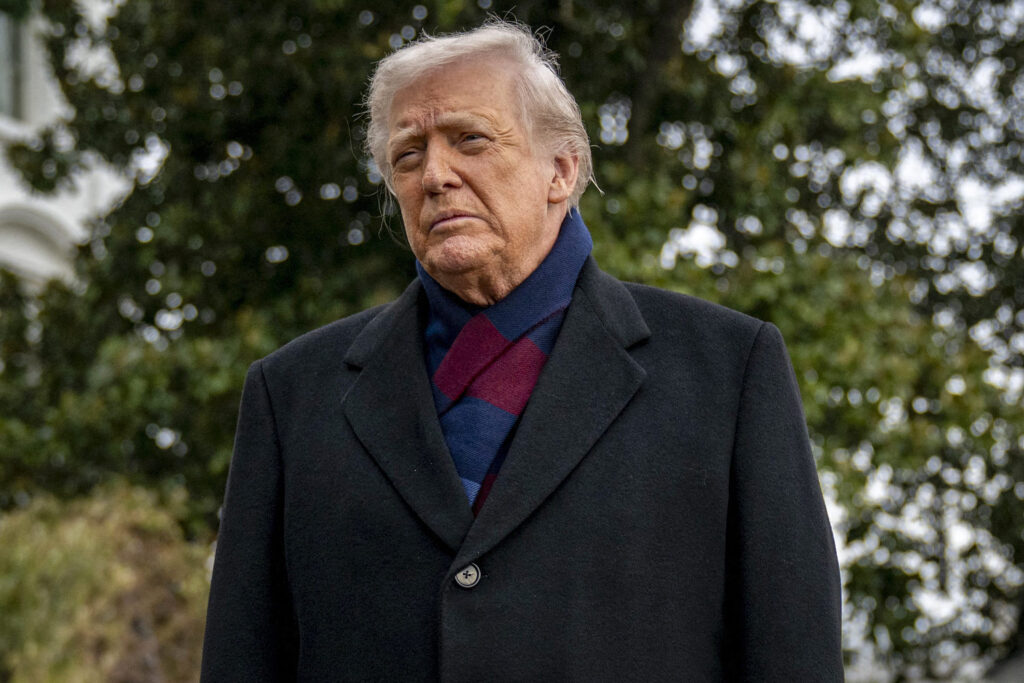
A Direct Challenge from the President (Image Credits: Media-cldnry.s-nbcnews.com)
President Donald Trump recently signaled a hardline approach toward Venezuela, refusing to dismiss the prospect of military conflict amid ongoing disputes over oil and territorial claims.
A Direct Challenge from the President
Trump’s candid admission during a phone interview with NBC News captured immediate attention across global headlines. He stated plainly that he did not rule out war with Venezuela, emphasizing his resolve against President Nicolás Maduro’s regime. This remark came as the U.S. intensified its pressure campaign, including blockades on oil tankers and seizures of vessels near Venezuelan waters. The president’s words reflected a broader strategy rooted in reclaiming what he views as unjustly taken American assets. Observers noted the interview’s timing, just days after Venezuelan naval forces began escorting their oil shipments in response to U.S. actions.
The exchange highlighted Trump’s unyielding posture, where diplomatic overtures take a backseat to assertive demands. He expressed confidence that Maduro understood his intentions clearly, underscoring a mindset geared toward leverage rather than compromise. This approach has roots in long-standing U.S. frustrations with Venezuela’s nationalization policies. As tensions simmer in the Caribbean, Trump’s comments served as a stark reminder of his willingness to escalate. Legal experts and lawmakers have since raised alarms about the implications of such rhetoric.
Roots in Past Seizures and Oil Ambitions
At the core of Trump’s mindset lies a deep-seated grievance over assets expropriated during the era of Hugo Chávez, Maduro’s predecessor. In 2007, Venezuela nationalized key oil fields, stripping American companies of significant holdings without fair compensation. Trump has repeatedly demanded the return of land, oil rights, and other properties, framing it as essential to restoring American interests. This perspective aligns with his “America First” doctrine, which prioritizes economic recovery through aggressive foreign policy. Recent statements from the president, including calls to “get it back,” reveal a conviction that negotiation alone won’t suffice against a regime he deems intransigent.
Analysts point out that this focus on oil underscores Venezuela’s strategic importance, given its vast reserves. Trump’s blockade orders, aimed at sanctioned tankers, represent a tactical escalation designed to choke Maduro’s revenue streams. Yet, this strategy carries risks, as Venezuela’s military response could draw the U.S. into unintended confrontations. The president’s doubt about an actual war – expressed in earlier comments – contrasts with his refusal to close the door entirely. Such duality suggests a calculated mindset, blending deterrence with readiness for bolder steps if needed.
Escalation Tactics and Regional Fallout
U.S. actions in recent weeks have ramped up the stakes, with thousands of troops deployed to the Caribbean and multiple boat strikes targeting suspected drug vessels. These operations, now numbering over two dozen, have resulted in significant casualties and drawn congressional scrutiny for potential overreach. Trump’s administration views them as necessary to dismantle Maduro’s support networks, but critics argue they blur lines toward open hostility. The Venezuelan navy’s decision to escort oil tankers marks a direct counter, heightening the risk of naval incidents. This buildup reflects Trump’s belief in projecting strength to force concessions.
From a mindset standpoint, these moves illustrate a preference for kinetic pressure over prolonged sanctions, which have yielded limited results in the past. Trump has hinted at broader goals, including regime change, though he stops short of explicit commitments. International observers worry about spillover effects on Latin American stability, echoing past U.S. interventions. Meanwhile, domestic voices within Trump’s base express mixed support, wary of new conflicts despite his campaign promises. The president’s approach thus tests the boundaries of his isolationist rhetoric.
Navigating the Path Forward
Looking ahead, Trump’s openness to military options signals a pivotal moment in U.S.-Venezuela relations. Diplomatic channels remain active, but the emphasis on enforcement suggests limited patience for delays. Key factors influencing his decisions include oil market dynamics and Maduro’s resilience. As the U.S. Congress debates restraints on these escalations, the president’s mindset – combining economic nationalism with military deterrence – will shape outcomes. Global markets have already reacted, with oil prices fluctuating amid the uncertainty.
Stakeholders from both nations monitor developments closely, hoping to avert a wider crisis. Trump’s strategy, while bold, invites questions about long-term viability in a multipolar world.
Key Takeaways
- Trump’s refusal to rule out war stems from demands for returned oil assets seized in 2007.
- Recent U.S. blockades and boat strikes escalate tensions, prompting Venezuelan naval responses.
- His mindset balances “America First” goals with risks of regional instability.
In an era of fragile international balances, Trump’s stance on Venezuela underscores the high costs of unresolved disputes. What steps should the U.S. take next to address these tensions? Share your thoughts in the comments.