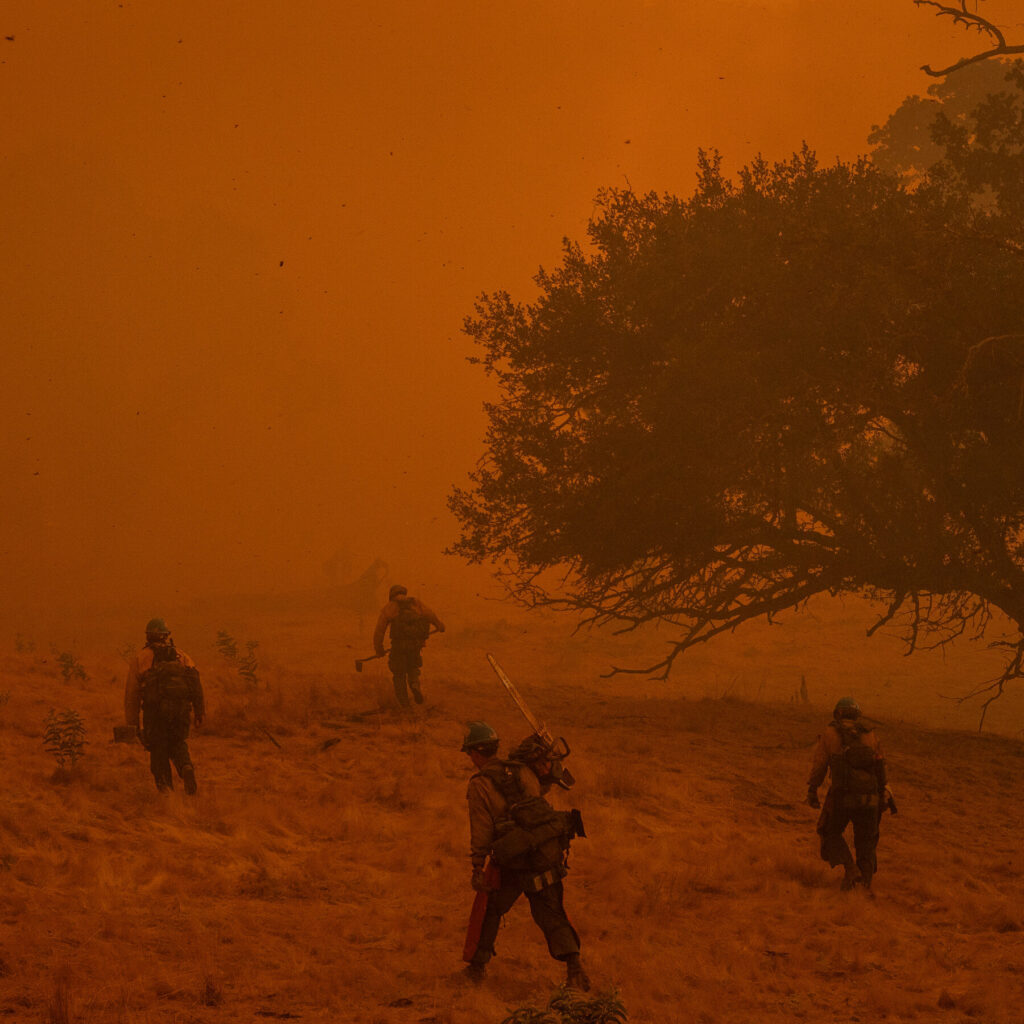

The Toll of Toxic Smoke on Frontline Heroes (Image Credits: Static01.nyt.com)
In a significant move for frontline responders, the U.S. government has established new financial support for wildfire fighters facing life-altering health challenges from toxic smoke exposure.
The Toll of Toxic Smoke on Frontline Heroes
Wildfire fighters endure grueling conditions, often spending weeks immersed in thick, hazardous smoke that carries a cocktail of carcinogens. This exposure has led to a rise in serious illnesses, including various cancers, among these workers who protect communities at great personal risk. Many develop these diseases at relatively young ages due to prolonged contact with poisonous particles during increasingly severe fire seasons. The federal acknowledgment of this danger marks a turning point in recognizing the occupational hazards these professionals face daily.
Government agencies had long understood the risks, yet comprehensive protections lagged behind the growing threat. Firefighters reported breathing in dense fumes without adequate safeguards, contributing to debilitating health outcomes. This reality prompted urgent calls for reform from both sides of the aisle in Congress.
A Bipartisan Push for Justice
Congressional leaders from across the political spectrum united to address the vulnerabilities of wildfire responders. Lawmakers highlighted how worsening climate patterns intensified fire activity, forcing fighters into more prolonged and intense exposures. The resulting legislation, signed into law recently, reflects years of advocacy to ensure these workers receive fair treatment for job-related illnesses. This effort underscores a shared commitment to supporting those who safeguard vast landscapes and populations.
The measure builds on prior awareness of smoke’s dangers, aiming to prevent future tragedies through better policies. Advocates emphasized that without such changes, the cycle of health crises would continue unchecked. Now, with this law in place, affected individuals and their families gain a measure of security.
Key Provisions of the Compensation Package
Under the new law, eligible wildfire fighters diagnosed with smoke-related cancers qualify for a one-time payment of nearly $450,000. This aid extends to cases where the illness leads to death or severe debilitation, providing crucial financial relief during tough times. Families also benefit from coverage for college tuition, easing the burden on loved ones left behind. The program applies retroactively in some instances, offering support to those impacted years earlier.
To qualify, firefighters must demonstrate the connection between their work and the cancer, a process streamlined by recent policy updates. This includes recognition of specific occupational exposures as direct causes. The initiative covers a range of cancers linked to wildfire toxins, ensuring broad applicability.
- Nearly $450,000 one-time payment for eligible cases
- College tuition assistance for dependents
- Retroactive coverage for past diagnoses
- Streamlined claims process for occupational illnesses
- Focus on smoke-induced cancers like lung and respiratory types
Looking Ahead to Enhanced Protections
Beyond immediate compensation, several bills remain under consideration to further safeguard wildfire crews. These proposals include mandates for protective equipment, such as improved masks, to reduce inhalation risks during operations. Expanded health monitoring and training programs could help detect issues early, potentially saving lives. The goal is to treat smoke exposure as a core occupational hazard, much like in other high-risk fields.
Experts note that as fire seasons grow more unpredictable, proactive measures become essential. Fire departments and federal agencies are already adapting, with calls for ongoing research into smoke’s long-term effects. This comprehensive approach promises to bolster resilience among the nation’s wildfire defense teams.
Key Takeaways
- The law provides nearly $450,000 in compensation plus education benefits for affected firefighters and families.
- It stems from bipartisan efforts to address rising cancer rates due to toxic wildfire smoke.
- Pending reforms aim to enforce better safety gear and recognize smoke as a major job hazard.
This legislation not only honors the sacrifices of wildfire fighters but also sets a precedent for protecting workers in evolving environmental dangers – what steps should follow to ensure their safety moving forward? Share your thoughts in the comments.