
You might think your leisure activities are just a way to pass the time or unwind after a long day. What if the hobby you love is actually rewiring your brain for the better? From the knitting needles in your lap to the chessboard on your coffee table, your free time pursuits are doing way more than keeping you entertained.
Science is catching up to what many of us have felt instinctively: hobbies aren’t just fun. They’re a form of invisible medicine for your mind. Let’s dig into the surprising ways your favorite pastimes are secretly transforming your cognitive health.
Your Creative Pursuits Are Literally Turning Back Your Brain Clock

Recent international research has shown that engaging in creative experiences like music, dance, visual arts, and even specific video games can slow brain aging and promote healthier brain function, marking the first large-scale scientific evidence directly linking creative engagement to measurable protection of brain health. Creativity was consistently linked to younger brain profiles, with the protective effects most evident in regions vulnerable to neurodegeneration such as the hippocampus, prefrontal cortex, and parietal areas.
Think about that for a second. Your brain has a biological age that might differ from the number on your birthday cake. Creativity might delay aging because it involves more areas of the brain than typical cognitive exercises, like puzzles. There’s also evidence that creative engagement boosts dopamine and BDNF, chemicals that support learning, motivation and the growth of new neurons and synapses. Whether you’re a tango expert or just started learning guitar last month, these activities are working to keep your brain functioning like a younger version of itself.
Gardening Does More Than Grow Tomatoes

When you’re out there pulling weeds and planning where to plant your next seedlings, your brain is getting a comprehensive workout. Gardening has many benefits for the body and brain as an outdoor activity that involves gentle exercise, fresh air and mental stimulation, and learning and keeping track of the plants in your garden is good for your memory, which is one of the reasons gardening has been linked to a slower decline in cognitive function.
Here’s the thing: gardening combines multiple cognitive demands at once. You’re planning layouts, remembering which plants need what care, solving problems when pests show up, and using fine motor skills. Keeping track of the plants activates and trains memory function. It’s honestly one of the sneakiest brain boosters out there because it feels like you’re just enjoying nature.
Dancing Strengthens Neural Pathways in Surprising Ways
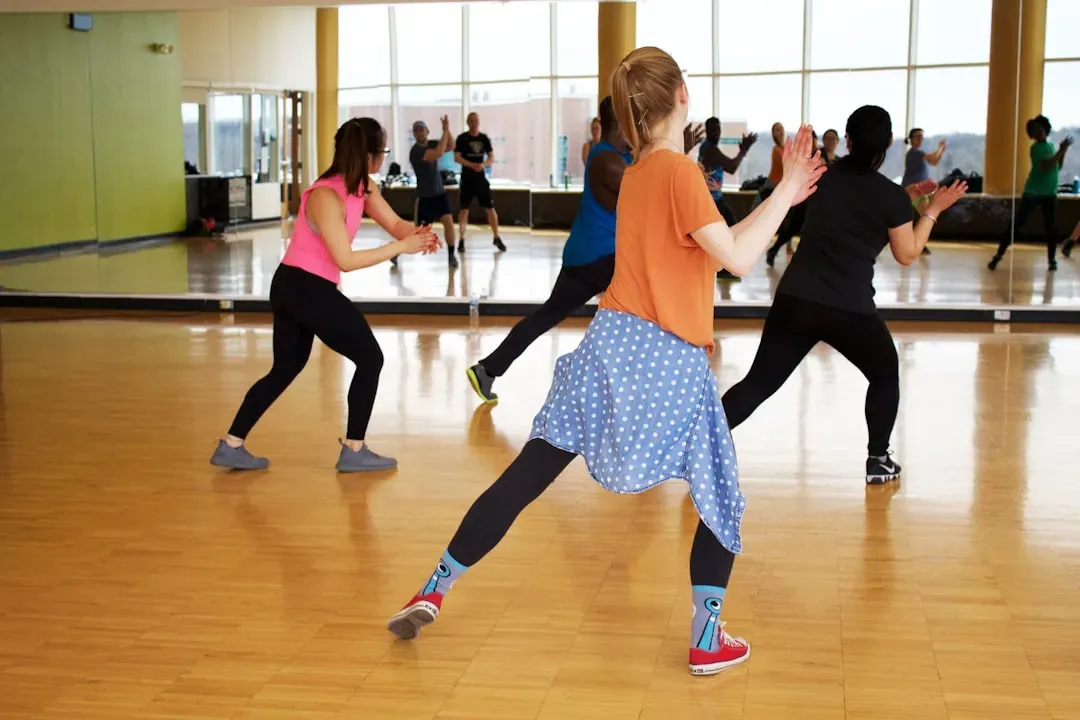
Dance is one of the best activities to boost brain health, as learning dance steps promotes muscle memory, coordination, and rhythmic cognition. It’s not just about moving your body. When you dance, you’re forcing your brain to coordinate complex sequences of movements with music, spatial awareness, and sometimes a partner’s movements too.
The cognitive load is intense in the best way possible. Your brain has to remember choreography, anticipate the next step, maintain balance, and respond to rhythm all at the same time. Dancing is one of humanity’s oldest and most beloved forms of expression, and it can be a powerful tool in protecting your brain from decline. Whether you’re into ballroom, line dancing, or just freestyle movement in your living room, your neurons are forming new connections with every step.
Knitting and Crafts Provide Steady Cognitive Stimulation
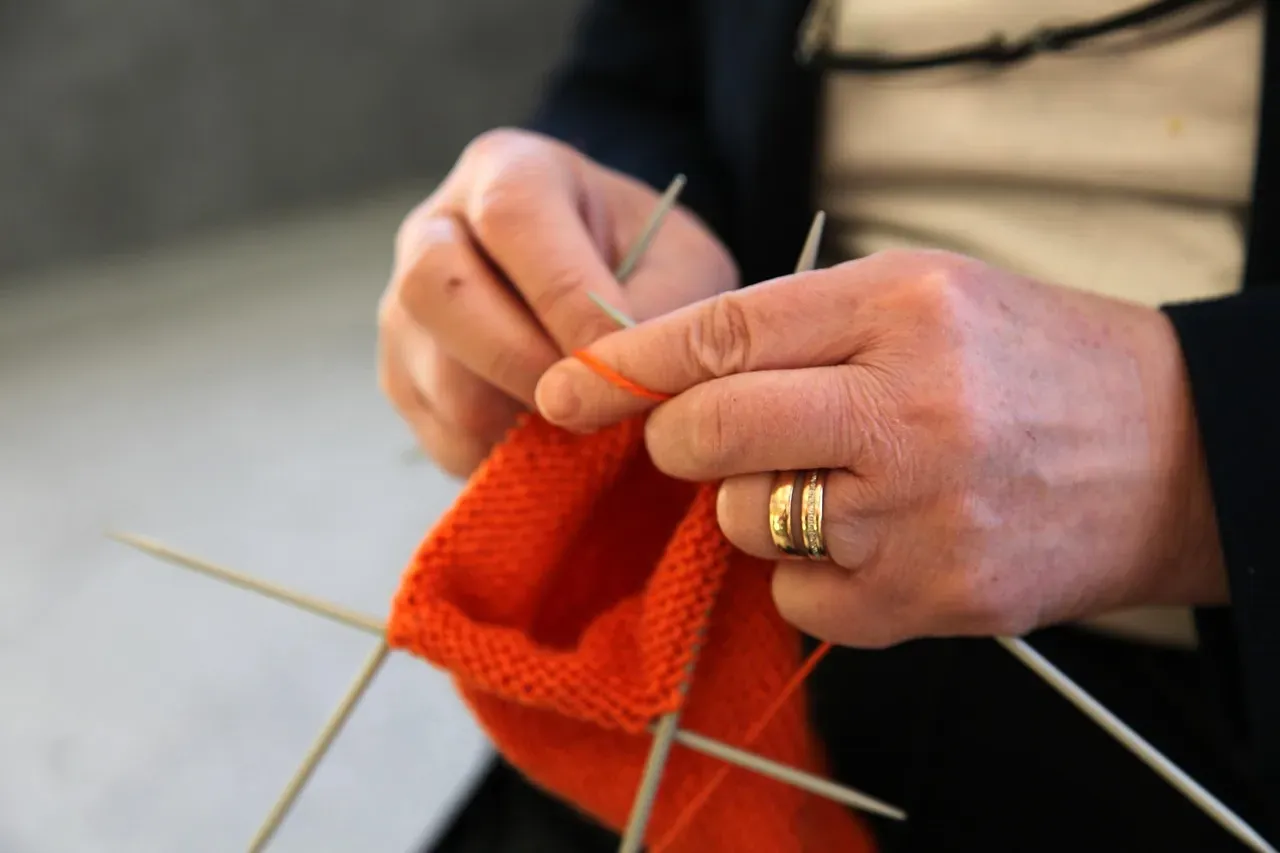
The rhythmic and repetitive motion of knitting can reduce stress, boost mood, improve concentration, help manage chronic pain, and even help treat addictions and eating disorders, plus it can boost brain health. The fact that you need to alternate your knit and purl stitches helps stimulate brain function, and when practised by older adults, this type of mental engagement has been shown to improve cognitive skills like memory and reasoning.
I know it sounds almost too simple to be true. Honestly, though, the science backs it up. Unlike the dopamine spikes triggered by scrolling or sugar, knitting provides a slower, steadier reward. A study of people aged between 70 and 89 found that those who practised crafts, including knitting, had a reduced chance of developing cognitive impairment and memory loss. The tactile, sequential nature of these hobbies keeps multiple brain regions active simultaneously.
Learning a Musical Instrument Increases Brain Volume

Learning to play a musical instrument is an activity considered to increase volume in many brain regions, as playing an instrument involves multiple sensory and motor systems, and lifelong musical practice has been associated with a lower risk of dementia and cognitive impairment, as well as improved memory.
Let’s be real: picking up an instrument as an adult can feel awkward at first. Still, even short periods of musical training show brain benefits. When you play music, you’re reading notation, coordinating both hands differently, listening critically, and often counting beats. Musical training may also benefit brain functioning in adults. Your brain is essentially doing mental gymnastics, and the payoff goes far beyond being able to impress people at parties.
Reading Actively Protects Against Cognitive Decline

Reading can slow down the progress of memory deterioration, as research shows that reading stimulates the mind and reduces the risk of Alzheimer’s disease and mental decline in old age, and spending some time reading every day can maintain your memory strength.
When you read, your brain creates mental imagery, follows narrative arcs, remembers characters and plot details, and makes inferences about what might happen next. Reading is a simple yet powerful way to stimulate your brain, as it enhances vocabulary, comprehension, and empathy. The best part? It doesn’t matter whether you’re reading mystery novels, biographies, or scientific journals. The act of sustained reading itself provides cognitive benefits that compound over time.
Playing Card Games and Board Games Sharpens Strategic Thinking
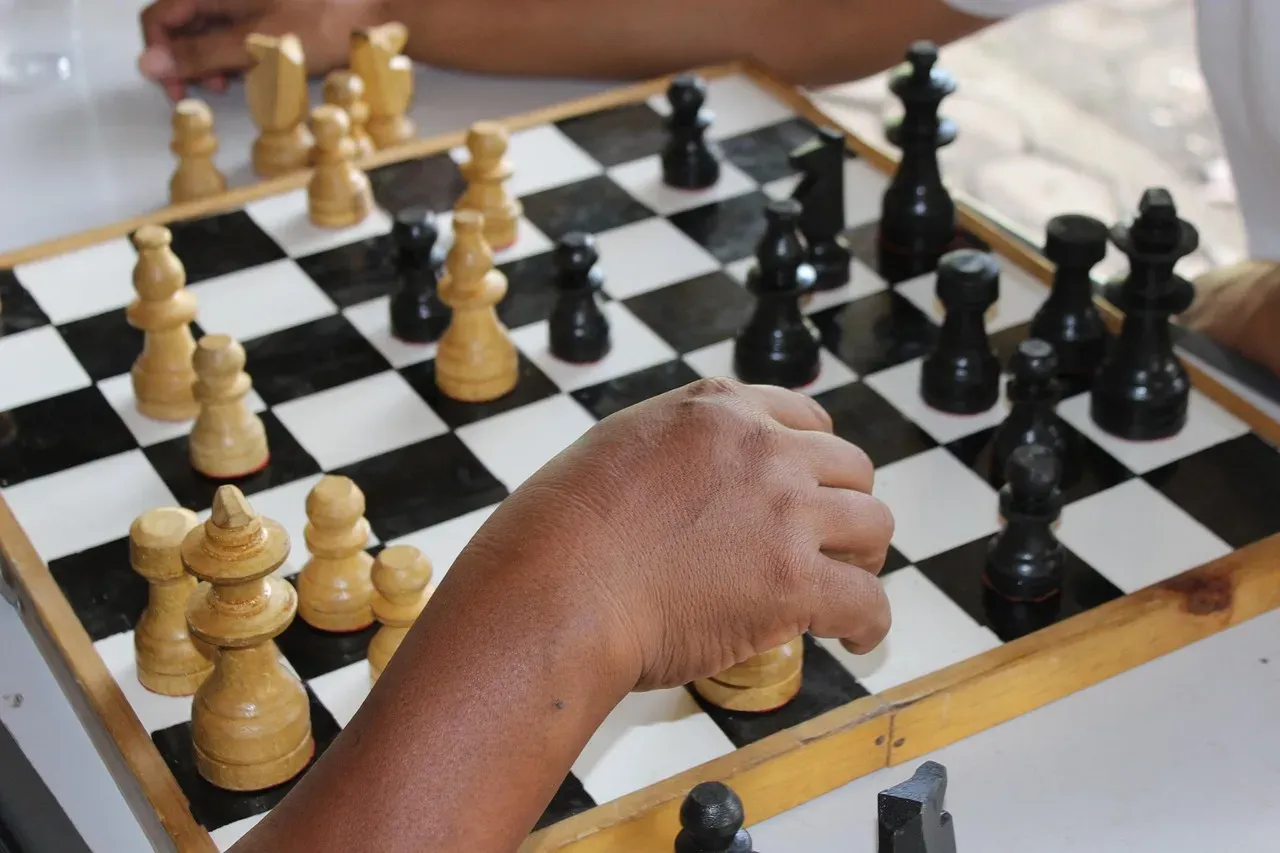
Bridge is especially beneficial thanks to its unique blend of analytical reasoning and creative problem solving, and this constant strategic thinking improves memory, logic, and concentration, with many of the world’s top bridge players crediting the game with keeping their minds sharp. Some studies even suggest that the mental workout of bridge may help delay cognitive decline.
Card and board games force you into active problem solving mode. You’re calculating probabilities, remembering what cards have been played, anticipating opponents’ moves, and adjusting your strategy in real time. Regularly playing card games or solving puzzles can help improve memory and increase mental sharpness. Chess, Scrabble, poker, or even simple card games all require your brain to work in ways that build cognitive resilience.
Puzzles Build Mental Flexibility and Pattern Recognition
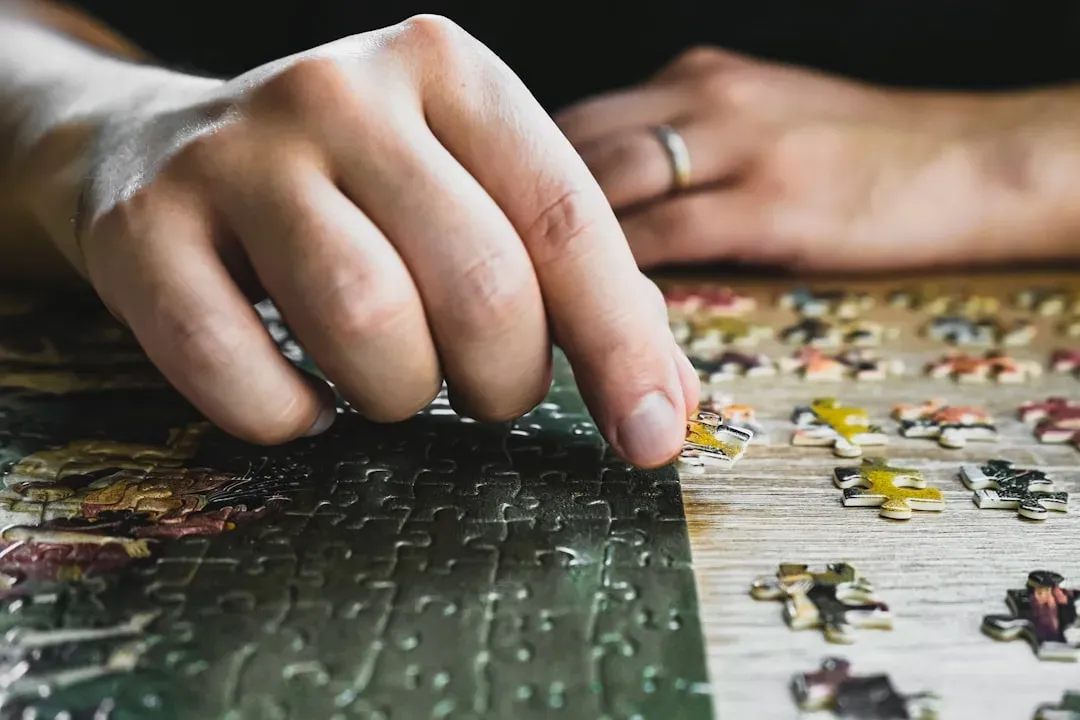
A study found that computerized crossword puzzles could help improve cognitive function in people with mild cognitive impairment, with crosswords appearing to be more beneficial for the brain than computerized games. The study concluded that doing jigsaw puzzles regularly and throughout life may protect against the effects of brain aging.
Solving a puzzle uses several brain activities and forms of intelligence working together, and solving a jigsaw, crossword, or word search puzzle is a calm and easily accessible activity that stimulates brain function and strengthens mental muscles. Whether you prefer sudoku, crosswords, jigsaw puzzles, or logic games, the mental effort required to recognize patterns and solve problems keeps your neural pathways active. These activities are like strength training for your mind.
Writing and Journaling Improve Memory and Emotional Processing

Freewriting or journaling isn’t about writing a book, it’s about writing whatever thoughts come to mind and has big benefits for overall health and brain function, as expressive writing has been linked to lower stress, improved bodily function, improved mood and increased working memory capacity.
Expressive writing and journaling are wonderful activities that improve memory and emotional insight, and by documenting personal experiences, people reflect on life, stimulating both logic and creativity, as writing engages multiple brain regions. Studies have found handwriting creates more brain activity than typing. The act of organizing your thoughts into coherent sentences and narratives activates numerous cognitive processes simultaneously.
Engaging in Multiple Hobbies Maximizes Brain Benefits

Engaging in a broad range of leisure activities may strongly affect brain volume as it may lead to strong stimulation of the brain and enhance neuroplasticity, and several studies have found that engaging in a broader range of activities lowers the risk of dementia and is associated with higher cognitive test scores.
Participants with three or more types of leisure activities had significantly greater total hippocampal and gray matter volumes than their no-activity counterparts. Here’s the thing about variety: different hobbies activate different neural networks. When you mix creative pursuits with physical activities, social games, and intellectual challenges, you’re giving your entire brain a comprehensive workout. Engaging in hobbies can contribute to personal growth, reduce stress, and foster social connections through community involvement and active participation. It’s hard to say for sure, but diversity in your leisure time might be one of the most powerful protective factors for long term cognitive health.
Conclusion

The hobbies you pursue aren’t just pleasant ways to fill your spare time. The results suggest that creativity could be prescribed, much like exercise, as a low-cost, accessible, and powerful way to protect brain health. From creative pursuits that turn back your brain clock to the varied activities that build cognitive reserve, your leisure time is an investment in your mental future.
Over time, when we no longer take on mental challenges, our brains begin to atrophy. The beauty of this research is that you don’t need expensive interventions or complicated protocols. You just need to engage meaningfully with activities you enjoy. So what hobby have you been putting off? Maybe it’s time to finally start. What will you choose to boost your brain today?