Have you ever wondered why some people just seem to get you? Why certain individuals have that uncanny ability to sense what you’re feeling before you even say a word? That’s the magic of empathy at work.
Empathy isn’t just something you’re born with. It’s actually a habit you can cultivate to improve the quality of your own life. The fascinating part is that many engage in behaviors so subtle that they barely notice them themselves. These aren’t grand gestures or obvious displays of compassion. They’re quiet, almost invisible actions that speak volumes about how deeply you understand others. So if you’ve ever been called too sensitive or told you care too much, maybe you’re already practicing some of these habits without even knowing it. Let’s dive in and explore what truly sets apart.
You Listen Without Planning Your Response
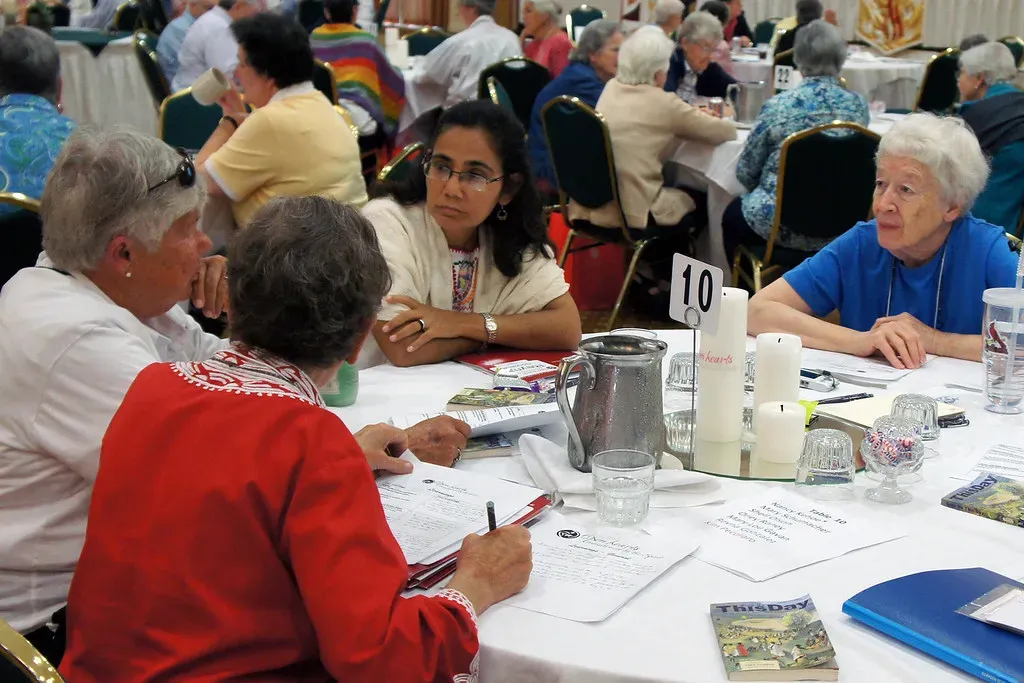
When someone speaks, listen hard to others and do all they can to grasp their emotional state and needs, whether it’s a friend who has just been diagnosed with cancer or a spouse who is upset at them for working late yet again. You’re not just hearing words. You’re absorbing tone, watching facial expressions, catching the subtle pauses.
While most people are busy formulating their next clever reply, you’re fully present in the moment. You carefully listen to the words as well as study any non-verbal clues, focusing your thoughts in the present moment and staying engaged in the conversation. This isn’t a conscious performance. It’s just how you operate, because understanding someone else’s reality genuinely matters more to you than showcasing your own thoughts.
You Ask Questions That Others Don’t Think to Ask

Highly empathic people have an insatiable curiosity about strangers, talking to the person sitting next to them on the bus, having retained that natural inquisitiveness we all had as children. It’s not about being nosy or prying into someone’s life. It’s about genuine interest in understanding who people really are beneath the surface.
You might ask someone how they’re really feeling rather than accepting a simple fine. They find other people more interesting than themselves but are not out to interrogate them. Your questions come from a place of warmth and authentic care, not judgment. This approach often catches people off guard in the best way possible, making them feel truly seen for perhaps the first time in a while.
You Feel Physically Affected by Others’ Pain

Here’s where empathy moves beyond the emotional realm into something almost eerie. When someone is sick or injured, you might even go so far as to feel their ailment as if it’s your own, having actual physical sensations like pain, tightness, or soreness in the same areas of the body. This isn’t hypochondria or attention seeking.
People who have high levels of empathy also have very active mirror neurons, the part of the brain that reads emotional cues from other people. If you’re an empath, it’s likely that you can pick up on tiny changes in expression, body language, or tone of voice that others miss, and you basically live through the feeling as if it were your own. It can be uncomfortable, even debilitating at times, yet it’s also what makes you such an exceptional caregiver when people need support.
You Need Alone Time to Recharge After Social Interactions

Empaths enjoy the company and connection of others, but they typically need alone time to recharge, as an empath is like an emotional sponge that absorbs the stress and also the positive emotions into their own bodies from other people. This doesn’t mean you’re antisocial or unfriendly. Far from it.
After absorbing everyone’s emotional energy at a gathering, you simply need space to decompress and reconnect with your own feelings. You might prefer taking your own car to events so you can leave when you need to. You don’t know how to block out other people’s emotions since you’re so invested in those of others, which can make you feel anxious, suffocated, and exhausted. Self-care isn’t optional for you. It’s survival.
You Trust Your Gut Instincts About People

You tend to be able to pick up on subtle cues that provide insight on the thoughts of others. When something feels off about a person or situation, you usually turn out to be right. It’s not that you’re cynical or suspicious by nature. You just notice things that don’t add up.
You read people easily, so you can more easily detect when someone is lying, as empaths can immediately sense when something feels right or if it feels off. Maybe their body language contradicts their words, or their tone doesn’t match their message. Your heightened sensitivity to emotional undercurrents serves as a built-in truth detector, though it can sometimes make trusting people more complicated than you’d like.
You Make Yourself Vulnerable in Conversations

Highly empathic people make themselves vulnerable by removing their masks and revealing their feelings to someone, which is vital for creating a strong empathic bond, as empathy is a two-way street built upon mutual understanding. You don’t just listen. You share your own experiences and emotions too.
This openness creates safety for others to do the same. When you show your authentic self, flaws and all, people feel permission to drop their own protective shields. It’s a subtle dance of give and take, where vulnerability becomes the bridge to genuine connection rather than a weakness to hide.
You’re the Person People Confide In

Because people see you as an empathetic listener, they will tell you things they often won’t tell anyone else and ask for your advice, often hearing “I’ve never told anyone this before” even from people you’ve just met. There’s something about your presence that makes people feel safe enough to share their deepest concerns.
The defining empath trait is the ability to truly understand other people’s feelings, and you may notice that people tend to share their problems and concerns with you. You might find yourself in the role of unofficial therapist among your friends and family. While this can be rewarding, it’s also important to maintain boundaries so you don’t become overwhelmed by carrying everyone else’s burdens.
You Notice When Someone’s Mood Shifts

If you’re in a social situation, and you can tell that your friend is upset without any obvious clues, you’re likely an empath, as even subtle clues, such as facial expressions, are easy for you to read. You don’t need someone to announce their feelings. You just know.
You can walk into a room and immediately sense the tension from an argument that happened earlier. You are sensitive to the mood in a room and the atmosphere of a place, avoiding being in certain rooms or buildings as they feel uncomfortable or uneasy somehow. This awareness allows you to respond with appropriate sensitivity, adjusting your behavior to meet the emotional needs of the moment rather than bulldozing through obliviously.
You Choose Kindness Even When It’s Difficult

Being empathetic means being mindful of the potential impact your words and actions can have on others, so you tend to be careful with what you choose to impart, as the last thing you want to do is cause harm to others and damage their self-worth. You weigh your words carefully, considering how they might land.
This doesn’t mean you avoid difficult conversations or never disagree with anyone. It means you approach conflict with compassion, always aware that your words have power. When you have empathy, one of the more telltale signs of it is harboring a non-judgmental attitude and approach to situations and people. You’d rather build bridges than burn them, even when it would be easier to lash out or dismiss someone’s perspective entirely.
You Put Others’ Needs Before Your Own

An empathetic person places the needs of people, even animals, over their own, as empathic people are often people pleasers who put other people first and want to help others with large hearts, but they often give too much away and end up exhausted. You find it almost automatic to prioritize someone else’s comfort or happiness.
Those who are highly empathetic are inclined to take care of others before taking care of themselves, completely putting themselves in the shoes of the people or animals that they are caring for, putting others first over their own needs, though they might neglect their own needs. This selflessness is beautiful, yet it can become problematic if you consistently ignore your own emotional and physical well-being. Learning to extend some of that compassion toward yourself is just as important as offering it to others.
Conclusion

We can nurture empathy’s growth throughout our lives and use it as a radical force for social transformation. The habits we’ve explored aren’t weaknesses or burdens. They’re profound strengths that allow you to connect with humanity in ways that many people never experience. Being highly empathetic means you feel life more intensely, both the joy and the pain.
Yes, the world can feel overwhelming when you’re constantly tuned into everyone else’s emotional frequency. Setting boundaries isn’t selfish. It’s necessary. Remember that you can’t pour from an empty cup, so taking time to recharge and care for yourself allows you to continue being that beacon of understanding for others. So what do you think? Did any of these habits resonate with you?