The illegal trade in fossils represents one of the most concerning intersections of science, commerce, and criminal activity in our modern world. Each year, countless scientifically valuable specimens disappear from their countries of origin, finding their way into private collections through shadowy networks of dealers and middlemen. This black market doesn’t just represent a loss of natural heritage—it actively undermines paleontological research and promotes fraudulent scientific practices.
As legitimate researchers struggle to access critical specimens, those with financial means can purchase prehistoric treasures with little regard for their scientific significance. This growing problem threatens our collective understanding of Earth’s history and evolution, creating ripple effects throughout the scientific community.
The Scale of the Fossil Black Market
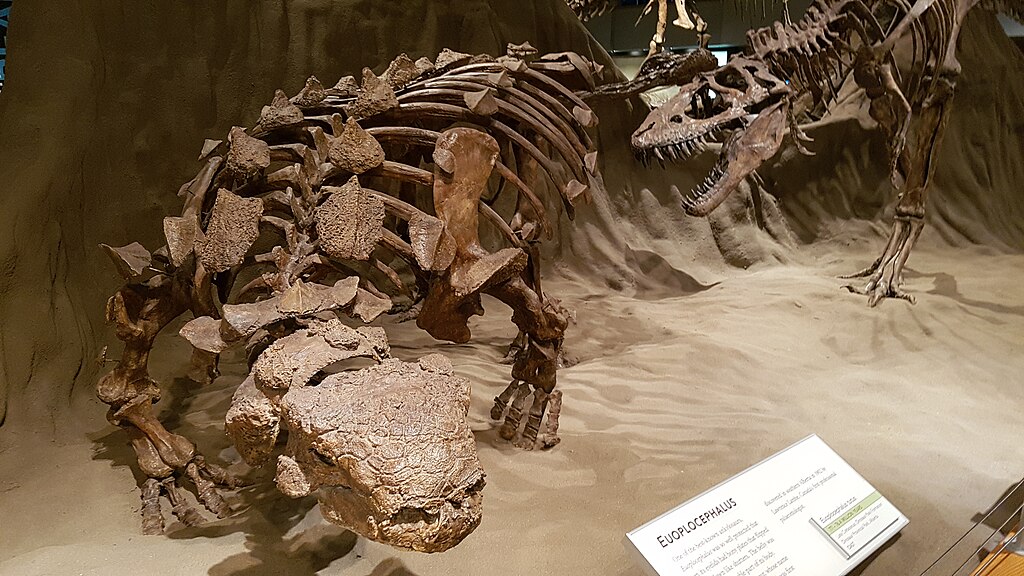
The illegal fossil trade operates on a staggering scale, with estimates suggesting it generates hundreds of millions of dollars annually. Unlike other black markets that deal in contraband like drugs or weapons, the fossil trade often operates in a gray legal area, with specimens openly sold at high-end auctions, exclusive dealer shows, and increasingly through online marketplaces. C
ountries like Mongolia, Morocco, China, and Brazil have become hotspots for fossil poaching, where economic necessity drives local people to extract specimens illegally. In 2012, a nearly complete Tyrannosaurus bataar skeleton sold for over $1 million at auction before being repatriated to Mongolia after legal intervention. This case represents just the visible tip of an enormous underground industry that continually funnels scientifically priceless specimens away from researchers and into private hands.
Historical Context of Fossil Collection
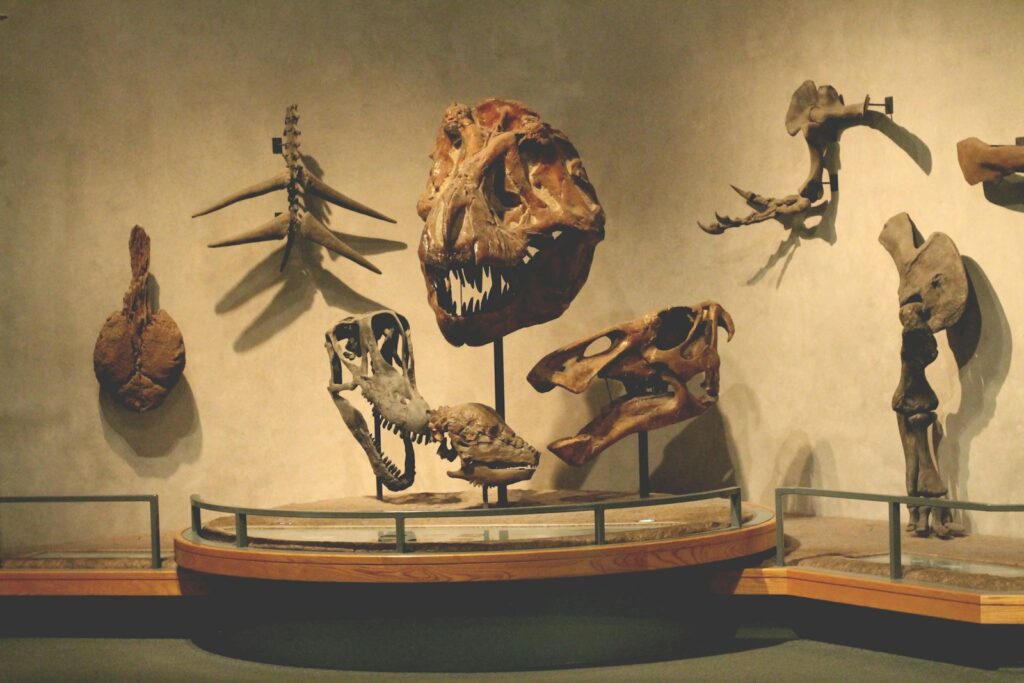
The collecting of fossils has a complex history that long predates modern scientific understanding. Indigenous cultures worldwide recognized and collected fossils for millennia, often incorporating them into cultural and spiritual contexts. The Victorian era saw a boom in fossil collecting as a gentlemanly pursuit, with wealthy individuals assembling private collections that sometimes later formed the foundations of major museum holdings.
This history creates a complicated legacy for modern paleontology, where the line between legitimate collection and exploitation remains blurry. Many institutions benefited from colonial-era collecting practices that would be considered unethical or illegal today. This historical context helps explain why some collectors still view fossil acquisition as a noble pursuit rather than a potentially harmful activity, despite dramatic shifts in scientific and ethical standards.
Legal Frameworks and Their Limitations

The protection of fossils varies dramatically between countries, creating a patchwork of regulations that smugglers exploit with ease. Nations like Mongolia and China have strong legal protections declaring fossils national property, while others have vague or poorly enforced laws. The United States presents a particularly complicated case, where fossils found on private land typically belong to the landowner, creating legal avenues for specimens to enter the commercial market.
International agreements like UNESCO’s 1970 Convention on Cultural Property provide some framework for repatriation but remain difficult to enforce. Even when smugglers are caught, penalties are often minimal compared to the profits involved. This regulatory inconsistency creates convenient loopholes for dealers who can launder illegally obtained specimens through countries with weaker regulations before selling them in prestigious markets in Europe, Japan, and the United States.
The Damage to Scientific Progress

When fossils disappear into private collections, science suffers immeasurable harm beyond the simple loss of physical specimens. Crucial contextual information about exactly where and how fossils were found—data essential for accurate dating and environmental reconstruction—is typically lost when specimens are extracted hastily by untrained collectors. Paleontologists call this “provenance information,” and without it, even the most spectacular fossil loses much of its scientific value.
Furthermore, the scientific process depends on repeatability and verification, requiring researchers to access and re-examine specimens. Privately held fossils become unavailable for this crucial scientific scrutiny, creating a body of research that cannot be properly verified. Some scientists estimate that for every scientifically significant fossil properly collected and documented by researchers, dozens are lost to private collectors who may keep them hidden from scientific study forever.
How Fossil Poaching Works

The journey of an illegally obtained fossil typically begins with local collectors who, often facing economic hardship, extract specimens using crude methods that frequently damage the fossils and destroy contextual evidence. These individuals typically receive a tiny fraction of the specimen’s ultimate market value—sometimes just a few dollars for fossils that will eventually sell for hundreds of thousands. The specimens then move through a chain of middlemen who progressively “launder” them by creating false documentation about their origins and collection history.
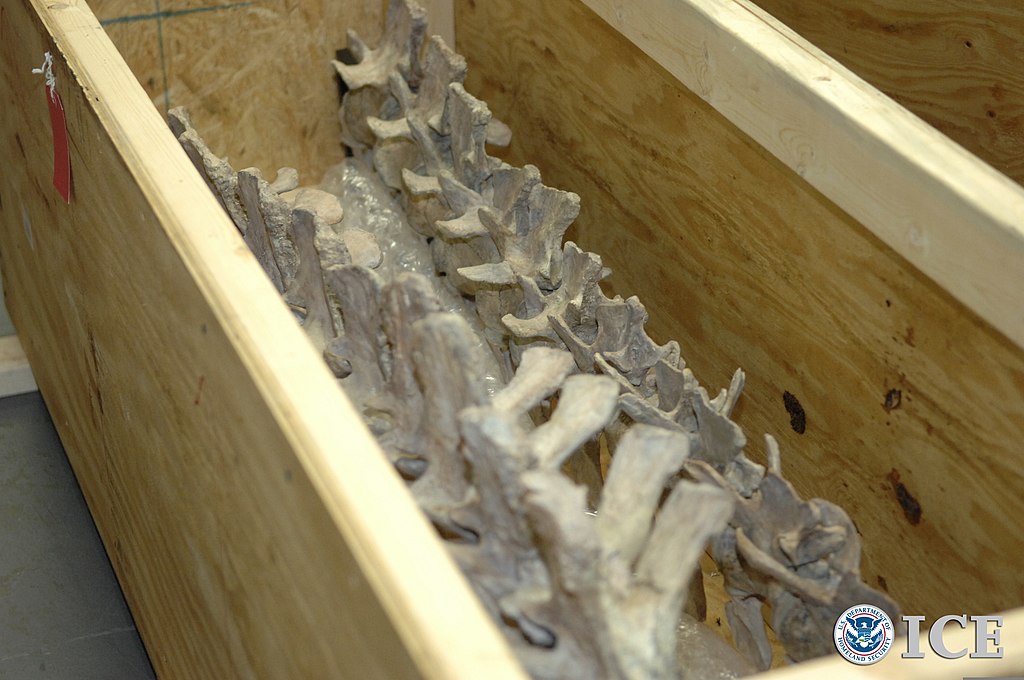
Sophisticated smuggling operations may use fake export permits, mislabeling fossils as rock samples or artwork, or shipping them through countries with minimal enforcement. In Mongolia’s Gobi Desert, teams have been known to extract entire dinosaur skeletons overnight, breaking them into transportable pieces and slipping across borders before authorities can respond. By the time these specimens reach high-end dealers in New York, London, or Tokyo, they come with carefully crafted stories that obscure their illegal origins.
The Problem of “Composite” and Fabricated Fossils
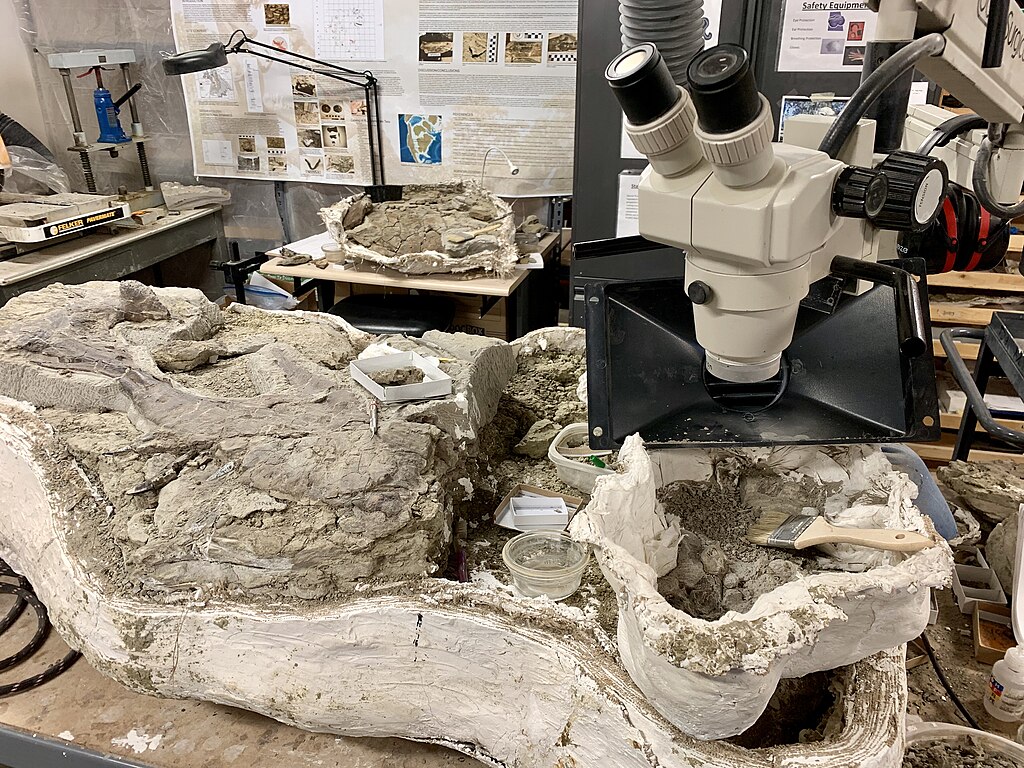
The black market has spawned another troubling practice: the creation of composite or entirely fabricated fossils designed to fetch high prices from non-expert collectors. Unscrupulous dealers combine fragments from different specimens—sometimes even different species—to create more complete and visually impressive fossils that command premium prices. More alarmingly, some operations, particularly in certain regions of China, have developed sophisticated methods for creating entirely fake fossils that can fool even experienced collectors.
The infamous “Archaeoraptor” scandal of 1999, where a purported “missing link” between dinosaurs and birds was actually a composite of multiple unrelated fossils, highlights this problem. These practices not only defraud buyers but can introduce completely erroneous specimens into scientific literature if researchers unwittingly study these fabrications. The pressure to acquire spectacular new specimens drives prices higher, creating financial incentives for ever more elaborate forgeries that further contaminate the fossil record.
The Celebrity Fossil Problem
High-profile auctions of spectacular fossils to wealthy collectors have created a troubling “celebrity fossil” phenomenon that distorts both public understanding and the fossil market itself. When specimens like “Sue” the T. rex sell for millions of dollars, it creates the impression that fossils are primarily valuable as status symbols or investments rather than irreplaceable scientific resources. Celebrities and business moguls who purchase important specimens as conversation pieces contribute to normalizing what scientists consider a deeply problematic practice.
Even when private owners allow some scientific access to their specimens, this creates a power dynamic where researchers must court wealthy individuals for permission to study material that many scientists believe should be public heritage. The astronomical prices commanded by these specimens also incentivize more illegal collecting, as potential profits outweigh the risks of detection. This celebrity fossil culture has been amplified by films and media that romanticize fossil hunting while rarely addressing the ethical complexities involved.
Digital Marketplaces and the Democratization of Fossil Trading
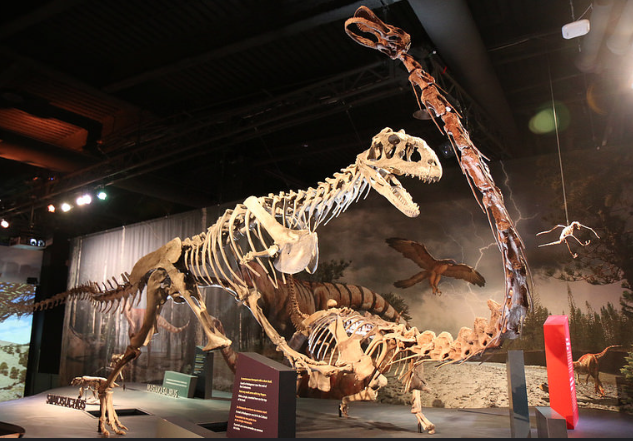
The internet has transformed the fossil black market from an exclusive, relationship-based business into a more accessible global marketplace. Online auction sites, social media platforms, and dedicated fossil-selling websites now connect sellers directly with buyers worldwide, bypassing traditional gatekeepers and enforcement mechanisms. A simple search reveals thousands of fossils for sale, from common ammonites worth a few dollars to rare vertebrate specimens commanding tens of thousands.
Many sellers provide minimal or dubious information about the specimens’ origins, making it nearly impossible to verify their legal status. This democratization of the fossil trade has created a new class of casual collectors who may not understand the ethical implications of their purchases. Enforcement agencies struggle to monitor these digital marketplaces effectively, especially when transactions cross multiple jurisdictional boundaries. The COVID-19 pandemic accelerated this trend as more dealers moved online, creating an even more diffuse market that operates largely beyond regulatory oversight.
Academic Complicity and Ethical Dilemmas

The relationship between academic paleontology and the commercial fossil market presents painful ethical dilemmas for researchers. Some scientists have faced criticism for studying privately owned specimens of questionable provenance, potentially legitimizing the commercial trade. Others argue that extracting scientific knowledge from these specimens represents a pragmatic compromise in an imperfect system. Museums face similar quandaries when offered donations of important but potentially illegally obtained specimens.
Accepting such donations might indirectly encourage more illegal collecting, while refusing them might consign scientifically valuable fossils to permanent obscurity in private collections. Some paleontologists have compromised their professional ethics by providing authentication services to commercial dealers or acting as consultants for private collectors, blurring the boundaries between scientific research and commercial exploitation. These ethical tensions divide the scientific community and complicate efforts to develop consistent approaches to addressing the black market problem.
Impact on Source Communities
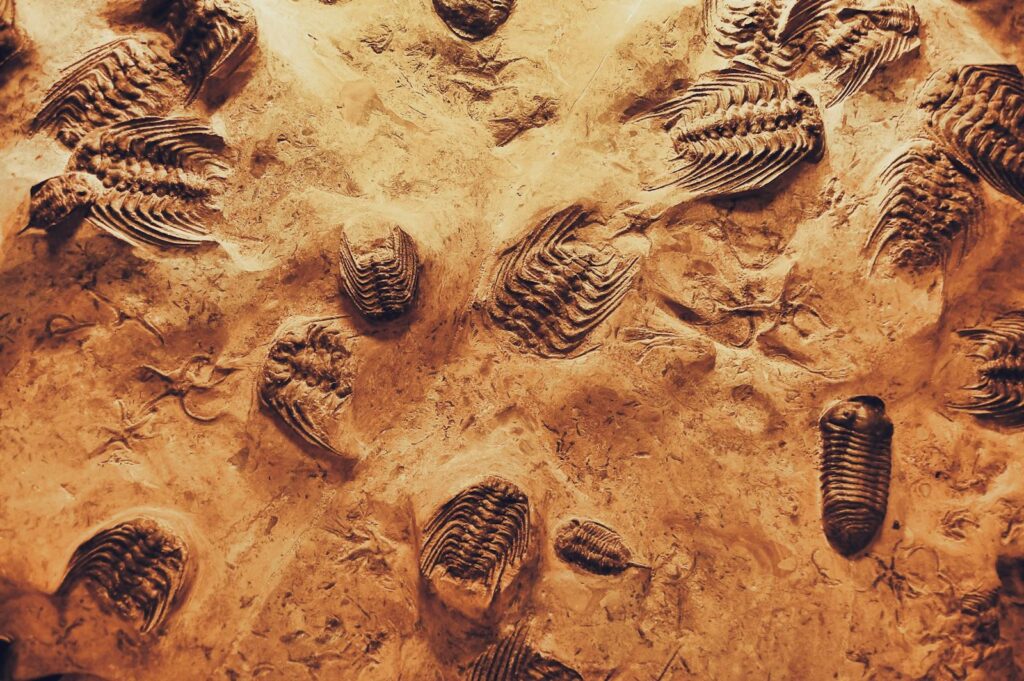
The fossil black market has profound impacts on the communities where these specimens originate, creating complex economic and cultural dynamics. While fossil poaching provides income in economically marginalized regions, it represents a form of resource exploitation that ultimately delivers only a tiny fraction of the specimens’ value to local communities. Countries like Mongolia and Morocco lose significant cultural and scientific heritage while receiving minimal economic benefit from their paleontological resources.
Some regions have attempted to develop sustainable alternatives through regulated fossil collecting or paleontological tourism that provides more equitable economic returns to local communities. The Kem Kem region of Morocco, for instance, has developed a semi-regulated fossil industry that, while imperfect, attempts to balance economic needs with scientific concerns. These community-based approaches recognize that effective solutions must address the economic realities driving local participation in fossil poaching, not just enforce prohibitions from afar.
Technological Solutions and Their Limitations

Emerging technologies offer potential tools for combating the fossil black market, though each comes with significant limitations. DNA testing can now verify the age and sometimes the origin of certain fossils, potentially identifying modern forgeries. Blockchain technology has been proposed as a way to create tamper-proof records of fossil provenance, though implementation remains challenging. Satellite monitoring of known fossil-rich regions can help authorities identify illegal excavations, as demonstrated in Mongolia’s Gobi Desert, where remote sensing has been used to detect unauthorized activities.
3D scanning and printing technologies allow museums to create precise replicas of important specimens, potentially satisfying some collector demand without endangering original material. However, these technological approaches cannot address the fundamental economic and regulatory issues driving the black market. They also require significant resources and international cooperation that remains elusive in many regions where fossil poaching is most prevalent.
Case Studies of Repatriation Efforts

Several high-profile cases have demonstrated the challenges and occasional successes in recovering illegally exported fossils. The Tarbosaurus bataar case of 2012 represents one of the most significant victories, where the U.S. government seized and returned a nearly complete dinosaur skeleton to Mongolia after it was sold at auction. Amateur paleontologist Eric Prokopi, who had prepared and consigned the specimen, eventually pled guilty to smuggling charges, establishing an important legal precedent.
Similarly, a collaborative effort between U.S. and Brazilian authorities resulted in the 2020 repatriation of numerous pterosaur fossils illegally exported from Brazil’s Araripe Basin. The international nature of these investigations requires complex coordination between law enforcement agencies across multiple countries. Even successful repatriations typically represent years of legal battles and diplomatic negotiations. Unfortunately, for every specimen successfully recovered, countless others remain in private hands, their scientific data forever compromised by their removal from their geological context.
Toward Sustainable Solutions

Addressing the fossil black market requires multifaceted approaches that balance scientific, economic, and cultural considerations. Some experts advocate for more nuanced regulatory frameworks that distinguish between common fossils that might be sustainably collected and rare specimens that require stricter protection. Collaborative models between academic institutions and local communities have shown promise in places like the Gobi Desert, where training programs enable local people to participate in legitimate paleontological work. Better public education about the scientific importance of proper fossil collection could help reduce demand from casual collectors who may not understand the implications of their purchases.
International coordination between law enforcement agencies needs strengthening, potentially through specialized units focused specifically on cultural and scientific heritage crimes. The paleontological community itself must develop clearer ethical guidelines regarding the study and publication of potentially illegally obtained specimens. Progress will likely require balancing idealistic goals with pragmatic compromises that acknowledge the complex realities driving this persistent black market.
Conclusion
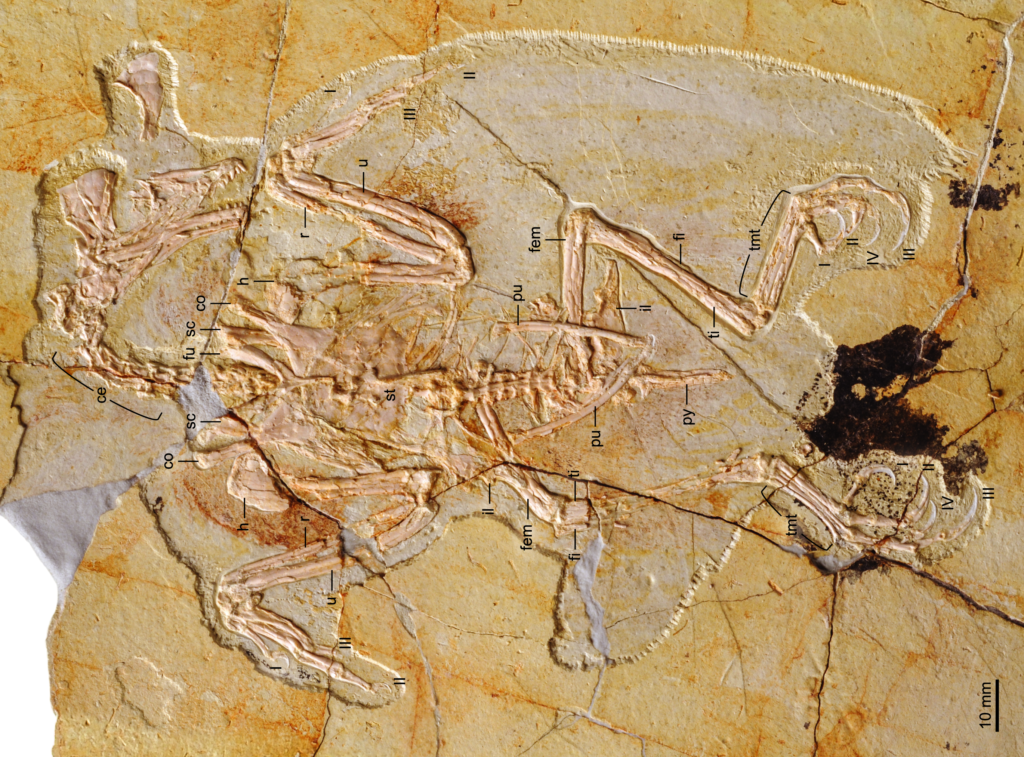
The black market for fossils represents far more than a simple legal infraction—it constitutes a systematic undermining of our collective scientific heritage and knowledge. Each illegally collected specimen represents not just a missing piece of the fossil record but potentially misleading or incomplete information that distorts our understanding of evolutionary history.
As technology makes these specimens increasingly accessible to wealthy buyers worldwide, the scientific community faces growing challenges in maintaining the integrity of paleontological research. Finding sustainable solutions will require unprecedented cooperation between scientists, governments, local communities, and ethical collectors to ensure that these irreplaceable windows into Earth’s past remain available for study and appreciation by all humanity, not just those with the financial means to acquire them. Only through such collaborative efforts can we hope to preserve both the specimens themselves and the crucial scientific knowledge they contain.