
You think you know astrology. You’ve read your horoscope, discovered your sun sign, maybe even explored your moon placement. That’s all well and good. Yet what if I told you that the astrology you know barely scratches the surface?
There’s something deeper waiting. Hidden beneath centuries of modern interpretation lies a network of ancient techniques that once revealed intricate details about your personality, fate, and life path. These methods have been mostly forgotten, overshadowed by the simplified zodiac columns in magazines and clickbait horoscopes online. Let’s be real, modern astrology has simplified things for mass consumption. The ancients saw the cosmos differently.
The Thirteenth Sign That Time Forgot
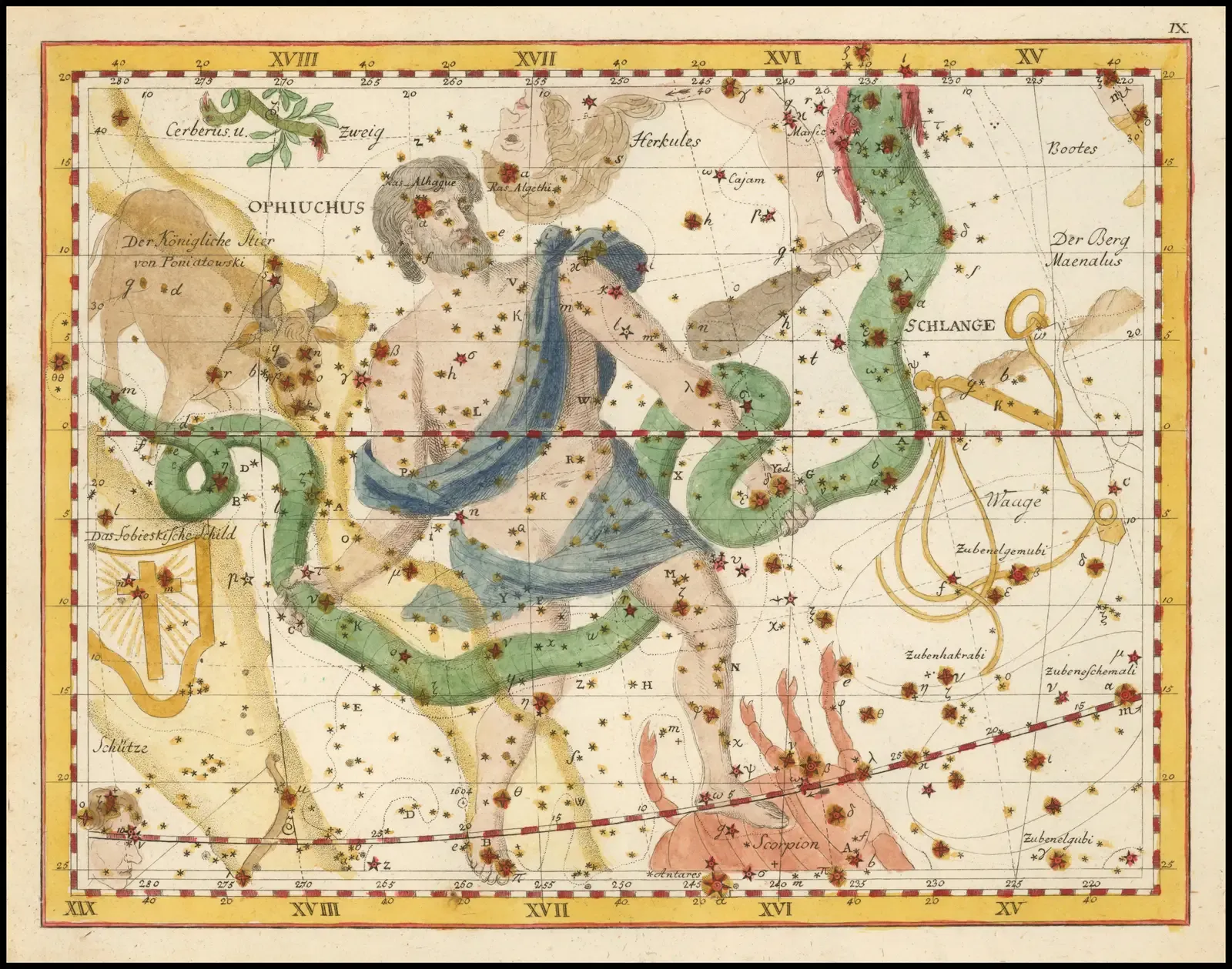
What many people don’t know is that there were originally thirteen zodiac signs, not twelve, with the thirteenth sign, known as Ophiuchus, largely overlooked in contemporary astrology. Let that sink in for a moment. You may have been reading the wrong sign your entire life.
Represented by a man holding a serpent, Ophiuchus is associated with healing and wisdom, and individuals born under this sign are believed to possess remarkable healing abilities and a deep desire to uncover the truth. This isn’t just some random constellation someone decided to ignore. This sign has power, depth, and a rich mythology connecting it to the Greek god of medicine, Asclepius. If you were born between late November and mid-December, you might actually belong to this hidden tradition of seekers and healers.
When Day Meets Night: The Forgotten Power of Sect

Here’s something that will change everything you thought you knew about yourself. Sect is an ancient astrological concept in which the seven traditional planets are assigned to two different categories: diurnal or nocturnal sect, and since some planets were seen to be stronger in a positive or masculine environment, and others were seen to be more effective in a negative or feminine environment, whether a planet is in sect in any given chart was of particular importance to Hellenistic astrologers, who gave sect greater weight than any other astrological factor.
Were you born during the day or at night? That simple fact completely transforms how your chart should be read. If you were born with the Sun above the horizon, then you have a Day Chart and the Sun, Jupiter, and Mars become key players for you, whereas if you were born with the Sun below the horizon, then you have a Night Chart and the Moon, Venus, and Saturn become highlighted for you. Think about the implications. Your entire personality framework shifts based on whether you took your first breath in sunlight or darkness.
The Babylonian Blueprint of Your Soul
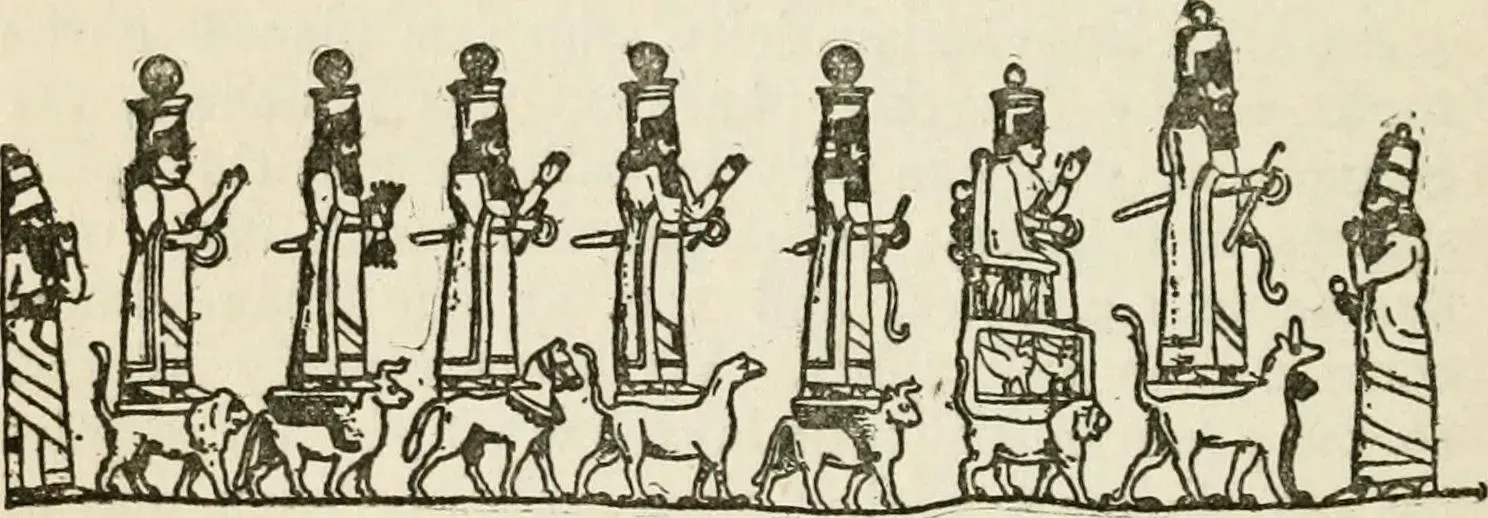
Babylonian astrology was the first known organized system of astrology, arising in the second millennium BC, and was originally exclusively mundane, being geographically oriented and specifically applied to countries, cities and nations. Long before Instagram astrologers, before medieval monks charting the heavens, the Babylonians gazed at the stars with a different purpose.
The Babylonians viewed the stars and the celestial phenomena as divine signs conveyed to people, with the position of the planets at the birth of a child revealing something about the child. They weren’t asking “will I find love this week?” They were asking fundamental questions about existence, destiny, and divine will. These horoscopes predicted a child’s future, personality, and the length of their life from planetary positions at the moment of birth. Your personality wasn’t just a collection of traits. It was written in the heavens at your first breath.
Egyptian Decans: The Lost Language of Time

The decans are 36 groups of stars used in ancient Egyptian astronomy to conveniently divide the 360 degree ecliptic into 36 parts of 10 degrees each, and they were used as a nocturnal clock beginning by at least the Ninth or Tenth Dynasty of Egypt in the 21st century BC. Imagine a system so sophisticated it divided the night sky into precise segments, each governed by specific deities and energies.
Decans were connected with the winds, the cardinal directions, sect, male and female, as well as the four humours, also these were hermetically considered linked with various diseases and with the timing for the engraving of talismans for curing them. The Egyptians didn’t separate the spiritual from the physical, the medical from the mystical. Every ten-degree segment of the sky held power over specific aspects of human life. This wasn’t simplified astrology. This was a complex system acknowledging that the cosmos operates on multiple levels simultaneously.
Hellenistic Fusion: Where Civilizations Met in the Stars
Something extraordinary happened in Alexandria around the late second or early first century BCE. Babylonian astrology was mixed with the Egyptian tradition of Decanic astrology to create horoscopic astrology. Two great civilizations, two profound systems, merged into something unprecedented.
Hellenistic and Late Antiquity astrologers built their craft upon Babylonian and to a lesser extent Egyptian astrological traditions, and developed their theoretical and technical doctrines using a combination of Stoic, Middle Platonic and Neopythagorean thought, offering fulfillment of a desire to systematically know where an individual stands in relation to the cosmos in a time of rapid political and social changes. This wasn’t just astrology anymore. This was philosophy meeting mathematics meeting spirituality. Your birth chart became a map of your place in the cosmos.
The Lots That Reveal Your Hidden Fortune
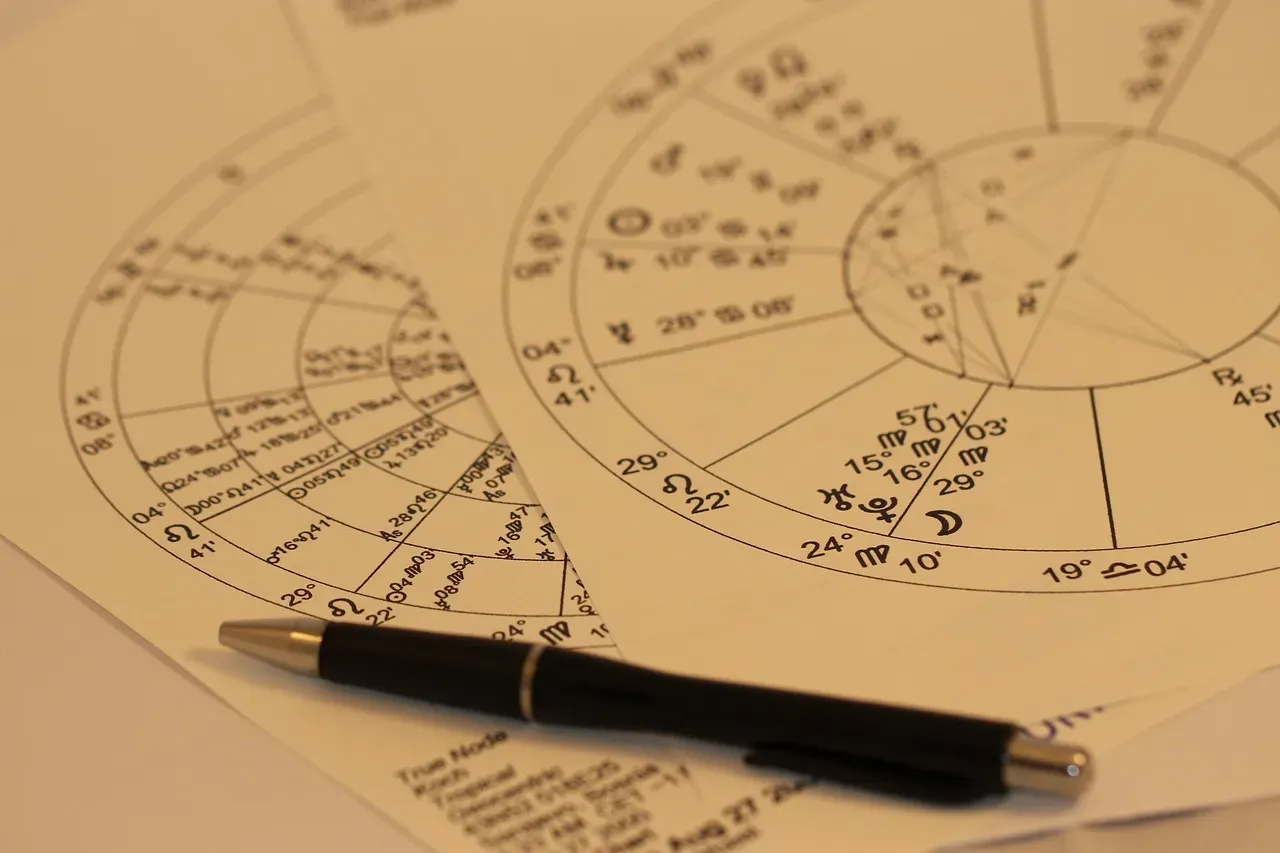
The most important of these were the Lot of Fortune and its complement, the Lot of Spirit, which Paulus used for almost every aspect of his analysis. These aren’t your typical astrological points. They’re calculated positions that reveal dimensions of your life modern astrology barely acknowledges.
The Lot of Fortune was used to represent the body, fortune, and health, while the Lot of Spirit represents the initiative taken by that person, or what use is made of what is given. One shows what life hands you. The other shows what you do with it. Arabic manuscripts show an explosion in the number of lots that were used over the next several centuries, with Persian astrologer Abu Ma’shar al-Balkhi describing no less than 55 lots. Imagine having 55 different calculated points in your chart, each revealing a different facet of your destiny, relationships, career, health, and spiritual path.
Vettius Valens: The Practitioner History Forgot
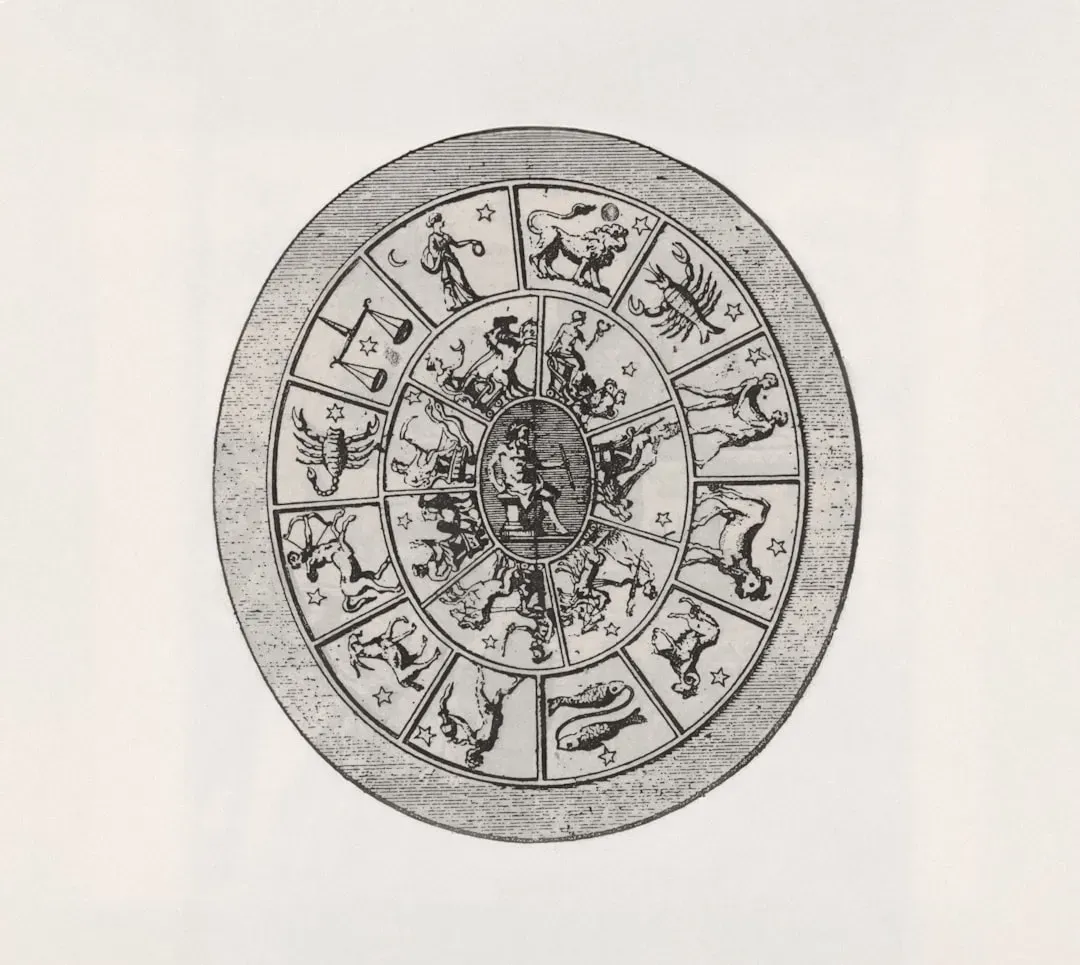
Vettius Valens remains astrology’s great forgotten revolutionary – a practitioner who combined rigorous technique with psychological insight, ancient wisdom with practical application, theoretical knowledge with real-world experience. While everyone knows Ptolemy, few have heard of Valens, yet his work may be more valuable to understanding actual astrological practice.
While Ptolemy focused heavily on the aspectual relationships between planets, Valens emphasized the use of lots and various time-lord systems, with mathematical points calculated from specific planetary positions acting like sensitive points in the chart that reveal hidden dimensions of a person’s life story. He didn’t theorize from an ivory tower. He worked with real clients, documented real charts, and developed techniques that actually predicted events with startling accuracy.
Zodiacal Releasing: The Timing Technique That Maps Your Life
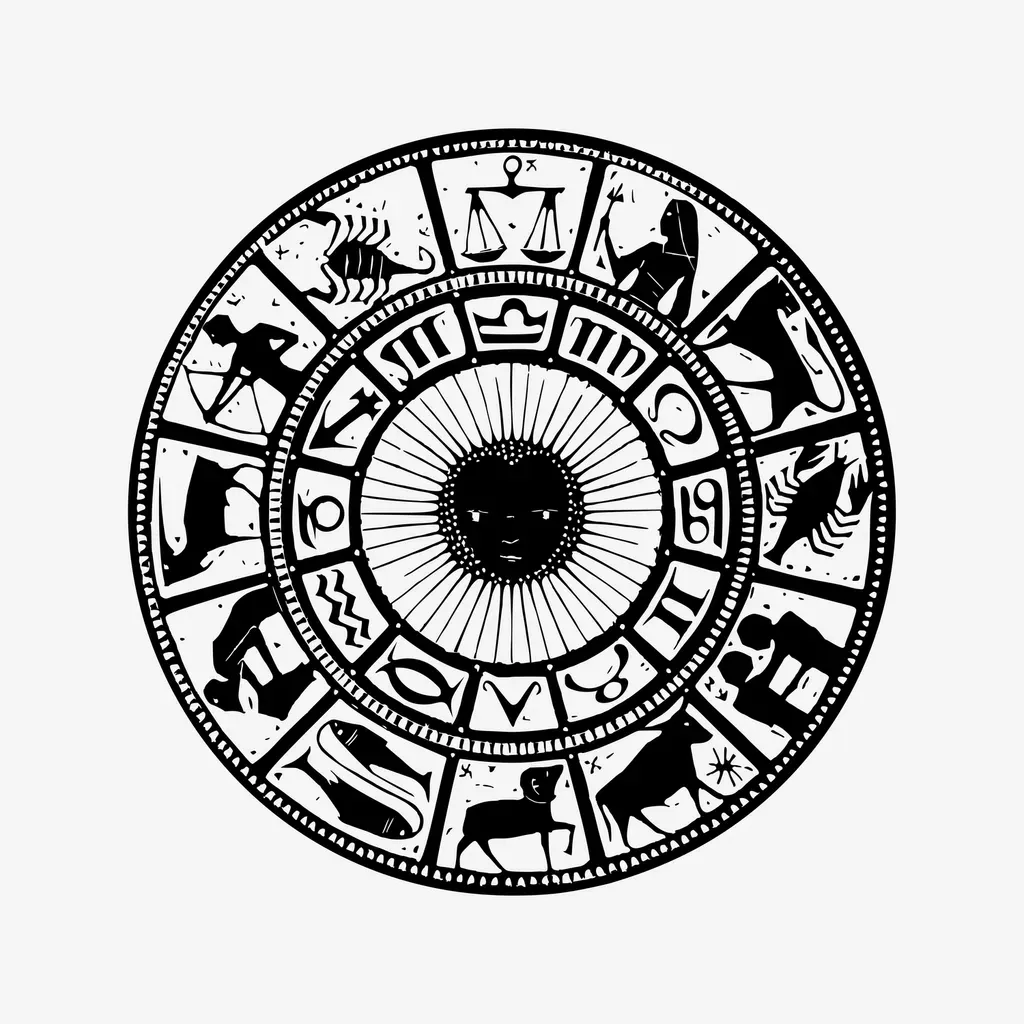
This technique sounds like science fiction, yet it’s based on rigorous ancient mathematics. Hellenistic astrologers used various predictive techniques, including Zodiacal Releasing and Annual Profections, to accurately pinpoint specific life events and transitions. You can actually identify the years, months, even periods of days when major life themes will activate.
Zodiacal Releasing is one of the most impressive and powerful time-lord systems that has been recovered from the Hellenistic tradition to date. Think of it as a roadmap for your life, showing when potential for visibility, purpose, love, or worldly success becomes activated. Modern astrology tells you about your personality. Ancient techniques told you when specific chapters of your life would unfold.
The Planetary Rulers You Never Knew You Had

Stoic-influenced astrologers went a step further than Stoic philosophers to define innate potentials of character by assigning them to the zodiac and planets, with virtuous and corrupt characteristics identified as determined by the potential of the natal chart, while external circumstances are indicated by the combination of this chart with transits of planets through time. Your chart wasn’t static. It was dynamic, interacting with cosmic time.
Astrology in the Hellenistic era informed medical theory with zodiacal and planetary melothesia, iatromathematics, sympathies and antipathies between healing plants and celestial bodies, and prognostication of the course of an illness. The ancients connected everything. Your personality traits linked to your physical body, which connected to specific plants and remedies, which aligned with planetary movements. They saw you as a holistic being in a living cosmos.
Why These Techniques Vanished and Why They Matter Now
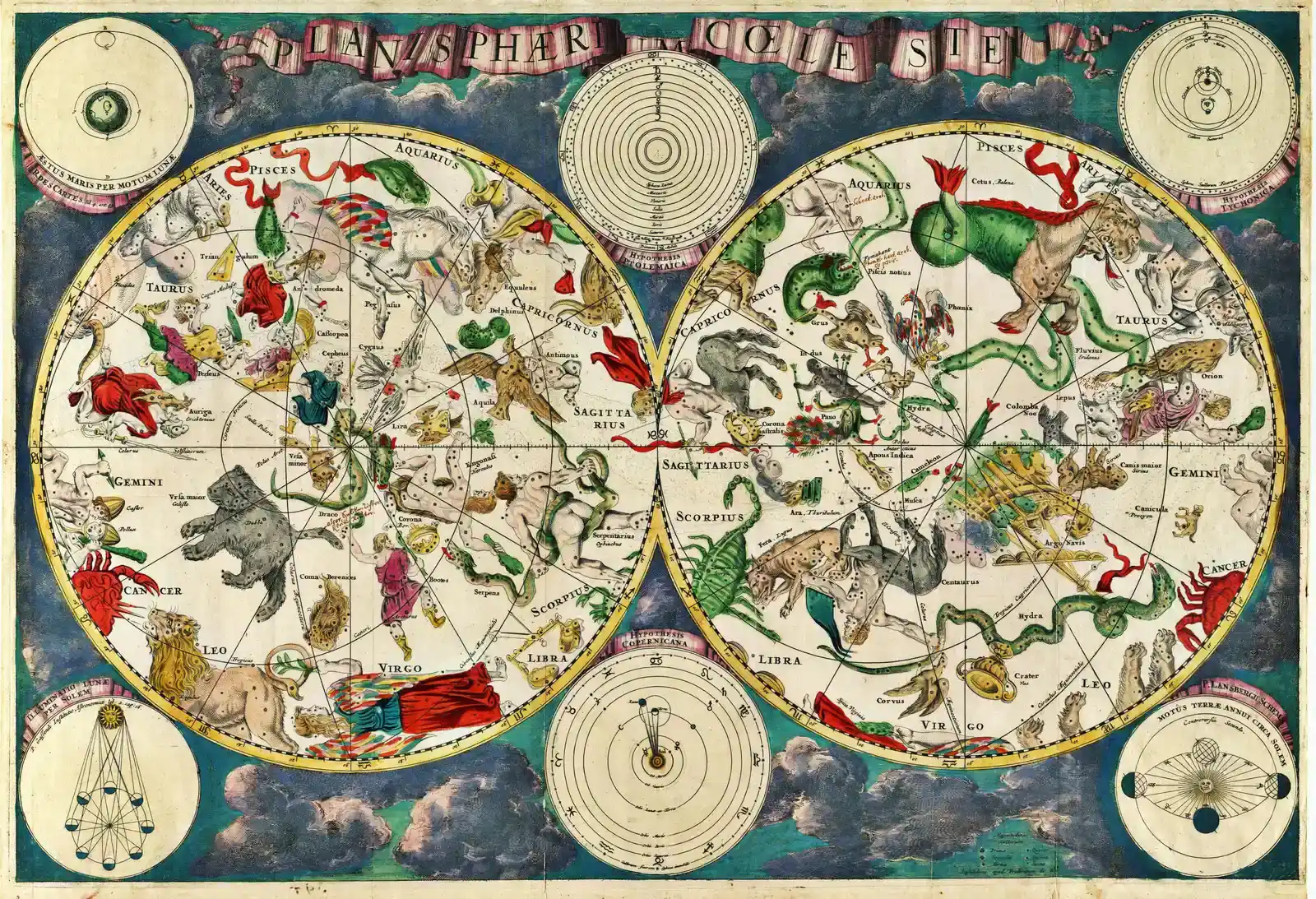
The systematic, fate-oriented approach of the original Hellenistic tradition largely remained obscured, and only in the late 20th century did astrologers begin translating and interpreting ancient Greek manuscripts in earnest, sparking today’s blossoming Hellenistic revival. For centuries, this knowledge was lost, buried in untranslated manuscripts, forgotten in dusty libraries.
Modern astrology, heavily influenced by 20th-century psychological schools, often emphasizes personality analysis, personal growth, and indefinite potentials, while many seekers yearn for the more predictive, concrete framework found in older texts. Modern approaches have value, absolutely. Yet they’ve traded precision for palatability, complexity for convenience. The ancient methods offer something different: structure, timing, and a connection to thousands of years of accumulated wisdom.
These forgotten techniques aren’t just historical curiosities. They’re tools that can reveal aspects of your personality and life path that modern astrology misses entirely. Your chart contains layers upon layers of meaning. The question is whether you’re willing to dig deeper than your sun sign to discover who you really are beneath the surface.
What secrets might be hiding in your own chart, waiting for you to rediscover them with these ancient eyes?