

You know the feeling. The sinking realization that you’re here again, stuck in another disappointing relationship with someone who just can’t seem to meet your needs. Maybe you tell yourself this time will be different, yet the same story keeps repeating. It’s frustrating, confusing, and honestly, exhausting.
Here’s the thing though: you’re not cursed, and you’re not doing it on purpose. What’s happening beneath the surface are deeply rooted psychological patterns that guide your choices without you even realizing it. These patterns are like invisible threads pulling you toward certain types of people, and until you understand them, the cycle continues. Let’s dive into the eight major psychological patterns that might be keeping you stuck, and what they really mean for your love life.
Your Childhood Attachment Style Is Running the Show

Your childhood relationships with your first social circle and painful events you experienced shape your attachment styles and sense of self-worth, and later in life, you tend to repeat unconsciously the types of attachment you’ve internalized. If your caregivers were inconsistent, emotionally distant, or neglectful, your nervous system learned to associate love with uncertainty.
People with an anxious attachment style are hyper-focused on relationships and may worry about rejection and abandonment if their caregiver was emotionally unavailable or inconsistent, making them question their partner’s feelings and commitment. On the flip side, individuals with a dismissive-avoidant style prefer independence, avoid closeness, and have disdain for people who want intimacy and a close relationship. Strangely enough, these opposing styles attract each other like magnets, creating a painful dance of pursuit and distance.
You’re Mistaking Emotional Unavailability for Depth

Many people confuse emotional unavailability with depth, viewing the brooding person who doesn’t share their feelings as mysterious. The person who keeps you at arm’s length suddenly feels intriguing, like a puzzle you’re meant to solve. Meanwhile, the person who’s openly affectionate and available can seem boring or too simple.
An often overlooked reason for why someone may be repeatedly drawn to emotionally unavailable partners is that some part of them is also unavailable. You can only be as emotionally connected to someone else as you are emotionally connected to yourself. Think about it: if you’re uncomfortable with vulnerability and deep emotional intimacy yourself, someone who demands that from you will feel threatening. The emotionally distant person feels safe because they won’t push you to go places you’re not ready to explore.
Low Self-Worth Is Your Invisible Magnet
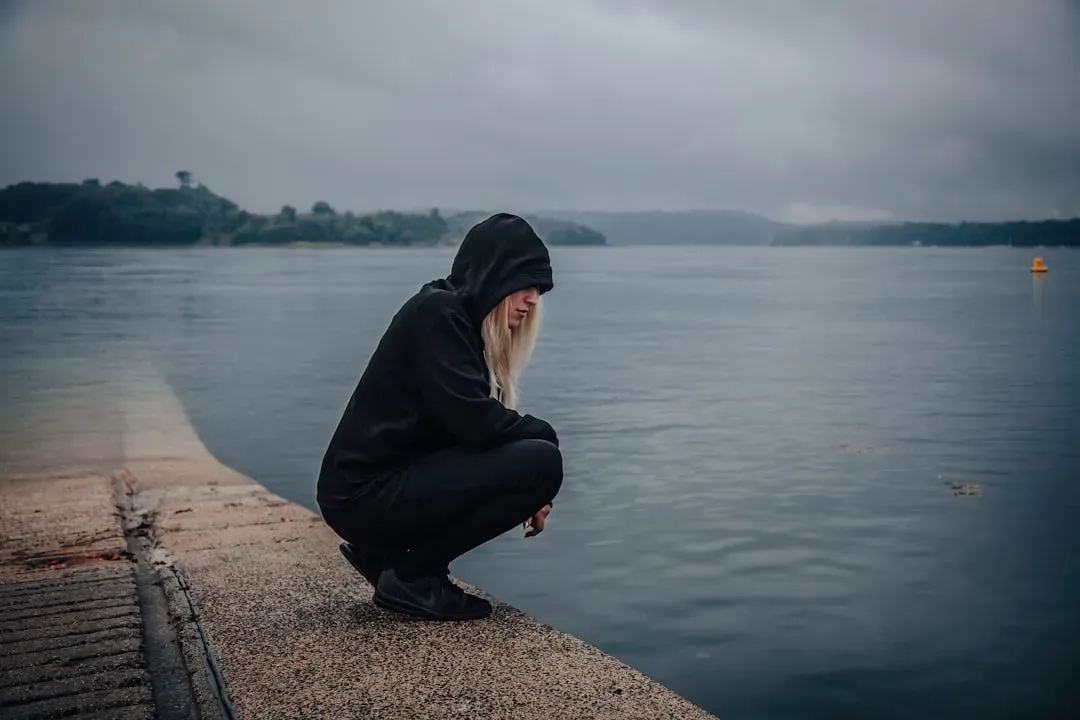
People who keep attracting the wrong partners often have a fragmented self-image, settling for mistreatment because some part of them believes they don’t deserve better, making low self-worth a magnet for emotionally unavailable or abusive people. When your sense of worthiness is depleted, you genuinely don’t believe you deserve loyalty, care, and consistent love.
When your overall sense of self-worth and confidence is rather depleted, you tend to feel that you do not deserve the best, and as a result, you tend to not attract people of high caliber, as most people in this phase do not believe they are good enough and deserve loyal, loving relationships. This creates a vicious cycle where you unconsciously seek out people who confirm your worst beliefs about yourself. You might even feel more comfortable with someone who treats you poorly because it matches what you think you deserve.
You’re Romanticizing Potential Instead of Reality

Potential is the biggest trap in modern relationships, as people think they’re being supportive or patient, but are really romanticizing someone who has shown no actual growth, making this a major reason why people keep attracting the wrong individuals by falling for who they could be rather than who they are. You see glimpses of greatness, moments of connection, and you hold onto those like precious treasures while ignoring the mountain of evidence showing who this person actually is right now.
Here’s a reality check: behavior is what matters, not potential. Behavior is real, and behavior is what matters. When you focus on what someone could become with your love, support, or patience, you’re essentially dating a fantasy. You’re not in a relationship with a real person; you’re in a relationship with your hopeful projection of them. That’s not love. That’s denial.
The Rescuer Complex Has You Hooked

Many people are attracted to people they think they can fix, seeing somebody with a need and deciding to try and save them, which means they’re selecting partners from their wounded self, the part that is damaged from past trauma, and subconsciously by trying to fix their partner, they’re acting in a way they would like to be treated. Being the fixer makes you feel valuable and needed.
One of the deepest reasons why people keep attracting the wrong individuals is that being the fixer makes them feel valuable, but it always ends in burnout, resentment, and emotional exhaustion. The problem is, you can’t heal someone else’s wounds. You can support them, sure, but the actual healing? That’s their work. When your identity becomes wrapped up in saving someone, you lose yourself completely, and the relationship becomes a one-sided mission rather than a mutual partnership.
You’re Recreating Familiar Patterns From Your Past

Unresolved wounds from childhood get played out in adult relationships, leading to endless cycles of attraction, rejection, and emotional dysfunction. Unconscious attraction makes people choose partners who help them recreate patterns, roles, and templates from childhood. If love felt chaotic, conditional, or hard-won growing up, calm and steady love as an adult can feel wrong or even boring.
You attract lots of different types of people, but there are some with whom you share a subtle language that you may not even know you’re speaking, and instead of passively attracting the wrong people, you actively engage with people who are familiar to you in ways you aren’t consciously aware of. Familiarity feels like home, even when home was painful. Your unconscious mind gravitates toward what it knows, mistaking repetition for destiny.
Fear of Abandonment Drives Your Choices

If caregivers were absent, dismissed your emotions, or taught you that you needed to act a specific way to earn love and approval, you may be codependent in relationships, and the child would feel emotionally abandoned by the parent at times, which naturally produces anxiety around a fear of abandonment when this child becomes an adult. This fear doesn’t just sit quietly in the background. It actively shapes your dating choices.
Fear of abandonment can paradoxically lead people to choose partners who are likely to leave them emotionally unfulfilled. It sounds backwards, but it’s a form of control. If you choose someone who’s already halfway out the door, you’re preparing for the inevitable. You’re bracing for impact. The pain feels predictable, manageable even, compared to the terror of investing fully in someone who might leave unexpectedly. So you pick people who confirm your fears rather than challenge them.
You’ve Normalized Overgiving and Lost Your Boundaries

When you overinvest early – emotionally, mentally, financially – you create an imbalance, giving the wrong people all the benefits of a committed partner before they’ve earned anything, which makes you attractive to takers. You pride yourself on being easygoing, low-maintenance, generous. Yet underneath that, you’re terrified that if you ask for what you need, people will leave.
Codependency is about over-functioning in someone else’s life but under-functioning in your own, placing the focus of your life around somebody else and not taking care of your own needs, drawing you into relationships with people who demand love, respect, and care but cannot give the same back, yet you stay in that relationship no matter how upset you become. Healthy people appreciate boundaries. Users run from them. When you have none, you send a signal that you’re willing to tolerate almost anything, and the wrong people hear that loud and clear.
Conclusion

Breaking free from these patterns isn’t about perfection or finding the “right” person. It’s about doing the deep, sometimes uncomfortable work of understanding yourself. When you recognize the invisible forces guiding your choices, you gain the power to choose differently. You start noticing red flags earlier. You walk away from situations that don’t serve you. You stop confusing intensity with intimacy.
The truth is, you can’t attract different people until you become a different version of yourself – one who values peace over drama, consistency over chaos, and real connection over fantasy. It takes time, self-compassion, and often professional support, but the freedom waiting on the other side is worth every bit of effort. Have you recognized yourself in any of these patterns? What will you choose to do differently moving forward?