

You’ve probably told yourself a hundred times to just start that project, make that call, or finish that assignment. Yet here you are, scrolling through social media or reorganizing a drawer that’s been fine for months. Sound familiar? Procrastination isn’t about laziness or poor time management, though we love to blame ourselves for both. It’s something far more complex happening inside your brain, a battle between competing forces that most of us don’t even realize we’re fighting.
Roughly one in five adults worldwide are chronic procrastinators, and the numbers climb even higher among students. Let’s be real, this isn’t just about missing a deadline here or there. Studies have linked procrastination to depression, anxiety, and low self-esteem, creating a cycle that feeds on itself. The fascinating part? Understanding why your brain pushes you toward delay can actually help you break free from it. So let’s dive into the hidden psychological reasons behind your procrastination and what you can actually do about it.
Your Brain Is Wired for Immediate Rewards

Procrastination results from a constant battle between the limbic system and the prefrontal cortex, with the limbic system being one of the oldest and most dominant portions of the brain. Think of it like this: your limbic system is that friend who always wants dessert before dinner. It craves instant gratification and pleasure right now, not tomorrow or next week. The brain craves dopamine, a feel-good chemical that results from doing or seeing something that feels good in the moment, which is why watching another episode feels better than tackling that report.
Your prefrontal cortex, on the other hand, is the responsible adult trying to plan for the future. Because the limbic system is much stronger, it very often wins the battle, leading to procrastination. The thing is, evolution designed us this way. Our ancestors needed immediate rewards for survival, not five-year plans. To combat this, you need to hack your reward system by celebrating small wins immediately after completing even tiny tasks, giving your brain that dopamine hit it desperately wants.
You’re Actually Managing Emotions, Not Time
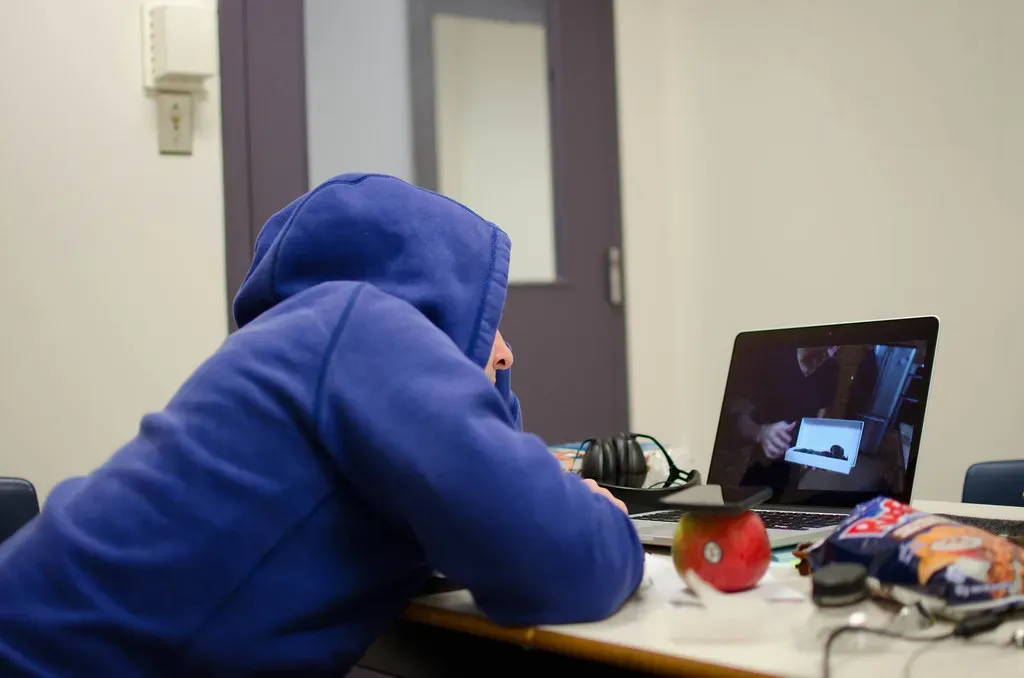
Here’s something most people get wrong about procrastination. Procrastination is an emotion-focused coping strategy, not a time management problem. When you avoid starting that difficult task, you’re not being lazy. You’re trying to escape uncomfortable feelings like anxiety, boredom, or self-doubt. Procrastination involves an inability to regulate mood and emotions, which means that uncomfortable presentation makes you feel inadequate, so your brain decides scrolling is a better emotional option.
People often procrastinate to escape feelings of fear, anxiety, or self-doubt associated with a task, even though this avoidance ultimately makes the situation worse, essentially making procrastination a coping mechanism. The solution isn’t forcing yourself to power through the discomfort. It’s acknowledging those feelings exist. Try this: before starting a dreaded task, write down exactly what emotions come up. Just naming them reduces their power over you and helps you move forward.
Fear of Failure Keeps You Frozen

Fear of failure, lack of interest, and perfectionism are the top three reasons people procrastinate. Sometimes not starting feels safer than trying and failing. If you never begin that novel, you can’t write a bad one, right? This twisted logic protects your ego in the short term but destroys your potential long term. Avoiding tasks out of fear of an unpleasant outcome is a sign of anxiety, such as when people fear a result and delay learning test results or avoid taking the test altogether.
Procrastinators are often perfectionists, for whom it may be psychologically more acceptable to never tackle a job than to face the possibility of not doing it well, and they may be so highly concerned about what others will think. The irony? Procrastination itself guarantees the mediocre outcome you feared. Break this cycle by giving yourself permission to do something badly at first. Seriously. Tell yourself you’re allowed to write a terrible first draft or create an imperfect prototype. Progress beats perfection every single time.
The Task Feels Genuinely Unpleasant

The more intrinsically unpleasant a task is, the more likely people are to avoid doing it. This one seems obvious, yet we forget how powerful aversion really is. Your brain literally recoils from tasks it finds boring, difficult, or tedious. Nobody dreams about filing taxes or cleaning out their email inbox. Strong and consistent predictors of procrastination include task aversiveness, along with factors like task delay, self-efficacy, and impulsiveness.
The mistake most people make is trying to muscle through the unpleasantness with willpower alone. That rarely works for long. Instead, pair the unpleasant task with something genuinely enjoyable. Listen to your favorite podcast only while doing dishes. Reward yourself with a favorite snack after thirty minutes of focused work. You’re not bribing yourself, you’re training your brain to associate the dreaded task with something positive, slowly reducing that aversion over time.
Your Future Self Feels Like a Stranger

Research by UCLA psychologist Hal Hershfield using functional MRI found that the brain views our future self in the same way it views another person, with the same parts of the brain lighting up when thinking about future self as when thinking about others. Wild, isn’t it? When you tell yourself you’ll do it tomorrow, your brain literally treats Tomorrow You like a different person who can handle all the stress. Present You gets to relax while Future You deals with the consequences.
This disconnect explains why deadlines sneaking up on you always feel so shocking. You genuinely didn’t connect your current choices to your future suffering. The fix involves visualization. Spend a few minutes vividly imagining your future self dealing with the consequences of your procrastination. Picture the stress, the rush, the disappointment. Then imagine the relief and pride Future You feels when Present You actually gets started now. Making that connection tangible helps bridge the gap.
Perfectionism Disguises Itself as High Standards

Perfectionists are often procrastinators, as they would rather avoid doing a task they don’t feel they have the skills to do than do it imperfectly. You tell yourself you’re waiting for the perfect moment, the perfect mood, or the perfect plan. Really, you’re terrified of producing something less than perfect, so you produce nothing at all. Core factors contributing to procrastination include fear of failure, perfectionism, and difficulties in emotional regulation.
The cruel joke is that perfectionism guarantees failure through inaction. Nobody creates masterpieces on their first try. Every expert you admire produced mountains of mediocre work before getting good. Start embracing what I call “strategic mediocrity.” Set a timer for twenty minutes and commit to producing the worst possible version of whatever you’re avoiding. Just get something, anything, on paper. You’ll often find that your worst is actually decent, and more importantly, you’ve broken through the paralysis.
You’re Physically and Mentally Exhausted

People may procrastinate when they’re confused by the complexity of a task or when they’re overly distracted or fatigued. Sometimes procrastination is your body waving a white flag. You’re not lazy, you’re burned out. When you’re exhausted, your prefrontal cortex literally has less energy to override your limbic system’s demands for rest and pleasure. Frequent procrastination raises cortisol levels, the body’s stress hormone, which can impair memory, focus, and overall mental health, creating a vicious cycle.
Honestly, sometimes the most productive thing you can do is rest properly. Not guilt-ridden rest where you’re on the couch but mentally beating yourself up. Real rest. Rather than forcing yourself to work on your next assignment when exhausted, taking a proper break in a different room can be the most effective choice for long-term productivity and wellbeing. Schedule actual downtime into your day. Take that walk. Get that extra sleep. Your productivity will skyrocket when you’re actually energized.
The Task Lacks Personal Meaning

Procrastinators may hold different values than those who do not, valuing personal enjoyment more highly and a strong work ethic less, and are more likely to complete tasks they feel are important to them personally. When you can’t connect a task to something you genuinely care about, your motivation evaporates. That mandatory training module at work? Your brain knows it’s pointless busywork, so it rebels. The disconnect between what you’re doing and what matters to you creates internal resistance.
To overcome procrastination, staying motivated for productive reasons is critical, meaning reasons for learning and achieving that lead to positive, satisfying feelings, in contrast to engaging in tasks out of fear of failing or not making parents angry. Ask yourself: how does this task connect to my actual goals? Even boring tasks usually connect to something meaningful if you dig deep enough. Filing expense reports might be tedious, but it connects to getting paid, which connects to financial security for your family. Make those connections explicit and visible.
You’ve Trained Your Brain Through Repetition

Repeated procrastination strengthens neural pathways associated with avoidance, making it easier to delay tasks in the future, while pathways for discipline and focus weaken. Every time you choose distraction over action, you’re literally rewiring your brain to make that choice easier next time. It’s like carving a deeper groove in a record. Over time, procrastination reshapes your brain’s reward pathways, with the neuroscience revealing that avoidance behaviors can strengthen the brain’s preference for short-term relief.
The good news? You can rewire it back. The creation of good habits forms new neural pathways in the brain that make it easier to engage in desired behaviors over time. Start ridiculously small. Commit to just two minutes of work on that project. Your brain expects you to quit, so starting will surprise it. Once you’ve started, momentum often carries you forward. Do this consistently, and you’ll gradually rebuild those pathways for focus and follow-through.
Your Environment Enables Avoidance

Repeatedly placing yourself in situations where you don’t get much done, such as studying in your bed, at a cafe, or with friends, can actually be a kind of procrastination, a method of avoiding work. Your bedroom is for sleeping, not spreadsheets. Your phone is an attention black hole. That friend who always wants to chat is lovely but terrible for productivity. Your environment either supports focus or sabotages it.
You need to engineer your surroundings for success. Remove distractions before you need willpower to resist them. Put your phone in another room. Use website blockers during work hours. When sitting down for harder tasks, make sure it’s in a space you feel most productive, as procrastination becomes easier with distractions around you or when in bed rather than at a desk or bench outdoors. Create a dedicated work zone that your brain associates only with focused effort. The environmental cues will do half the work for you.
Conclusion: Breaking Free Starts With Understanding

Procrastination isn’t a character flaw or a sign you’re fundamentally broken. It’s your brain trying to protect you from discomfort using outdated evolutionary programming. It’s important to know that procrastination is not your fault, as there are reasons we engage in this behavior and ways we can address it. Now that you understand the psychological machinery behind your delays, you can work with your brain instead of against it.
Cognitive-behavioral therapy and motivational strategies emerged as effective approaches in reducing procrastination by addressing unrealistic thought patterns and enhancing self-regulation skills. Start with one strategy from this list, not all ten at once. Maybe you’ll break tasks into smaller chunks, or acknowledge your emotions before starting, or engineer your environment differently. Small consistent changes compound into major transformations over time. The key is understanding that you’re not fighting laziness, you’re retraining your brain’s response to discomfort.
What’s the one task you’ve been putting off that you could start with just two minutes of effort today? Don’t overthink it, just pick something. Your future self will thank you, and this time, you’ll actually feel like the same person receiving that gratitude.