
Ever wonder why you sometimes feel stuck, even when life looks pretty good on paper? You’re not alone. Your brain might be working against you in ways you’d never suspect. These aren’t the obvious villains of life. They’re sneaky, subtle, and hiding in plain sight.
Think about it. You make dozens of decisions every day, and most of them feel logical and right. Yet somehow, you end up frustrated, anxious, or unfulfilled despite your best intentions. The truth is, your mind has a few tricks up its sleeve that can derail your happiness before you even realize what’s happening.
The Ambition Trap: When Striving Becomes Suffering

You’ve been told your whole life that ambition is the key to success. Work hard, climb the ladder, chase the next promotion, and happiness will follow. Except it doesn’t always work that way. Ambition, while seemingly productive on the surface, can become harmful when taken to the extreme. When every goal becomes another rung on an endless ladder, you lose sight of what actually matters.
Here’s the thing. The drive to achieve can become so consuming that you forget to enjoy what you’ve already accomplished. You’re always focused on the next milestone, the next victory, and the next achievement. This constant forward motion leaves no room for satisfaction or contentment. It’s like running on a treadmill that keeps speeding up. No matter how fast you go, you never actually arrive anywhere meaningful.
Doing What’s Expected: The Prison of Other People’s Opinions

Society has a funny way of telling you who you should be. Follow the rules. Meet expectations. Don’t rock the boat. Doing what’s expected of us may seem productive on the surface but becomes harmful when taken to the extreme. You spend so much energy trying to be the person others want you to be that you forget to figure out who you actually are.
This trap is particularly insidious because it disguises itself as responsibility or maturity. You convince yourself that you’re doing the right thing by meeting these external standards. Yet deep down, there’s a gnawing sense that something isn’t right. You’re living someone else’s version of your life, and the cost is your own happiness. Breaking free requires courage to disappoint people, and honestly, that’s terrifying for most of us.
The Hedonic Treadmill: Chasing Happiness That Always Stays Just Out of Reach

Your brain maintains a happiness baseline, and psychologists call this the hedonic treadmill. Win the lottery? You’ll return to your baseline within months. Get that dream job? Same story. You’re running constantly but staying in the same spot emotionally. It sounds depressing, yet understanding this pattern is actually liberating.
The real kicker is that happiness isn’t a destination you reach but a byproduct of progress, connection, and purpose. Stop chasing happiness directly and start pursuing meaning instead. When you engage with what truly matters to you, happiness shows up uninvited, like an unexpected gift. The paradox is simple: the less desperately you need happiness, the more frequently it visits.
Cognitive Biases: Your Brain’s Invisible Distortion Filters
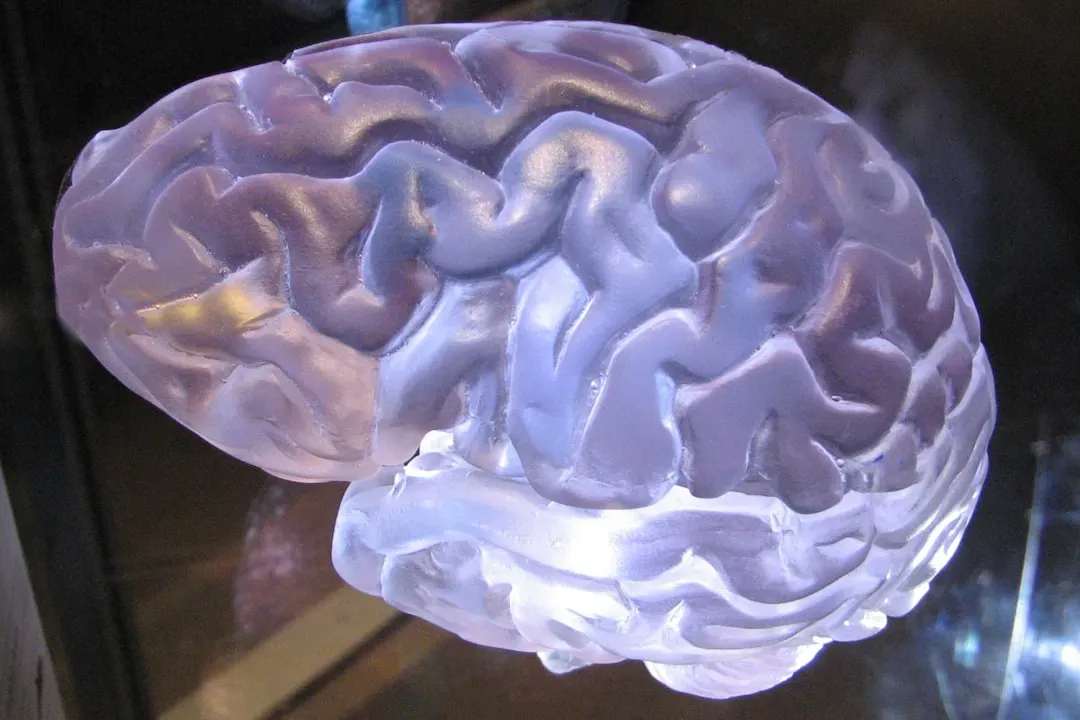
Your brain is supposed to be your ally, right? Well, sometimes it’s more like that friend who means well but gives terrible advice. Cognitive biases can deeply affect mental health by creating distorted thinking patterns, impairing decision-making, and intensifying symptoms of depression and anxiety. These mental shortcuts help you process information quickly, but they also introduce systematic errors into your thinking.
Take the optimism bias, for example. People usually overestimate success and underestimate the likelihood of negative outcomes. That sounds positive until it leads you to make poor decisions or ignore real problems. Then there’s confirmation bias, where you only pay attention to information that supports what you already believe. These biases operate silently in the background, shaping your reality without you noticing. The scary part? Everyone has them, and recognizing them takes genuine effort and self-awareness.
The Control Trap: Trying to Eliminate What You Can’t Change

The happiness trap is built through ineffective control strategies where people try hard to control what they’re feeling in order to feel happy. You attempt to suppress negative emotions, avoid uncomfortable situations, or force yourself to feel differently. It’s exhausting, ineffective, and ultimately counterproductive. The more you try to control your inner experience, the more trapped you become.
Pain, disappointment, and frustration are part of being human. When you spend all your energy trying to avoid these feelings, you end up creating more suffering for yourself. Acceptance doesn’t mean giving up or resigning yourself to misery. It means acknowledging reality as it is and choosing how to respond. In order to live a full life filled with meaning, you have to get good at handling the pain that life inevitably throws your way, though you can learn to handle it much better.
Conclusion

These psychological traps operate quietly beneath the surface of your everyday life. They’re not dramatic or obvious. They’re subtle patterns of thinking and behaving that accumulate over time, slowly eroding your wellbeing without you realizing it. Ambition becomes a prison. Expectations become chains. Your brain’s shortcuts become roadblocks.
The good news? Awareness is the first step toward freedom. Once you recognize these traps, you can start making different choices. You can question whether your ambition serves you or enslaves you. You can choose authenticity over approval. You can stop chasing happiness and start building a meaningful life instead. You can challenge your cognitive biases and practice acceptance rather than control.
Here’s what I find most fascinating: happiness isn’t something you achieve through perfect thinking or flawless execution. It’s something that emerges when you stop sabotaging yourself with these invisible patterns. So ask yourself honestly, which of these traps have you fallen into? What would change if you could see them clearly and step around them? Sometimes the most powerful thing you can do is simply stop doing what doesn’t work.