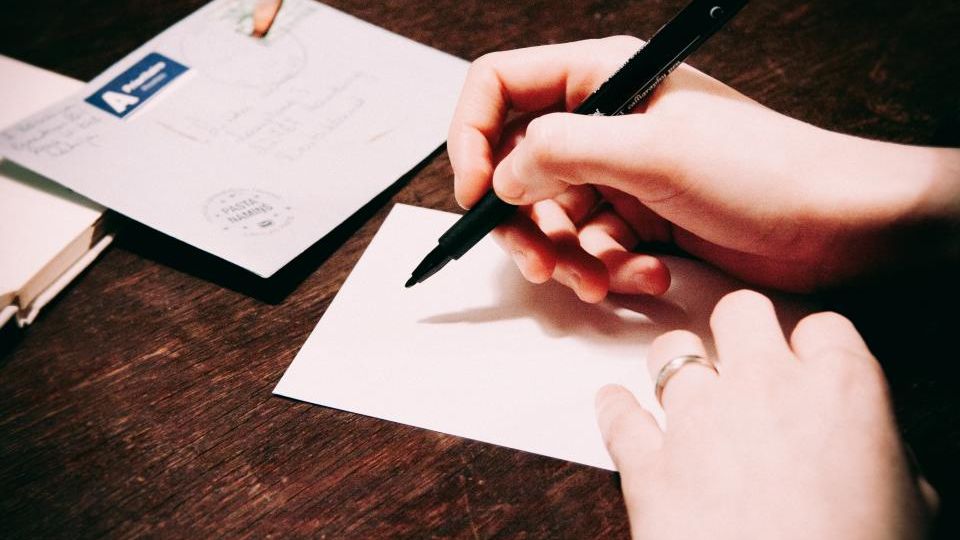
Something incredible happens when you hold a letter in your hands. Not a text message or an email, but actual paper that someone touched, folded, sealed. You can feel the weight of it, see the smudges where fingers gripped the pen a bit too tightly, notice where words were crossed out and rewritten. It’s physical evidence that someone was thinking about you.
The average person who is professionally engaged receives around 120 emails daily, and by 2026, roughly 392 billion emails are projected to be exchanged per day worldwide. Yet despite living in an era where communication has never been faster or easier, something fundamental feels missing. Maybe you’ve noticed it too. The way digital messages blur together into one endless scroll. How quickly texts get buried under newer ones. Think back to when someone last gave you a note you could actually hold, something you could read again when you needed it, maybe even keep tucked away somewhere safe. That moment stands out differently than any email ever could. So let’s explore why the simple act of putting pen to paper still carries such unusual power in 2026, and what we might be losing as this practice fades into memory.
Your Brain Actually Works Differently When You Write by Hand

Here’s something most people don’t realize. Handwriting activates a broader network of brain regions involved in motor, sensory, and cognitive processing. Handwriting is probably among the most complex motor skills that the brain is capable of, requiring intricate coordination between what you see and what your hand does. When you grip that pen and form each letter, you’re not just recording words. You’re engaging in this elaborate neurological dance that typing simply can’t replicate.
The implications go surprisingly deep. A study of university students revealed that writing on physical paper can lead to more brain activity when remembering information an hour later, with researchers noting that the unique, complex, spatial and tactile information associated with writing by hand on physical paper is likely what leads to improved memory. Think about that for a second. The very act of dragging a pen across paper creates neural pathways that help you remember things better than hammering away at a keyboard ever could.
Memory and Learning Get a Serious Upgrade
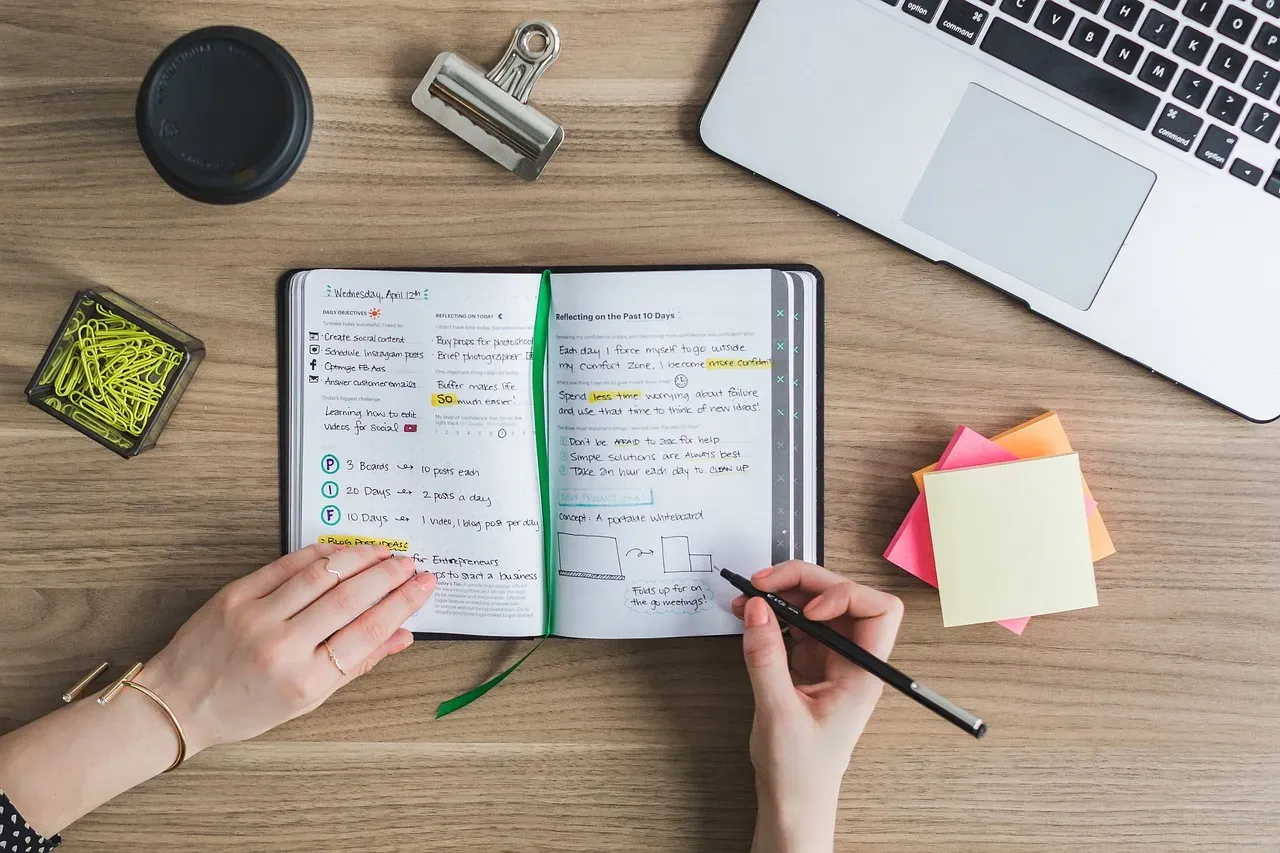
If you’ve ever wondered why your grandmother insists on writing everything down in her little notebook, there’s actual science backing her up. One study found college students who took notes by hand remembered more than those who typed, likely because writing by hand forces the brain to process and summarize information, not just copy it. You’re forced to be more selective, to really think about what matters most.
Contrary to the popular belief that digital tools increase efficiency, volunteers who used paper completed note-taking tasks about 25% faster than those who used digital tablets or smartphones. Twenty-five percent faster. That’s not a small margin. The physical properties of paper matter too. Paper notebooks contain more complex spatial information than digital paper, and physical paper allows for tangible permanence, irregular strokes, and uneven shape, like folded corners. Your brain uses all those little details as memory anchors, creating a richer map of information than any uniform screen could provide.
The Emotional Weight of Handwritten Words
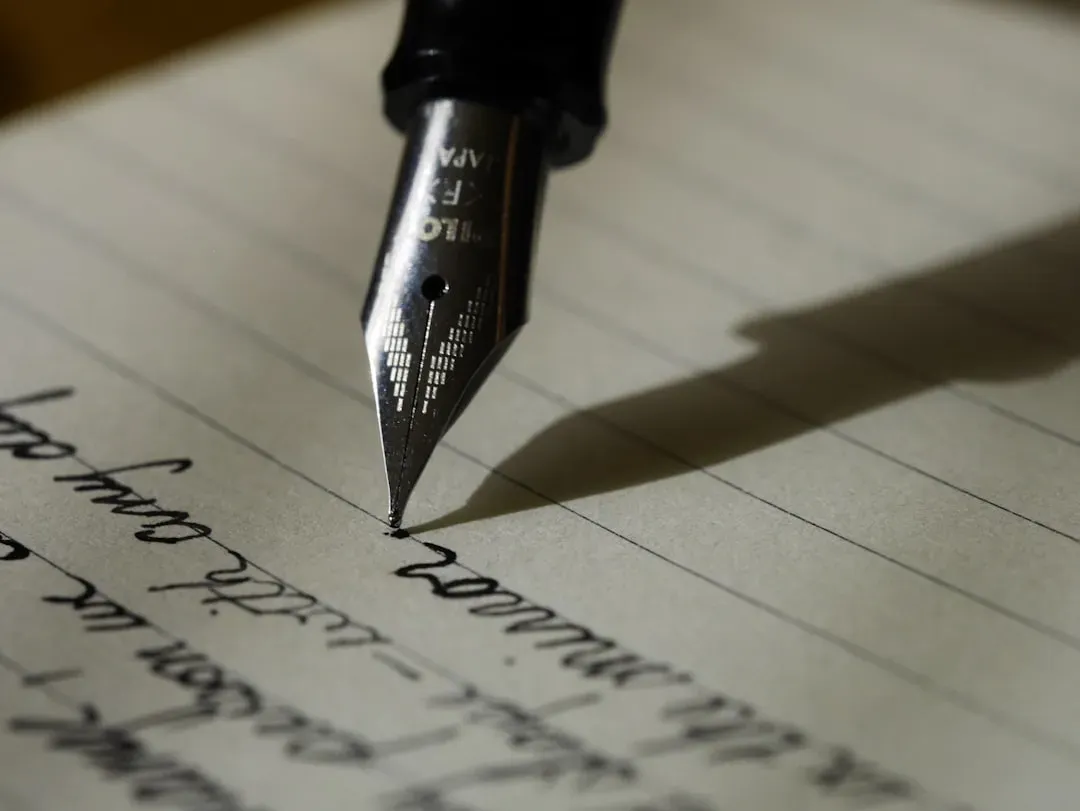
Let’s be real: when was the last time you saved an email because it meant something to you? Compare that to letters people keep for decades, stored in shoe boxes or tucked into books. There’s a reason for that dramatic difference. A letter shows this person was thinking about you and took the time to actually put pen to paper, and as humans, we want to feel valued and loved and respected, and a letter signals that.
You can tell right away when you open a card that was written just for you that someone stopped, thought about you, and took the time to write something real, and they chose each word carefully. The imperfections matter too. A rushed, uneven script may indicate excitement or urgency, while a slow, deliberate hand might reflect deep thought and care, and this level of personal connection cannot be replicated by a simple text or email. Every wobble in the handwriting, every ink blot, tells you something about the person’s state of mind when they wrote it.
Slowing Down in a World That Won’t Stop Rushing
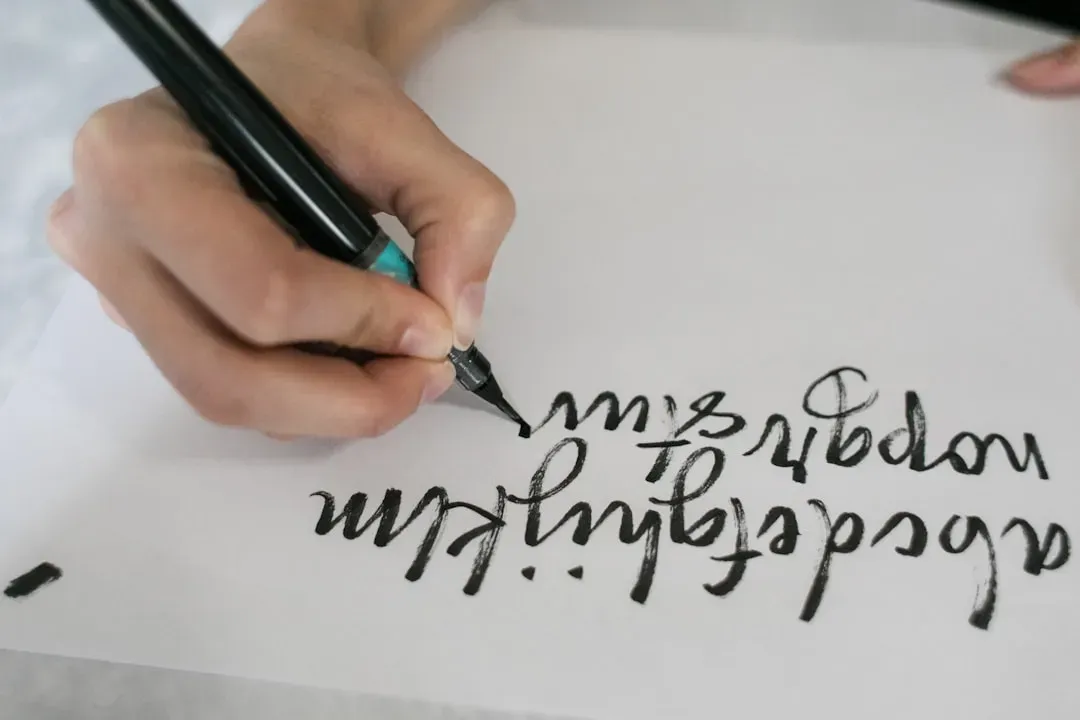
One of the most underrated benefits of letter writing has nothing to do with the letter itself and everything to do with the process. Writing a letter forces us to slow right down, it’s intentional, you can’t just fire off a quick reply, you’ve got to think, feel, and focus, and it’s oddly soothing, like a little mindful pocket of quiet in your day.
Writing by hand requires us to slow down as we form our thoughts and process information, taking more time to think through how and what we write. In a culture obsessed with productivity and speed, that forced deceleration becomes therapeutic. Handwriting forces our brain to slow down to the pace of our pen, letting us take more time with our thoughts and reduce anxiety and overthinking. It’s honestly one of the few activities left that demands you be fully present, with no tab-switching or notification-checking possible.
Building Deeper Connections Through Tangible Communication
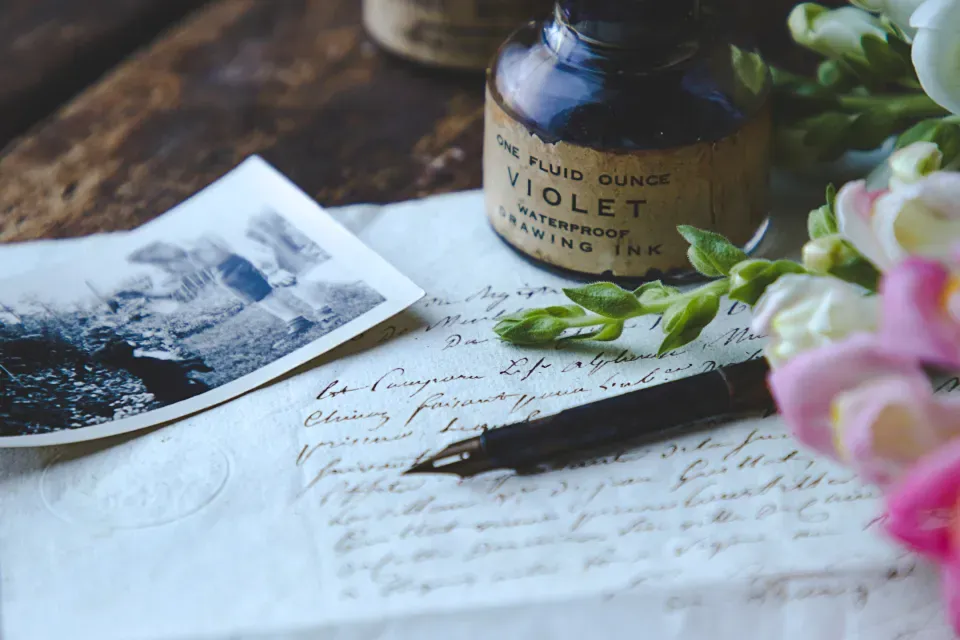
Research in psychology and relationship science supports the idea that self-disclosure creates closeness and intimacy, and those feelings may then cause a letter recipient to contact the sender or take steps to see them sooner. There’s something about putting feelings into permanent, physical form that changes the nature of connection. You’re more vulnerable when you know your words will exist as a tangible object someone can return to repeatedly.
Receiving a handwritten letter makes us feel the presence of the sender, creating a deeper sense of connection and authenticity, and writing letters by hand requires time, thought, and effort. That investment communicates value in ways instant messages never can. There is a certain level of closeness or intimacy missing in digital communication with handwritten letters, and when one receives a letter written by the author in their handwriting, it creates that magical sense of close and personal attention.
The Creative and Therapeutic Power of Pen and Paper
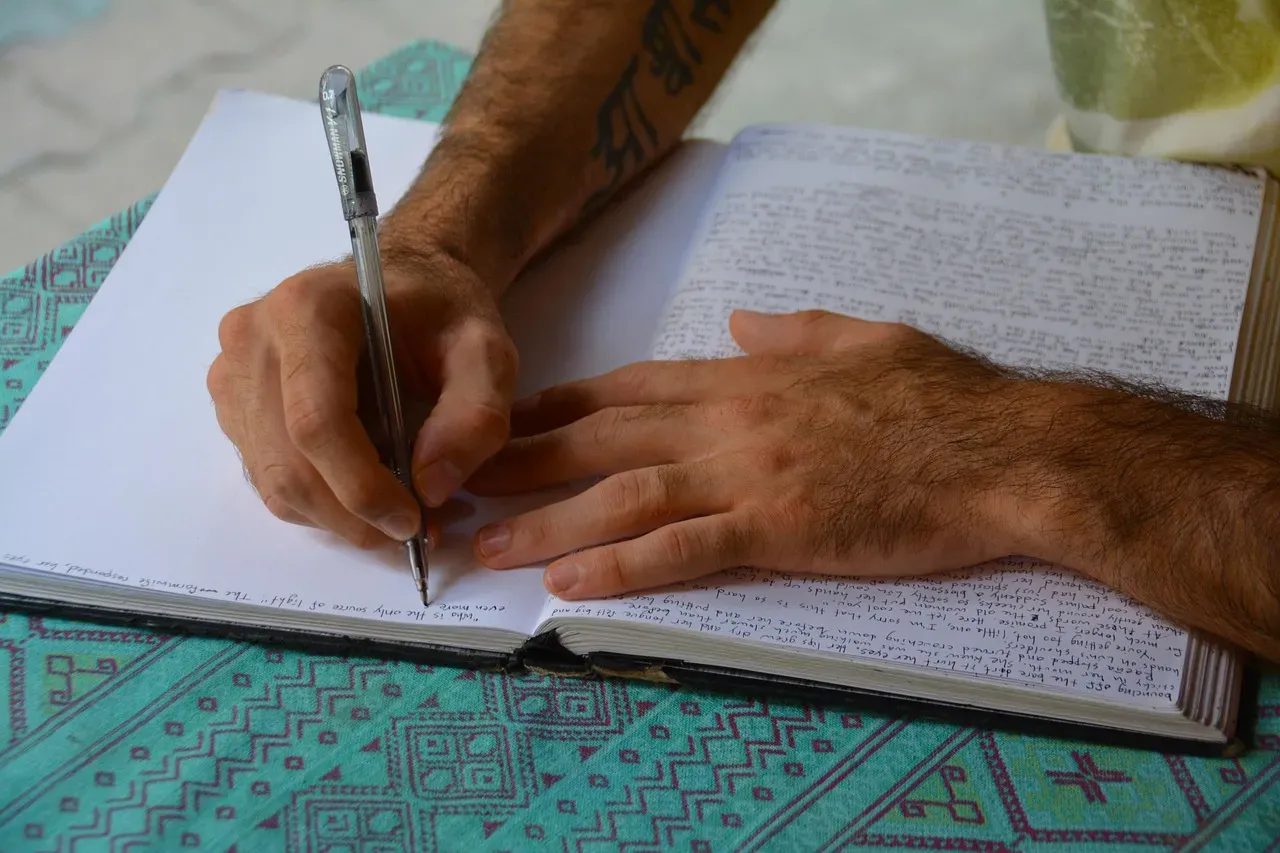
Writers have known this secret forever. Some of today’s most popular authors, including Stephen King, J.K. Rowling, and James Patterson, write some or all of their books by hand for a variety of reasons. There’s research explaining why. A joint study by Tufts University and Stanford University found that fluid movement, such as that associated with handwriting, is linked to creative thought, and handwriting is also linked with improved ideation, punctuation, planning, spelling and grammar.
Beyond creativity, handwriting serves powerful therapeutic functions. Individuals who wrote about traumatic events for just 20 minutes a day over several days reported better physical health, improved immune function, and fewer visits to the doctor compared to those who wrote about superficial topics. The act of translating messy emotions into structured sentences on paper helps process difficult experiences in ways typing somehow doesn’t. When people write about painful events, they are forced to put those emotions into words, which can help them process their feelings in a more rational and detached manner.
What Children Lose When They Skip Handwriting
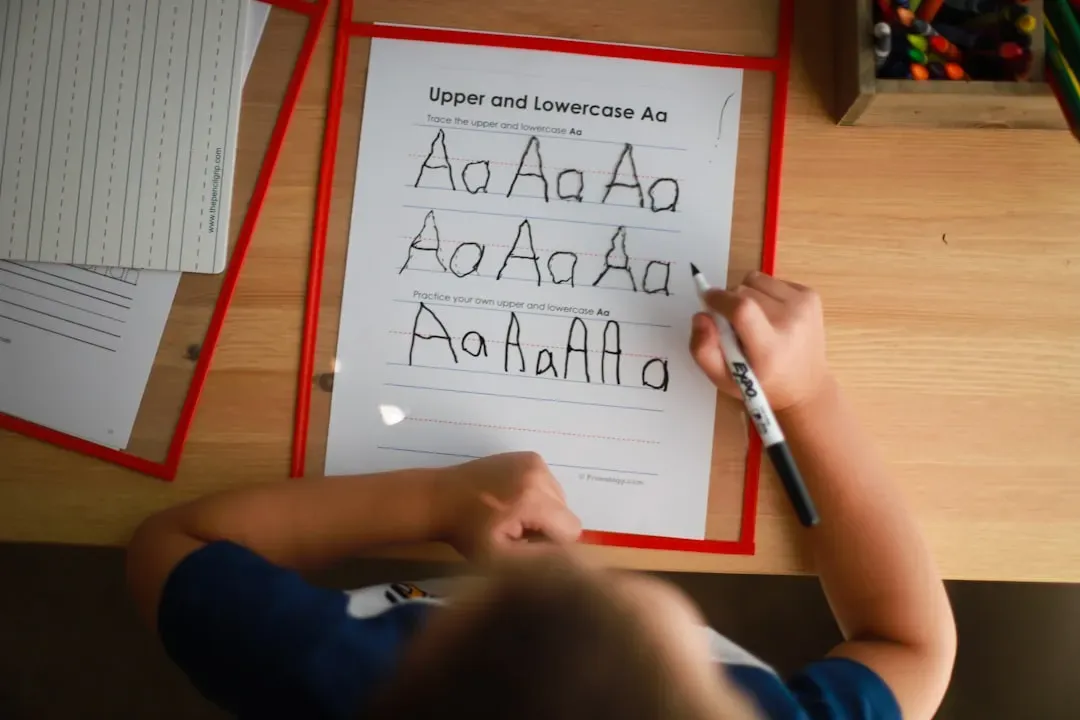
The stakes are particularly high for developing brains. Studies show that tracing out ABCs, as opposed to typing them, leads to better and longer-lasting recognition and understanding of letters, and writing by hand also improves memory and recall of words, laying down the foundations of literacy. Both Wiley & Rapp (2021) and Vinci-Booher & James (2021) found that handwriting experience accelerates literacy learning and engages visual-motor areas critical for reading, and students who engaged in literacy learning that included handwriting showed faster learning and greater generalization capabilities.
Children in handwriting groups achieved higher accuracy across all posttest tasks compared with those in typing groups, illustrating the importance of handwriting experience in learning alphabetic and orthographic representations. Interestingly, there’s been a reversal of earlier trends. By November 2025, 25 states had brought cursive writing back to elementary school classrooms, with California Governor Gavin Newsom signing a law requiring cursive instruction for first through sixth graders, and New Hampshire passing legislation requiring schools to teach both cursive and multiplication tables.
Letters as Time Capsules and Legacy
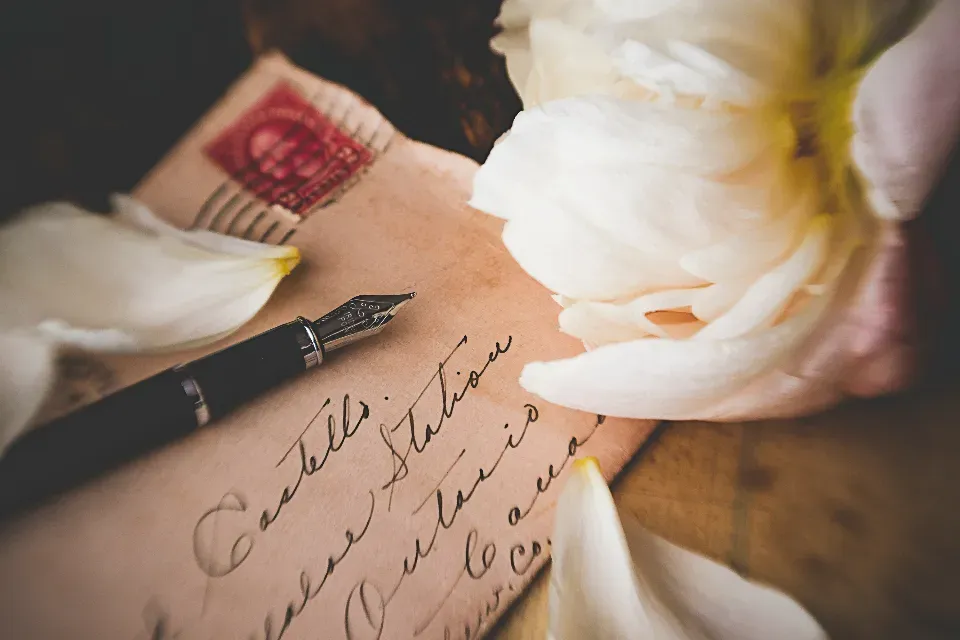
People cherish handwritten notes from loved ones, save letters from grandparents, and even frame special messages, and in a world that moves too fast, the tradition of letter-writing reminds us to slow down, connect, and appreciate personal expression. Digital messages vanish into the cloud. Letters become artifacts. You can’t accidentally delete them when cleaning out your inbox. They survive house moves and computer crashes.
Holding that documentation of exactly when somebody told you they love you is amazing, and while we may remember the conversation, there’s nothing like having a definitive piece of paper to capture that moment and your feelings. Think about historians who study old letters to understand what life was really like in different eras. Cursive serves a cultural and historical function, and the ability to read and write in cursive connects students to centuries of handwritten history, from personal letters to founding documents. Without this skill, future generations might be cut off from understanding their own past in intimate, personal ways.
Making Space for Handwriting in Modern Life

You don’t need to abandon technology completely to benefit from handwriting. Research suggests that scribbling with a stylus on a screen activates the same brain pathways as etching ink on paper, and it’s the movement that counts, not its final form. Still, there’s something special about actual paper. It fosters fine motor skills and promotes mindfulness, offering a calming and reflective activity in a fast-paced world.
Start small if you want to reintroduce this practice. Take a few minutes to write a handwritten note to a friend or family member and send it to them the old-fashioned way. Writing down your thoughts and feelings can have tremendously positive effects on your mood and mental health, so try starting a daily handwritten journal to record your experiences, aspirations, and the everyday happenings that inspire you. The cumulative effect of these small acts might surprise you.
Why This Practice Deserves to Survive
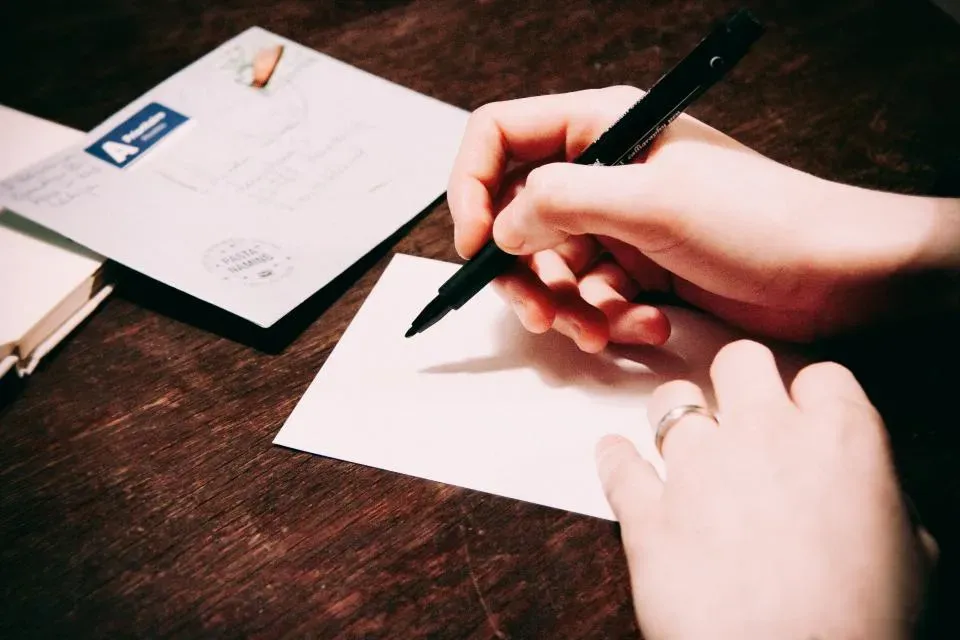
While online forms of communication such as email and text messaging have made it incredibly quick, convenient, and easy for people to connect across long distances, handwritten letters still play an incredibly crucial role in modern society, capable of conveying ideas and emotions that digital forms of communication cannot replicate. Research shows that putting pen to paper offers cognitive benefits that digital tools can’t replicate.
We’re not suggesting you throw away your smartphone or stop sending emails. That would be absurd. Technology has given us incredible tools for staying connected. Yet something irreplaceable gets lost when handwriting disappears completely from our lives. Handwriting and cursive deeply connect areas of the brain tied to motor, memory, processing, and comprehension, and relegating these skills to a nostalgic practice is short-sighted at best and detrimental at worst, because in a world of endless keyboard typing, handwriting is an essential tool for building thoughtful, connected, and capable learners. The question isn’t whether we should choose between analog and digital. It’s whether we’re willing to keep both options alive.
Maybe tonight, instead of texting someone you care about, you could find a piece of paper and write them a letter. Tell them something you’ve been meaning to say. Let your handwriting be messy and imperfect. Fold it up, put it in an envelope, add a stamp. They’ll remember receiving it far longer than any text you’ve ever sent. What do you think? Could you see yourself picking up a pen more often?