
Every generation has looked at death and wondered: what if? What if you didn’t have to age, didn’t have to face the final curtain, didn’t have to say goodbye? Here’s the thing, though. We’re closer than ever before to answering that question.
Right now, in laboratories around the world, scientists are working on breakthroughs that could fundamentally change the way you age, the way you live, and possibly, the way you think about death itself. From reprogramming cells to resemble their younger versions to freezing bodies in liquid nitrogen, the boundaries of human longevity are being pushed. Sure, some of these approaches sound straight out of science fiction. Yet the research is real, the results are promising, and the conversation is shifting from if we can extend life to how far we can actually take it. Let’s dive in.
Cellular Reprogramming Turns Back the Clock
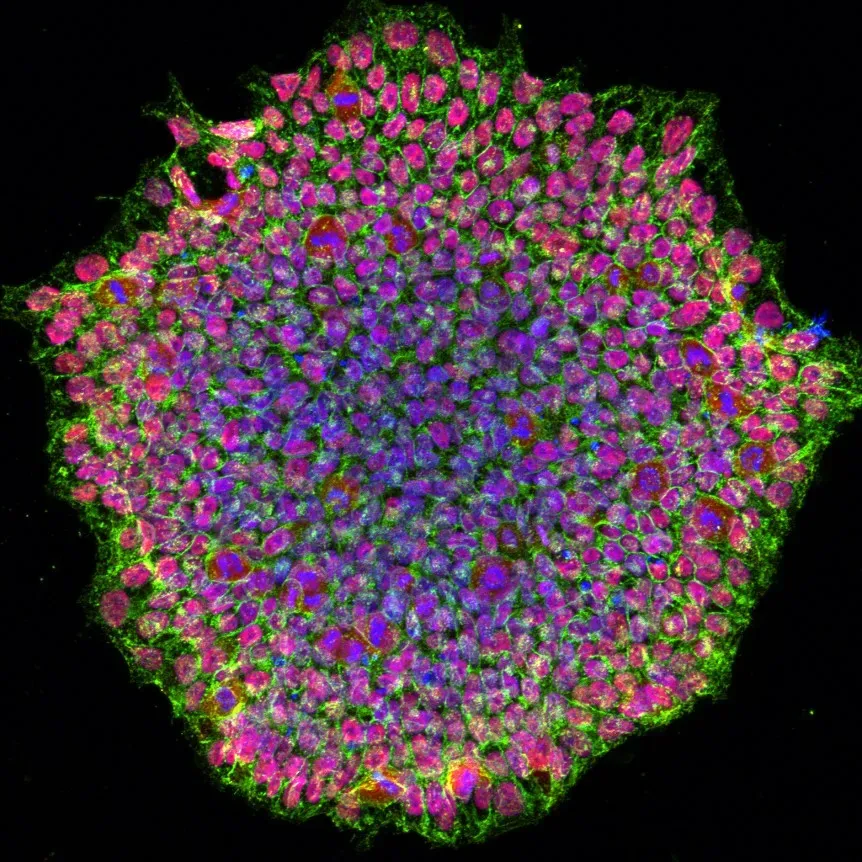
Scientists discovered that adding a mixture of four reprogramming molecules called Yamanaka factors to cells can reset epigenetic marks to their original patterns. Think of it as a biological reset button for cells. A Harvard team using the AI system K-Dense revealed that aging operates in stages rather than being linear.
A gene therapy that activates genes coding for proteins called Yamanaka factors was shown in 2020 to reverse signs of aging, such as vision loss, in mice. Salk Institute researchers, collaborating with Genentech, safely and effectively reversed the aging process in middle-aged and elderly mice by partially resetting their cells to more youthful states. This process is called partial cellular reprogramming, and it doesn’t just slow aging. It actually reverses it. The applications go beyond vision restoration, too. These techniques could someday rejuvenate tissues throughout your entire body, affecting everything from muscle strength to brain health.
AI Accelerates the Hunt for Longevity Drugs

Artificial intelligence isn’t just about chatbots and self-driving cars anymore. It’s now a major player in longevity research. Scientists at Scripps Research and the biotechnology company Gero used artificial intelligence to identify drugs that combat aging by targeting multiple age-related biological pathways at once, with more than 70% of the anti-aging drugs identified by an AI tool significantly extending the lifespan of microscopic worms in May 2025.
When researchers tested 22 of the compounds identified by the model in worms, 16 of them extended lifespan, with one novel compound increasing the lifespan by 74%. What used to take years of trial and error in a lab can now be accomplished in a matter of weeks. This speed matters because every year of delay is another year that aging takes its toll on millions of people worldwide. I know it sounds almost too efficient, but the data doesn’t lie. AI is transforming the pace of discovery in ways we’ve never seen before.
Removing Senescent Cells Rejuvenates Tissues
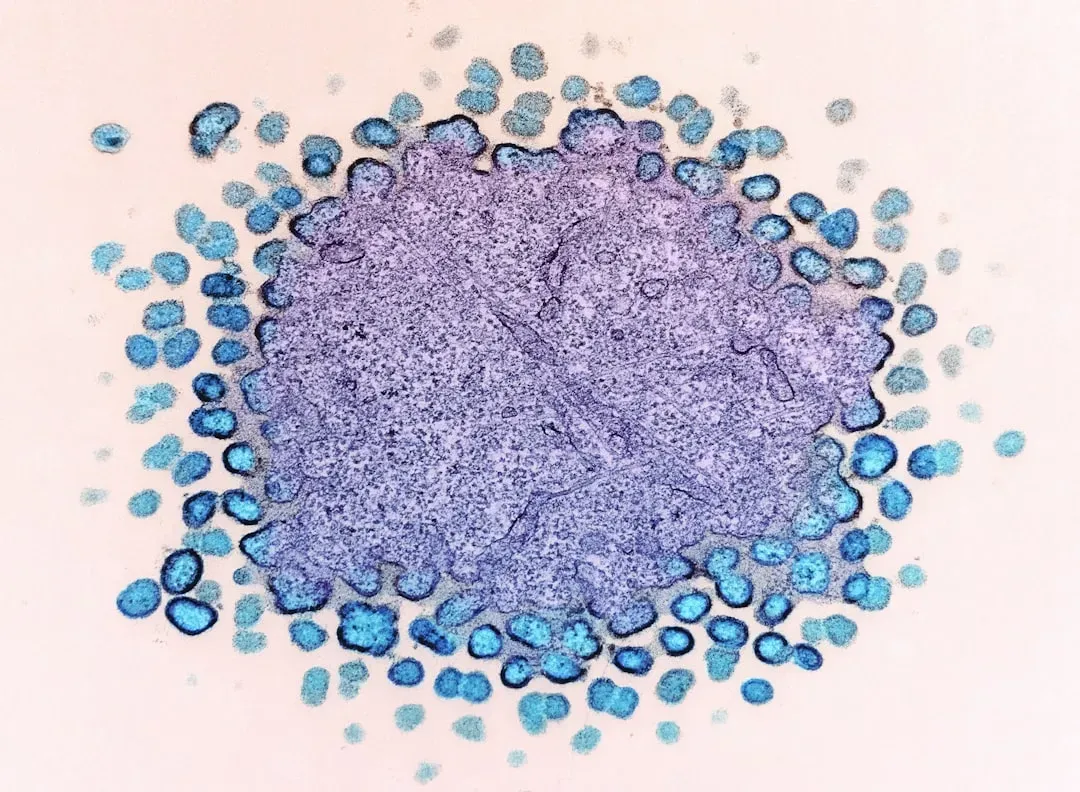
Researchers from the Chinese Academy of Sciences and Capital Medical University introduced a new type of human stem cell called senescence-resistant mesenchymal progenitor cells by reprogramming the genetic pathways associated with longevity, and these cells were tested on elderly crab-eating macaques that share physiological similarities with humans in their 60s and 70s. Senescent cells are basically cells that have stopped dividing but refuse to die. They just hang around, releasing harmful substances that damage surrounding tissues.
The researchers discovered that these cells triggered a multi-system rejuvenation, reversing key markers of aging across 10 major physiological systems and 61 different tissue types. Accumulated senescent cells can be removed, and research led by James Kirkland has been leading work on the first senolytic drugs since 2015. Removing these troublemaking cells could help protect your heart, kidneys, brain, and muscles from the wear and tear of time. This is not theoretical anymore. Clinical trials are underway, and the results are encouraging.
Telomere Extension Lengthens Cellular Lifespan

Telomeres are the protective caps at the ends of your chromosomes, kind of like the plastic tips on shoelaces. In young humans, telomeres are about 8,000 to 10,000 nucleotides long, but they shorten with each cell division, and when they reach a critical length the cell stops dividing or dies. Stanford researchers found a way to lengthen human telomeres by as much as 1,000 nucleotides, turning back the internal clock in these cells by the equivalent of many years of human life.
Utilizing an enzyme called telomerase to lengthen the telomeres of prematurely aged human cells reduces senescence and allows for an increase in blood vessel cell proliferation, and the lifespan of prematurely aged mice is prolonged with telomerase gene therapy. The approach is temporary, which is actually good news because it reduces the cancer risk. Still, it demonstrates that manipulating telomeres could add years, potentially decades, to human lifespan. When people are divided into two groups based on telomere length, the half with longer telomeres lives an average of five years longer than those with shorter telomeres, suggesting that lifespan could be increased five years by increasing the length of telomeres in people with shorter ones.
Mitochondrial Enhancement Boosts Energy and Reduces Aging
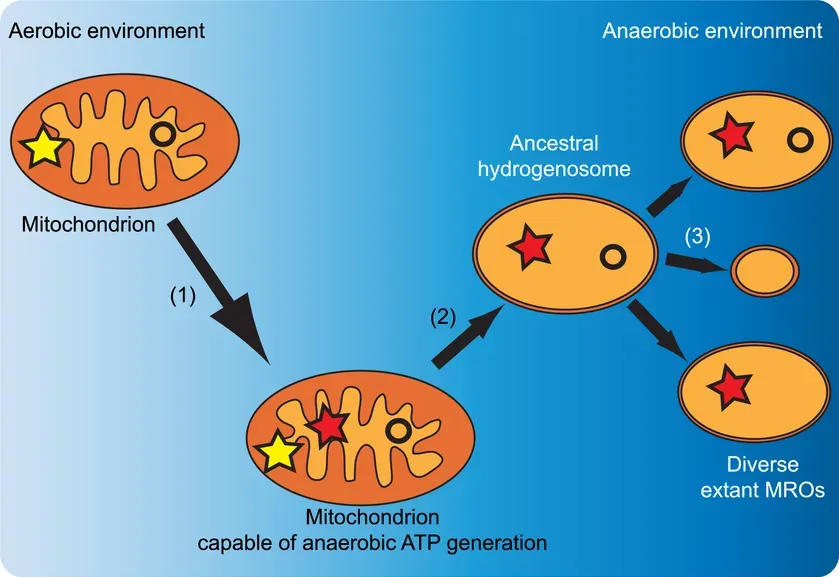
Mice engineered to boost a protein that helps mitochondria work more efficiently lived longer and showed better metabolism, stronger muscles, and healthier fat tissue, with their cells producing more energy while dialing down oxidative stress and inflammation tied to aging. Mitochondria are the power plants of your cells, and as you age, they become less efficient. When they falter, everything from your muscles to your brain suffers.
Mice producing higher levels of a mitochondrial protein called COX7RP lived 6.6% longer than normal mice, and the benefits were not limited to lifespan alone, since the engineered mice also showed signs of better healthspan. Research found that the drug Elamipretide may boost function of mitochondria, showing clear and immediate benefits in old mice on heart and muscle, brain and kidney injury, type II diabetes, glaucoma, and is being evaluated in Alzheimer’s disease. Your mitochondria don’t just power your daily activities. They’re central players in determining how fast you age and how well your body responds to stress.
Combination Therapies Target Multiple Aging Pathways
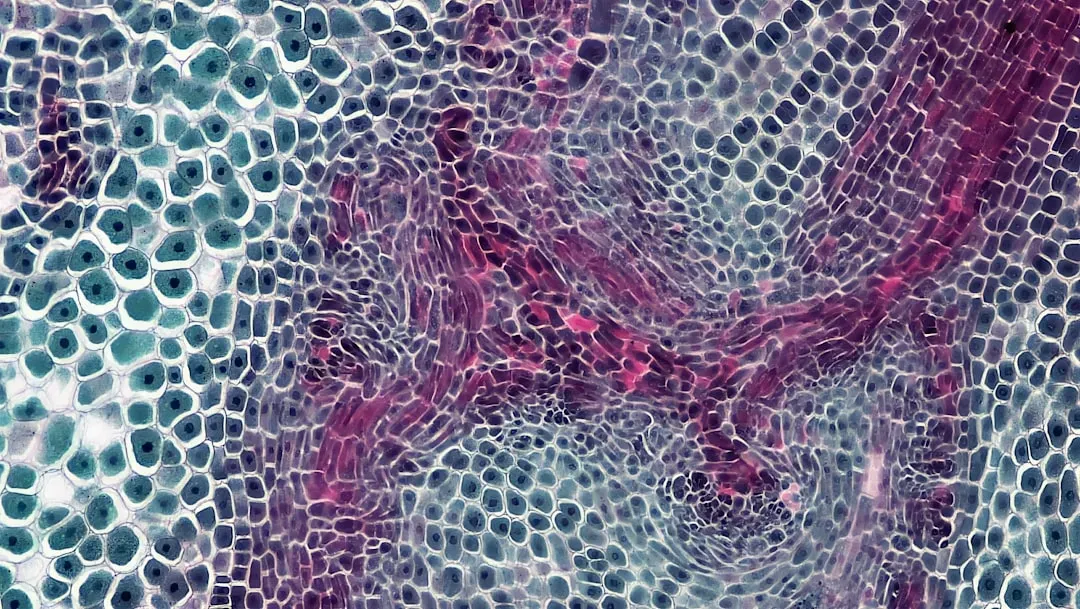
Combining transient cellular reprogramming with targeted removal of senescent cells tests the hypothesis that simultaneously targeting both cell-fate based aging mechanisms will maximize life and health span benefits, with both interventions protecting the intestinal stem cell pool, lowering inflammation, activating pro-stem cell signaling pathways, and synergistically improving health and lifespan. Aging isn’t caused by one single problem. It’s a cascade of interconnected issues.
Attacking it from multiple angles makes sense. Combining oxytocin with an Alk5 inhibitor greatly improved both lifespan and overall health in frail, elderly male mice, with these findings establishing the significant health-span extension capacity of the combination and emphasizing the differences in aging and in response to longevity therapeutics between the sexes. That’s right, roughly about seventy percent improvement in lifespan in some test subjects. The key takeaway? Your best shot at living longer and healthier might involve a cocktail of therapies rather than a single magic bullet.
Cryonics Offers a Bet on Future Revival
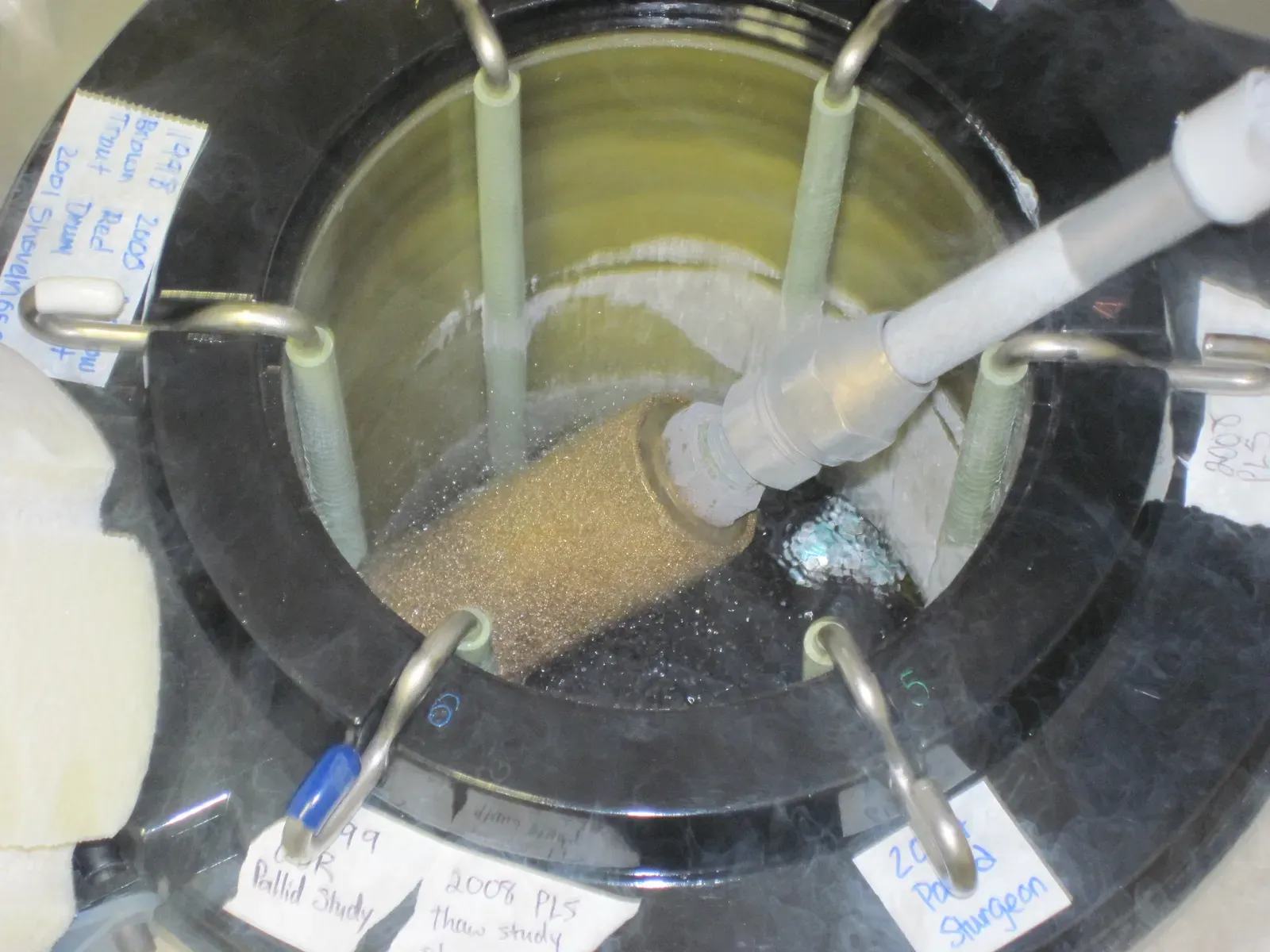
Cryonics is the low-temperature freezing at minus 196 degrees Celsius and storage of human remains in the hope that resurrection may be possible in the future, and it is regarded with skepticism by the mainstream scientific community, generally viewed as a pseudoscience. Honestly, cryonics is the most speculative approach on this list. You die, you’re frozen, and you hope that future technology can bring you back. To prevent ice crystals from damaging cell walls in the frozen state, cryopreservationists replace the body’s blood supply with mixtures of antifreeze compounds and organ preservatives, a technique developed to preserve frozen eggs for fertility treatments.
The first corpse to be frozen was that of James Bedford in 1967, and as of 2014, remains from about 250 bodies had been preserved. Even using the best methods, cryopreservation of whole bodies or brains is very damaging and irreversible with current technology. It’s hard to say for sure whether this gamble will ever pay off. The science behind reversing the damage of freezing and death remains purely theoretical, and the timeline could stretch centuries into the future. Still, for those who see no other option, it’s a chance worth taking.
Will Immortality Arrive in Your Lifetime?
Silicon Valley millionaire Bryan Johnson wants to make humans immortal by 2039, and the entrepreneur spends millions each year trying to slow his own aging. Technology futurists foresee advances that will enable humans to live up to 1,000 years, anticipating breakthroughs in AI, robotics, and digital consciousness transfer that could make practical immortality a reality by mid-century. Let’s be real. These timelines are ambitious, probably too ambitious for most scientists to endorse without major caveats.
Harvard’s David Sinclair believes that scientists may one day find a way to nearly double the human lifespan, and he predicts that age-reversing pills may become available within the next 10 years or so. At a Bank of America Breakthrough Technology Dialogue in Singapore in February 2025, it was predicted that it will not only become commonplace to live to 120 years, but to live well to 120 years, with hope that within the next 20 to 30 years, we’re going to live in a world where aging is something that can be controlled. The convergence of AI, gene editing, cellular rejuvenation, and pharmaceutical breakthroughs is creating a perfect storm of innovation. Your grandchildren, or maybe even you, might witness the day when aging becomes optional.
So, where does that leave us? The science isn’t perfect, and the timeline isn’t clear. True immortality might still be centuries away, or it might arrive sooner than anyone expects. What’s undeniable is that researchers are making genuine progress on multiple fronts. From reversing cellular aging to freezing bodies in hope of future revival, the quest for eternal life is no longer just mythology. It’s lab work, data, clinical trials, and real money being invested.
You’re living in the era when humanity is seriously trying to crack the code of aging. Whether these efforts will succeed completely remains to be seen, but one thing is certain: the conversation has shifted from “Can we?” to “How soon?” That shift alone is remarkable. What do you think, is immortality something you’d want, or are there limits we shouldn’t cross? Tell us in the comments.