
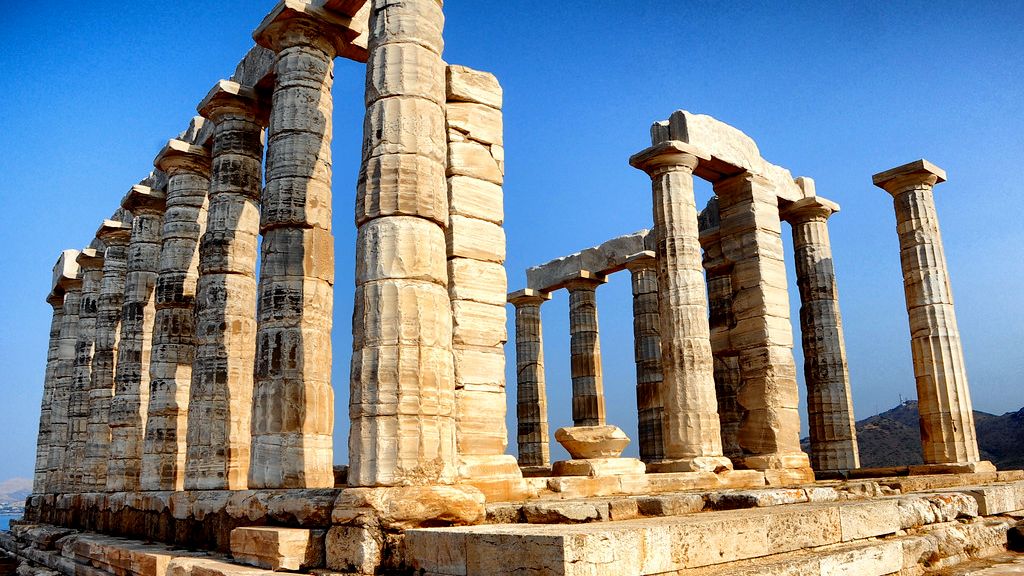
Have you ever wondered what it takes for an entire civilization to simply disappear? Not just fade away gradually over time, but seemingly vanish into the mist of history. We’re talking about massive cities, complex societies, and advanced cultures that once thrived, only to leave behind ruins and unanswered questions.
Throughout human history, countless civilizations have risen and fallen. Some descended into slow decline. Others were conquered and absorbed. Yet a select few seem to have simply evaporated from existence, leaving archaeologists scratching their heads centuries later. The mystery surrounding these lost worlds continues to captivate us. Was it climate disaster? Internal collapse? Invasion? Or something else entirely that we haven’t even considered? Let’s dive into ten ancient civilizations whose disappearances remain shrouded in mystery.
The Indus Valley Civilization: A Silent Exodus
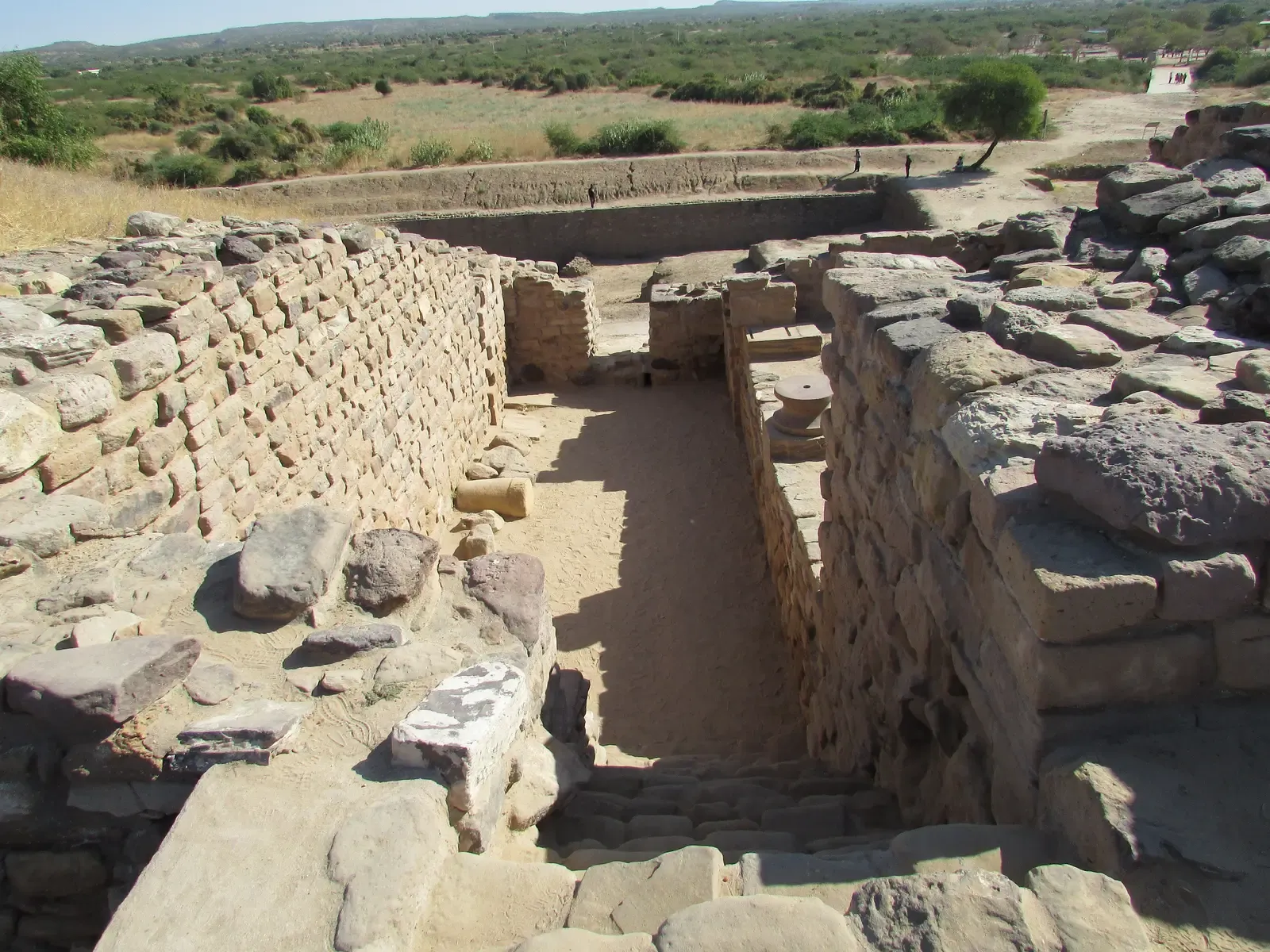
Once spanning over 386,000 square miles and accounting for an estimated 10 percent of the world’s population, the Indus Valley Civilization was one of the largest in ancient history. They developed a writing script that’s still yet to be deciphered, and their cities contained sanitation systems that remained unequaled until Roman times. Think about that for a second. While other ancient peoples were struggling with basic infrastructure, the Harappans had figured out urban planning that wouldn’t be matched for thousands of years.
It disappeared approximately 3,000 years ago for reasons unknown, though one theory suggests that it fell victim to climate change that resulted in drought and famine. One particularly long drought lasting 113 years has been identified between 3,531 and 3,418 years ago, and researchers conclude that the Indus Valley Civilization did not collapse abruptly from a single climate event but instead experienced a prolonged and uneven decline in which repeated droughts became a significant contributing factor. Still, the lack of written records we can understand means we’re essentially guessing.
The Mycenaean Greeks: Warriors Who Vanished
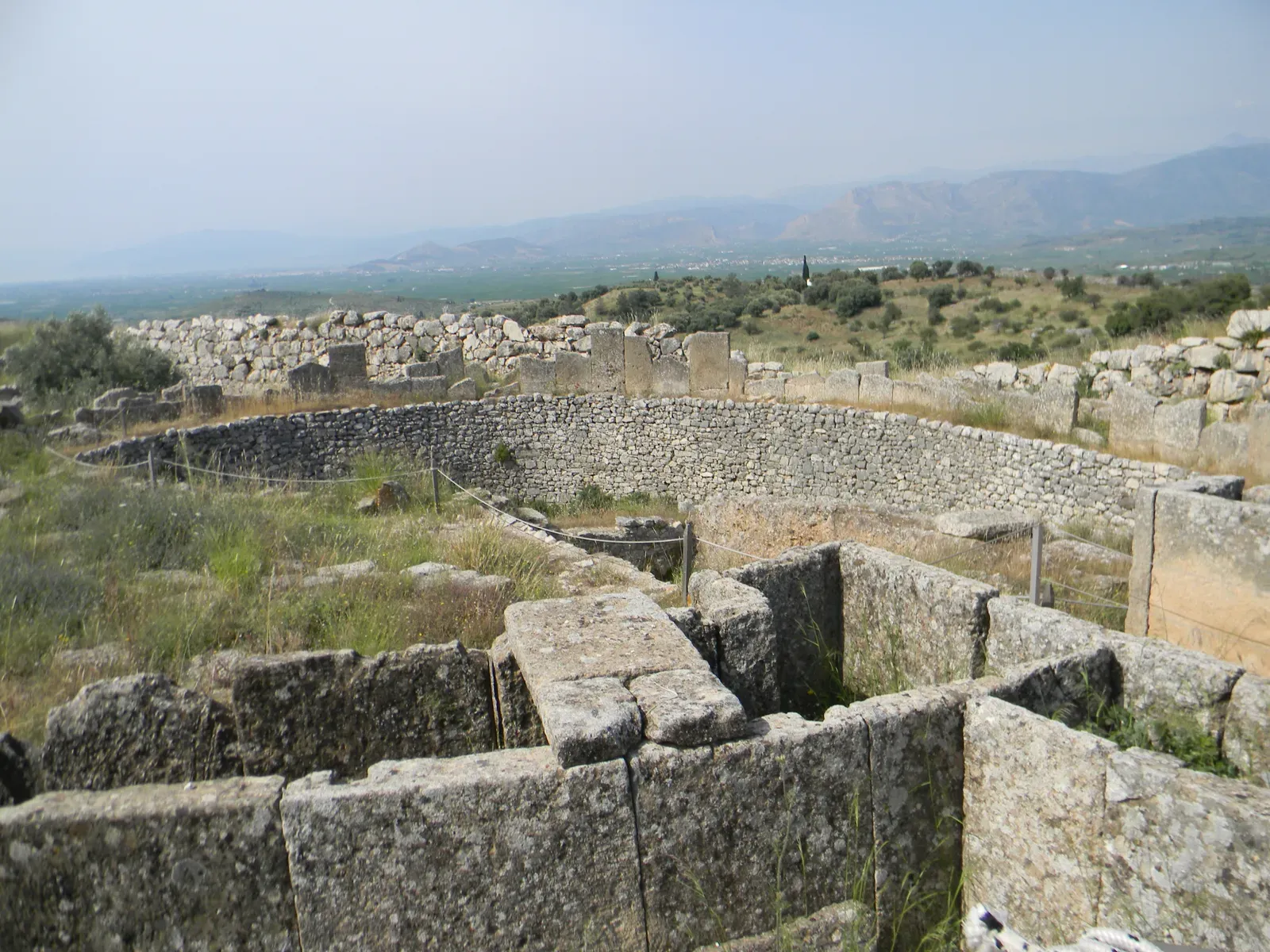
Mycenaean Greece was the last phase of the Bronze Age in ancient Greece, spanning approximately 1750 to 1050 BC, representing the first advanced and distinctively Greek civilization in mainland Greece with its palatial states, urban organization, works of art, and writing system. These weren’t peaceful farmers. Their artwork and surviving tablets reveal a warrior culture that dominated the eastern Mediterranean.
Then, around 1200 BCE, everything collapsed. The Mycenaean palace centres of mainland Greece and Crete were destroyed, key aspects of palatial culture such as writing and administration were lost or rejected, and many explanations have been proposed including migration, climate change, plague, and shifts in trade. What’s particularly eerie is how thoroughly their civilization dissolved. Among the key features of the collapse were widespread depopulation, destruction and desertion of palaces, and the disappearance of Linear B, the official writing system.
The Maya: Masters of Time and Mathematics
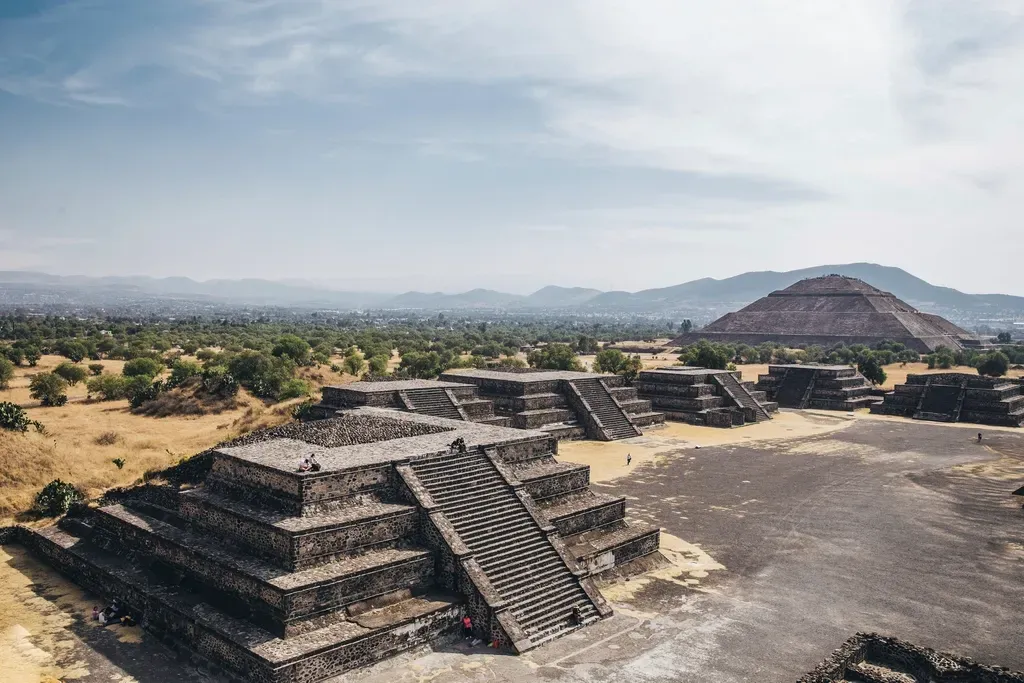
At its height, the Maya empire extended throughout the Yucatán Peninsula, modern-day Guatemala, Belize, and parts of Mexico. Known for their hieroglyphic writing, calendar-making, mathematics, astronomy and architecture skills, the Maya reached the peak of their influence during the so-called Classic Period, from around A.D. 250 to A.D. 900.
But at the end of the Classic Period, in one of history’s great enigmas, the populace suddenly deposed its kings, abandoned the cities and ceased with technological innovation. Let’s be real, this wasn’t a small affair. Dozens of theories have been put forth to explain what happened, with some historians pointing to a major drought exacerbated by deforestation and soil erosion. Yet descendants of the Maya still live in the region today, carrying their language and traditions forward. They didn’t vanish completely, but their great cities did.
The Ancestral Puebloans: Cliff Dwellers in Retreat
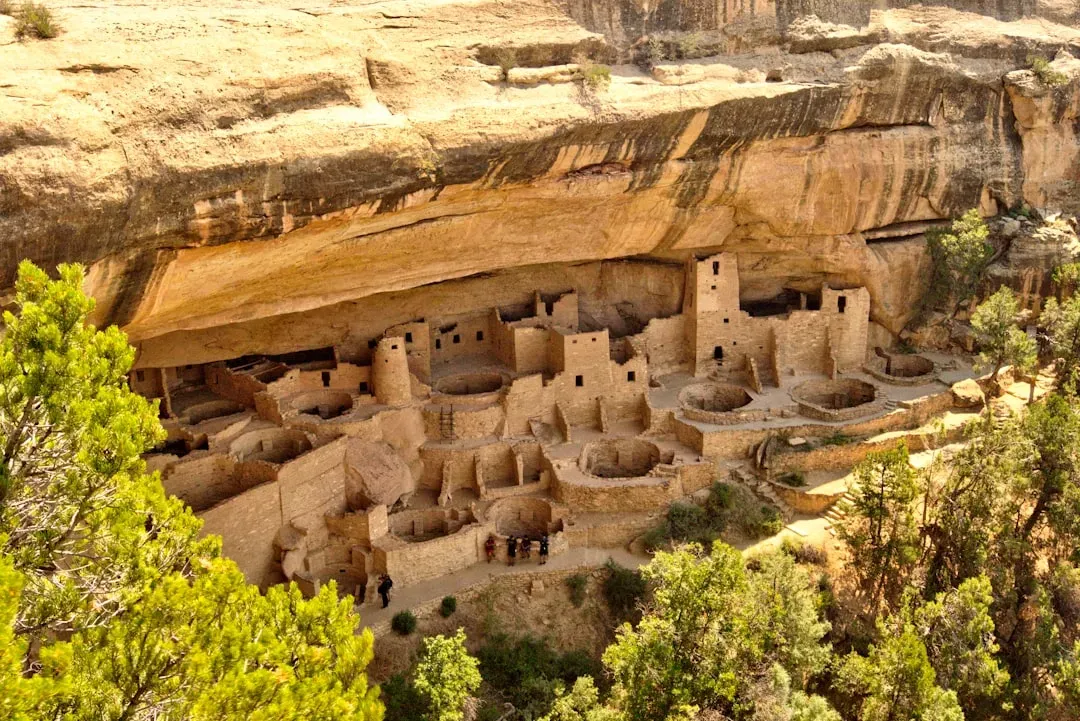
The Ancestral Puebloans (or Anasazi) thrived for centuries in what is now America’s Four Corners area, then suddenly, around 1250 AD, they vanished. At the height of its civilization, it comprised approximately 30,000 people. These folks weren’t just living in mud huts. They built intricate cliff dwellings carved into canyon walls, some housing hundreds or even thousands of people.
Toward the end of the 13th century, some cataclysmic event forced the Anasazi to flee those cliff houses and move south and east, which seems to have originated with environmental catastrophes, which in turn may have given birth to violence and internecine warfare after 1250. An examination of tree trunks from that period using dendrochronology indicates that a severe drought occurred in the region between 1276 and 1299. Honestly, their architectural achievements were so impressive that their sudden departure feels almost unthinkable.
The Khmer Empire: Angkor’s Silent Abandonment
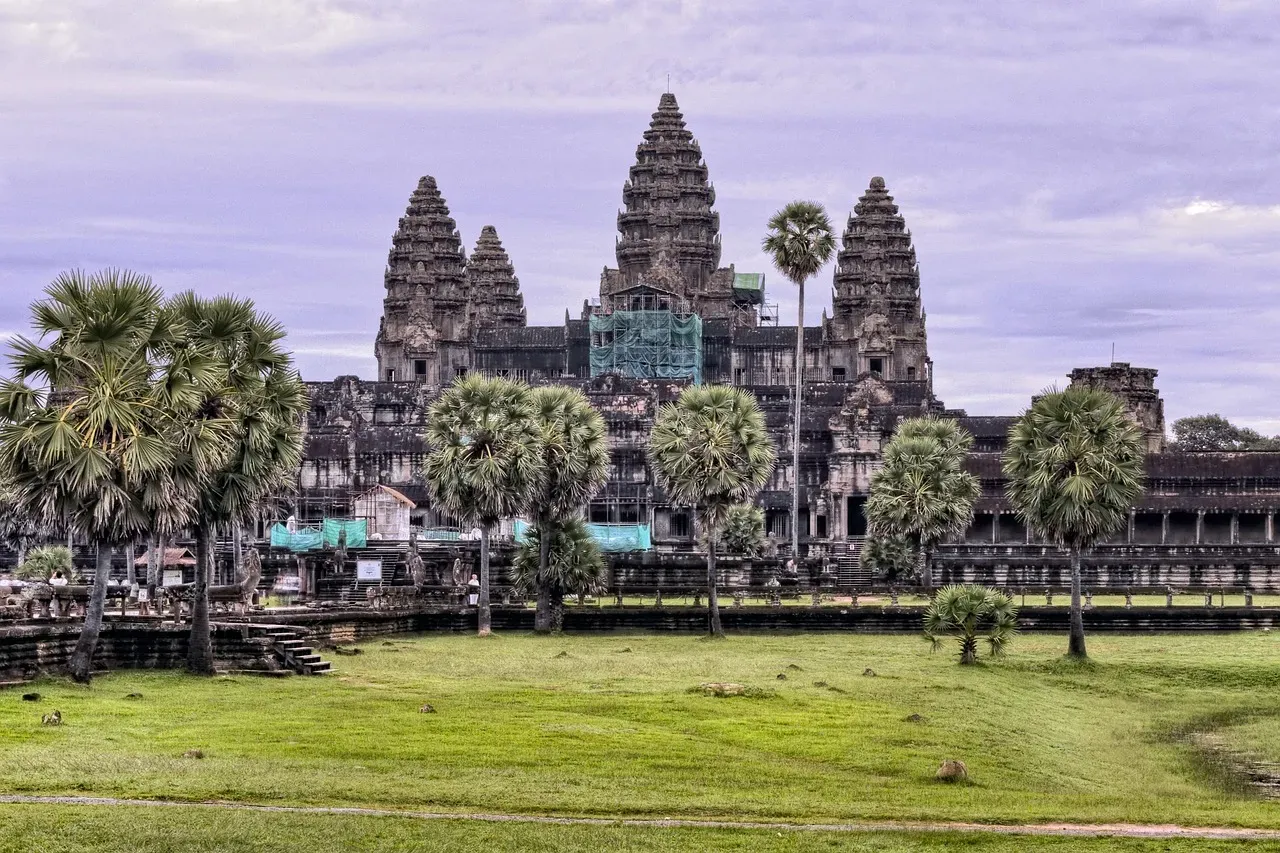
Angkor was one of the civilization’s largest cities, with an estimated population of as many as one million people, and the Khmer empire was at its height between 1000 and 1200 CE, though experts are unsure what caused the civilization to disappear, with theories ranging from war to environmental catastrophe. The ruins of Angkor Wat stand today as testament to their incredible engineering prowess.
Here’s the thing though. According to a new study, the fall of Angkor was much more gradual than previously thought, with land-use in the center beginning to decline about 100 years before the traditional abandonment date, suggesting the demise was slow and protracted rather than abrupt. Researchers have determined that a period of strong monsoon rains was followed by a severe drought, causing damage to the empire’s hydraulic infrastructure, and variability between droughts and flooding may have caused residents to migrate southward. So maybe it wasn’t as mysterious as we thought, but the scale of what they left behind still boggles the mind.
Easter Island: The Moai Builders
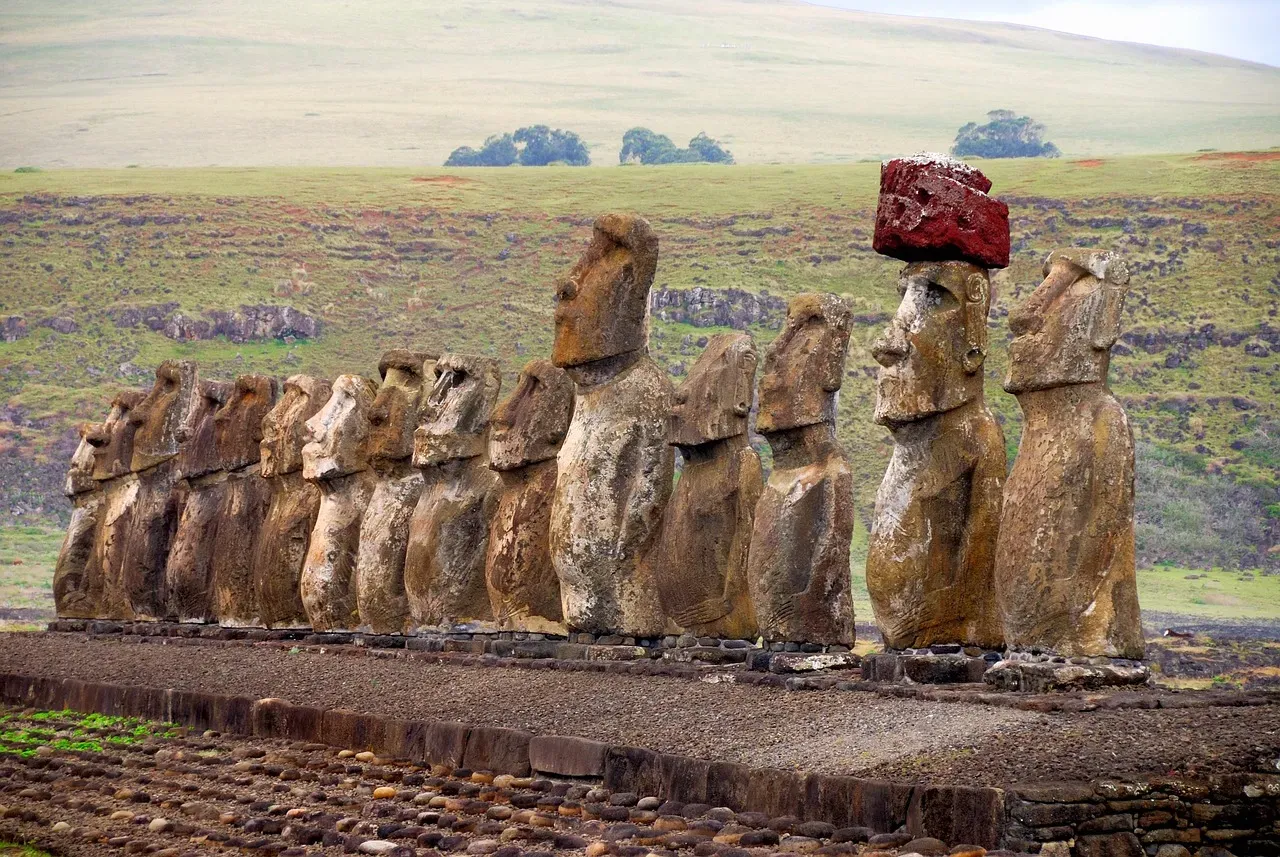
The remote island now known as Easter Island was once a thriving hub of commerce that sat along a heavily trafficked trade route, and it is estimated that the island referred to as Rapa Nui by its native inhabitants had a population reaching 15,000. Those massive stone heads you’ve seen in photos? They tell only part of the story.
By the time of European arrival, the population had dwindled to a minuscule 2000-3000 people, and new theories suggest that the native population declined due to crop failure and clan warfare. Scientists discovered that Easter Islanders cut down almost every last tree, and rats ate the trees’ seeds before the forest could re-germinate, creating an ecological catastrophe that eliminated the ability to make rope or seagoing canoes. It’s hard to say for sure, but the evidence points to a society that literally consumed itself into collapse.
Cahokia: America’s Forgotten Metropolis
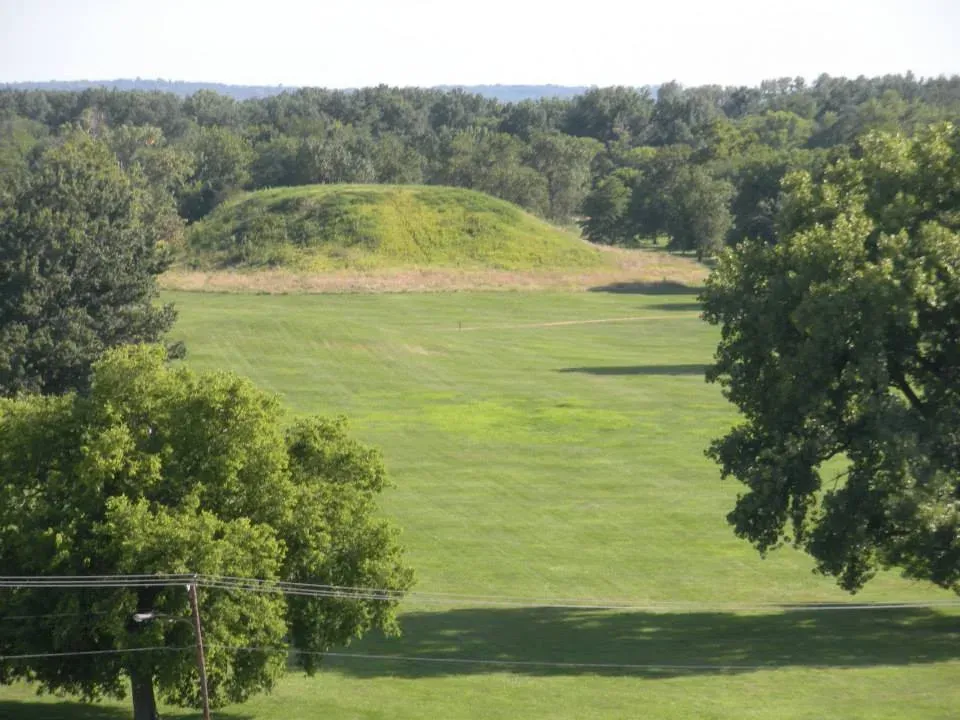
By far the largest of the indigenous villages in the American Southeast and Midwest was Cahokia, located near present-day St. Louis, which at its peak hosted a population of up to 20,000, featuring many plazas and at least 120 earthen mounds. This was a genuine urban center thriving in pre-Columbian North America. The largest mound required roughly 14 million baskets of soil to construct.
Experts don’t know with certainty what led to the gradual demise of the Mississippians, though popular theories suggest the decline was the result of environmental degradation or of famine and disease resulting from poor sanitation. According to experts, the population was washed out – literally – by a massive flood sometime around 1200 AD. Whatever the cause, by 1350, this bustling city had been completely abandoned.
The Minoans: Crete’s Lost Glory
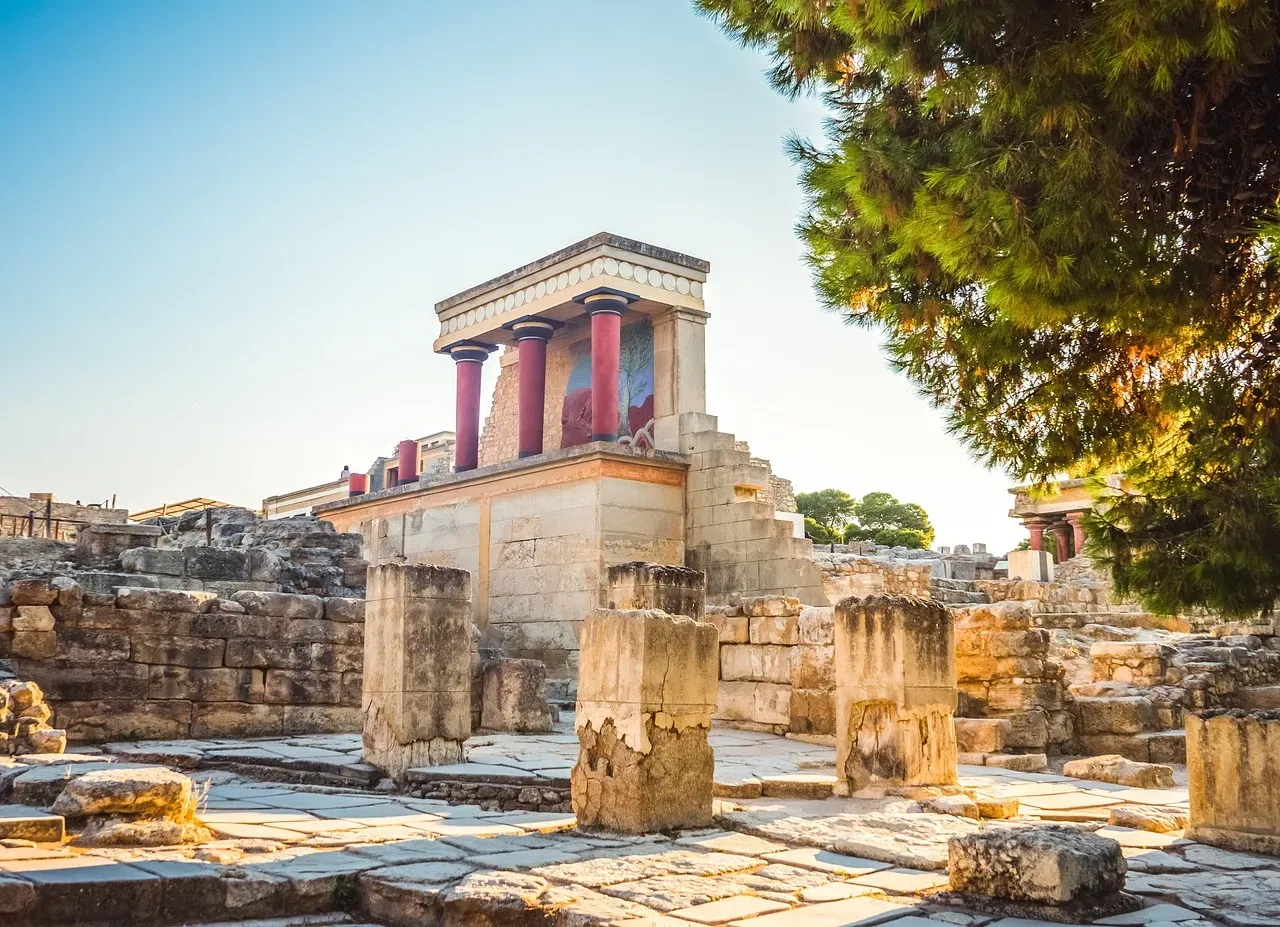
Hailing from the Greek island of Crete, the Minoans were an old Bronze Age civilization that existed from between 3000 and 1000 BC, long before the Golden Age of Athens. Their palaces featured vibrant frescoes, sophisticated plumbing, and complex architectural designs that influenced later Greek culture.
A catastrophic volcanic eruption on the nearby island of Thera (modern-day Santorini) around 1600 BC is often cited as a pivotal event, likely triggering tsunamis and climatic changes that severely impacted agriculture and trade. Some scholars believe this natural disaster initiated their decline. Yet the Minoans’ influence lived on through the Mycenaeans who eventually absorbed them, so in a sense, they never truly disappeared.
Catalhoyuk: The World’s Oldest City
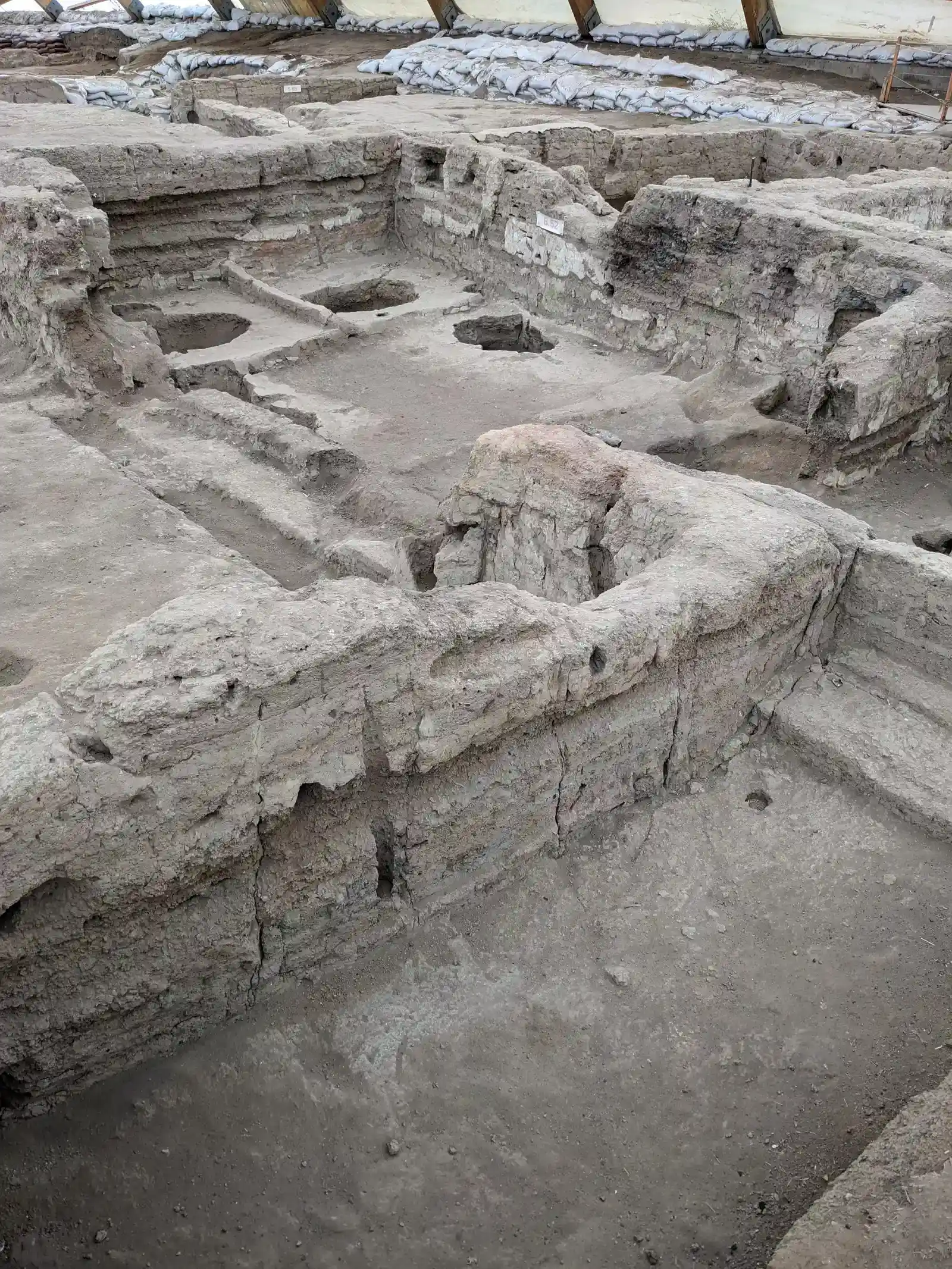
Modern-day south-central Turkey was once home to one of the world’s oldest cities: Çatalhöyük, which was part of an extensive civilization that flourished between 9,000 and 7,000 years ago and then suddenly disappeared. Often called the world’s oldest city, Catalhöyük was built sort of like a hive, with houses built next to each other and entered through holes in the roofs, and it’s believed that people farmed everything from wheat to almonds outside the city walls.
The civilization was pre-literate, which means they left no written explanations for their departure. Why did people eventually abandon the city? It is unknown. What we do know is that this ancient urban experiment simply ended one day, leaving future archaeologists to piece together the puzzle from pottery shards and skeletal remains.
The Olmecs: Mesoamerica’s Mother Culture
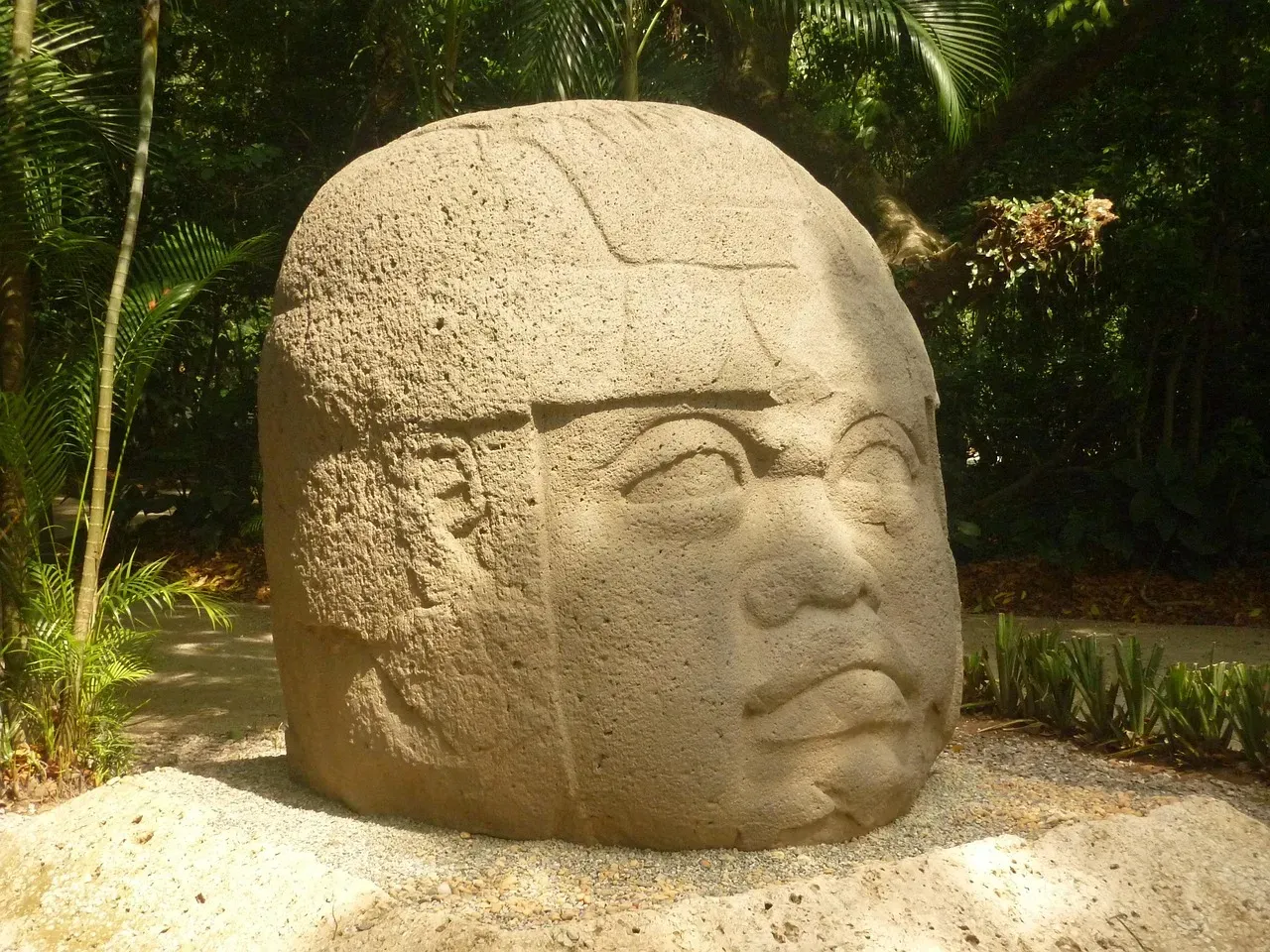
The Olmecs developed their civilization along the Gulf of Mexico around 1100 B.C.E., though most evidence of their structures has disappeared, with many carved heads remaining to commemorate their existence. These colossal stone heads, some weighing up to 50 tons, showcase their remarkable artistry and organizational skills.
Despite their achievements, the Olmec civilization mysteriously declined around 400 BC, with theories ranging from environmental changes such as river silting and volcanic activity to internal strife and warfare. All archaeological evidence of the society disappeared after 300 B.C.E., their graves have since disappeared, and civil war, famine, and natural disaster are the leading theories. Without bones to study, we’ll probably never know the full story.
Conclusion: Lessons from the Vanished
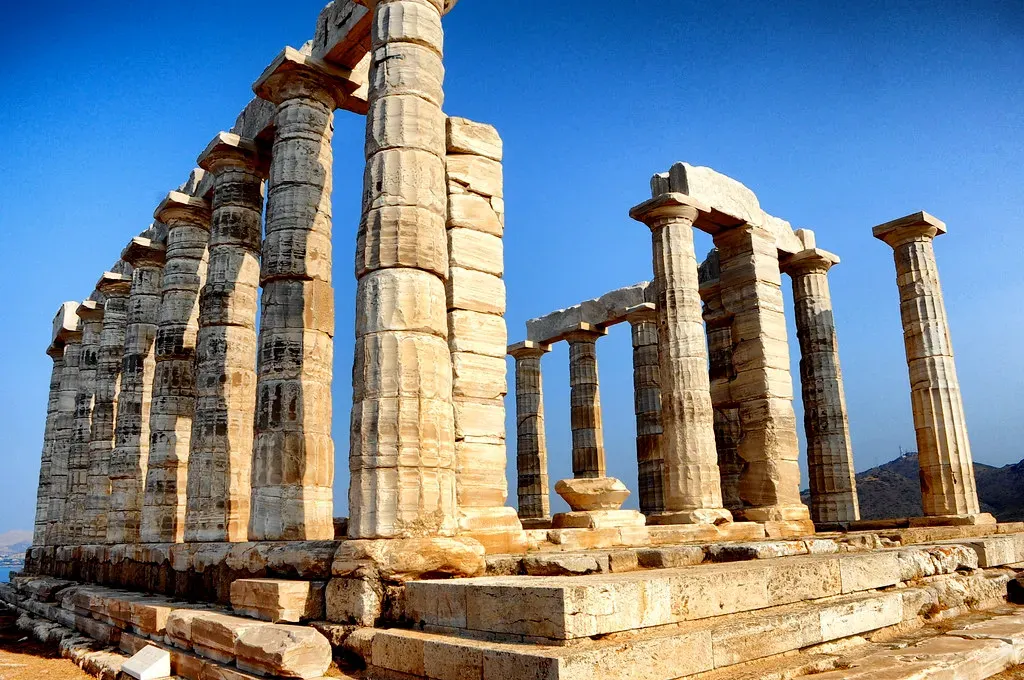
Looking back at these ten civilizations, one pattern emerges repeatedly: environmental stress combined with societal pressure. Climate change, drought, floods, resource depletion – these aren’t just modern concerns. They’ve toppled empires throughout history. Some civilizations adapted and survived in altered forms. Others simply couldn’t overcome the challenges they faced.
What strikes me most is how quickly complexity can unravel. These weren’t primitive societies. They had advanced engineering, sophisticated agriculture, complex social structures, and in many cases, writing systems. Yet when the right combination of factors aligned, even the mightiest civilizations crumbled. The ruins they left behind serve as both testament to human achievement and warning about our fragility. Perhaps the real mystery isn’t why they vanished, but whether we’re paying attention to their cautionary tales.
What do you think caused these civilizations to disappear? Do you see parallels with challenges we face today?