

Have you ever noticed how your entire day can shift after a single moment of joy or frustration? The world looks different when you’re happy compared to when you’re anxious. It’s almost as if your emotions act like a filter, coloring everything you perceive and experience. This isn’t just a poetic notion. There’s real science behind the way your feelings reshape your reality, influence your choices, and directly impact your health.
What if I told you that your emotions aren’t just reactions to the world but active architects of your lived experience? That the alchemy happening inside you right now is transforming abstract feelings into tangible outcomes, from the decisions you make to the physical state of your body. Let’s dive in.
Your Brain’s Emotional Command Center
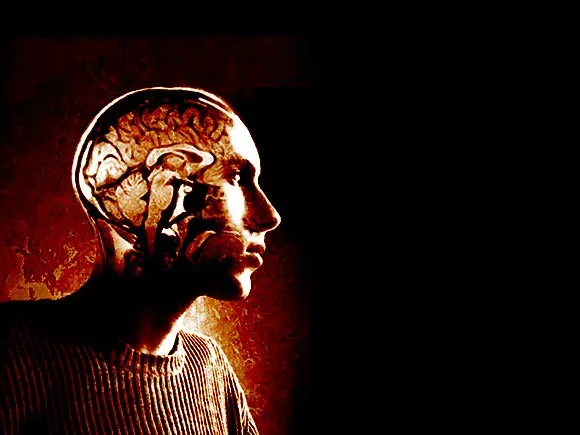
The limbic system, a complex network of brain structures, plays a pivotal role in emotional processing, with key players including the amygdala, the hippocampus, and the prefrontal cortex. Think of the amygdala as your brain’s alarm system. It’s responsible for detecting and interpreting emotional cues from your surroundings and is particularly attuned to threat-related stimuli, triggering the body’s fight-or-flight response when it perceives danger. The hippocampus, meanwhile, doesn’t just store memories. It contributes to emotional regulation and aids in forming context-dependent emotional memories, allowing you to recall past experiences and attach emotions to them.
Emotions aren’t localized to a single brain region or neurotransmitter but emerge from the dynamic interplay between various brain structures and chemical signals, underscoring the multifaceted nature of emotions. Your prefrontal cortex acts like a wise mediator in this neurological orchestra. It’s involved in emotional regulation and decision-making, helping you respond thoughtfully rather than impulsively. This intricate system means that every feeling you experience is the product of millions of neurons firing in concert, creating what we perceive as emotion.
The Chemical Symphony Inside You
Behind every surge of happiness or wave of sadness lies a complex dance of chemicals. Emotions are the result of neurochemical reactions within the brain, and neuroscience explains that they result from complex chemical interactions. Consider dopamine, often called the feel-good neurotransmitter. It’s released in large quantities during rewarding experiences, resulting in strong feelings of pleasure, and when combined with norepinephrine, makes people feel elated and energized.
Serotonin plays an equally fascinating role in your emotional landscape. Levels drop in the initial, intense stage of love, which may play a role in the infatuation that often accompanies a new romantic prospect, while serotonin levels return to normal later in the relationship, aiding in pair bonding. Then there’s cortisol, your stress hormone. When you’re faced with a challenging situation, your adrenal glands release cortisol, preparing your body for action, though chronic elevation can lead to anxiety, depression, and a host of other health issues. It’s like having your alarm system constantly activated.
Emotions as Architects of Perception

Your emotions don’t just respond to reality; they actively construct it. Emotion determines how we perceive our world, organize our memory, and make important decisions. This is profound when you really think about it. Two people can witness the exact same event yet walk away with entirely different memories and interpretations, all because of their emotional state at the time.
The emotional relevance of a stimulus constitutes an important feature influencing attentional selection and prioritization, with behavioral findings indicating that perception is facilitated and attention prioritized for emotional information. Your brain essentially fast-tracks emotionally significant information. Recent psychological and neuroscientific research has revealed that emotion and cognition are closely intertwined, with emotional responses modulating and guiding cognition to enable adaptive responses to the environment. This means when you’re anxious, you’re more likely to notice potential threats in your environment, while happiness might make you overlook warning signs.
The Power Dynamic in Decision Making

Let’s be real: we like to think of ourselves as rational beings who make logical choices. The truth is far messier. Research reveals that emotions constitute potent, pervasive, predictable, sometimes harmful and sometimes beneficial drivers of decision making. Emotions play a significant role in decision-making, and without them to motivate and push us, we would be passive and do nothing.
Intense emotions can exact a higher influence on decisions than the probabilities under consideration, and immediate emotions can be very sensitive to how vivid the possible outcome is to the decision-maker. Think about someone with a fear of flying who chooses to drive across the country despite air travel being statistically safer. Recent neuroscientific studies show that emotion can help us make very rational choices, especially under complex conditions when the outcomes are uncertain. Sometimes your gut feeling, that emotional intuition, knows something your conscious mind hasn’t figured out yet.
Emotional Climate and Physical Health

Here’s something that might surprise you: your emotional state isn’t just mental; it has profound physical consequences. In today’s interconnected world, emotions do more than shape individual experiences – they influence the health and stability of entire societies, with research showing that the emotional climate of a population is deeply linked to both public health and peace. On an individual level, the connection is equally striking.
Research shows positive emotions broaden awareness and help people build lasting resources, such as coping strategies, relationships and resilience, which further feed into positive experiences. Findings suggest that emotion regulation may serve as a protective factor supporting well-being among sensitive youth. Your ability to manage your emotional responses isn’t just about feeling better in the moment. It’s about building resilience that protects your long-term health and creates a buffer against life’s inevitable stresses.
The Transformative Practice of Emotional Alchemy

You might wonder if you’re stuck with your emotional patterns. Fortunately, the answer is no. Neuroscience has proven that the brain stays plastic throughout life, changing itself as we learn to challenge old habits. We can free ourselves of negative patterns and replace them with empathy through the simple practice of mindfulness, which can change not only our lives but the very structure of our brains.
Habitual thoughts that hold a negative emotion in our psyche need to be recognized and then transformed into something that is more positive and helpful, allowing that emotion to be acknowledged and released from its bond. This is where the concept of emotional alchemy becomes practical. You’re not suppressing or denying difficult feelings. Instead, you’re learning to work with them, understand them, and ultimately transform them into something that serves rather than hinders you.
Cultural Contexts and Emotional Expression

Your cultural background plays a surprisingly significant role in how you experience and express emotions. Research observed that consistent with cultural differences in ideal affect, European Americans define happiness and well-being in high arousal positive terms more and low arousal positive terms less than Hong Kong Chinese. What feels like an appropriate emotional response in one culture might seem excessive or insufficient in another.
Daily emotion reports reflect not only what people feel but also how their cultures shape expression, with some cultures encouraging people to show joy, making them more likely to report laughing or smiling. This doesn’t mean emotions themselves are fake or constructed. Rather, culture provides the framework through which you interpret and display your genuine feelings. Understanding this can help you appreciate why people from different backgrounds might react differently to the same situation, and why your own emotional responses are shaped by more than just individual experience.
Emotions in an Unstable World

We live in turbulent times, and collective emotional health has become more important than ever. Emotional vital signs that impact health outcomes, such as worry, stress, sadness, and anger, are down from pandemic highs, except for physical pain, though all remain higher than they were 10 years ago. Where peace is fragile, negative emotions intensify, with lack of peace above all shaping negative emotions, making sadness, worry, and anger more common in less peaceful countries.
Yet there’s encouraging news too. More people than ever feel respected, with feeling treated with respect at 88 percent being at the highest level measured. Despite reporting higher levels of sadness, worry, pain, and stress than men, women remain as likely as men to rate their lives positively enough to be considered thriving, with 29 percent of women and 27 percent of men worldwide thriving in 2024, indicating that higher daily distress does not necessarily translate into lower overall life evaluations. This resilience in the face of difficulty demonstrates the remarkable adaptive capacity of human emotional systems.
Practical Strategies for Emotional Well-Being

So what can you actually do with all this information? Emotional intelligence is the ability to recognize and manage your emotions effectively, with key elements including self-awareness, self-regulation, motivation, empathy, and social skills, and by developing these skills, you can use your emotions to inform your decisions without being controlled by them. Emotions can act as a compass, pointing you toward what matters most to you and what aligns with your values, though it’s essential to balance emotional insights with logical reasoning.
Mental health relies more on our ability to manage our emotions than the nature of the emotions themselves and depends more on our ability to manage the events in our lives in an efficient and productive manner than our relative diagnostic status compared to others. This is liberating. You don’t need to eliminate negative emotions or maintain constant happiness. The goal is developing the capacity to work skillfully with whatever emotions arise, using them as information rather than letting them dictate your actions.
The Path Forward

Your emotions are neither your enemy nor an inconvenient distraction from rational thought. They’re an intricate system evolved over millions of years to help you navigate a complex world. Emotions emerge from concrete physical processes – patterns of neural activity that evolved to help organisms survive, adapt, and connect with others, and understanding the neuroscience of emotions illuminates why humans behave the way they do, offers insights into mental health and disease, and deepens our appreciation of how biology and consciousness intertwine.
Cultivating self-awareness, addressing past emotional burdens, and consciously nurturing positive emotions can profoundly influence personal and collective resilience, with protecting and fostering positive emotions representing not merely a personal benefit but a necessary contribution to the health, peace, and stability of entire communities. The alchemy of emotions isn’t about turning lead into gold. It’s about recognizing that you already possess the raw materials for transformation. Every feeling you experience, whether comfortable or challenging, contains valuable information and potential for growth. The question isn’t whether emotions will shape your reality. They already do. The real question is whether you’ll learn to work with them consciously, transforming your inner emotional landscape and, by extension, the world you experience.
What aspects of emotional alchemy resonate most with your own experience? How might understanding the science behind your feelings change the way you approach them?