Ever feel like you’re running on fumes, but everyone around you seems to think you’re fine? You show up, you smile, you handle what needs handling. Yet inside, something feels off. It’s hard to pinpoint, actually.
The signs can be subtle at first, and they often worsen as time goes on. That’s the tricky thing about emotional burnout. It doesn’t announce itself with fanfare or sudden collapse. It creeps in slowly, quietly draining your emotional reserves until one day you realize you just don’t feel like yourself anymore. Let’s dive into the warning signs you might be missing and what you can actually do about them.
You Feel Tired No Matter How Much You Rest

This type of exhaustion is persistent and doesn’t seem to fix itself with a nap or weekend off, leaving you feeling drained, overwhelmed, or emotionally flat. If you’ve been getting your eight hours but still wake up feeling like you didn’t sleep at all, pay attention. This isn’t ordinary tiredness – it’s a persistent fatigue that doesn’t improve with rest.
Your body is basically telling you that what you’re dealing with goes deeper than just needing more sleep. Think of it like a phone that won’t charge no matter how long you leave it plugged in. Sometimes the issue isn’t the battery, it’s the constant drain happening in the background. That’s what emotional burnout does to your energy levels.
Small Things Irritate You More Than Usual

Emotional shifts like increased irritability and a cynical outlook are red flags, especially common in high-stress jobs. Maybe you snapped at someone for a minor inconvenience, or you felt disproportionately annoyed by something that wouldn’t normally bother you. Honestly, when everything feels like too much, even the tiniest frustration can push you over the edge.
Burnout makes you feel hopeless, cynical, and resentful. Your patience wears thin because you’re already operating at maximum capacity. There’s no buffer left for life’s little annoyances. If you’re noticing this shift in yourself, it’s worth asking what might be draining your emotional reserves.
You’ve Lost Interest in Things You Once Enjoyed

Remember those hobbies or activities that used to light you up? Whether it’s time with friends, hobbies, or even your work, burnout makes everything feel like a chore. You might find yourself scrolling through your phone instead of picking up that book, skipping plans with friends, or just feeling indifferent about things that used to excite you.
People who have burnout find their jobs increasingly stressful and frustrating, may become cynical about their working conditions or colleagues, and increasingly distance themselves emotionally. This emotional withdrawal isn’t laziness or lack of discipline. It’s your mind and body signaling that something needs to change. You’re not broken, you’re burnt out.
You’re Struggling to Concentrate

Burnout mainly affects everyday tasks at work, at home or when caring for family members, making people very negative about their tasks and finding it hard to concentrate. Tasks that used to feel straightforward now seem overwhelming. You read the same paragraph three times without absorbing it. Decisions feel impossibly difficult.
Your brain fog isn’t a character flaw. Burnout makes it hard to concentrate, handle responsibilities, or be creative. Think of your mind like a computer with too many tabs open. Eventually, it starts lagging. When you’re emotionally depleted, your cognitive resources get stretched dangerously thin, making even simple tasks feel monumental.
You Feel Emotionally Numb or Detached

You may start to distance yourself emotionally and feel numb about your work and environment. It’s like watching your own life from behind glass. You’re present but not really there. People talk to you, and you hear them, but you don’t feel connected to the conversation.
Stress typically involves overactive emotions and over-engagement, whereas burnout features emotional numbness and disengagement, with people feeling emotionally drained and detached. This detachment is your psyche’s attempt at self-protection. When everything feels like too much, shutting down emotionally becomes a defense mechanism. Still, living in that state isn’t sustainable or healthy.
Your Body Is Sending You Warning Signals

You may feel greatly fatigued and without energy, get sick often, have body aches and recurring headaches, lose your appetite, or experience insomnia. Maybe your stomach’s been acting up, or you’ve had more headaches than usual. Perhaps you’re catching every cold that goes around.
Burnout is as physical as it is emotional. Your body and mind aren’t separate entities. When your emotional health suffers, your physical health often follows suit. Those tension headaches, digestive issues, or mysterious aches aren’t random. They’re messengers telling you to slow down and reassess.
You Feel Like Nothing You Do Matters

One of the most demoralizing aspects of burnout is the feeling that no matter what you do, it’s not enough, especially common in overload burnout where people work harder and harder to prove themselves. That crushing sense of futility is soul-destroying. You put in the effort, but it feels meaningless. Why bother when it doesn’t make a difference anyway?
You may feel self-doubt, helplessness, defeat, and failure, lose your sense of purpose, and feel increasingly cynical, dissatisfied, and incapable. This isn’t reality speaking, it’s burnout distorting your perspective. When you’re running on empty, it’s nearly impossible to see your own impact or worth clearly.
You’re Withdrawing from Social Connections

Isolating from others becomes easier than engaging. You cancel plans, avoid conversations, and prefer being alone. Not because you genuinely want solitude for restoration, but because interacting with people feels exhausting. Every social obligation feels like climbing a mountain.
Dealing with long-term stress can make you pull away and lose interest in things you normally enjoy, affecting both personal and professional relationships. Yet ironically, isolation often makes burnout worse. Human connection is actually one of the most powerful antidotes to emotional exhaustion, even though it’s often the last thing you feel like pursuing.
You’ve Developed a Cynical Attitude

Increasingly cynical and negative outlook becomes your default mode. Maybe you catch yourself making sarcastic comments, dismissing positive developments, or expecting the worst. That protective pessimism feels justified when you’re burnt out because optimism requires energy you don’t have.
Look out for signs of cynicism and frustration toward work and colleagues. This shift in perspective isn’t who you really are. It’s a symptom of prolonged depletion. When your emotional tank is empty, it’s hard to see the good in anything or anyone, including yourself.
You’re Just Going Through the Motions
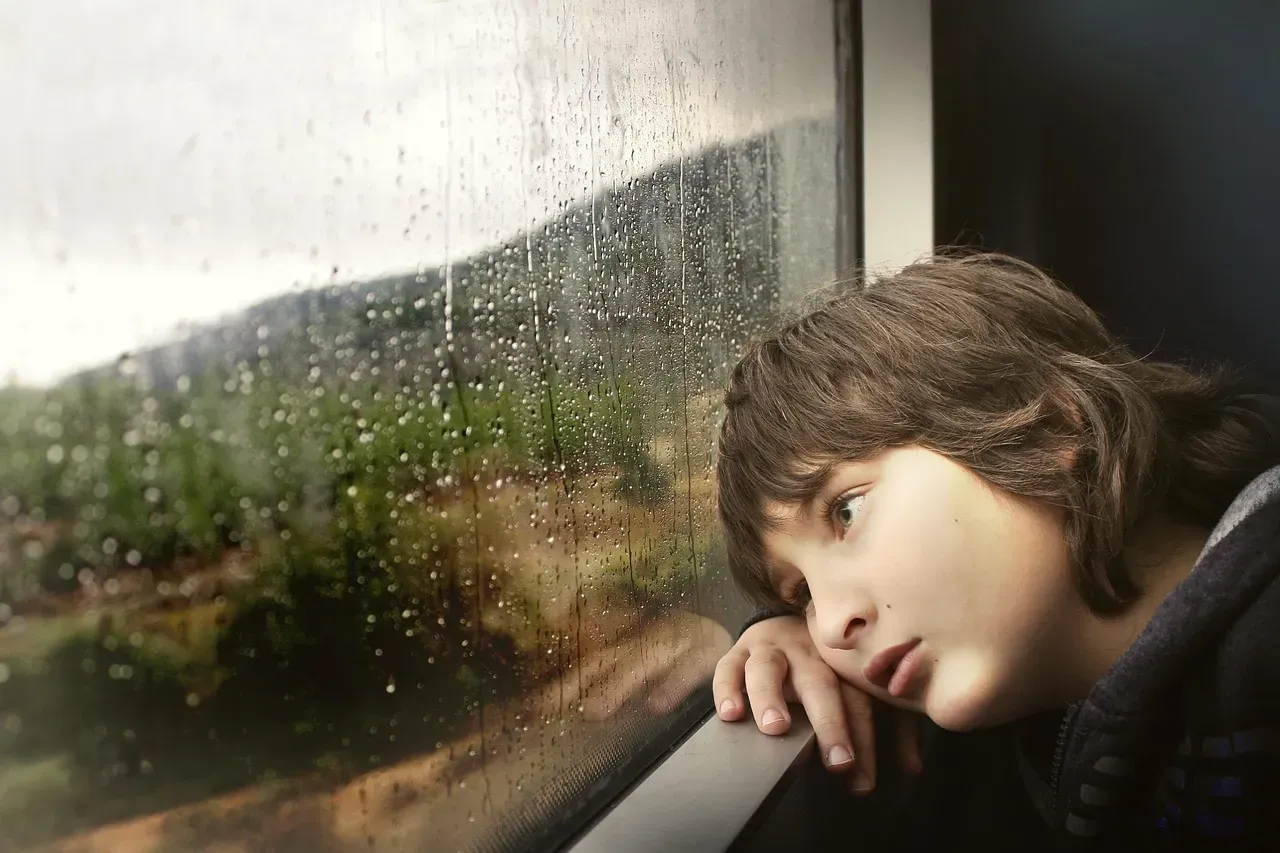
You may withdraw socially or feel like you’re just going through the motions. You wake up, do what needs doing, and go to bed. Repeat. There’s no joy, no enthusiasm, no real engagement. You’re functioning on autopilot because that’s all you have left.
Decreased satisfaction and sense of accomplishment leaves you feeling empty even when you complete tasks. Life becomes a checklist rather than an experience. You’re surviving, not thriving. Recognizing this pattern is actually the first step toward changing it.
How to Actually Recover from Emotional Burnout

Dealing with burnout requires recognizing the warning signs, reversing damage by seeking support and managing stress, and building resilience by taking care of your physical and emotional health. Recovery isn’t about one dramatic gesture or quick fix. It’s about consistent, intentional changes that honor your limits and needs.
One of the most effective approaches is reaching out to others, as social contact is nature’s antidote to stress and talking face to face with a good listener is one of the fastest ways to calm your nervous system. Start small with self-care basics like adequate sleep, nourishing food, and movement. Acknowledge and accept that you have burnout, take time to rest, make a list of what’s causing stress, and put solutions in place to help you take back control. Set boundaries even when it feels uncomfortable. Seek professional help if symptoms persist. With the right treatment and support, you can recover from burnout, regain your energy and enthusiasm, and feel more hopeful.
Recovery takes time, sometimes ranging from a few months to over a year depending on severity. Be patient with yourself. You didn’t burn out overnight, and you won’t recover overnight either. The goal isn’t perfection, it’s progress toward feeling like yourself again.
Conclusion

Emotional burnout doesn’t make you weak or incapable. Burnout doesn’t mean you’re weak – it means you’ve carried too much for too long. Recognizing these subtle signs gives you the power to make changes before complete collapse happens. Whether it’s that persistent exhaustion, emotional numbness, or feeling like nothing matters anymore, each symptom is your system asking for help.
You deserve to feel energized, connected, and present in your own life. Recovery is possible when you acknowledge what’s happening and take deliberate steps to address it. What would change if you gave yourself permission to slow down and prioritize your wellbeing? Sometimes the bravest thing you can do is admit you need rest and actually take it.