

Have you ever walked into a room and felt uneasy without knowing why? Or maybe you’ve woken up from the same dream for the third time this month, wondering if your brain is trying to send you a message in code. Here’s the thing: your subconscious mind is constantly working behind the scenes, picking up details you might miss and processing emotions you haven’t fully acknowledged yet. It’s like having a silent partner in your head, one that’s always paying attention even when you’re not.
Your subconscious doesn’t speak in words or logical arguments. Instead, it communicates through feelings, physical sensations, dreams, and behaviors you might dismiss as random. Learning to recognize these signals can be transformative, honestly. Think of it as tuning into a radio station that’s been broadcasting all along, you just never knew the frequency. Let’s dive into the fascinating ways your inner mind tries to get your attention.
That Gut Feeling You Can’t Shake

Your intuition rapidly sifts through past experience and cumulative knowledge, often arising holistically and quickly without awareness of the underlying mental processing. When you meet someone new and something feels off, or when you’re about to make a decision and your stomach tightens, that’s not mystical nonsense. Your body can react to situations without conscious awareness through interoception, and even when you don’t consciously see something threatening, your heart rate can increase and you’ll start sweating.
The brain makes use of past experiences along with internal signals and cues from the environment to help make decisions so quickly that it doesn’t register with the conscious mind. That weird sensation before you walk under a loose storefront sign? Your brain noticed something was wrong before you consciously registered it. These feelings deserve your attention because they’re often protecting you from dangers your conscious mind hasn’t caught up to yet.
Your Body Language Betrays Your True Feelings

Unconscious communication consists of subtle, unintentional cues that can be verbal like speech patterns and tone, or nonverbal like facial expressions and body language. You might say you’re fine during a difficult conversation, yet find yourself crossing your arms or leaning away. Your lips and eyes can be manipulated to hide true feelings, but those feelings will try to work their way out somewhere else, and the further away from your face, the more honest your body language tends to be.
Next time you’re in a meeting or having a serious talk, notice where your feet are pointing. People point a foot in the direction they want to go, which might reveal that you’re more eager to leave than you consciously realize. Your subconscious mind is incredibly honest, even when you’re trying to be polite or diplomatic. It’s worth paying attention to what your body is saying when your mouth stays silent.
Dreams That Keep Coming Back

Nearly two thirds of the population report having recurring dreams, with typical scenarios including being chased, finding yourself naked in public, losing your teeth, or forgetting to go to class. These aren’t just random brain static while you sleep. Recurring dreams rarely replay an event directly but reflect it metaphorically through a central emotion, acting as your mind’s way of working through something unresolved.
Experts believe recurring dreams result from unresolved life problems or difficult emotions, and may allow the mind to make sense of past painful experiences or provide practice scenarios for reacting to threats. That dream where you’re unprepared for an exam might show up the night before a big work presentation. Your subconscious is trying to process anxiety about performance and feeling unprepared, even years after you left school.
When Fatigue Won’t Go Away

Tiredness and fatigue even when getting plenty of sleep are signs that something needs attention, often occurring when we want to escape drama and problems, leaving us mentally and emotionally drained to the point where no amount of rest is enough. You sleep eight hours but wake up exhausted. You yawn constantly even though you went to bed early. This isn’t laziness or a physical illness necessarily.
Your unconscious mind is trying to tell you that action needs to be taken to resolve pressing issues, and it’s working overtime trying to figure out solutions, which is part of why your conscious mind is so strapped for energy. Think of it like having too many programs running in the background on your computer. Until you address what’s draining you emotionally or mentally, your energy levels probably won’t improve.
Sudden Insights That Appear From Nowhere

Intuition is a powerful tool that mostly leads to insights occurring in striking flashes, which are extremely ephemeral but powerful enough to convey spiritual messages that leave lasting impacts. You’re in the shower, not thinking about anything in particular, when suddenly the solution to a problem you’ve been wrestling with for weeks just appears. This sensation of sudden clarity arises when your subconscious has processed information before your conscious mind catches up.
These aha moments feel magical, like they came from outside yourself. Really, though, your subconscious has been churning through information in the background, making connections you weren’t aware of. It’s hard to say for sure, but I think these flashes are some of the most valuable communications from your inner mind because they often contain genuinely creative solutions your logical brain wouldn’t have reached on its own.
Uncomfortable Feelings Around Certain People

Your subconscious mind warns you against potential dangers, and when you meet someone new and have a bad feeling about them even without concrete evidence, this uneasy feeling might be your subconscious picking up on subtle cues and past experiences. Someone seems friendly enough on the surface, but something makes you want to keep your distance. Your rational mind might dismiss this as paranoia or unfair judgment.
If you’ve ever had a gnawing sensation in your gut that things aren’t going right despite the surface seeming fine, or been made uncomfortable by someone who seems friendly enough, you’ve heard alarm signals from your unconscious mind about contradictions in that person’s superficial friendliness masking perhaps some deeper anger or angst. Your subconscious is incredibly skilled at reading microexpressions and tone shifts that your conscious awareness misses. Trust that discomfort, it’s often keeping you safe.
Racing Thoughts You Can’t Control

When minds get bombarded by millions of thoughts that come and go in seconds, the unconscious mind is trying to say that we are emotionally perplexed and that we need to take hold of our lives. Your brain feels like a browser with fifty tabs open, each playing a different song. You try to focus on one thing, but three other worries immediately crowd in. This mental chaos isn’t a character flaw.
Your subconscious is overwhelmed, trying to process too many unresolved issues at once. It’s like your inner mind is frantically waving red flags, saying “Hey, we need to deal with some of this stuff before moving forward.” The racing thoughts are a signal that you need to slow down, maybe write things out, and address what’s actually bothering you rather than trying to push through and ignore it.
Physical Tension in Specific Body Parts

Generally speaking, when someone’s feeling stressed they’ll touch their neck area, and you might find yourself unconsciously rubbing your shoulders or clenching your jaw. The gut and brain are intimately connected via the nervous system, and the gut is sometimes called the second brain, which is why you may have an upset stomach when nervous, and we literally feel things in our stomach because this part of the nervous system responds to emotional changes.
Your body is an incredibly honest messenger. When stress or anxiety builds up, it doesn’t just stay in your thoughts. It manifests as tight shoulders, headaches, stomach problems, or jaw pain. These physical symptoms are your subconscious mind’s way of saying you’re carrying emotional weight that needs acknowledgment. Ignoring these signals just makes them louder over time.
Strong Impulses to Take Immediate Action

Sometimes your subconscious can nudge you in the right direction even if it seems impulsive, and making a decision that brings joy and confidence despite doubts could be a sign that your subconscious recognizes it as the right choice, whether confessing feelings, quitting a job, or taking a spontaneous trip. You’ve been agonizing over a decision for weeks, weighing pros and cons endlessly. Then one morning you wake up and just know what you need to do.
That sudden clarity and urge to act isn’t recklessness. Your subconscious has been working on the problem all along, and when it reaches a conclusion, it can feel like a powerful push. Obviously you shouldn’t make every major life decision on impulse, but when that deep certainty arrives, it often deserves serious consideration rather than dismissal as irrational emotion.
Patterns in Your Daily Choices and Habits

Your subconscious mind causes you to feel emotionally and physically uncomfortable whenever you attempt to do anything new or different or to change established patterns of behavior, and the sense of fear and discomfort are psychological signs that your subconscious has been activated. You keep choosing the same type of romantic partner even though it never works out. You sabotage yourself right before success. These patterns aren’t random bad luck.
Your subconscious operates based on deeply ingrained beliefs and past experiences, some formed so early you don’t consciously remember them. When you find yourself repeating the same mistakes or making choices that don’t align with your stated goals, your subconscious is revealing something about what you truly believe you deserve or what feels safe and familiar. Breaking these patterns requires bringing them into conscious awareness first.
The Way You React Under Pressure

Studies of decision making show that we make decisions unconsciously and act on them physically before we’re aware consciously that we’ve done so, with the delay being up to nine seconds. When stress hits and you don’t have time to think, your true patterns emerge. Do you freeze, fight, flee, or immediately start problem solving? These automatic responses reveal what your subconscious considers the safest strategy based on your life history.
When the power of our subconscious mind grows stronger, we lose the edge that often came with fear, still having healthy discernment but losing the paralyzing sensation of despair that once came with worry and anxiety, and this lack of heightened fear sensations comes from choices and being able to complete tasks during difficult times. Your stress responses are messengers, showing you both your current coping mechanisms and areas where you might need to develop new strategies.
Resistance to Things You “Should” Want

You tell yourself you want a promotion, but somehow never quite finish the application. You say you want to get healthy, but find excuses every time. Let’s be real, this isn’t laziness or lack of willpower. You can feel your subconscious pulling you back toward your comfort zone each time you try something new, and even thinking about doing something different from what you’re accustomed to will make you feel tense and uneasy.
Your subconscious might be protecting you from something your conscious mind hasn’t acknowledged yet. Maybe that promotion means less time with family, and deep down you’re not willing to make that trade. Maybe getting healthy means confronting painful emotions you’ve been using food to manage. The resistance is information, not failure. It’s telling you there’s a deeper conflict that needs resolution before you can move forward authentically.
Conclusion
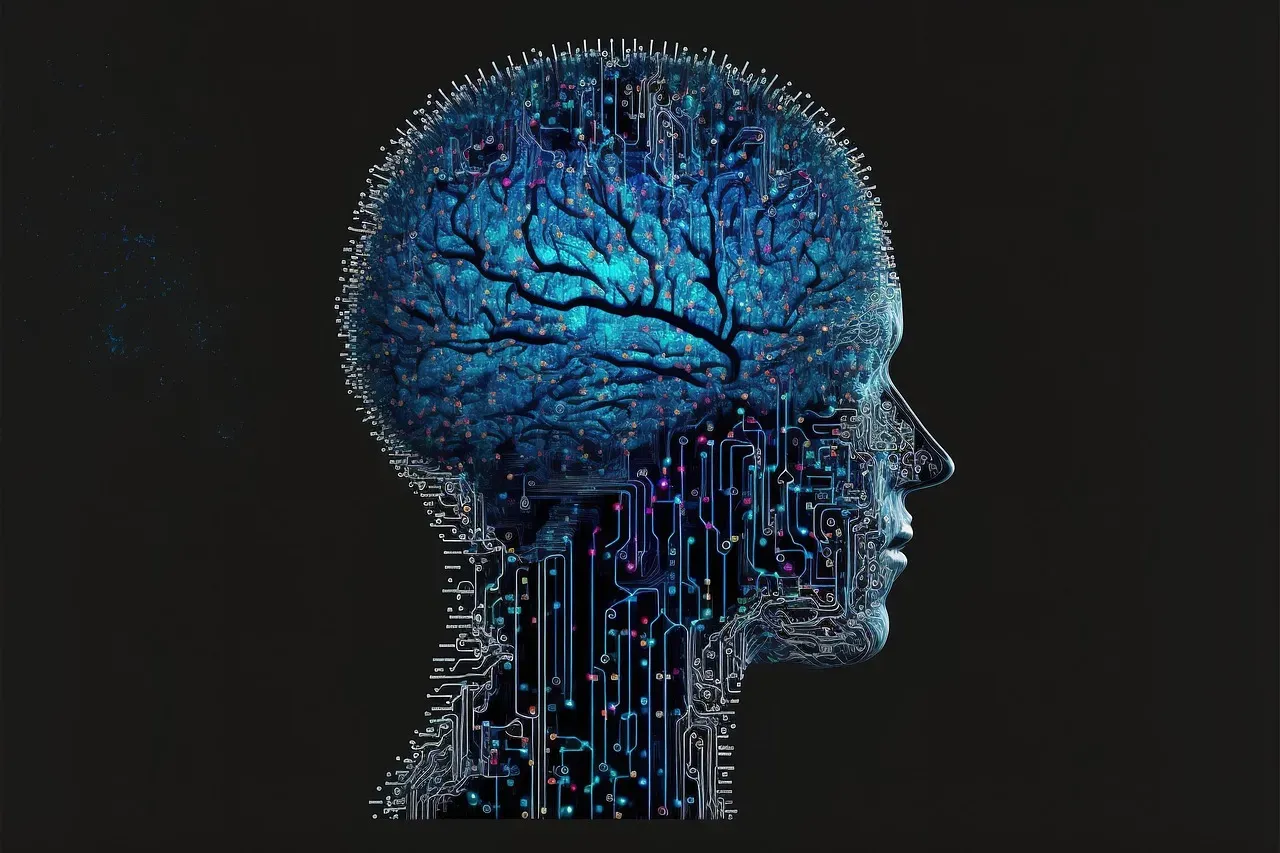
Your subconscious mind isn’t your enemy or some mysterious force beyond your control. It’s actually your ally, constantly working to keep you safe, process difficult experiences, and guide you toward what you genuinely need. The key is learning to listen to its language of feelings, dreams, physical sensations, and behavioral patterns instead of dismissing these signals as irrational or inconvenient.
Our unconscious minds are running our lives and we owe them a debt of gratitude, and we can tap into its messages and use them to help us grow mentally and spiritually by identifying the potential lessons it has to teach us. The next time you feel that nagging sensation, have that recurring dream, or notice your body tensing up, pause and ask what your subconscious might be trying to communicate. What patterns are you seeing? What emotions are you avoiding? The answers might surprise you and lead you toward genuine growth and self understanding. What messages has your subconscious been sending lately that you’ve been ignoring?