

Think you trust what you see and remember? Here’s the thing: your brain is constantly working behind the scenes, filling in gaps and taking shortcuts. What you think of as reality might be something completely different from what’s actually happening around you.
Your mind isn’t intentionally deceiving you. It’s trying to help. When making judgments under uncertainty, people rely on mental shortcuts or heuristics, which provide swift estimates about the possibility of uncertain occurrences. These mental tricks save you time and energy every single day. The problem is that sometimes these shortcuts lead you astray in ways you’d never expect.
You Only See What You Expect to See
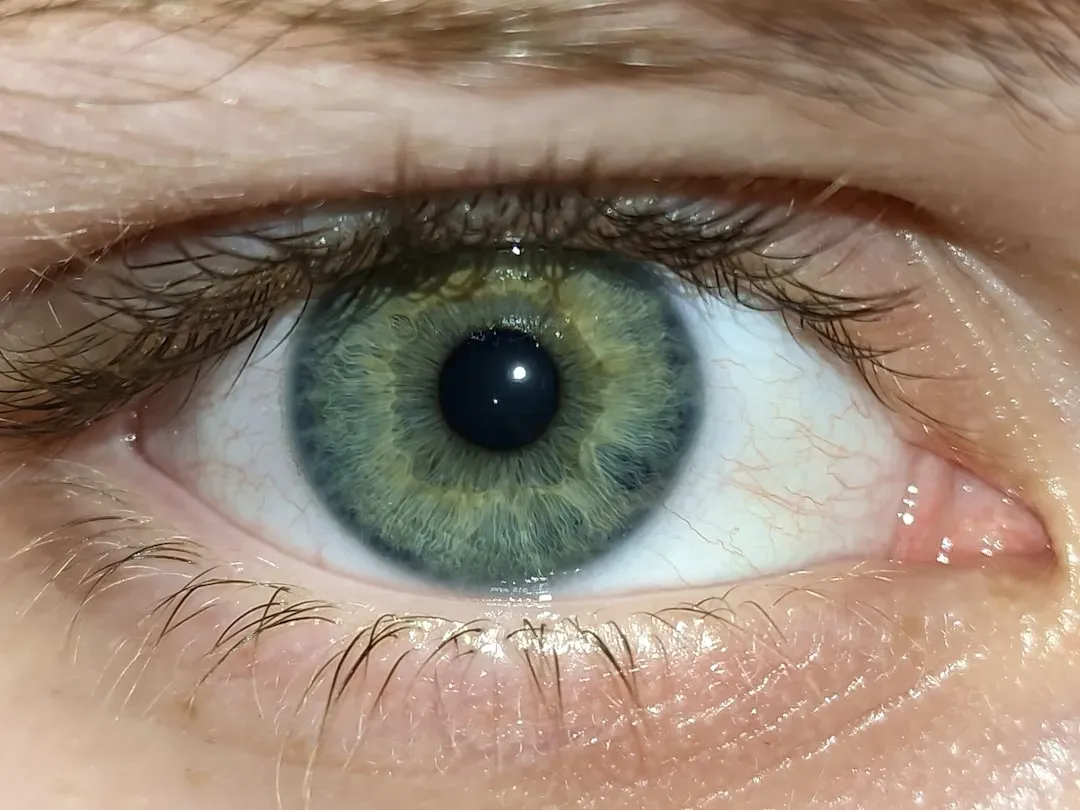
Picture this: you’re walking through a crowded street while texting a friend about tonight’s dinner plans. A person in a bright yellow costume walks right past you. Did you notice them? Probably not. Inattentional blindness occurs when an individual fails to perceive an unexpected stimulus in plain sight, purely as a result of a lack of attention rather than any vision defects or deficits. When it becomes impossible to attend to all the stimuli in a given situation, a temporary blindness effect can occur.
The best known study demonstrating inattentional blindness is the Invisible Gorilla Test, conducted by Daniel Simons of the University of Illinois at Urbana–Champaign and Christopher Chabris of Harvard University. This study asked subjects to watch a short video of two groups of people passing a basketball around. Nearly half the viewers completely missed a person in a gorilla costume strolling through the scene. They weren’t blind. They simply weren’t looking for it.
Your brain can only process so much at once, and when you focus intensely on one task, unexpected things literally disappear from your awareness. People talking on a cell phone as they walked across a college campus were less likely than other pedestrians to notice a unicycling clown who rode across their path. Let’s be real: if you can miss a unicycling clown, you can miss almost anything.
Your Brain Fills in Visual Blanks (Even When It Gets Things Wrong)
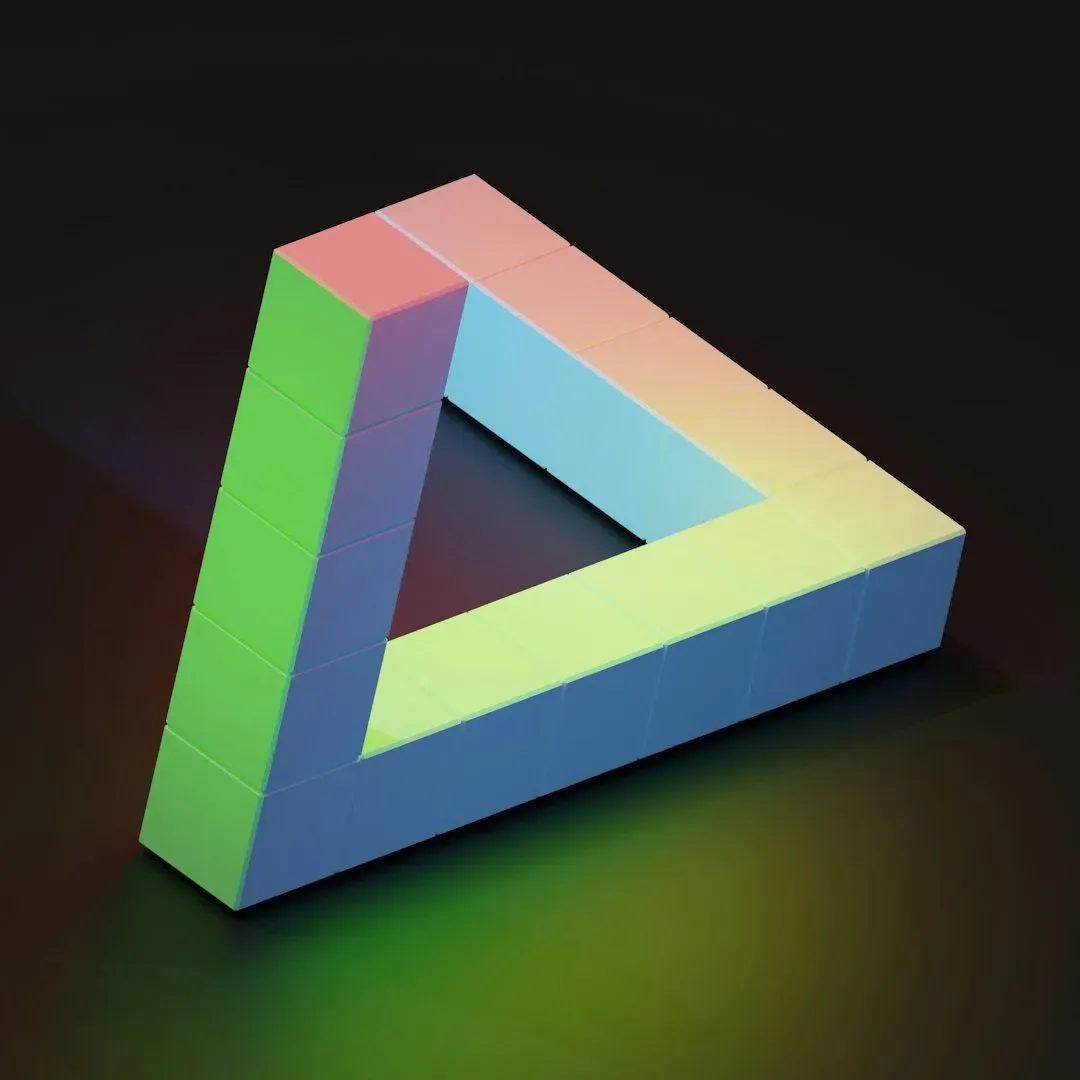
Your eyes aren’t cameras that record objective reality. The human brain is an extraordinary processing machine, constantly interpreting and reconstructing the visual information it receives. Instead, they are intricate sensors that capture light, which the brain then interprets, predicts, and sometimes dramatically reimagines. Think of it like this: your brain is constantly guessing at what should be there.
Although most people would agree that the square labeled B is much lighter than the one labeled A, the two squares are actually the exact same color. You perceive the squares differently because your brain knows, from experience, that shadows tend to make things appear darker than what they actually are. So, despite the squares being physically identical, your brain thinks B should be lighter. This is called the checker shadow illusion, and it’s genuinely mind blowing.
Your brain does not simply receive information, it creates your perception of the world. This means that sometimes your brain fills in gaps when there is incomplete information, or creates an image that isn’t even there! Survival depends on quick reactions, so evolution gave us a brain that pieces together whatever information it can grab and fills in the rest. Sometimes brilliantly. Sometimes incorrectly.
Your Memory Is More Fiction Than Fact

You remember your tenth birthday party vividly, right? Maybe you recall the blue frosting on the cake and how your best friend arrived late. Here’s the unsettling truth: False memory refers to cases in which people remember events differently from the way they happened or, in the most dramatic case, remember events that never happened at all. That blue frosting? It might have been pink. Your friend might have been on time.
False memories should not be mistaken for lies nor are they intentionally produced, but it is rather due to error of omission and commission. This could entail mixing up details from one event with details from another, or even recalling partial or whole recollections of an incident that has never happened before. You’re not lying when you misremember. Your brain is just reconstructing the past from fragments, and sometimes it creates a story that feels true but isn’t.
Human memory is not a recording device, but more like a Wikipedia page: You can change it, but others can, too. Every time you remember something, you’re slightly altering that memory. Suggestion matters too. The words used to phrase a question can heavily influence the response given. The phrasing of a question can give expectations to previously ignored details, and therefore, a misconstruction of our memory recall. Ask someone if the car was speeding before it crashed versus how fast it was going when it bumped another vehicle, and you’ll get wildly different answers.
You Seek Out Information That Proves You’re Right

Nobody likes being wrong. Your brain really doesn’t like it either. Confirmation bias is people’s tendency to process information by looking for, or interpreting, information that is consistent with their existing beliefs. This biased approach to decision making is largely unintentional, and it results in a person ignoring information that is inconsistent with their beliefs.
Let’s say you believe a particular restaurant makes terrible food. There’s a cognitive bias called confirmation bias, the natural tendency to seek out information or interpret things in a way that supports your existing beliefs. You’ll notice every time the service is slow or a dish is mediocre, but you’ll somehow overlook the perfectly cooked meal or friendly waiter. You’re not doing it on purpose. Your brain is wired this way.
Sticking to a single news source is a powerful example of confirmation bias, the more you read from that one source, the more you’re convinced they’re telling the truth. You become trapped in an echo chamber of your own creation. One explanation for why people are susceptible to confirmation bias is that it is an efficient way to process information. Humans are incessantly bombarded with information and cannot possibly take the time to carefully process each piece of information to form an unbiased conclusion. Efficiency comes at a cost, though.
Your Emotions Warp How You Think

Ever noticed how when you’re in a bad mood, everything seems to go wrong? That’s not coincidence. Cognitive psychology and neuroscience studies have found that the exact opposite is often true when it comes to politics: People form opinions based on emotions, such as fear, contempt and anger, rather than relying on facts. Your feelings shape your thinking far more than you realize.
Winning a debate or an argument triggers a flood of hormones, including dopamine and adrenaline. In your brain, they contribute to the feeling of pleasure you get during sex, eating, roller coaster rides and yes, winning an argument. Being right feels fantastic, which makes you want to be right more often, even when the facts don’t support you. Meanwhile, stress hormones can hijack your reasoning entirely.
In situations of high stress or distrust, your body releases another hormone, cortisol. It can hijack your advanced thought processes, reason and logic, what psychologists call the executive functions of your brain. I know it sounds crazy, but your body’s stress response can literally shut down your ability to think clearly. This is why heated arguments rarely change anyone’s mind. The cortisol is doing its job, keeping you safe from perceived threats, even when the threat is just conflicting information.
Your perceptions aren’t as reliable as you’d like to believe. From missing gorillas in plain sight to remembering events that never occurred, your mind plays subtle tricks constantly. These aren’t flaws exactly. They’re features of a brain designed to process massive amounts of information quickly. Still, knowing how your mind deceives you is the first step toward thinking more clearly. What tricks has your mind played on you lately? Think about it.