
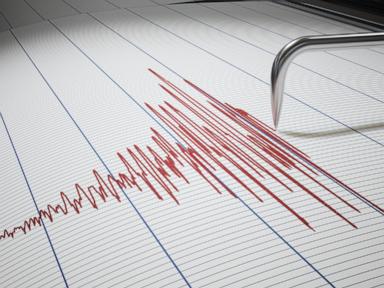

The Initial Tremor and Its Reach (Image Credits: S.abcnews.com)
Shimane Prefecture – Residents in western Japan felt the ground shake violently early Tuesday when a magnitude 6.2 earthquake struck off the coast, prompting quick assessments from authorities who confirmed no risk of a tsunami.
The Initial Tremor and Its Reach
The earthquake hit at around 10:20 a.m. local time, centered in the sea near Shimane Prefecture. It registered as a strong 5 on Japan’s seven-level seismic intensity scale in parts of Shimane and neighboring Tottori Prefecture. This level indicates that buildings swayed noticeably and unsecured items fell inside homes and offices. The U.S. Geological Survey later corroborated the magnitude at 6.2, with the epicenter located at a depth of about 10 kilometers. While the jolt lasted only seconds, its force surprised many in the region, known for occasional seismic activity.
Seismologists noted that the quake’s energy release was significant but not unprecedented for the area. Aftershocks followed almost immediately, including several with magnitudes above 4.0, keeping emergency services on high alert. Local media reported that power lines remained intact, and no major infrastructure damage surfaced in initial surveys. Still, the event underscored Japan’s position on the Pacific Ring of Fire, where tectonic plates frequently shift.
Immediate Response from Authorities
Japan’s Meteorological Agency issued rapid updates, emphasizing that no tsunami warning was necessary due to the earthquake’s inland-focused energy. Officials advised residents to stay indoors during the shaking and prepare for possible aftershocks by securing heavy furniture. Evacuation centers stood ready in coastal towns, though none were activated. Fire departments and police conducted routine checks on bridges and roads, finding only minor cracks in a few isolated spots.
The government’s swift communication helped calm nerves across the prefecture. Schools dismissed early in affected areas, and train services paused briefly for safety inspections before resuming. Emergency hotlines fielded calls from worried citizens, but reports of injuries stayed low, with only a handful of people seeking medical attention for minor bumps. This efficient handling reflected years of disaster preparedness drills ingrained in Japanese society.
Broader Context in a Seismic Hotspot
Western Japan has experienced a series of tremors in recent months, raising concerns among experts about underlying plate movements. The Nankai Trough, a major subduction zone nearby, has long been monitored for potential larger events. This 6.2 quake, while not linked directly to a mega-thrust, added to the data scientists use to model future risks. Historical records show similar quakes in the region causing localized disruptions but rarely widespread devastation without tsunamis.
Residents drew parallels to stronger events in late 2025, when a 7.5 magnitude quake in the north injured dozens. Those incidents prompted nationwide reviews of building codes, which appeared to pay off here. Community leaders urged continued vigilance, noting that seismic activity often clusters. For now, the focus remained on monitoring for any escalation in aftershock intensity.
Safety Tips for Earthquake-Prone Areas
In light of the event, experts reiterated key preparedness steps for those in seismic zones. Simple actions can make a difference during sudden shakes.
- Drop, cover, and hold on under sturdy furniture to protect from falling objects.
- Secure bookshelves and water heaters to walls to prevent toppling.
- Keep an emergency kit with water, non-perishable food, flashlights, and a first-aid supplies.
- Identify safe spots in your home, away from windows and exterior walls.
- Practice family drills regularly to ensure everyone knows the plan.
These measures, promoted through public campaigns, have saved lives in past quakes. Authorities also encouraged downloading mobile alerts for real-time updates from the Meteorological Agency.
Key Takeaways
- The quake caused no tsunami threat and minimal reported damage.
- Aftershocks continue, but intensity has decreased.
- Japan’s preparedness systems functioned smoothly throughout.
As the region settles after the morning’s unrest, this earthquake serves as a reminder of nature’s unpredictability in one of the world’s most active seismic areas. With no major incidents reported, life in western Japan resumes, but the event reinforces the importance of readiness. What steps have you taken for earthquake safety in your area? Share your thoughts in the comments below.