

Ever met someone who seemed absolutely perfect at first, only to realize weeks or months later that something felt off? Maybe you’ve questioned your own instincts in relationships, wondering if what you’re experiencing is truly authentic or just cleverly disguised manipulation. Navigating modern relationships in 2026 isn’t getting any easier. The truth is, distinguishing between real emotional intimacy and calculated behavior requires more awareness than most of us realize. Let’s explore how you can protect your heart while still staying open to meaningful connections.
They Communicate Without Playing Mind Games

Real emotional connection shows up when couples share genuine, heartfelt conversations where you can express what’s on your mind, feelings, and fears without judgment. Notice how you feel after talking with this person. Do you walk away feeling lighter and understood, or confused and second-guessing yourself?
Healthy connections bring calm instead of confusion, yet many people mistake anxiety for chemistry. If you’re constantly overanalyzing what you said or feeling disconnected from yourself after spending time together, that’s not butterflies. That’s your nervous system sending you a warning. Open and honest communication signifies a strong emotional connection and reflects shared understanding and comfort in expressing yourselves.
They Show Consistency Between Words and Actions

Here’s the thing: anyone can say the right words. Watch what someone does when they think you’re not paying attention. Partners with strong emotional connection can predict their significant other’s behaviors and reactions because they have a sense of their patterns.
Genuine people don’t promise the world on Monday and ghost you by Thursday. Their affection doesn’t swing wildly based on whether you’re meeting their needs in that exact moment. Healthy relationships feature consistent and authentic appreciation, not calculated praise that appears only when advantageous. If someone’s kindness feels transactional or their attention seems strategically timed, trust that gut feeling.
Vulnerability Feels Safe, Not Weaponized

Emotional connection means being vulnerable with your partner and showing your true self without fear of rejection, where vulnerability deepens the bond. In authentic connections, you can share your fears, past mistakes, or insecurities without worrying they’ll be used against you later during an argument.
Pay attention to how someone responds when you open up. Do they listen with empathy and reciprocate by sharing their own struggles? Or do they store that information like ammunition? Gaslighting makes you question your own memories and perceptions, where partners repeatedly deny events happened as you remember or suggest you’re misremembering details. Someone who truly cares won’t twist your words or make you feel crazy for having valid emotions.
They Celebrate Your Wins Without Making It About Them

One defining characteristic of emotional connection is genuinely wanting the best things in life for your partner and feeling happy when their goals get fulfilled. Honestly, this one reveals so much about someone’s character. When you share exciting news, does their face light up? Do they ask follow-up questions and remember details about things that matter to you?
Manipulative people often struggle with this. They might downplay your achievements, quickly change the subject back to themselves, or make passive-aggressive comments disguised as jokes. Partners who belittle your achievements by downplaying or dismissing your successes and accomplishments create an environment of disrespect. Real connection means your happiness doesn’t threaten theirs.
Boundaries Are Respected, Not Tested

When someone teases about your boundaries or uses them as joke material, it seems playful at first but actually signals they don’t take your needs seriously, which erodes trust. This is huge. Someone genuinely interested in building something real with you won’t push against your clearly stated limits to see how much they can get away with.
Think about how this person reacts when you say no. Do they accept it gracefully, or do they pout, guilt-trip, or keep pushing until you give in? Building trust and setting boundaries through honest conversations transforms manipulative dynamics into healthy communication. Emotional manipulators view your boundaries as obstacles to overcome rather than essential aspects of who you are.
The Relationship Develops at a Natural Pace

Love bombing involves intense attention, affection, and adoration with constant texts, expensive gifts early on, declarations of love within weeks, and pressure to commit quickly. I know it sounds crazy, but overwhelming affection right out of the gate should raise questions, not just make you swoon. Real intimacy takes time to build.
Love bombing creates an artificial sense of intimacy that bypasses the normal process of getting to know someone and often precedes controlling behavior once you’re emotionally invested. Genuine connections unfold gradually. You learn about each other’s quirks, values, and dreams through experiences, not through someone performing an over-the-top romantic persona that feels too good to be true.
Disagreements Don’t Destroy the Foundation
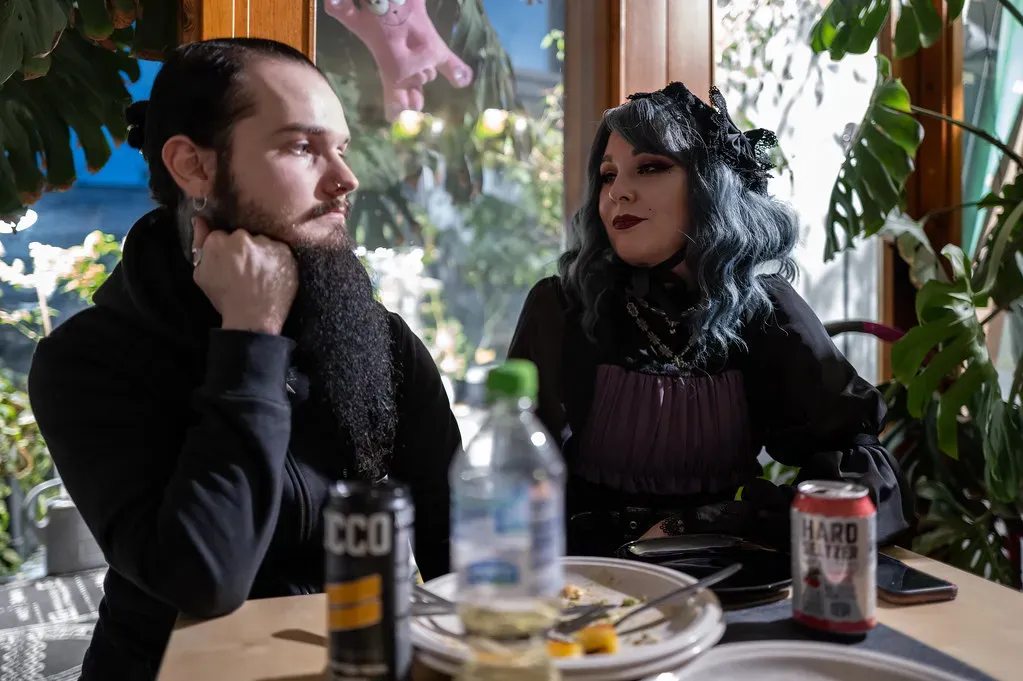
Emotional connection means handling disagreements maturely and finding solutions without damaging the connection. Here’s something most people don’t talk about: how someone fights with you matters more than whether they fight with you at all. Conflict is inevitable. What separates healthy relationships from toxic ones is how you navigate those rough patches.
Does this person stonewall you with silent treatment when upset, or do they eventually come back to talk things through? Stonewalling means shutting down completely during conflict by refusing to talk, leaving the room, or giving silent treatment for hours or days. Manipulation causes stress and anxiety while making you feel confused and insecure about your behaviors and emotions. Someone who truly values your connection won’t use emotional withdrawal as punishment.
Your Instincts Feel Settled, Not Scrambled

Let’s be real: your body usually knows before your brain catches up. Recognizing an emotional connection can be intuitive, where you might feel a sense of comfort, understanding, and ease when with the person. If you constantly feel like you’re walking on eggshells, questioning your perception of reality, or justifying their behavior to friends and family, that’s not love. That’s anxiety masquerading as passion.
Trust your instincts in relationships or interactions, and if you sense manipulation, take a step back to protect yourself. Red flags point to behavior that chips away at safety, connection, or identity, and ignoring them often leads to emotional burnout and chronic self-doubt. Genuine connection feels grounding. It brings out the best version of you instead of leaving you feeling depleted and uncertain.
Conclusion

Spotting a genuine connection while avoiding emotional traps isn’t about becoming cynical or building walls around your heart. It’s about developing the awareness to recognize patterns that serve you and those that slowly erode your sense of self. The right person won’t make you question your reality, cross your boundaries, or feel anxious about their intentions. They’ll show up consistently, respect your pace, and make you feel safe enough to be authentically yourself.
In 2026, emotional honesty and genuine connection are redefining dating, where people are trusting that the right person will meet them at their emotional frequency. Trust yourself enough to walk away from what doesn’t feel right, even when everything looks perfect on the surface. Your instincts are more reliable than you think. So what patterns have you noticed in your own relationships? Sometimes simply naming what we’ve experienced helps us move forward with greater clarity.