
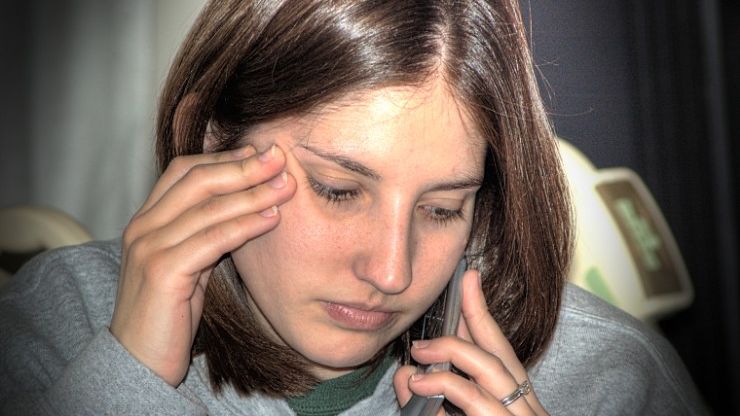
Have you ever walked into a room and sensed that someone wasn’t as confident as they wanted you to believe? Maybe their words sounded strong, but something felt off. Here’s the thing: your body has a language all its own, and it often tells the truth your mouth refuses to admit.
It’s not the words you use but your nonverbal cues or body language that speak the loudest. Whether you realize it or not, the way you move, stand, and even breathe sends powerful messages about your inner state. While you might think you’re masking your doubts, these subtle signals can betray your deepest insecurities in an instant. Let’s dive into the body language cues that reveal when someone is struggling with self-doubt, even when they’re trying desperately to appear composed.
The Averted Gaze That Screams Discomfort

When you’re nervous, it’s common to avoid eye contact because eye contact is intimate, and your body wants to avoid any kind of intimacy when it’s anxious. Think about the last time you felt deeply uncomfortable in a conversation. Did you find your eyes darting away, searching for something else to focus on?
Avoiding eye contact is a classic sign of low self-belief, often done when feeling intimidated, anxious, or unsure. It’s fascinating really, because the eyes are supposed to be windows to the soul, yet when we’re insecure, we instinctively slam those windows shut. You might look down at the floor, glance across the room, or suddenly become very interested in your phone. Honestly, it’s one of the most immediate giveaways that someone lacks confidence in the moment, even if they’re saying all the right things.
Fidgeting and Restless Movements
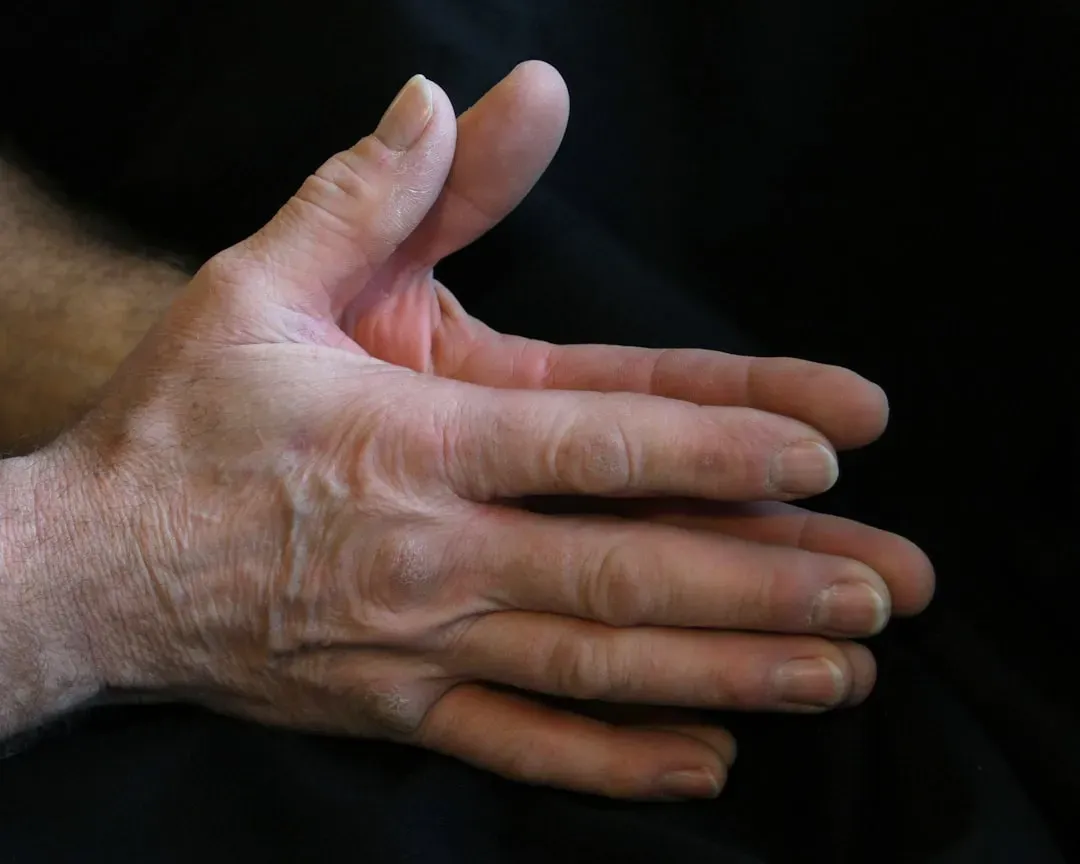
Constant fidgeting is often a clear sign of hidden insecurity, as people who are insecure often feel a heightened sense of anxiety and nervousness, which manifests physically through fidgeting. You know that person who can’t stop tapping their pen during meetings? The one who plays with their hair, adjusts their collar, or bounces their knee relentlessly?
Let’s be real: these aren’t just random nervous tics. These self-soothing behaviors are the body’s way of managing anxiety, and while everyone fidgets occasionally, chronic fidgeting signals inner turmoil. Your hands become busy because your mind is overwhelmed. It’s almost like your body needs to channel that anxious energy somewhere, anywhere, rather than letting it consume you from within. I know it sounds dramatic, but pay attention next time you’re stressed. Where do your hands go?
The Closed-Off Posture

Crossed arms, hunched shoulders, and legs pressed tightly together all signal a desire to protect oneself or disappear. Picture someone sitting in a chair with their arms wrapped tightly around themselves, shoulders rolled forward, taking up as little space as possible. What message does that send?
Slouching, hunching over, or keeping their body turned away is a clear indication of discomfort or a lack of self-confidence, as if they’re trying to make themselves smaller to avoid drawing attention or to protect themselves from perceived criticism or judgment. This posture creates a physical barrier between you and the world. It’s like building a fortress with your own limbs, desperately hoping no one will breach your defenses. The irony is that this protective stance actually draws more attention to your vulnerability.
Self-Soothing Touch Behaviors
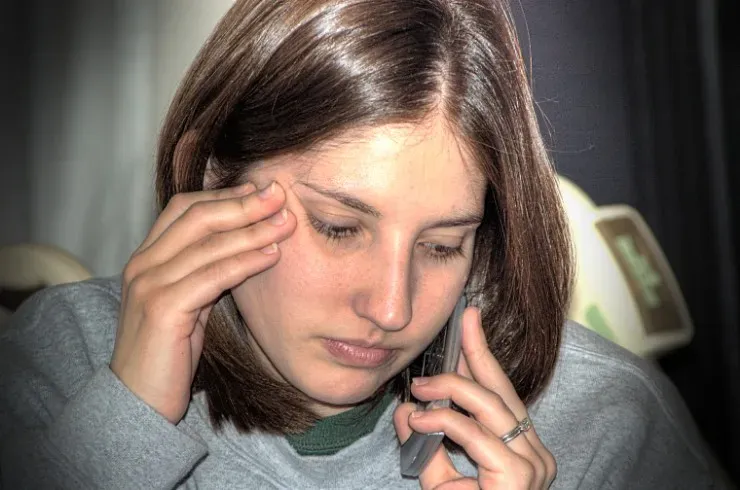
Stroking the neck, touching the forehead, and scratching parts of the body are automatic gestures we do to relieve tension, indicating that a person is experiencing emotional discomfort, having doubts about something, or feeling insecure. Have you ever caught yourself rubbing your arm during a difficult conversation or touching your face when you’re anxious?
When people are nervous, insecure, anxious, or experience negative emotions, they often engage in what is called soothing self touch, when a person will touch or rub their arm, leg, face, or neck in effort to calm themselves down. It’s almost like the adult version of a child sucking their thumb. These gestures happen without conscious thought, your body’s automatic attempt to comfort itself when you’re feeling emotionally exposed or uncertain. Next time you’re in a stressful situation, notice where your hands wander.
Excessive Nodding and Agreeing

Excessive nodding is often a body language sign of hidden insecurity, as insecure individuals might feel the need to appear agreeable or likable, and nodding is a non-verbal way of signaling agreement and understanding. You’ve probably met someone who nods enthusiastically at everything you say, almost to the point where it feels performative rather than genuine.
Here’s what’s happening beneath the surface: People tend to nod more when they’re feeling anxious or insecure as an unconscious attempt to create a positive impression and avoid conflict. They’re essentially trying to win your approval through constant agreement, even when they might have different opinions. It’s exhausting to watch and even more exhausting to maintain. The constant bobbing of the head becomes a silent plea: “Please like me, please accept me, please don’t challenge me.”
Over-Apologizing for Minor Things

Over-apologizing is often a sign of hidden insecurity, as insecure individuals might feel overly responsible for things going wrong, even when they have no control over the situation. Do you find yourself saying “sorry” for things that don’t warrant an apology? For mispronouncing a word, for taking up space, for simply existing in a room?
When you apologize for something that typically would not require it, you look like you’re lowering your own status, such as saying sorry after mispronouncing a word or something similarly benign. This habit reveals a deep-seated belief that you’re somehow in the way or causing problems just by being yourself. It’s hard to say for sure, but this behavior often stems from a fear of judgment or a need to preemptively smooth over perceived mistakes. The most appropriate response to a compliment or minor mishap? Simply acknowledge it and move on without the unnecessary apology.
Creating Physical Barriers

Those feeling insecure unconsciously create barriers by holding folders or bags across their body, positioning themselves behind furniture, or angling their body toward exits, with even small gestures like covering their mouth while speaking or touching their neck frequently signaling self-protection. Think about how you position yourself in a room when you’re feeling vulnerable.
Do you clutch your bag against your chest like a shield? Do you stand behind a table or desk rather than in the open? Confident individuals are comfortable with openness, sitting without a desk between you, leaving their arms uncrossed, and facing you directly. Insecure people, on the other hand, need those barriers. They need something between themselves and potential threats, even when those threats are just regular conversations with colleagues or strangers. Your placement of objects reveals far more about your comfort level than you might realize.
Incongruent Facial Expressions

Insecurity often produces mismatched signals like the nervous laugh after serious statements, the forced smile that doesn’t reach the eyes, or the constant expression checking where someone tries to gauge how their face should look based on others’ reactions. You say you’re fine, but your smile looks painted on. You laugh at a comment, but the sound feels hollow and disconnected.
Contradictory nonverbal cues, such as smiling while anxious, reveal inconsistent expressions. This disconnect between what you’re saying and what your face is showing creates an unsettling feeling for observers. They might not be able to articulate what’s wrong, but they sense something isn’t quite right. Your face becomes a battlefield between what you want to project and what you actually feel. The tension shows in subtle ways: rigid facial muscles, fleeting microexpressions of distress, or expressions that change too quickly to seem natural.
Conclusion: Reading the Silent Language of Doubt

Your body language can often betray feelings of insecurity before you even say a word, but awareness is the first step to change. The truth is, we all display these signals from time to time. Confidence isn’t about never feeling insecure; it’s about recognizing when your body is broadcasting doubt and learning to adjust.
Research shows that adopting confident postures can actually make you feel more confident, as your body influences your mind just as much as the reverse. So next time you catch yourself hunching your shoulders, avoiding eye contact, or fidgeting nervously, take a breath and make a small adjustment. Stand a little straighter. Hold that gaze for just a moment longer. Keep your hands still and open. These tiny shifts won’t just change how others perceive you; they might actually change how you perceive yourself. What body language signals have you noticed in yourself during moments of doubt?