
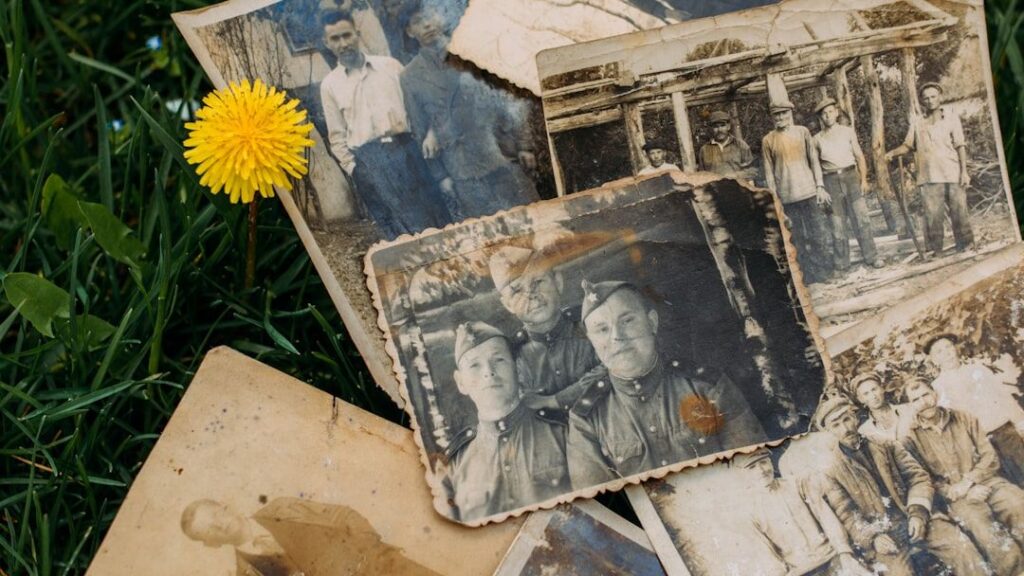
Have you ever caught a whiff of something that instantly transported you back to childhood? Maybe it’s the smell of freshly baked cookies that reminds you of your grandmother’s kitchen, or a song on the radio that takes you straight back to your first school dance. These moments aren’t just pleasant distractions – they’re doorways to something much more profound.
Recent research suggests nostalgia can actually improve your well-being, helping you feel more connected to others and bringing genuine happiness and meaning to your life. Studies have found that engaging in nostalgia reduces cortisol levels linked to the body’s stress response. What was once dismissed as dwelling on the past has become recognized as a legitimate psychological resource. Let’s explore how remembering yesterday might just be the key to feeling better today.
Why Your Brain Craves Yesterday

Reliving your favorite memories triggers dopamine release in your brain, giving you a quick mood boost. Think of it like your mind’s natural antidepressant, one that doesn’t require a prescription or any side effects beyond a warm feeling in your chest. Sensory experiences – familiar smells, sounds, or sights – instantly elicit vivid memories from your past.
Here’s the thing: nostalgia isn’t just random mental wandering. Major life transitions like retiring or moving often trigger nostalgic thoughts, helping you cope by providing comfort and reminding you of times when you demonstrated resilience. Your brain actively seeks these memories when you need them most, almost like reaching for a favorite blanket on a cold night.
Building Bridges to Others Through Shared Memories
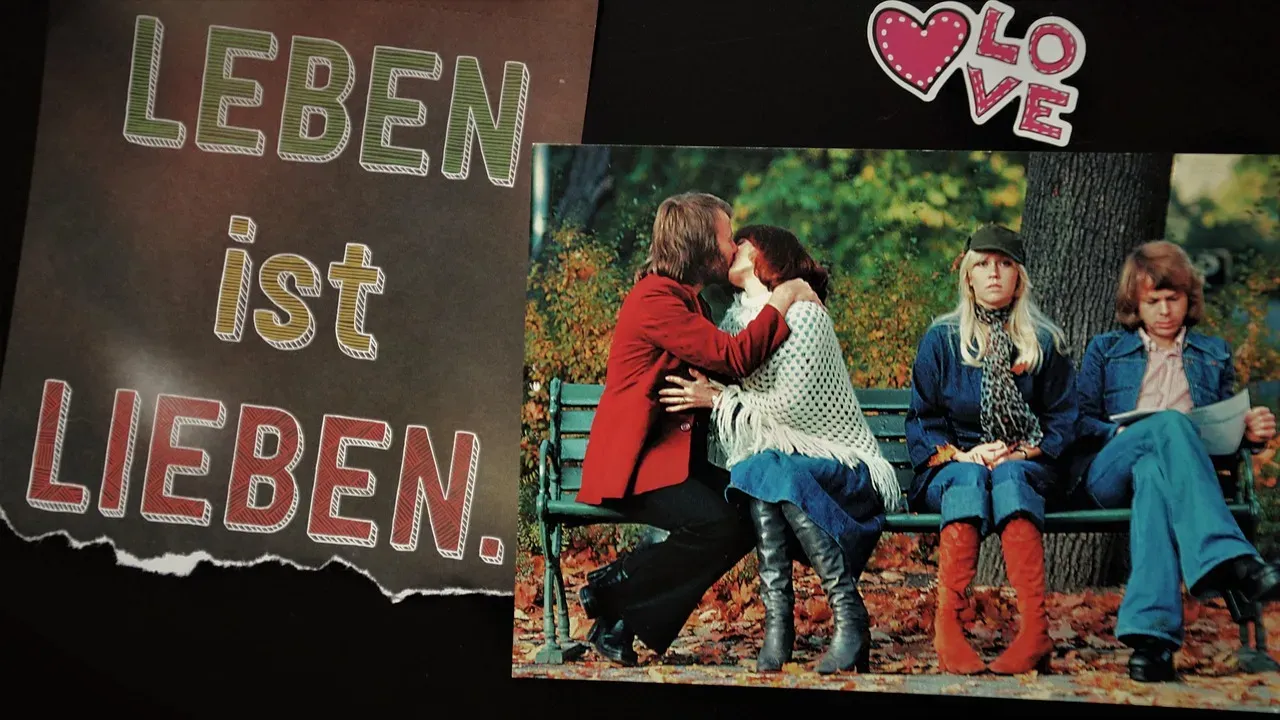
Research shows that inducing nostalgia helps people feel more optimistic about relationships in general and more willing to connect with friends. It’s hard to say for sure, but nostalgia might be one of the most underrated social tools we have. When you reminisce with old friends about that ridiculous thing that happened in college, you’re not just killing time – you’re strengthening bonds.
Simple conversations with friends and family easily stir up old memories, creating shared feelings of remembrance and belonging. Nostalgia fosters social connectedness and social support, while attenuating feelings like loneliness, boredom, and stress. For people feeling isolated or disconnected, tapping into nostalgic memories can serve as a lifeline back to meaningful relationships.
Finding Your Life’s Meaning in Memory Lane

Research suggests nostalgia can increase your sense of meaning by highlighting central moments in your life and giving you a sense of continuity. Let’s be real – we all wonder sometimes whether our lives actually matter. When comparing nostalgia to recalling positive events or imagining desired futures, nostalgic reflection made people feel their lives had more meaning and reduced their need to search for meaning.
This isn’t just feel-good psychology. Studies found that nostalgia can increase your motivation to pursue important life goals because it increases meaning, not just because it puts you in a better mood. When you remember overcoming challenges in the past, you’re essentially reminding yourself that you’re capable of handling whatever comes next. That’s powerful stuff.
Becoming More Authentically You

Nostalgia helps you see yourself in a truer, more authentic light, and makes you view your life as continuous and coherent, providing a sense of authenticity. When you’re the main character in your own nostalgic memories, something interesting happens. Studies show that people primed to feel nostalgic saw their past self as an authentic representation of themselves, which reduced their focus on meeting others’ expectations versus their own.
I know it sounds crazy, but looking backward might actually help you move forward as your truest self. Nostalgia cuts through all the noise about who you should be and reconnects you with who you actually are. It’s like having a conversation with a version of yourself who knew things before the world told you otherwise.
Lifting Your Mood When You Need It Most

Even though nostalgia blends positive and negative emotion, the positive tends to outweigh the negative, meaning you feel happier overall. Research shows people engage in nostalgic reverie when they’re feeling low in an attempt to boost their mood and self-confidence. It’s almost like your brain knows where to find the emotional first aid kit.
In one study, university students in a six-week nostalgia program who wrote about past events that brought sentimental longing reported higher life satisfaction, feelings of vitality, and well-being. The beauty of this is that you don’t need therapy sessions or expensive interventions. Sometimes just sitting with a photo album or listening to an old playlist can shift your entire emotional state.
Shielding Yourself from Stress and Anxiety

A study published in Nature found that the tendency to nostalgize was a protective factor against depression and anxiety. Recalling specific positive life experiences proved especially beneficial for individuals who had suffered early life trauma, suggesting that the benefits of positive memories aren’t limited to those with entirely cheery pasts.
Individuals who regularly engage in positive nostalgia tend to have lower levels of anxiety and stress, as reminiscing about meaningful experiences reinforces their sense of purpose and emotional stability. Think of nostalgia as your mind’s defense system – when present circumstances feel overwhelming, you can retreat to memories that remind you of better times and your ability to get through tough moments.
Encouraging Personal Growth and Openness

Nostalgia makes people more willing to engage in growth-oriented behaviors and leads them to rate themselves higher on embracing unfamiliar people, events, and places. This might seem counterintuitive. Wouldn’t looking backward make you less likely to try new things? Apparently not.
Feeling nostalgia makes people feel more positively about themselves, which in turn makes them more open to experiencing new things, expanding their horizons, and being curious – all signs of psychological health. When you’re reminded of who you’ve been and what you’ve accomplished, you gain confidence to step into unfamiliar territory. Your past becomes the springboard for your future, rather than an anchor holding you back.
Using Nostalgia Wisely Without Getting Stuck

When you become too attached to certain memories, it can be hard to embrace the present, leaving you stagnant in certain areas of life. If nostalgia makes you spend too much time thinking about your past, it may prevent you from recognizing joy in your life right now, and could become an avoidance strategy that keeps you from dealing with present problems effectively.
The key is balance. Nostalgia works best when it serves as a resource rather than an escape. Studies of nostalgic people who regularly think about positive past experiences found that nostalgia helps them better cope with stressful situations and move through life with improved psychological well-being and less stress. Use those memories to fuel your present life, not replace it. Remember the dances you’ve already had, then get back on the floor for new ones.
Conclusion
The power of nostalgia lies not in escaping reality, but in enriching it. By tapping into your memories, you access a wellspring of meaning, connection, and emotional strength that can guide you through challenging times. Nostalgia is a bittersweet yet predominantly positive emotion, and its bittersweet character doesn’t undermine its ability to promote well-being over time.
So go ahead – dust off those old photo albums, play that song that takes you back, or call up an old friend to reminisce. You’re not living in the past; you’re mining it for treasures that can make your present and future brighter. What memories have shaped who you are today? Maybe it’s time to revisit them and see what gifts they still have to offer.