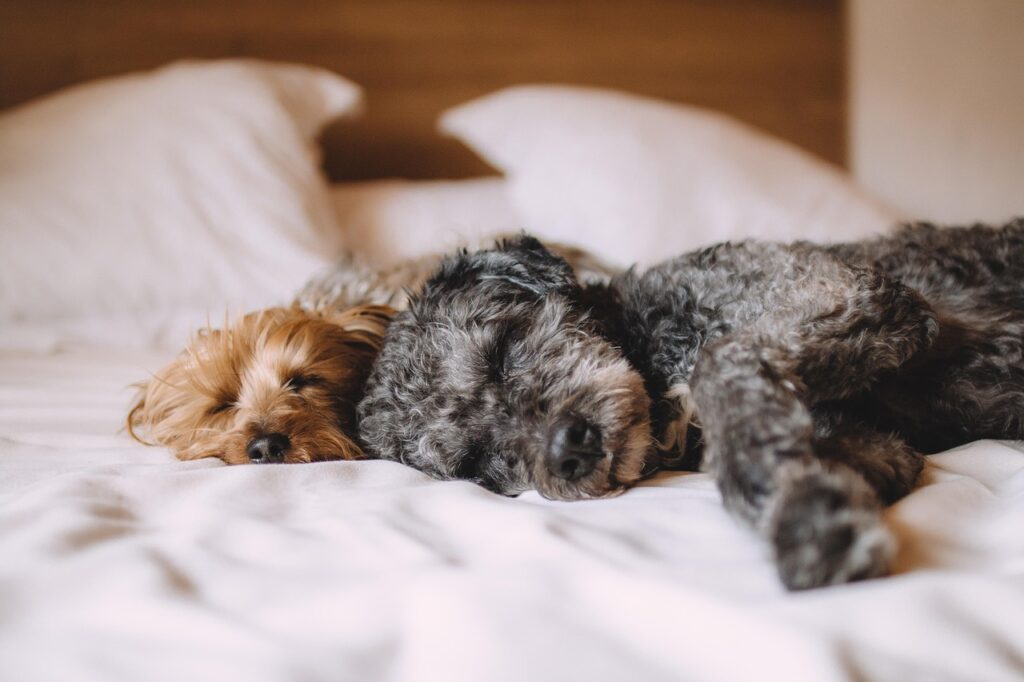

The Unique Support of Memory Foam for Aging Joints (Image Credits: Pixabay)
As dogs age, their need for supportive rest intensifies, and memory foam beds emerge as a game-changer in providing that essential relief.
The Unique Support of Memory Foam for Aging Joints
Senior dogs often face mobility challenges from arthritis or weakened muscles, making traditional bedding insufficient. Memory foam, originally developed for human astronauts, adapts to a dog’s body shape by contouring precisely to pressure points. This viscoelastic material responds to weight and warmth, distributing it evenly to minimize strain on hips, shoulders, and spine.
Veterinarians frequently recommend these beds because they reduce the impact of daily movements. Unlike standard cushions that flatten over time, memory foam retains its structure, offering consistent support night after night. Studies on orthopedic pet products highlight how this cradling effect promotes deeper sleep cycles, vital for recovery in older animals.
Pressure Relief That Eases Daily Discomfort
One of the standout features lies in its ability to alleviate pressure on vulnerable areas. For senior pets, lying down or rising can become painful endeavors, but the slow-responding foam allows joints to sink into a custom mold without bottoming out. This targeted relief helps prevent bed sores and eases chronic aches, allowing dogs to stretch out comfortably.
Owners notice immediate improvements in their pets’ willingness to settle in for naps. The foam’s density varies across beds, with higher-quality options using CertiPUR-US certified materials free from harmful chemicals. Such designs ensure long-term benefits, as the bed maintains its supportive properties even after repeated use.
Cooler Sleep Environments for Better Temperature Regulation
Older dogs struggle more with temperature control, often overheating on flat surfaces. Memory foam beds incorporate open-cell structures that enhance airflow, drawing heat away from the body for a cooler resting spot. This innovation keeps pets from shifting uncomfortably during warmer nights, promoting uninterrupted rest.
Combined with breathable covers, these beds prevent moisture buildup, which can exacerbate skin issues in seniors. Brands like those from Orvis or Brooklyn Bedding emphasize hypoallergenic fabrics that wick away humidity. As a result, dogs experience fewer disruptions, leading to refreshed energy levels upon waking.
Practical Features That Make a Difference
Beyond comfort, memory foam beds boast user-friendly elements tailored for pet parents. Many include removable, machine-washable covers to handle accidents or shedding, a common concern with aging dogs. Waterproof liners add protection against incontinence, extending the bed’s lifespan without compromising hygiene.
Durability stands out, with reinforced edges preventing chewing damage from anxious seniors. Sizes range from small for lap dogs to extra-large for breeds like Labs, ensuring a proper fit. These practicalities make the investment worthwhile, as beds from sources like Business Insider’s tested picks hold up to daily wear.
Key Reasons to Invest in Memory Foam for Your Senior Dog
- Custom contouring reduces joint stress and supports natural alignment.
- Enhanced breathability maintains a comfortable temperature year-round.
- Easy maintenance with washable components simplifies care routines.
- Proven orthopedic benefits improve overall mobility and sleep quality.
- Long-lasting construction offers value for multi-year use.
Selecting the right bed involves considering your dog’s size and specific needs, such as extra bolsters for security. Consult a vet for personalized advice to maximize these advantages.
Key Takeaways:
- Memory foam provides superior pressure relief for arthritic joints.
- Its cooling properties ensure restful sleep without overheating.
- Durable, washable designs make it ideal for senior pet care.
In an era where pet wellness takes center stage, memory foam dog beds stand as a simple yet profound upgrade for senior companions, fostering happier, healthier lives. What changes have you seen in your older dog’s sleep habits? Share your thoughts in the comments below.