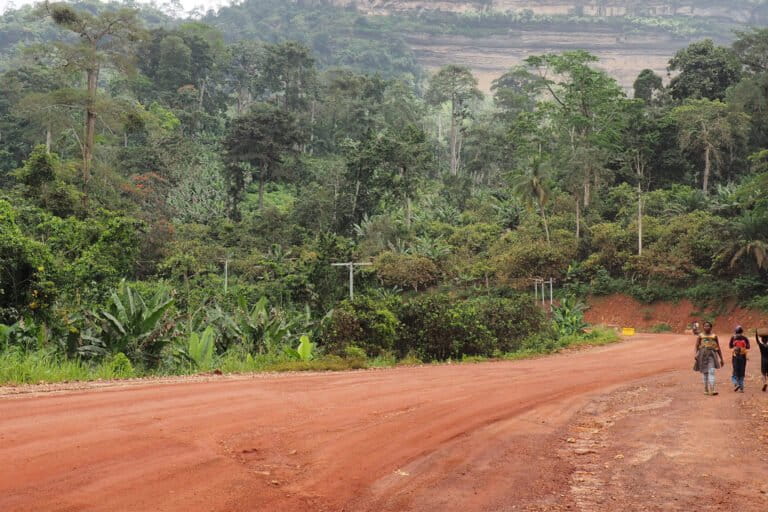

A Policy Reversal Born from Environmental Urgency (Image Credits: Imgs.mongabay.com)
Ghana – The government has taken a decisive step to preserve its vital forest reserves by revoking a contentious 2022 regulation that permitted mining activities within these ecologically sensitive zones.
A Policy Reversal Born from Environmental Urgency
The 2022 Environmental Protection (Mining in Forest Reserves) Regulations, known as LI 2462, had granted the president authority to approve mining leases in forest areas, sparking widespread alarm over potential deforestation and habitat loss. This move came amid growing concerns about illegal small-scale mining, or galamsey, which already ravaged landscapes across the country. Environmental advocates argued that legalizing such operations in protected zones would accelerate the destruction of biodiversity hotspots. Forests in Ghana cover about 21% of the land, serving as critical carbon sinks and water sources. The repeal, announced in late 2025, marked a significant policy shift under the new administration. Minister for Lands and Natural Resources Emmanuel Armah-Kofi Buah presented the revocation instrument to Parliament in December, effectively nullifying the earlier powers.
This action addressed long-standing criticisms that the original law undermined national environmental goals. Ghana lost over 60% of its forest cover since 1937, largely due to agriculture, logging, and mining pressures. By rolling back LI 2462, officials aimed to restore protections and deter further encroachment. The decision resonated with international calls for sustainable resource management in West Africa. Still, experts emphasized that enforcement remains key to preventing illegal activities.
Grassroots Pushback Drives Change
Civil society organizations and local communities played a pivotal role in mobilizing opposition to the 2022 law. Groups like Mighty Earth and the Ghana Environmental Advocacy Group highlighted how mining threatened cocoa production, with estimates suggesting 30,000 to 60,000 hectares of farms destroyed by galamsey. Protests and petitions flooded Parliament, underscoring the link between forest health and economic stability. Water contamination from mining runoff had already affected rivers and communities reliant on them for drinking and irrigation. The sustained campaign, amplified through social media and public forums, pressured lawmakers to act. In revoking the regulation, the government acknowledged these voices, signaling a commitment to greener policies.
Key stakeholders, including farmers and indigenous groups, celebrated the repeal as a win for future generations. The backlash also exposed vulnerabilities in Ghana’s mining sector, which contributes significantly to GDP but at a high ecological cost. Reports from Reuters and Mongabay detailed the environmental toll, including siltation of water bodies and loss of wildlife habitats. This collective effort demonstrated how public engagement can influence legislative outcomes in resource-rich nations.
Steps Forward: Strengthening Forest Safeguards
Beyond the repeal, the government outlined plans to amend broader mining laws, such as the Minerals and Mining Act of 2006, to explicitly ban operations in forest reserves. These updates would close loopholes that allowed both legal and illegal mining to persist. Enforcement agencies received directives to intensify patrols and monitoring in protected areas. Collaboration with international partners, including the UN Environment Programme, could bolster reforestation initiatives. Ghana’s forests support over 3,600 plant species and numerous endemic animals, making their preservation essential for climate resilience.
Challenges persist, however, as illegal mining continues to evolve. Officials noted that while the repeal removes presidential discretion, comprehensive reforms are needed to address root causes like poverty driving galamsey. Community education programs aim to promote alternative livelihoods, such as eco-tourism and sustainable agriculture. Early signs show reduced activity in some reserves following the announcement. The Ministry of Environment, Science and Technology coordinated these efforts, integrating them into national sustainability strategies.
Implications for Economy and Ecology
The repeal balances Ghana’s mining-driven economy with ecological imperatives. Gold remains a cornerstone export, but unchecked extraction has led to soil degradation and health issues from mercury pollution. Protected forests now stand a better chance of recovery, potentially aiding carbon credit programs. Cocoa, another economic pillar, benefits indirectly as healthier forests support pollination and rainfall patterns. Analysts predict this could stabilize yields in the coming seasons.
- Deforestation rates may decline by reinforcing legal barriers to mining.
- Water quality improvements could benefit over 10 million Ghanaians dependent on forest-fed rivers.
- Biodiversity conservation efforts will gain momentum, protecting species like the endangered white-necked rockfowl.
- Economic diversification into green sectors might create jobs in conservation.
- International reputation for environmental stewardship could attract sustainable investments.
Key Takeaways
- The repeal of LI 2462 restores full protection to forest reserves, curbing legal mining threats.
- Public advocacy proved instrumental in reversing the policy, highlighting civil society’s power.
- Ongoing reforms and enforcement are crucial to combat illegal galamsey and ensure long-term gains.
As Ghana fortifies its environmental defenses, this repeal serves as a blueprint for prioritizing nature amid development pressures. The move not only safeguards precious ecosystems but also fosters a sustainable path forward. What steps do you believe are next for protecting Ghana’s forests? Share your thoughts in the comments.