
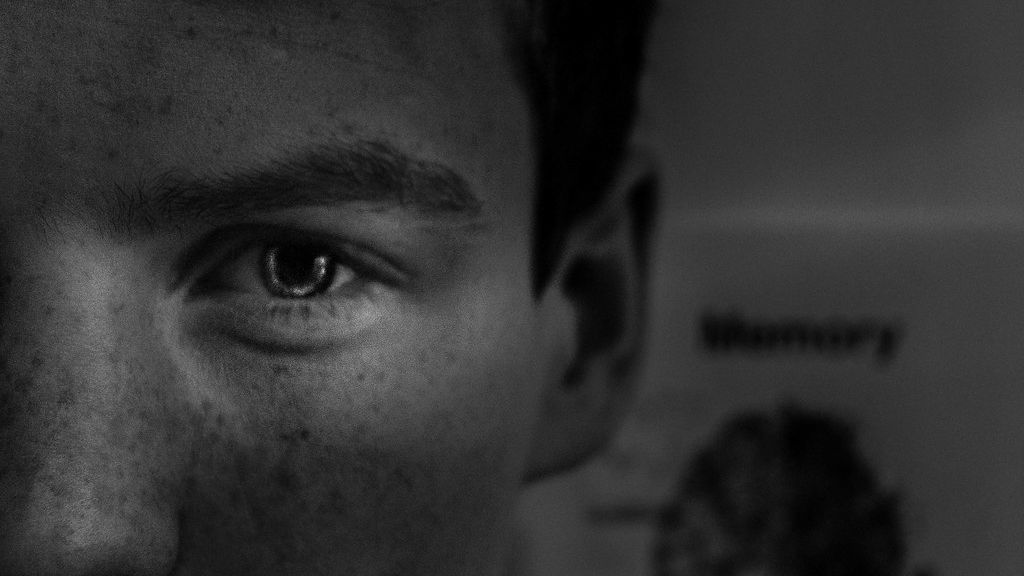
Have you ever stopped to wonder why you always order the same thing at restaurants or why you instantly trust certain people but not others? You might think you’re making completely fresh choices every day, free from outside influence. Truth is, your brain is constantly drawing from a massive library of past experiences, quietly steering you in directions you don’t even consciously recognize. It’s honestly wild when you start to notice it.
Your history isn’t just something you look back on during nostalgic moments. It’s actively shaping every decision you make right now, from the career path you chose to the way you react when someone criticizes you. Let’s explore five surprising ways your past is pulling the strings on your present choices.
Your Brain Creates Mental Shortcuts Based on What Happened Before

Your past experiences lead to what researchers call sequential biases, which are present everywhere, especially in value-based decision making. Think about it like this: when you had a terrible meal at a specific restaurant, you probably won’t go back there again. Learning from experience actually changes the circuitry in your brains so that you can quickly categorize what you are seeing and make a decision or carry out appropriate actions.
These mental shortcuts save you time and energy. You weight your decisions all the time according to experience, most of the time without even thinking about it. Your brain isn’t trying to overthink every single choice, so it pulls from what worked or didn’t work before. Sometimes that’s incredibly useful, but other times you might be limiting yourself without realizing it.
Childhood Memories Quietly Influence Your Adult Choices

The type of emotional support that a child receives during the first three and a half years has an effect on education, social life and romantic relationships even 20 or 30 years later. Let’s be real, your childhood didn’t just disappear when you turned eighteen. Childhood experiences are known to shape individuals’ development and can influence various aspects of life later on. It’s hard to say for sure, but those early years might be affecting way more than you think.
If a child is raised by an overprotective family then they will develop fears and insecurities, learning that the world is an unsafe place, therefore as an adult they will still have fears and insecurities which will be displayed in a different way. Maybe you avoid taking risks in your career because, deep down, you learned that safety comes first. Your childhood essentially wrote the rough draft of how you see the world, and you’ve been editing it ever since.
Emotional Memories Override Logic More Than You’d Expect
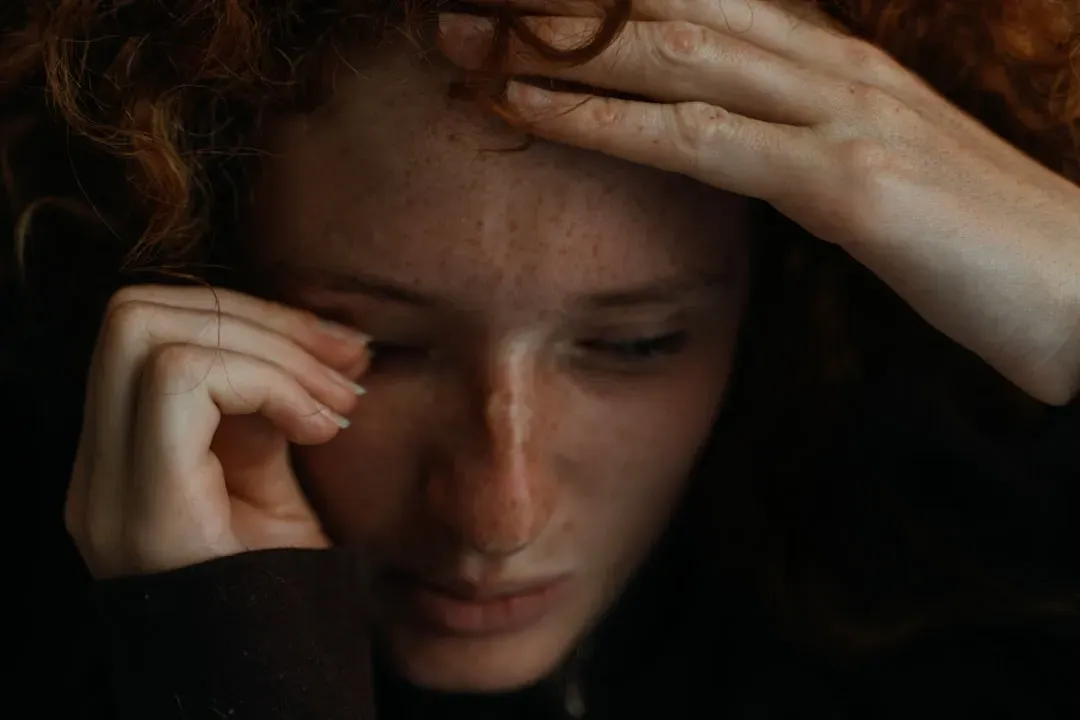
Here’s the thing: you might pride yourself on being rational, but emotions have a sneaky way of hijacking your decisions. Past experiences intertwined with emotions can heavily influence your decisions, sometimes leading you to make choices that defy logical reasoning. You could have all the facts laid out perfectly, but if something reminds you of a painful or joyful moment, your brain will prioritize that feeling over cold logic.
Decisions you make are based on your memories, not your experiences. That’s a crucial distinction. Maybe you had an overall great vacation, but if the last day was a disaster, that negative memory might color how you remember the entire trip. Your past experiences are often associated with certain emotions, and these emotions can influence your choices. It’s like your brain has a highlight reel, and it’s not always showing you the accurate version of what actually happened.
Unconscious Bias Shapes Who You Trust and Why
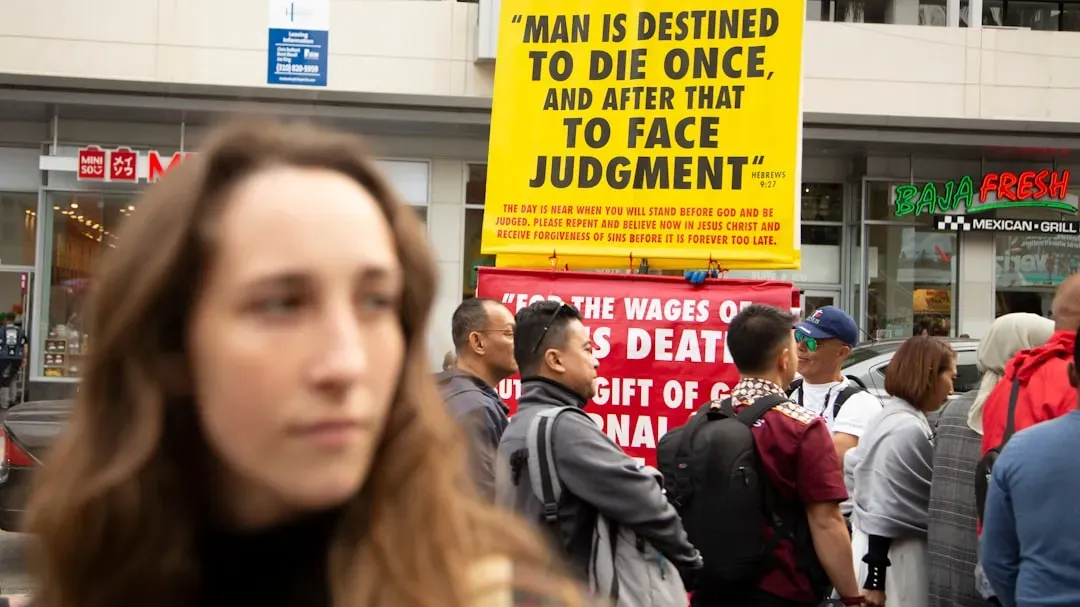
Honestly, this one can be uncomfortable to admit. Unconscious bias occurs automatically as the brain makes quick judgments based on past experiences and background. You might assume you’re completely objective when meeting new people or making hiring decisions, but your brain is actually running pattern recognition software in the background.
People rely on past information to quickly decide who to trust, and that information comes from personal experiences, societal stereotypes, and cultural influences. These biases are shaped by our background, culture, media exposure, and life experiences. It’s not about being a bad person; it’s just how your brain tries to process massive amounts of information quickly. Recognizing that these biases exist is the first step toward making fairer, more conscious choices.
Traumatic Experiences Create Lasting Decision Patterns

Events that occur in childhood, particularly stressful events, change the way the brain develops, the way you think, and the choices you make. Trauma doesn’t just fade away. It rewires parts of your brain to protect you, which sounds helpful until you realize those protective mechanisms might be holding you back decades later. Around 70 per cent reported experiencing at least one significantly stressful event during childhood.
Childhood trauma makes emotional parts of the brain that react to threats more reactive and disconnected from regulatory areas of the brain. You might find yourself avoiding conflict, overthinking every decision, or jumping into risky situations without considering the consequences. These aren’t random quirks; they’re survival strategies your younger self developed. The good news? People can recover from bad childhood experiences, though it often requires intentional work and support.
Conclusion
Your past is constantly whispering in your ear, shaping decisions you thought were entirely your own. From childhood experiences to emotional memories and unconscious biases, your history is far more than a collection of old stories. It’s the lens through which you see every new opportunity, relationship, and challenge.
Understanding how your past influences your present doesn’t mean you’re stuck repeating the same patterns forever. It means you finally have the chance to notice what’s happening beneath the surface. Did you expect that your brain was doing this much behind-the-scenes work? What patterns from your past do you think might be influencing you right now?