

Have you ever been told you’re “too sensitive” or that you think too much? Maybe you find yourself noticing things others miss, or perhaps you need alone time to recharge after a busy day. If any of this sounds familiar, you might belong to a fascinating group of people who experience the world in a distinctly different way.
Recent research suggests that roughly 30 percent of people are highly sensitive, which means you’re not alone in feeling different. Understanding whether you’re among this group could explain so much about your reactions, your needs, and your strengths. Let’s dive into the signs that might reveal .
You Get Easily Overwhelmed by Sensory Input
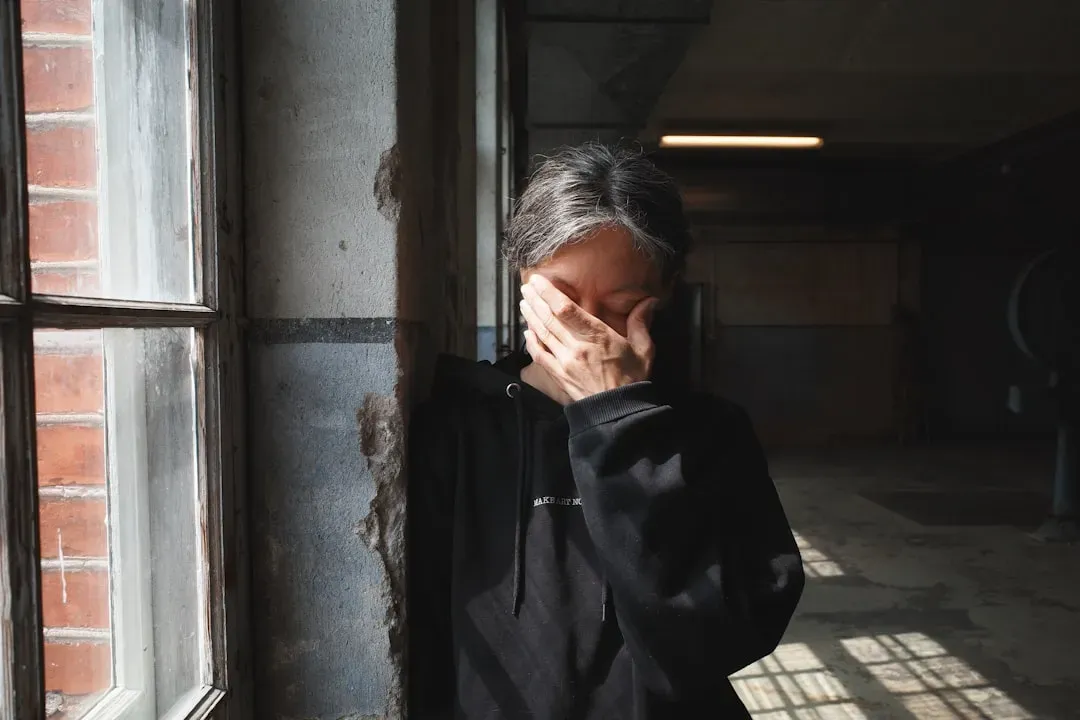
People with high sensory processing sensitivity report having a heightened response to stimuli such as pain, caffeine, hunger, and loud noises, and are believed to be easily overstimulated by external stimuli because they have a lower perceptual threshold. If bright lights in a grocery store make you feel drained or the hum of fluorescent bulbs bothers you when no one else seems to notice, this is a telltale sign.
Think about how you feel in crowded, noisy environments. Do shopping malls exhaust you? Does the clatter of dishes and multiple conversations in a restaurant make you want to escape? Loud noises and chaotic stimuli are likely to have a greater impact on HSPs, and they may become easily overstimulated and overwhelmed by their surroundings. It’s not that you’re weak or can’t handle normal life. Your nervous system simply processes these sensations more intensely than others do.
You Feel Emotions More Deeply Than Most

People with high levels of sensory processing sensitivity have increased emotional sensitivity, stronger reactivity to both external and internal stimuli, and a complex inner life. When you watch a touching commercial, do tears spring to your eyes? When a friend shares their struggles, do you feel their pain as if it were your own?
The HSP is likely to have “higher highs” and “lower lows” than the non-HSP. This means your joy can be absolutely euphoric, but your sadness can feel crushing. You’re not being dramatic or overreacting. Your emotional responses are genuinely more intense, and that’s part of how your brain is wired. Honestly, while this can be exhausting, it also means you experience beauty, love, and connection on a level many people never reach.
You’re Extremely Empathetic and Pick Up on Others’ Moods
HSPs feel deeply affected by the moods of other people around them. You walk into a room and immediately sense tension, even when everyone is smiling. You know when your partner is upset before they say a word. This isn’t magic or intuition in the mystical sense; it’s your brain picking up on subtle cues that others simply don’t register.
Highly sensitive people tend to be more sensitive to others’ emotions and moods, which may offer them more insight into other people and can help them detect others’ motives and inclinations, potentially making them good managers, negotiators, and leaders. The downside? You might absorb emotions that aren’t yours to carry. While the emotional depth and empathy of HSPs can be a boon to those around them, HSPs often struggle with setting healthy emotional boundaries and can inadvertently “sponge up” the emotions of those around them, which can lead to feeling overwhelmed and anxious.
You Need More Downtime Than Others to Recharge
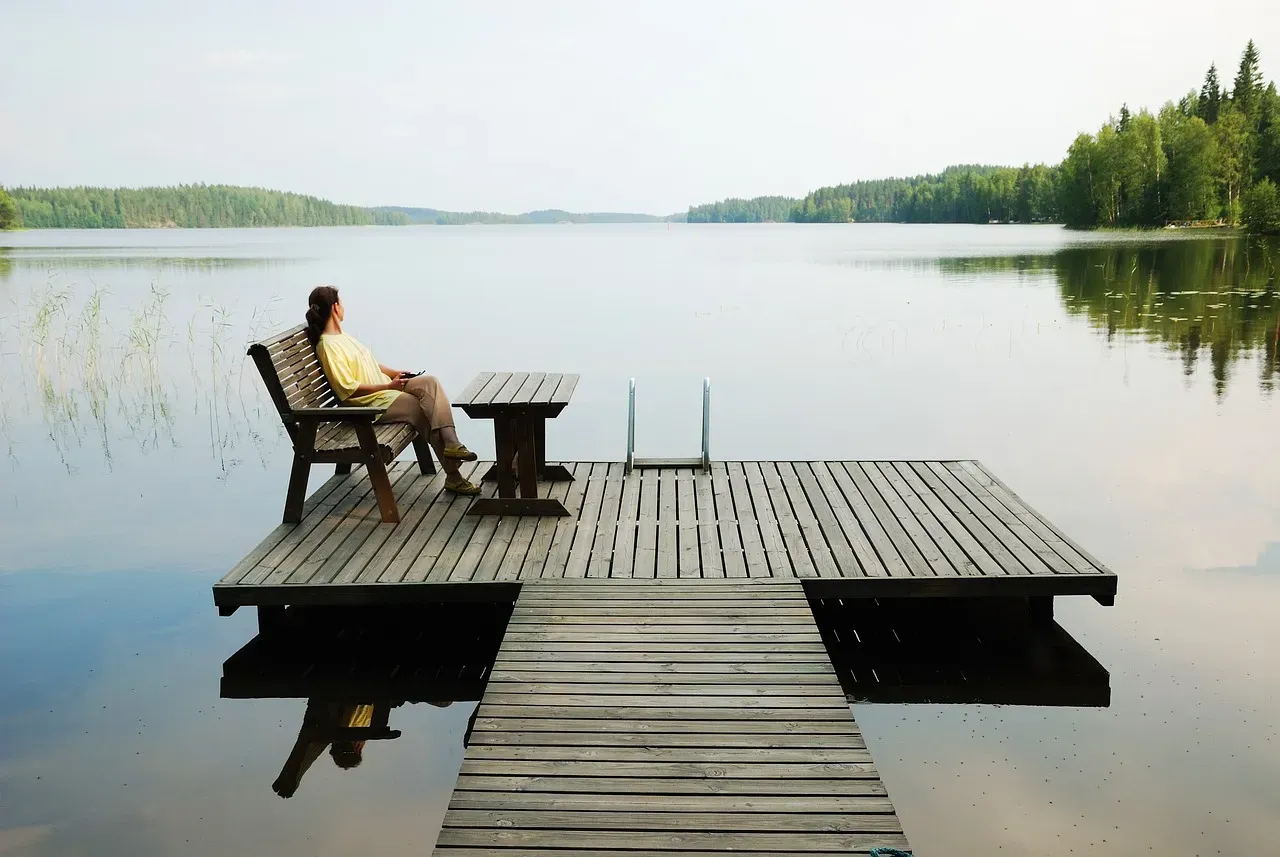
After a full day of work or socializing, do you feel completely drained? HSPs are more easily stressed by noise, chaotic situations, deadlines, or working in groups, and they may hesitate to make plans or turn down invitations because they need more downtime. Let’s be real, you’re not antisocial or lazy. Your brain simply processes more information throughout the day, which means it needs more time to rest and recover.
The tendency toward overstimulation is particularly connected to mental health, and HSPs need to recharge from overstimulation, which can be misinterpreted as a depressive symptom or a manifestation of social anxiety. You might prefer a quiet evening at home over a loud party, and that’s perfectly okay. Creating space for solitude isn’t selfish; it’s essential self-care for your sensitive nervous system.
You Notice Subtleties That Others Miss

You are more aware than others of subtleties, mainly because your brain processes information and reflects on it more deeply. You notice when someone gets a haircut, even if it’s just a trim. You detect the faint smell of something burning before anyone else does. You pick up on slight changes in someone’s tone of voice that signal they’re not as “fine” as they claim to be.
A highly sensitive person is more sensitive to subtleties in their environment, perceiving more about the things they hear, taste, smell and touch, so they might notice that their food has more salt in it today than yesterday, whereas a less sensitive person won’t notice. This heightened awareness can be incredibly useful. It makes you thorough, detail oriented, and often quite creative because you see connections others don’t.
You Have a Rich and Complex Inner Life

HSPs often report that they form deep bonds with others, have exciting dreams and internal monologues, and find great enjoyment in art, music, and human connection. Your mind is constantly active, analyzing, reflecting, and making connections. You might replay conversations in your head, not out of anxiety necessarily, but because you’re processing the layers of meaning beneath the words.
Many HSPs believe they “think too much,” often feeling overwhelmed by every minute detail. You probably have vivid dreams and an active imagination. Music might move you in ways that feel almost physical. A beautiful sunset or piece of art can bring tears to your eyes. This depth of processing is what allows you to appreciate nuance and beauty that others rush past without noticing.
You’re Deeply Affected by Violence and Criticism

HSPs are thought to be more disturbed than others by violence, tension, or feelings of being overwhelmed, and they may make concerted efforts to avoid situations in which such things are likely to occur. Violent movies or even news coverage of tragedies can haunt you for days. It’s not that you’re sheltered or naive; the emotional weight of these images hits you harder.
Similarly, criticism feels like a punch to the gut. If you react strongly to criticism, become physically and emotionally overstimulated more easily than others do, and have a rich inner life, you may score highly in sensory processing sensitivity. A casual comment that someone else would brush off can replay in your mind for weeks. Highly sensitive people can get offended easily by people who mean no harm, who are trying their best to be kind, or just joking, and it is also possible to overreact to daily stressors or simple relationship issues. Understanding this about yourself can help you develop strategies to cope rather than beating yourself up for being “too sensitive.”
You Avoid Overstimulation Whenever Possible

When people try to get them to do too many things at once, they quickly become overwhelmed by all the demands, and in noisy, crowded, or busy environments, they might feel the need to withdraw and get relief from the stimulation of those surroundings. You probably find yourself making conscious choices to limit exposure to overwhelming situations.
You might shop at off peak hours, work from home when possible, or choose restaurants based on their noise level rather than just their food. Highly sensitive people have a more reactive nervous system than other people, which means that an HSP’s nervous system gets fired up from less provocation than a non-HSP’s nervous system, and for any given stimulus, it puts on a more intense response, making it easier for their nervous systems to get “overloaded”. These aren’t signs of weakness; they’re smart adaptations that allow you to function at your best.
Conclusion: Embracing Your Sensitivity as a Strength

Being a highly sensitive person comes with genuine challenges. The world isn’t always designed with you in mind. Constant stimulation, fast paced environments, and cultural messages telling you to “toughen up” can make you feel like something’s wrong with you.
Here’s the thing: nothing is wrong with you. Being HSP comes with its own set of strengths and weaknesses. High sensitivity is thought to be linked to higher levels of creativity, richer personal relationships, and a greater appreciation for beauty. Your sensitivity allows you to connect deeply with others, create meaningful art, and notice beauty in the everyday moments most people miss entirely.
Understanding that isn’t about limiting yourself. It’s about recognizing your needs and honoring them. It’s about setting up your environment and schedule in ways that allow your gifts to flourish. So what do you think? Did you recognize yourself in these signs? How has sensitivity shaped your life? Tell us in the comments.