

Have you ever felt like someone was telling you one thing, but their body was screaming something completely different? That subtle shift in posture, the fidgeting hands, the eyes darting away. Maybe you’ve been in a meeting where everyone nodded along, yet somehow you knew not everyone was on board.
The truth is, people’s gestures give away their true intentions, often without them even realizing it. While we carefully choose our words, our bodies speak a language of their own, one that’s harder to control and far more honest. Learning to read these silent signals can transform how you navigate relationships, negotiations, and everyday conversations. Let’s dive into seven powerful gestures that can help you decode what people are really thinking and feeling.
Crossed Arms: The Universal Barrier

When you see someone fold their arms across their chest, your first instinct might be right. Crossed arms and legs are physical barriers that suggest the other person is not open to what you’re saying. It’s like they’re literally putting up a wall between themselves and you.
Here’s the thing though. Context matters immensely. Crossed arms can be a signal of resistance and nervousness in some cases but can also signal confidence and power in another. Someone might simply be cold, or they’ve found a comfortable resting position. Pay attention to other cues. Are their shoulders tense? Is their jaw clenched? Those additional signals will tell you whether you’re dealing with defensiveness or just someone who’s relaxed. Research found that not a single negotiation ended in an agreement when one of the parties had their legs crossed while negotiating, showing just how powerful this blocking gesture can be.
The Eyes Tell Stories Words Cannot

People always say the eyes are windows to the soul, and honestly, there’s solid science backing that up. The intensity and duration of eye contact can determine someone’s intentions depending on the setting. Someone maintaining steady eye contact might seem trustworthy at first glance, yet the reality is more nuanced than you’d expect.
Contrary to popular belief, breaking eye contact doesn’t automatically mean someone’s lying. People look away when they’re thinking or trying to remember something, even something factual. What you should watch for instead is the blink rate. A reduced blink rate occurs when lying is effortful and requires cognitive energy, which means less energy goes to the eye-blinking muscles. Following the lie, blinking will show a rebound effect with high blink rates. The person who maintains unnatural, constant eye contact might actually be the one trying too hard to appear honest.
Hand Gestures: Hidden Messages in Motion
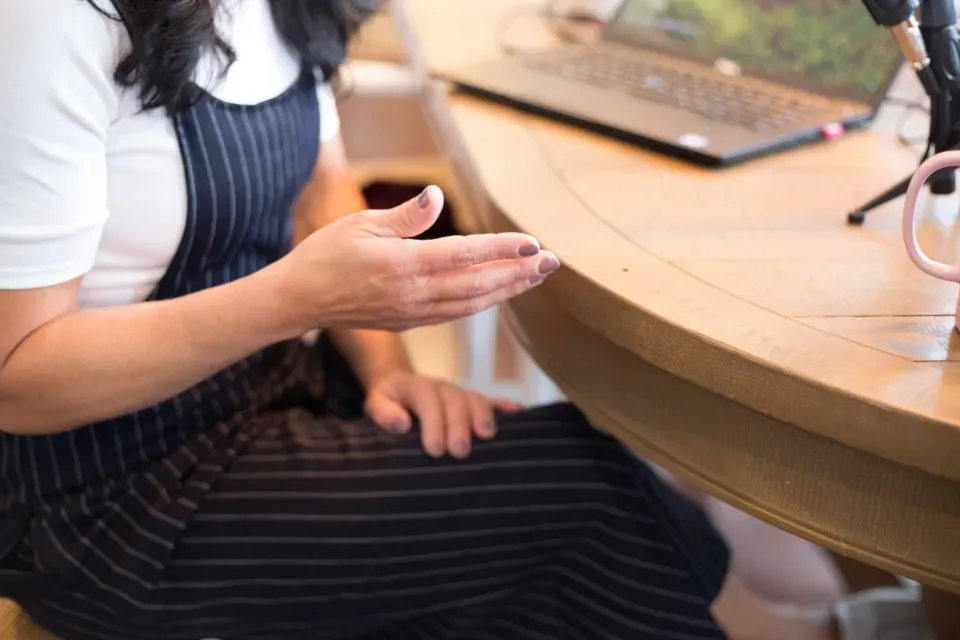
Hands are fascinating because they often betray what the mouth is trying to conceal. Spontaneous hand movements that people make when they talk often communicate a good deal more than they intend. Watch someone’s hands during a conversation, and you’ll notice they’re rarely still.
Certain hand positions reveal confidence and authority. Spreading fingers on the table radiates confidence and authority, while a relaxed hand resting on a chair implies a sense of comfort and security. Conversely, hidden hands or those that remain still can hint at feelings of uncertainty. I’ve noticed in high-stakes business meetings that people who keep their hands visible and use open gestures tend to command more respect. The steeple hand gesture, formed by touching fingertips to form a steeple shape, shows authority and confidence.
Mirroring: The Dance of Connection

Ever notice how you start copying someone’s movements when you’re really vibing with them? It’s called mirroring, and it’s one of the most telling signs of genuine connection. Mirroring body language is something we do unconsciously when we feel a bond with the other person, and it’s a sign that the conversation is going well.
This phenomenon runs deeper than simple imitation. Mirror neurons help us empathize and read intentions, and adopting certain gestures can prompt resonance in those around us. When someone leans in as you lean in, or tilts their head when you tilt yours, that’s their subconscious saying they’re engaged and interested. When two people are getting along and feeling a connection, their postures and movements mirror each other’s. You can actually use this to your advantage by subtly mirroring someone you want to build rapport with, though it needs to feel natural, not forced.
Nervous Fidgeting: Anxiety on Display

Restless movements tell you someone’s internal state isn’t as calm as they might pretend. If a person is moving more than they normally would be, that can be a sign of nervousness, including jiggling the foot or leg, chewing on the lips, and wringing of the hands. These are what experts call adaptors or manipulators, physical releases for pent-up energy.
People may ball up their fists or tighten their grip on objects like a glass or mug to release pent-up energy that your body has to release. It’s hard to say for sure, but these behaviors often signal discomfort or stress about the current situation. However, an increase in manipulator activity is not a reliable sign of deceit, but many people think it is. Someone might just be naturally fidgety or uncomfortable in social situations. Look at the baseline, how do they normally behave?
The Genuine Smile Versus the Fake One

Smiles can be tricky because we’ve all learned to paste one on when needed. The secret to spotting authenticity lies in the eyes. Genuine smiles reach the eyes, crinkling the skin to create crow’s feet around them, and if they aren’t there, that smile is hiding something.
The smile is all about the crow’s-feet around your eyes; when you’re smiling joyfully, they crinkle, and when you’re faking it, they don’t. I know it sounds crazy, but once you start paying attention to this detail, you’ll be amazed how often people are just performing politeness. When we feel a certain way but don’t want people to know how we feel, we try to mask it, though other cues tend to give away how we really feel. That forced smile in the meeting? You’ll spot it instantly once you know what to look for.
Head Tilts and Nodding: Signals of Engagement
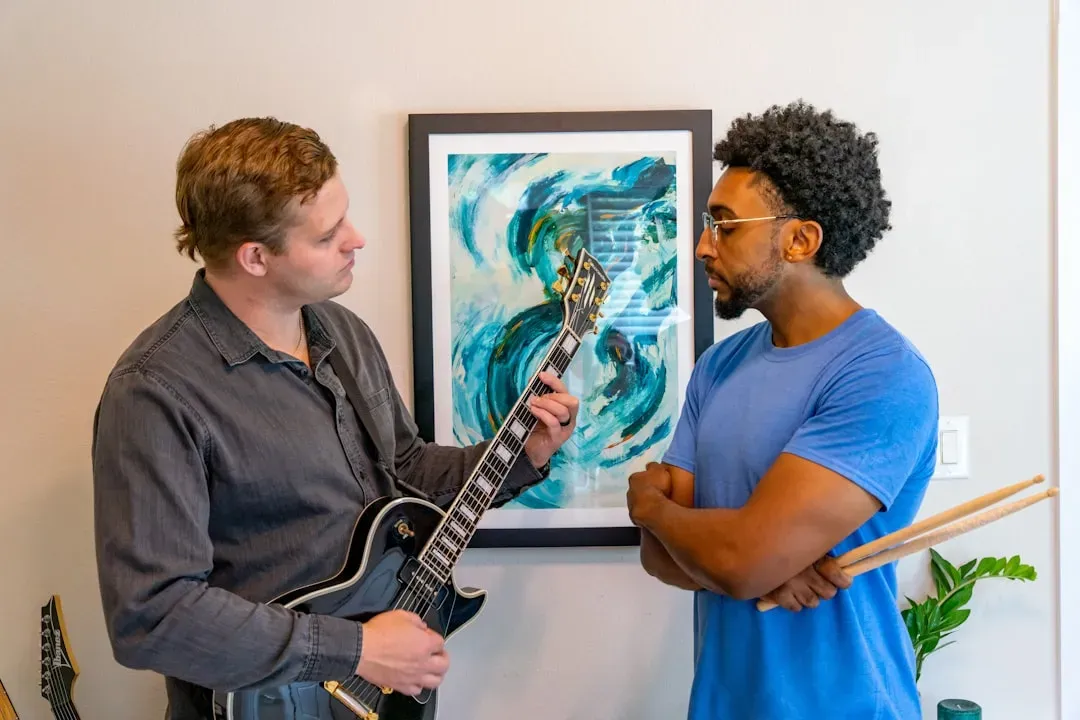
The head is surprisingly expressive when it comes to showing interest or agreement. It is a natural human behavior to tilt our head when we want to hear something better, and if someone’s head tilts while speaking with you, it means they are listening, engaged, and want to hear more. Think about the best listeners you know, they probably do this without thinking about it.
The head tilt plus nod is one of the most powerful nonverbal micropositives to show someone you really are listening, and if someone tilts and nods while you speak, keep them around. The movement of the head can indicate various intentions and messages, and the angle of facing and positioning of a person’s head can be indicative of their mood. When someone keeps their head rigid and still, they might be guarded or uncomfortable. A relaxed head that moves naturally with the conversation shows comfort and openness.
Conclusion

Understanding body language isn’t about becoming a human lie detector or manipulating others. It’s about developing deeper awareness of the unspoken conversations happening all around you. Although body language is an important part of communication, most of it happens without conscious awareness. The gestures we’ve explored, from crossed arms to genuine smiles, each tell part of a larger story about what someone is truly feeling.
Remember that without context, nonverbal cues can easily be misinterpreted, so remember to put everything going on around you and that person into context with what you’re seeing, because the environment affects behavior. No single gesture definitively proves anything. Instead, look for clusters of signals that paint a complete picture. As you practice observing these seven key gestures, you’ll find yourself more attuned to the emotional undercurrents in your interactions. What subtle signals have you been missing in your daily conversations? Pay attention today, and you might be surprised by what you discover.