
You’ve probably been there. Something goes wrong at work or in a relationship, and before you even realize it, your mind is already constructing the perfect argument for why it wasn’t your fault. Maybe it was the traffic, your coworker, your partner, or just bad timing. Here’s the thing: blaming feels like relief in the moment, almost like a shield protecting you from discomfort.
Yet that shield comes with a price. When you point fingers outward, you’re also handing away your power to change anything. Taking ownership might be difficult, but it’s empowering because it tells you that you alone are responsible for your happiness. So let’s dive into how you can shift from the blame game to genuine ownership, step by step.
Recognize the Blame Reflex

People tend to take credit for themselves when things go well but lay blame on circumstances when things go poorly, a phenomenon called self-serving bias. Nearly everyone does this without even thinking about it. It’s automatic, like flinching when something flies toward your face.
The first step is simply noticing when you’re doing it. Pay attention to your inner dialogue the next time something doesn’t go your way. Are you immediately looking for someone or something else to pin it on? Being conscious of moments when you jump to blame others allows you to replace that instinct with deliberate thought. Awareness is where change begins.
Understand Why You’re Avoiding Responsibility

Blame is a quick escape from guilt and an incredibly easy tactic to use when feeling defensive. Nobody likes feeling flawed or inadequate. When you refuse to hold yourself accountable, you get to keep believing that you don’t need to improve or change.
People who blame more often hold the irrational belief that they must be perfect, and if they’re not, they’re unworthy or a failure. Honestly, perfectionism is exhausting. Once you understand that your avoidance of responsibility is actually rooted in fear of being seen as imperfect, you can start to be kinder to yourself while still owning your actions.
Separate What You Can and Cannot Control

Life is messy, and not everything that happens to you is your fault. The math of responsibility is never clean, and there is rarely a situation where one party is entirely at fault while the other is completely blameless. There’s usually a complicated dance between multiple factors.
Your job is to identify which pieces are yours. Ask yourself what your role was in creating the problem, what happened beyond your control, and what is and isn’t your responsibility. This isn’t about shouldering every burden in sight. It’s about honest reflection so you know where to direct your energy.
Replace Blame Language with Understanding

Words matter more than you might think. Replacing the language of blame with the language of understanding makes it harder to blame each other and easier for everyone to take responsibility. Instead of saying “You made me angry,” try “I felt angry when this happened.”
This shift sounds small, but it changes everything. You’re no longer placing the weight of your emotions on someone else’s shoulders. You’re acknowledging that while external events can trigger reactions, your response is still yours to own. It’s a subtle reframe that opens the door to actual solutions instead of endless finger pointing.
Admit Your Mistakes Without Excuses
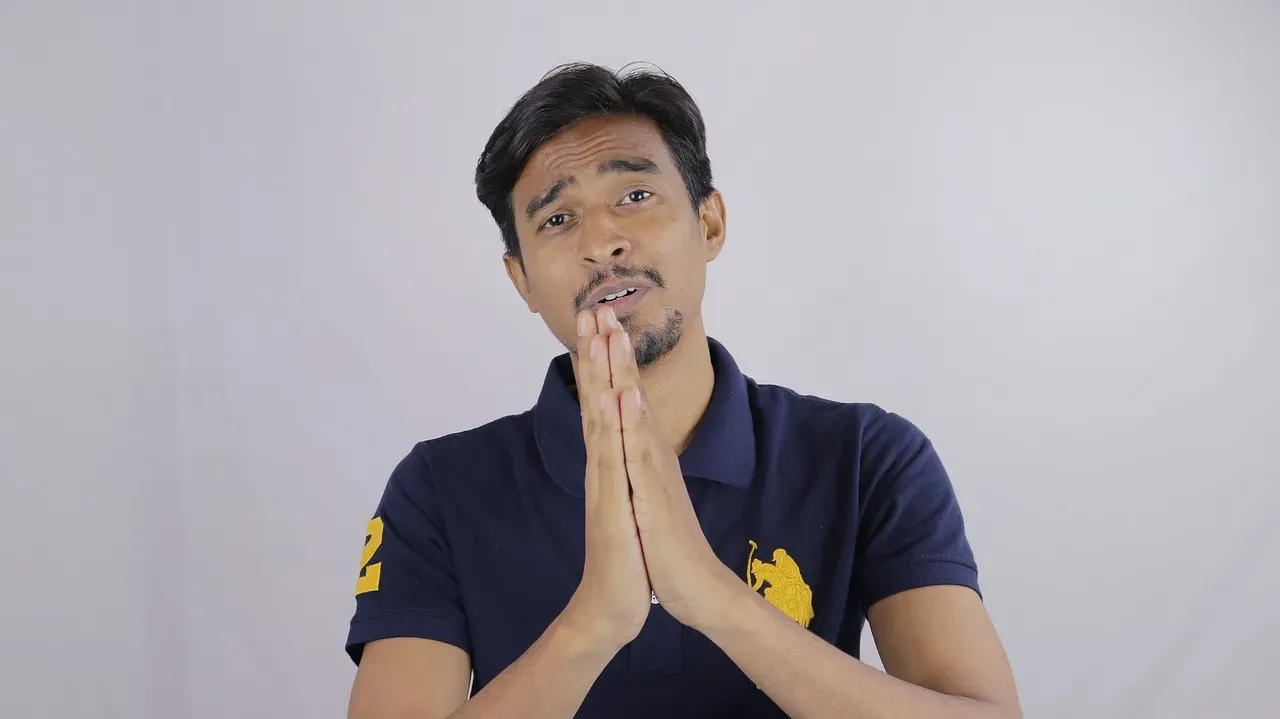
Be honest with yourself and others so that you can admit when you’re wrong, apologize, and move on. This is where the rubber meets the road. Admitting you messed up, without tacking on a “but” or an excuse, is one of the most liberating things you can do.
Sincerely apologize for your actions or lack of actions, and welcome feedback even if you think it’s undeserved. You don’t have to grovel or beat yourself up. A simple, genuine acknowledgment goes a long way toward repairing relationships and rebuilding trust. Plus, it frees up mental space you’d otherwise waste defending yourself.
Learn From What Went Wrong

Challenges and setbacks are inevitable, and by taking ownership and holding yourself accountable, you learn from mistakes and use them as stepping stones for future growth. Every misstep is a data point, not a character flaw.
Instead of viewing errors as failures to be blamed on others, try to see them as opportunities for self-improvement so you can learn and gain greater control of your life. Think of it this way: if you never own your mistakes, you’ll never learn what needs fixing. You’ll just keep repeating the same patterns, wondering why nothing ever changes.
Set Clear, Measurable Goals

Individuals who set specific goals are ten times more likely to succeed than those who do not, and writing down goals while breaking them into actionable steps creates a roadmap for success. Vague intentions don’t cut it. You need something concrete to aim for.
When you set goals, you’re making a promise to yourself. That act alone increases your sense of ownership because now there’s something tangible to be accountable for. Start small if you need to. Even achieving tiny goals builds momentum and reinforces the habit of following through on what you say you’ll do.
Seek Feedback and Actually Listen

Seeking feedback offers numerous benefits, and receiving feedback holds you accountable for your actions and outcomes while encouraging responsibility. It’s hard to see your own blind spots, which is exactly why outside perspectives are so valuable.
Feedback from others provides perspectives you might not have considered and can remove confirmation bias, leading to more creative solutions. Don’t just nod politely when someone offers criticism. Really listen. Ask clarifying questions. Reflect on whether there’s truth in what they’re saying, even if it stings a little.
Practice Self-Compassion Along the Way

Even when someone offers empathic accountability, you might feel shame, but if you can take in empathy and offer self-compassion amid harmful behavior, you’re more likely to be motivated for change. Accountability doesn’t mean you have to be cruel to yourself.
Accountability might be uncomfortable and sometimes painful, but that doesn’t mean you need to beat yourself up, as regret, guilt, and shame might come up but aren’t necessary. Treat yourself the way you’d treat a good friend who made a mistake. Acknowledge what happened, commit to doing better, and then actually move forward instead of wallowing.
Conclusion
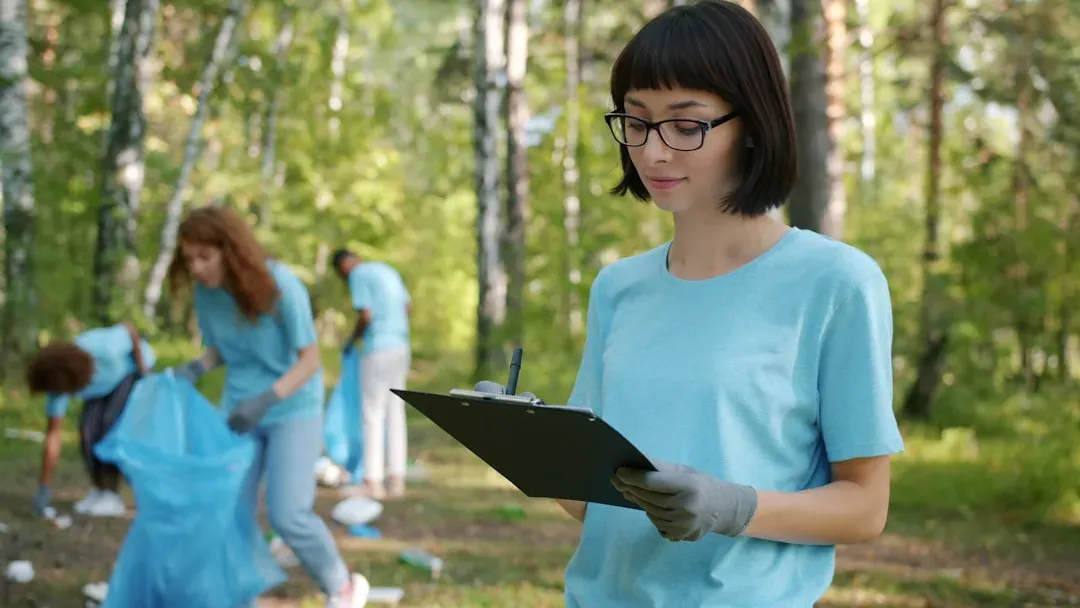
isn’t a one-time decision. It’s a practice, something you choose over and over again, especially when it feels uncomfortable. The truth is, when you stop blaming other people and start looking for ways you can make a difference, everything will start to change as you come out of victim mentality.
You’ll find that life becomes less about defending yourself and more about growing into the person you want to be. Taking personal ownership can improve your mental health, help you develop deep meaningful relationships, and accepting personal accountability reinforces your agency over life circumstances. What would your life look like if you stopped waiting for others to change and started taking the wheel yourself? Think about it.