
Have you ever noticed that certain people seem to rub others the wrong way without even trying? They’re not saying anything obviously offensive or behaving rudely, yet people instinctively pull back from them. The fascinating truth is that sometimes we push people away without realizing it. Our brains are wired to pick up on subtle social signals, and when something feels off, people respond accordingly.
It’s hard to face, honestly. Nobody wants to think they might be the problem in social situations. Yet psychology reveals that many of us engage in behaviors that unconsciously repel others. These aren’t dramatic blunders or intentional slights. They’re small patterns, deeply embedded in how we interact, that quietly create distance between us and the people we encounter. Let’s explore the hidden habits that might be working against you in ways you never imagined.
You Dominate Every Conversation
When you talk a lot about yourself or bring the topic back to you, your likability decreases. It’s easy to get caught up in sharing your own experiences, especially when you’re excited or trying to connect. The problem is that if you’re always the one talking, even with good intentions, it sends a subtle signal: this interaction is about me.
According to the psychology of social reciprocity, people need to feel heard to feel connected. When you unintentionally dominate a conversation, you’re violating an unspoken emotional contract, and it leaves the other person feeling invisible. Most of us don’t realize we’re doing this, but think about your last conversation. Did you ask follow-up questions, or did you immediately jump in with your own story? That moment reveals everything.
You Interrupt People Mid-Sentence

We’ve all been guilty of cutting someone off when we have something urgent to say. Interrupting others while they speak can come off as disrespectful and dismissive of their thoughts or feelings. Psychologically, it sends a message that your thoughts are more important than theirs, which can quickly make someone dislike you.
Maybe you think you’re just enthusiastic or passionate about the topic. Psychologists believe that when we interrupt someone, it sends out a message that we don’t value what they’re saying. It’s as if we’re telling them their views or experiences don’t matter as much as ours. Interrupting has been linked to a lack of emotional intelligence, as it shows an inability to listen to others and empathize with their point of view. The next time you feel that urge to jump in, pause. Let the other person finish their thought completely before you respond.
You Can’t Read Social Cues
Imagine this: someone starts withdrawing during a conversation. Their eyes glaze over, or they cross their arms. But you keep talking, oblivious to their discomfort. This isn’t rudeness – it’s social blindness. Your ability to detect these signals determines whether you can adjust your behavior in real time.
Stereotypical nonverbal cues of nervousness or awkwardness can lead to a negative social performance. When you miss these signals, conversations become uncomfortable for everyone involved. People begin to associate you with that feeling of being trapped or ignored. It’s not that you have bad intentions, but your inability to pick up on what others are expressing nonverbally creates friction that pushes them away.
You Avoid Eye Contact

Your eyes are powerful communication tools. Consistently avoiding eye contact can make you come off as disinterested, untrustworthy, or even rude. According to psychology, sustained eye contact is a powerful form of nonverbal communication that shows attentiveness, confidence, and respect for the person you’re interacting with.
When you look away constantly or focus on your phone, other objects, or the floor, people interpret it as disengagement. When someone secretly dislikes you, they might avoid making eye contact with you. This could be a subconscious way of distancing themselves from you. Ironically, by avoiding eye contact yourself, you create that same distancing effect. People feel like you’re not truly present with them, and that feeling lingers long after the conversation ends.
You’re Always Trying to Correct Others
There’s a particular type of person who feels compelled to set the record straight on every minor detail. Telling someone they’re wrong or acting like a know-it-all unsurprisingly makes others dislike you. Maybe you see yourself as someone who values accuracy and truth. But psychologically, it often stems from ego protection – the need to feel competent, smart, in control. To others, though, it feels like tension. Like you care more about being right than being kind or connected.
This behavior creates an atmosphere where people feel judged and inadequate. They stop sharing their thoughts with you because they anticipate being corrected or lectured. Rather than being seen as knowledgeable, you’re perceived as exhausting. Let’s be real, nobody enjoys feeling like they’re constantly being graded in casual conversation.
You Complain Constantly

Complaining can quickly become a drag. But habitual moaning can get so ingrained we no longer even see ourselves doing it. When you spend your time whining to someone about this that and the other, you are signaling to them that you may be a fundamentally negativity person.
Sure, everyone has bad days and needs to vent occasionally. That’s normal and even healthy. We all have bad days, and it’s important to express our feelings. But consistent negativity can be draining for those around us. Psychology tells us that people are naturally inclined towards positivity. When you make complaining your default mode, people start to avoid you because interacting with you feels emotionally exhausting.
You Invade Personal Space

Everyone has an invisible bubble around them, and when you step inside it uninvited, discomfort immediately sets in. Body language can be used to establish personal space, which is the amount of space needed for oneself in order to be comfortable. Taking a step back can therefore be a social cue indicating a violation of personal space.
This isn’t just about physical proximity during conversations. Even if we mean no harm, not respecting someone’s personal space can instantly make them feel uncomfortable and defensive. It’s an unconscious boundary that, when crossed, can be quite off-putting. Some people are naturally more tactile or comfortable with closeness, which is fine among close friends. However, with acquaintances or colleagues, standing too close or touching too frequently makes people want to escape from your presence.
You’re Glued to Your Phone

We’re all guilty of it – that quick glance at our phones during a conversation. It seems harmless, right? However, psychology says this seemingly insignificant habit can instantly turn people off. According to a recent report by Pew Research Center, “Only 38% think it is generally OK for others to use cellphones at restaurants and just 5% think it is generally OK to use a cellphone at a meeting.”
Every time you check your notifications while someone’s talking, you’re essentially telling them they’re not as important as whatever’s on your screen. It signals they’re not important enough for your full attention. Studies show this seemingly small behavior significantly damages trust and intimacy in relationships. You might think you’re multitasking effectively, but the other person feels dismissed and undervalued.
You One-Up Everyone’s Stories

Someone shares an accomplishment or tells an interesting story, and before they’ve even finished, you’re already thinking about your bigger, better version. This occurs when you consistently steer conversations back to yourself. While sharing experiences is natural, constantly redirecting the spotlight prevents genuine connection.
This habit is particularly insidious because it masquerades as engagement. You think you’re relating to someone by sharing a similar experience, but what you’re actually doing is stealing their moment. When your friend talks about their vacation and you immediately launch into why your vacation was more impressive, you’ve just communicated that their experience doesn’t matter as much as yours. Over time, people simply stop sharing things with you.
You’re Always Running Late
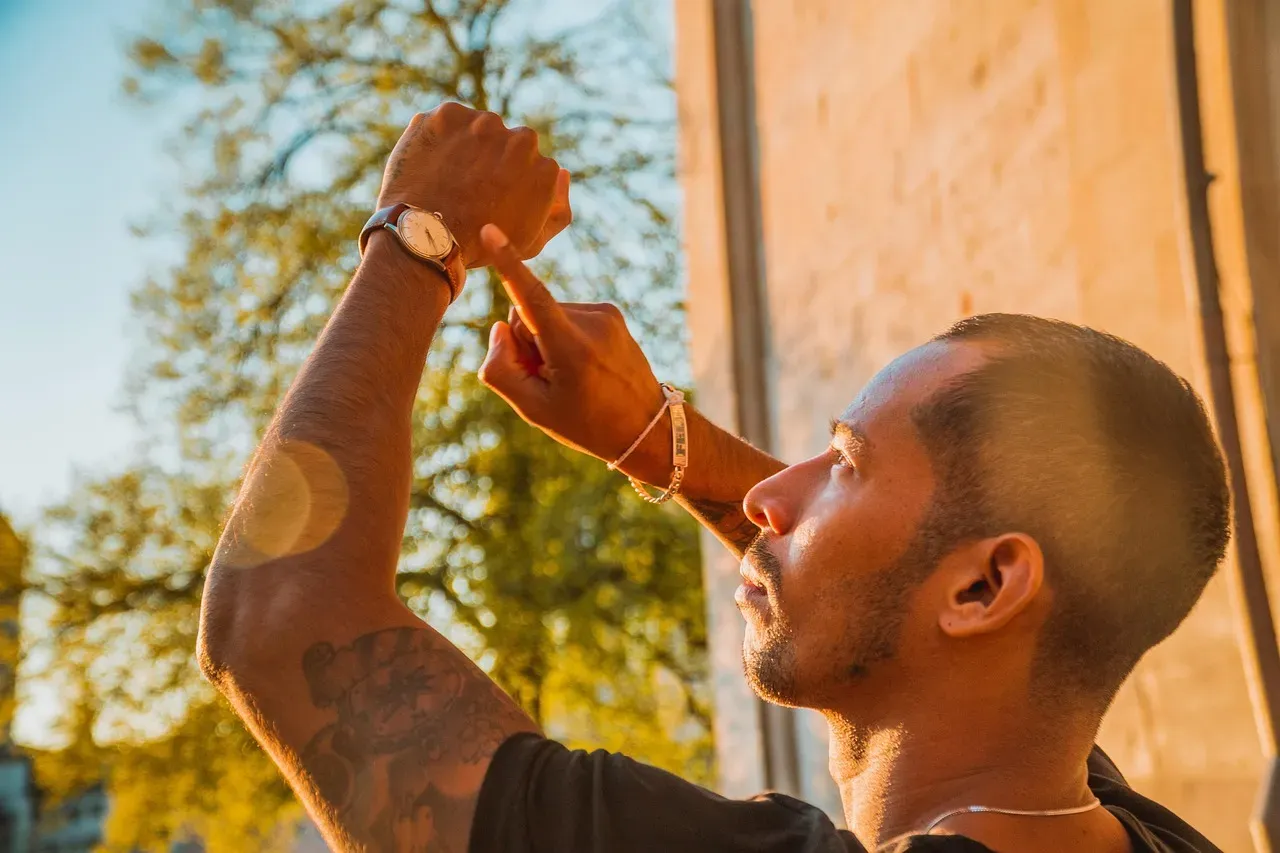
Being consistently late sends the message that your time is more valuable than everyone else’s. Maybe you have time management issues or genuinely struggle with punctuality. That might be understandable on occasion, but when it becomes your pattern, people notice.
Every time someone waits for you, they’re silently recalculating your worth in their life. They’re standing around feeling disrespected, and that feeling accumulates. Eventually, they stop inviting you to things or making plans with you altogether. The thing is, you might not even realize people are pulling away because nobody confronts you about it. They just quietly decide you’re not worth the hassle.
Finding Your Way Forward

Recognizing these patterns in yourself takes courage. It’s uncomfortable to realize you might have been pushing people away without knowing it. Here’s the thing, though: awareness is genuinely the first step toward change. These behaviors aren’t permanent parts of your personality. They’re habits, and habits can be reshaped with conscious effort and practice.
The beauty of understanding these subconscious behaviors is that you now have the power to adjust them. Start small. Pick one behavior that resonated with you most and work on it deliberately. Ask trusted friends for honest feedback. Pay attention to how people respond to you in social situations. The path to better relationships begins with self-awareness and the willingness to grow.
You deserve connections built on genuine warmth and mutual respect. So do the people in your life. What do you think about these behaviors? Have you noticed any of them in yourself or others?