
Have you ever noticed how some people completely transform when life gets tough? One minute they’re all smiles and pleasantries, and the next they’re showing you a side you never knew existed. It’s unsettling, honestly. You spend years thinking you know someone, only to watch them fall apart or rise magnificently when everything goes wrong. This isn’t about judging anyone. It’s about understanding a fundamental truth that most of us try to ignore until it’s too late.
When life gets comfortable, almost anyone can appear kind, patient, and reliable. We wear our best selves like Sunday clothes when nothing’s at stake. Yet something shifts when the ground starts shaking beneath your feet. That’s when you discover who you really are. Let’s dive in.
Why Pressure Strips Away the Masks We Wear

You’ve probably heard the phrase “pressure reveals character,” but why does this happen? In a crisis, you don’t have the luxury of time to think, and if you panic during crisis, the chances are good that you’re not dependable in a crisis. Think about it. When everything’s calm, you have time to curate your responses, to think through what version of yourself you want to present to the world.
You can’t truly know how you will react if nothing is at stake, as we all adapt and live more or less according to our society and social norms. The real you emerges when there’s no script to follow. When the house is on fire, metaphorically or literally, your instincts take over. That’s when you see what someone’s truly made of.
The Uncomfortable Reality of Who Shows Up When You Need Them

Let’s be real. You may have encountered someone who seemed reliable in good times but disappeared the moment things got tough, while some friends show up unexpectedly when you need them most, proving their loyalty and compassion. I’ve experienced this more times than I’d like to admit.
There’s something particularly painful about discovering someone’s true colors this way. You look back at all those conversations, all those promises, and wonder if any of it was genuine. The way we handle hardship speaks volumes about who we really are. Maybe that person who ghosted you during your crisis wasn’t being malicious. Perhaps they simply lacked the internal resources to handle difficult situations. Still, it hurts.
When Good Times Hide Our True Nature

It’s easy to be good, calm, rational, nice, kind and charitable when everything’s going well, and anyone can do it. This is the uncomfortable part nobody wants to discuss at dinner parties. We congratulate ourselves on being decent humans when life hands us exactly what we want. Where’s the challenge in that?
Imagine someone bragging about their swimming skills but only practicing in a kiddie pool. That’s what character looks like when tested only in favorable conditions. The ocean doesn’t care about your pool skills. When things are going well, your team is performing exceptionally, and morale is at an all-time high, it is much easier to emanate a positive perspective.
Personal Growth Hidden Inside Your Worst Days
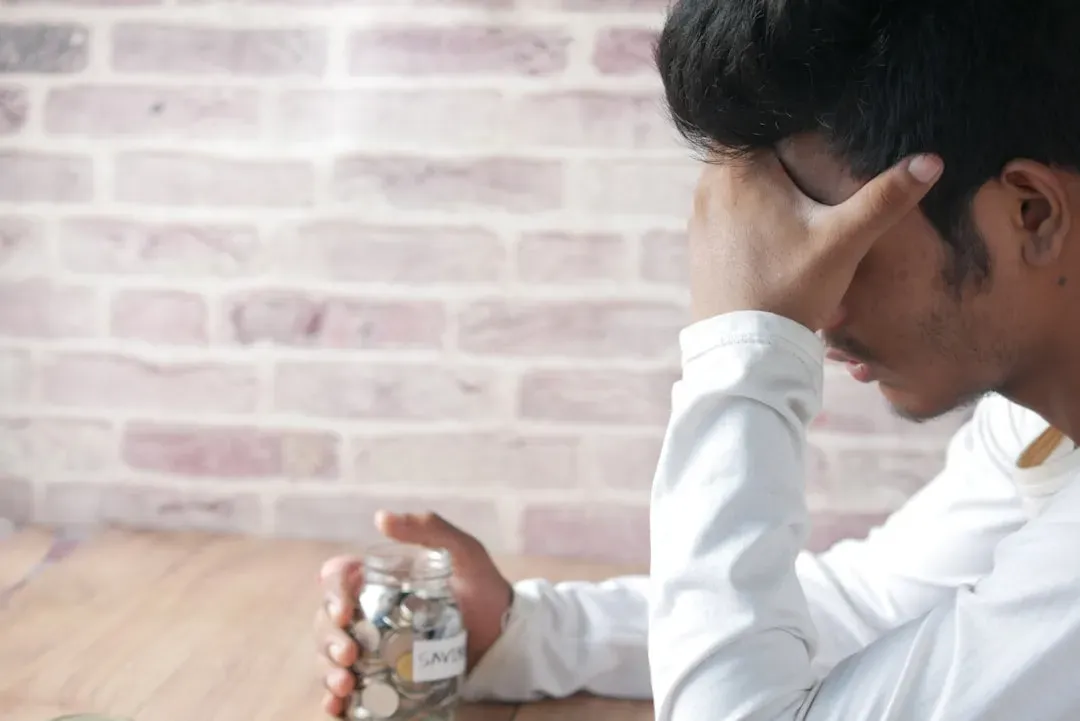
Here’s where it gets interesting, though. Difficult situations allow for personal growth by teaching us how to handle disappointment, bounce back from failure, and become more empathetic, giving us the opportunity to become stronger, wiser, and more grounded in our values. Your hardest moments aren’t just tests. They’re also teachers.
I think there’s something almost beautiful about this, despite the pain involved. A recent meta-analysis suggests growth in social relationships, self-esteem, and environmental mastery following negative life events. You don’t get that kind of transformation from Netflix binges and comfortable routines. Growth requires friction.
How Leadership Character Emerges Under Fire

Too often it is said that leaders are made during times of crisis, yet leaders are revealed in the crisis and made in the day to day grind where growth may seem imperceptible. This distinction matters more than you might think. You don’t suddenly become brave when disaster strikes.
Your true leadership character will be exposed at some point and normally reveals itself during a crisis; if you are pretending to be someone you are not, a crisis will bring out the real you. I’ve watched supposedly strong leaders crumble under pressure while quiet individuals stepped forward with unexpected courage. The crisis didn’t create these qualities. It simply revealed what was already there.
The Surprising Discovery of Your Own Character

You might be surprised by how you truly think and feel inside, as long as everything is just hypothetical, we tend to overestimate our good qualities. Have you ever imagined how you’d respond to a serious challenge, only to discover your actual response was completely different? Yeah, me too.
At the same time, we probably underestimate our natural instincts which may be more selfish and self-preserving than we care to admit. This self-discovery can be jarring. You might find reserves of strength you never knew you had. Or you might discover limitations that humble you deeply. Both revelations are valuable.
Why Some People Thrive While Others Crumble

Many young people are resilient in the face of adversity and can minimize negative consequences, and one factor that consistently correlates with positive outcomes is purpose in life. There’s a pattern here worth noting. People who maintain a sense of purpose tend to navigate storms more effectively than those who don’t.
Individuals who regularly use their character strengths experience higher levels of happiness, lower levels of depression, and greater resilience in the face of adversity. It’s not about being superhuman. It’s about knowing what you stand for when everything else is uncertain. That anchor point makes all the difference.
The Reputation Versus Character Dilemma

During challenging times, our actions may not reflect what we perceive as the content of our character as we are blinded by our desire to keep our reputation; failing to make a difficult decision solely to maintain your reputation never wins in the end. This hits hard because it’s so common.
How many times have you seen someone make the wrong choice because they were worried about appearances? The content of our character is our choice, and every day, what we choose, think, say and do is who we become. You can’t fake this forever. Eventually, a crisis will demand you choose between looking good and actually being good.
The Power of Evaluating Your Last Crisis Response

The best way to assess the state of someone’s character is to simply analyze how they responded during their last crisis, as how you respond will tell you exactly where your character is at. This is both sobering and practical. You don’t need to wait for the next disaster to understand yourself or others better.
Think back to your last genuine difficulty. Not an inconvenience, but a real problem. How did you handle it? Nothing reveals the true state of your character better than how you handled your last crisis. Were you proud of yourself? If not, that’s actually good news because it means you’re aware and can grow.
Conclusion: The Mirror Nobody Wants to Look Into

Nothing reveals character like a crisis, and when under pressure we learn more about ourselves – our cracks, weaknesses, true motivations – than at any other time. This entire exploration circles back to one uncomfortable truth. You are who you are when nobody’s watching and everything’s falling apart.
don’t create your character. They illuminate it. Character is revealed more gradually, often through how we handle challenges, ethical dilemmas, or moments that test our integrity. Maybe that’s why we fear difficult times so intensely. It’s not just about the pain or loss. It’s about discovering whether we’re actually the person we’ve been pretending to be.
What do you think you’d discover about yourself in your next crisis? Are you ready to find out? The truth might surprise you more than you expect.