
Have you ever scrolled through social media late at night and felt that nagging sensation in your chest? That uncomfortable feeling when you see everyone else at a party you weren’t invited to, or living experiences that seem just slightly better than yours? You’re not alone in this. That anxious twinge has a name, and honestly, it’s affecting more than you might think.
Fear of missing out is the feeling of apprehension that one is either not in the know about or missing out on information, events, experiences, or life decisions that could make one’s life better. It’s more than just feeling left out. It’s that persistent worry that everyone else is living their best life while you’re somehow falling behind. Let’s dive into the telltale signs that FOMO might be affecting you more than you realize.
You Constantly Check Social Media
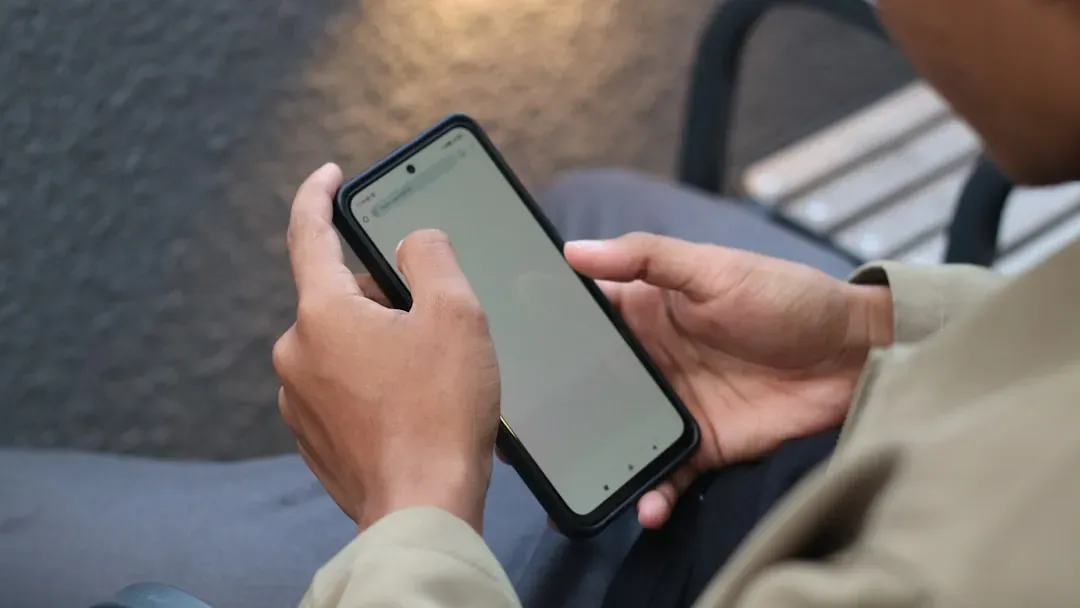
Here’s the thing. If you find yourself reaching for your phone every few minutes, even during conversations or important tasks, you might be experiencing one of the most obvious signs of FOMO. FOMO may lead to compulsive behaviors such as frequently checking social media sites to ensure individuals know what is going on and do not miss any events.
This isn’t just about being connected. It’s about that almost irresistible urge to stay updated on what everyone else is doing at all times. You might pick up your phone during dinner, check notifications while watching TV, or even sneak glances during meetings. Anxiety about missing out prompts more frequent checking, more frequent checking increases awareness of events being missed, and awareness of missed events increases anxiety. It becomes this vicious cycle that’s honestly hard to break.
You Feel Inadequate Compared To Others

Fear of missing out related to social media has symptoms including anxiety, loneliness, and a feeling of inadequacy compared to others. When you scroll through your feed, do you catch yourself thinking that everyone else has it figured out? That their vacations are better, their relationships are perfect, their careers more successful?
This constant comparison game chips away at your self-worth. You might constantly compare your life with the idealized lives that other present on social media – seemingly always out, always having fun. You begin to believe that you don’t measure up to your peers. Let’s be real, though. What you’re seeing is usually just the highlight reel, not the behind-the-scenes reality.
You Struggle With Sleep Issues
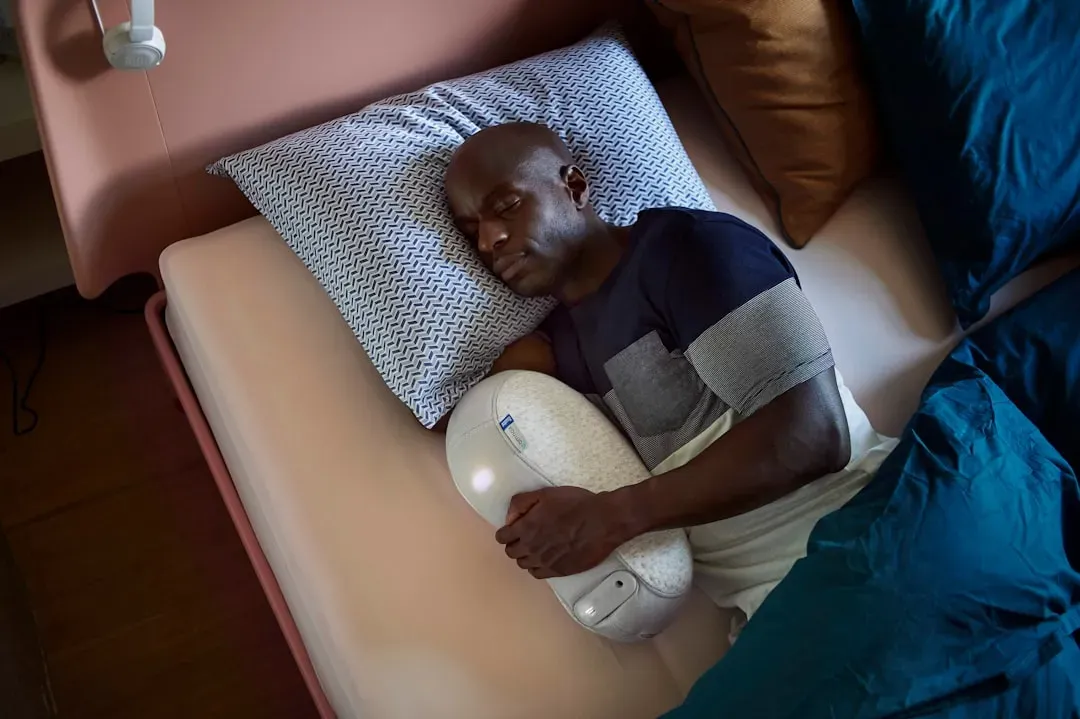
Lying awake at night scrolling through Instagram? That’s not just a bad habit. Multiple studies have identified a negative correlation between the hours of sleep and the scale at which individuals experience fear of missing out. When FOMO takes hold, your sleep schedule often becomes one of the first casualties.
A lack of sleep, fatigue or a significant amount of stress is an indicator that you are having symptoms of missing out. A study in 2018 published in Motivation and Emotion found FoMO existed among all personalities but was especially more susceptible to those that suffered sleeping issues, fatigue or had significant amounts of stress. Your brain simply can’t shut down when it’s convinced you’re missing something important happening online. The blue light from your screen doesn’t help either, keeping you wired when you should be winding down.
You Say Yes To Everything

Do you find yourself overcommitted and exhausted because you can’t turn down invitations? Maybe you end up agreeing to every invitation that comes your way out of fear that you’ll miss out on some magical moments. This is classic FOMO behavior, where the thought of missing even one potentially amazing experience feels unbearable.
The problem is, saying yes to everything means you’re spread too thin. You end up physically present at events while mentally checking out, wondering if the other party you turned down was better. It’s exhausting, and paradoxically, you might actually miss out on genuinely enjoying anything because you’re too busy rushing from one thing to the next. Quality gets sacrificed for quantity.
You Experience Persistent Anxiety

One of the most common effects of FOMO is increased anxiety. When you’re worried about what you’re missing, your mind can spiral into thoughts of inadequacy or fear that you’re not measuring up to others. This anxiety can become chronic, making it difficult to feel at ease in your own life. It’s not just mild worry either.
This anxiety can manifest physically too. You might physically experience some symptoms associated with anxiety that include stomach tension and nausea and heart palpitations and increased heart rate. Your body literally goes into stress mode over the possibility of missing out. It sounds crazy, but your brain treats social exclusion almost like a physical threat.
You Have Trouble Making Decisions

Ever stood in front of a restaurant menu paralyzed by indecision? FoMO can impair a person’s ability to make choices, even simple ones such as choosing a restaurant. It can make question every choice they make and fear that they might make the wrong decision and pass over a better opportunity. Every decision becomes loaded with the possibility of regret.
You might second-guess yourself constantly, wondering if you chose the wrong movie, the wrong vacation destination, or the wrong career path. FoMO might also cause to agonize over past decisions and wonder what might have been if they had made a different choice. This mental loop is exhausting and keeps you stuck in the past rather than enjoying your present choices.
You Ignore Around You For Your Phone

There’s actually a term for this behavior. Social media use in the presence of others can be referred to as phubbing, the habit of snubbing a physically present person in favour of a mobile phone. If you’re at dinner with friends but can’t stop checking your phone, you’re experiencing a clear FOMO symptom.
The irony is brutal. In your attempt to stay connected to what’s happening elsewhere, you’re missing out on genuine connection with the right in front of you. The process of constantly checking social media causes users with FOMO to miss out on the activities in real life that would contribute to a heightened sense of satisfaction and belonging. You become so focused on not missing out that you miss out on real life happening around you.
You Feel A Deep Need To Belong

The results of this study indicate that FOMO is primarily driven by the need to belong. The robust positive association between the need to belong and FOMO helps to refine our understanding of the internal processes that are often experienced in response to social cues. This isn’t just surface-level stuff. It goes deeper into fundamental human psychology.
FOMO preys on low self-esteem, loneliness, and fear of social exclusion, and it can lead to feelings of anxiety and depression. It is thought to trigger two processes: the feeling or perception that one is missing out and a compulsive desire to continually track what others are doing. When your sense of belonging feels fragile, FOMO intensifies. You become hypervigilant about social cues, constantly scanning for signs that you’re being left out or that others are having better experiences without you.
Finding Your Way Forward

Recognizing these signs is actually the first step toward managing FOMO. It’s everywhere in 2026, woven into the fabric of our hyperconnected lives. The good news? You’re not powerless against it. Understanding that what you see online is curated perfection, not reality, helps break the comparison trap.
The limited use group showed significant reductions in loneliness and depression over three weeks compared to the control group. Our findings strongly suggest that limiting social media use to approximately 30 minutes per day may lead to significant improvement in well-being. Sometimes the solution is simpler than we think. Setting boundaries with social media, practicing gratitude for what you have, and investing in face-to-face relationships can gradually loosen FOMO’s grip. The moments you’re living right now, without documenting or comparing them, might just be the ones worth remembering.
What about you? Have you noticed any of these signs in your own life? Remember, admitting FOMO affects you isn’t weakness. It’s self-awareness, and that’s where real change begins.