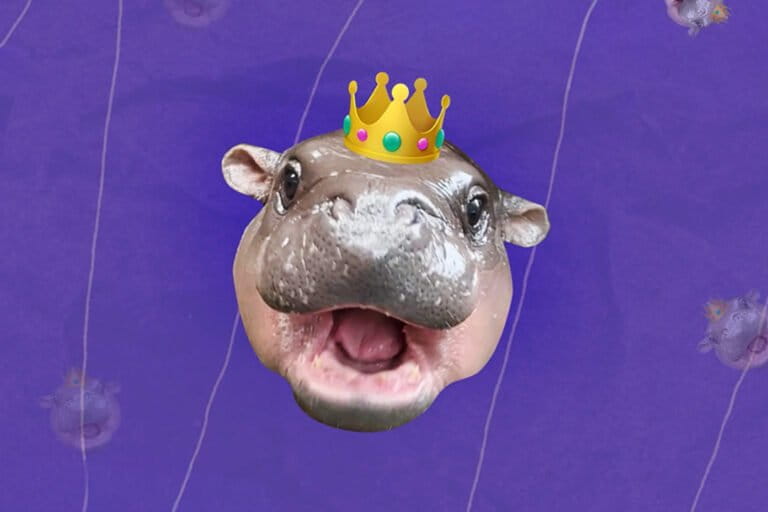
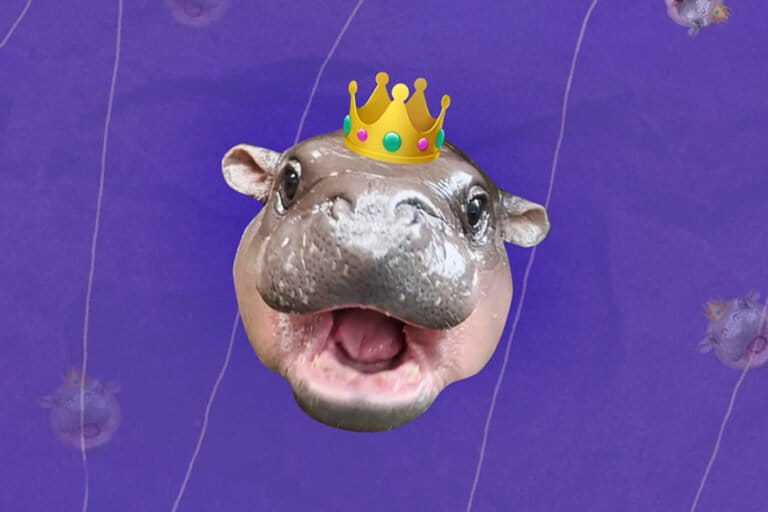
Thailand – In the lush enclosures of Khao Kheow Open Zoo, a small pygmy hippopotamus named Moo Deng has captured global attention with her boundless energy and endearing antics.
A Star is Born in Viral Fame
A Star is Born in Viral Fame
Visitors flock to the zoo in Chonburi province, drawn by clips of Moo Deng charging playfully and splashing in her pool. Born on July 10, 2024, she quickly became an internet sensation when her zookeeper shared videos in September of that year. Her name, meaning “bouncy pork” in Thai, perfectly captured her lively spirit and round form. Within weeks, Moo Deng amassed millions of views across platforms like TikTok and Instagram, turning her into a meme-worthy icon. Fans worldwide celebrated her first birthday in 2025 with trips to the zoo, boosting attendance significantly.
The surge in popularity highlighted Moo Deng’s role beyond entertainment. Zoo officials reported a sharp increase in visitors, many of whom learned about pygmy hippos for the first time. This exposure transformed a local resident into a global ambassador. Her playful demeanor contrasted with the serious threats facing her kind, drawing eyes to conservation needs.
The Hidden Struggles of Pygmy Hippos
Pygmy hippos, native to West Africa’s rainforests, face steep declines due to habitat loss from logging and farming. Experts estimate only around 2,500 individuals remain in the wild, classifying them as endangered. Unlike their larger common hippo relatives, these smaller creatures prefer dense, swampy forests where they remain elusive. Poaching for bushmeat and the pet trade further endangers their survival. Conservation groups stress that without intervention, their numbers could dwindle further in coming decades.
Moo Deng’s story underscores these challenges. At Khao Kheow, she lives with her family, including parents Tony and Jonah, in a spacious habitat designed to mimic natural conditions. Yet, her captive life serves as a reminder of the wild populations’ plight. Efforts to protect forests in Liberia, Sierra Leone, and Ivory Coast rely on international awareness, which Moo Deng now helps foster.
From Memes to Meaningful Impact
Moo Deng’s viral rise has sparked tangible benefits for her species. The zoo experienced a visitor boom, with foreign tourists arriving to see the young hippo in action. This influx generated funds that support breeding programs and habitat research. Social media campaigns featuring Moo Deng encouraged donations to wildlife organizations focused on pygmy hippo preservation. Her fame even prompted discussions among conservationists about using celebrity animals to drive policy changes.
Online communities have rallied around her, sharing educational content about the species’ needs. Posts on platforms highlight how habitat fragmentation isolates populations, making genetic diversity harder to maintain. Moo Deng’s half-siblings and full siblings at the zoo contribute to breeding success stories. Such visibility could influence funding for protected areas in Africa.
Challenges and Opportunities Ahead
While Moo Deng’s popularity endures into 2026, sustaining momentum remains key. Critics point out that viral fame can fade, urging zoos to channel attention into long-term projects. Khao Kheow has partnered with international groups to share expertise on pygmy hippo care. Reintroduction efforts, though complex, gain traction through stories like hers. Balancing tourism with animal welfare ensures Moo Deng thrives without stress.
Her journey illustrates how a single animal can bridge entertainment and education. As she grows, Moo Deng continues to nap, play, and explore her enclosure, unaware of her influence. Conservationists hope her legacy inspires action against deforestation. The zoo monitors her health closely, preparing for potential contributions to global breeding initiatives.
- Moo Deng’s birth and rapid virality in 2024.
- Increased zoo visits and funding for conservation.
- Educational outreach on pygmy hippo threats.
- Potential for broader habitat protection efforts.
- Ongoing monitoring and breeding program involvement.
Key Takeaways
- Moo Deng’s fame has boosted awareness of the endangered pygmy hippo, with only about 2,500 left in the wild.
- Her story drives visitor numbers and donations, supporting zoo-based conservation.
- Viral animals like her offer a powerful tool for long-term species protection.
Moo Deng proves that even a small hippo can make waves in the fight for biodiversity. As her playful escapades continue to charm, they remind us of the urgent need to safeguard fragile ecosystems. What steps can we take to support endangered species like hers? Share your thoughts in the comments.