
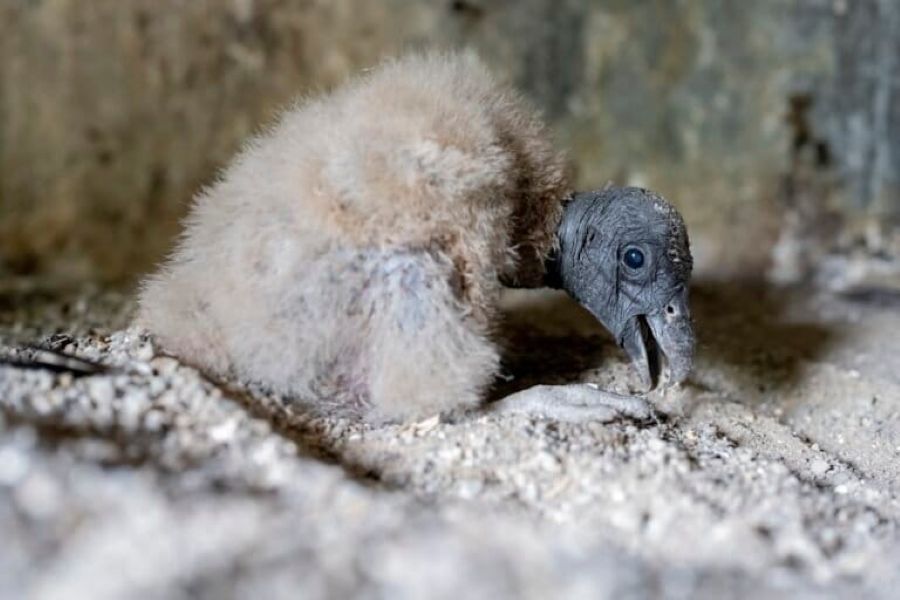
Near Bogotá, Colombia – Efforts to save the Andean condor from local extinction gained momentum with the successful hatching of three chicks through an innovative artificial incubation program.
A Lifeline for a Fading Icon
A Lifeline for a Fading Icon
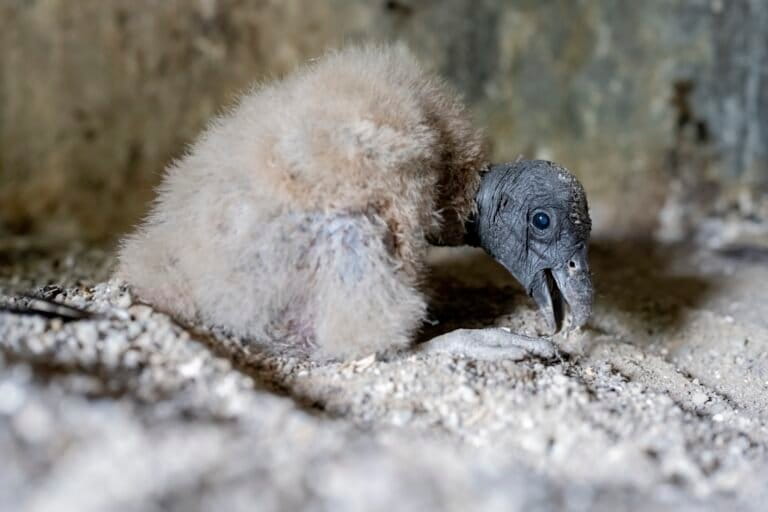
The Andean condor, Colombia’s national bird and a symbol of the Andes’ wild majesty, faces dire threats that have dwindled its population to fewer than 150 individuals across Colombia and Ecuador. These recent hatchings, starting in July 2024, represent a rare bright spot in the species’ struggle for survival. Wildlife specialists at the site described the chicks as potential saviors for the population, underscoring the urgency of such interventions.
Each chick emerged from carefully monitored eggs in a controlled environment designed to mimic natural conditions. The process involved precise temperature and humidity controls to ensure viability. This breakthrough came after years of dedication from conservationists who recognized the condor’s vulnerability to human impacts. The birds’ slow reproductive cycle – laying just one or two eggs every two years – amplifies the importance of every successful hatching.
The Foundation Driving Change
The Jaime Duque Park Foundation, a Colombian nonprofit, has spearheaded the artificial incubation initiative since 2015. Based near the capital, the program addresses the condors’ declining numbers by supplementing wild populations with captive-bred individuals. Foundation experts, including biologist Fernando Castro, emphasized that these chicks could bolster genetic diversity and aid reintroduction efforts.
Staff at the facility provide round-the-clock care, feeding the chicks a diet of regurgitated meat to replicate parental nurturing. The foundation collaborates with local authorities and international partners to track progress and plan releases into protected habitats. Such hands-on work has already contributed to similar successes in neighboring countries, offering a model for regional conservation.
Threats Looming Over the Skies
Despite these advances, the Andean condor grapples with multiple perils that have pushed it toward the brink. Habitat loss from deforestation and agricultural expansion fragments nesting sites across the Andean range. Illegal hunting, often for traditional medicine or trophies, claims numerous adults each year.
Lead poisoning from ingesting bullet fragments in carrion remains a silent killer, as seen in rehabilitation cases from Chile and Argentina. Collisions with power lines and wind farms add to the toll during the birds’ vast flights spanning hundreds of kilometers. Conservationists stress that without addressing these issues, even successful breeding programs may fall short. Recent studies have identified priority areas in Colombia for protection, focusing on high-elevation zones where condors forage and breed.
- Deforestation reducing nesting territories
- Poaching for cultural or superstitious reasons
- Toxic exposure from contaminated prey
- Infrastructure hazards like power lines
- Climate change altering food availability
Looking Ahead to Reintroduction
Plans for the chicks include gradual acclimation to wild conditions before release into safeguarded Andean ecosystems. Monitoring via satellite trackers will help assess their adaptation and survival rates, building on experiences from past releases. The foundation aims to scale up the program, potentially hatching more in the coming years to support broader recovery.
International efforts, including those highlighted in reports from Mongabay, underscore the need for cross-border cooperation. Colombia’s initiatives align with global strategies to protect this vulnerable species, listed by the IUCN as near-threatened worldwide but critically endangered locally.
Key Takeaways
- Three chicks hatched since July 2024, boosting hopes for the Andean condor.
- The Jaime Duque Park Foundation’s program since 2015 counters population decline through artificial incubation.
- Addressing threats like poisoning and habitat loss remains essential for long-term success.
As these young condors grow, they embody the resilience of Colombia’s biodiversity and the power of targeted conservation. Protecting the Andean condor requires ongoing commitment from communities and governments alike. What steps do you believe are crucial for safeguarding such iconic species? Share your thoughts in the comments.