

Have you ever walked away from a conversation feeling confused, guilty, or uncertain about a choice you were once confident about? Maybe you’ve found yourself doing things you didn’t really want to do, wondering how you got there. The thing is, manipulation isn’t always obvious. It doesn’t always announce itself with grand gestures or clear threats.
More often than not, it whispers. It creeps in through small comments, subtle pressure, and carefully chosen words that leave you questioning yourself. In 2026, we’re more aware than ever about toxic behavior patterns, yet manipulation still manages to slip through the cracks of our relationships. Let’s dive into the warning signs that someone might be pulling your strings without you even noticing.
They Make You Doubt Your Own Memory

You remember a conversation clearly, you’re certain about what was said, yet the other person insists it never happened. They use phrases like “You are so sensitive” or “That is not what I said” so often that you start questioning your own recall. This pattern is classic gaslighting, and it’s incredibly effective at making you second-guess everything you thought you knew.
Over time, repeated doubt creates fog, making you hesitate before speaking up and apologize to keep the peace even when you were careful. I know it sounds dramatic, but honestly, when someone systematically makes you doubt your own experiences, they’re not trying to help you remember better. They’re trying to control what you believe is real, which gives them power over your decisions.
Guilt Becomes Their Go-To Weapon

Manipulators try to make you feel guilty by skewing any situation to make themselves the victim, or they remind you of times they’ve helped you out, making it seem like you owe them. When you decline a request or set a boundary, suddenly you’re hit with heavy sighs, cold silence, or the infamous line about everything they’ve done for you.
The guilt trip works because it preys on your empathy and desire to be a good person. Research shows that guilt-tripping comes at a cost in relationships, with the person who gives in feeling manipulated and worse about the relationship, and when it happens frequently, it can lead to resentment and loss of closeness. You end up trading your comfort for temporary relief from manufactured guilt. Real relationships don’t operate on emotional debt systems.
They Shower You With Excessive Compliments Before Asking for Something

Let’s be real, everyone loves a good compliment. The problem arises when flattery arrives with suspicious timing. Consider if the person is sharing compliments to butter you up so you’ll do whatever they ask, as flattery may be used as leverage by someone who wants something in return.
It’s kind of like being softened up before the real ask comes through. Love-bombing, which involves showering someone with praise and affection, is a common manipulation tactic used to speed up relationships so you feel more attached. Genuine appreciation feels different from strategic charm. When compliments only show up right before requests, that’s not admiration. That’s currency.
Conversations Always Become About Them
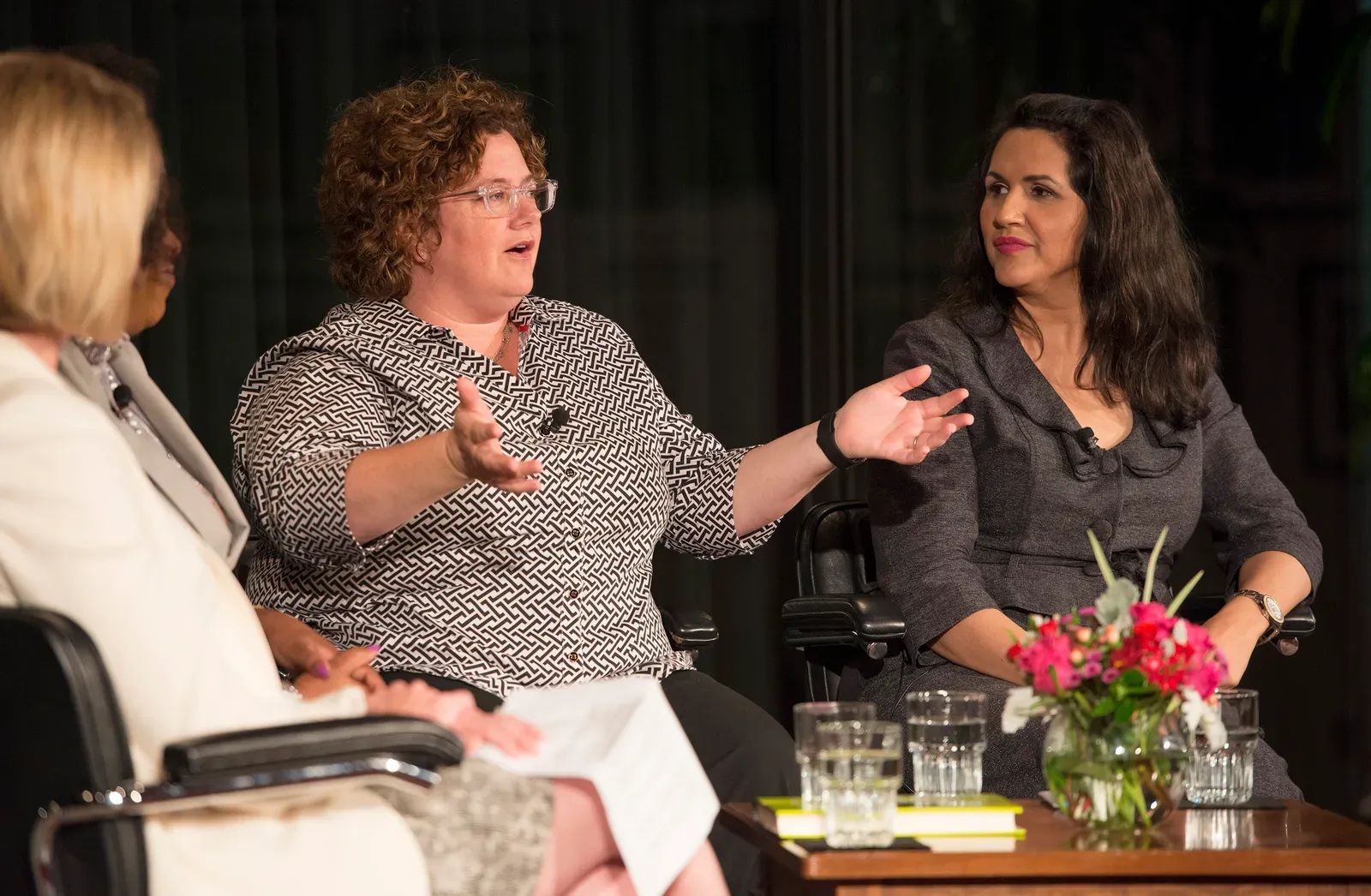
You start sharing something important about your day, maybe something that stressed you out or excited you. Before you’ve even finished, they cut in with their own story that completely steamrolls yours. When they interrupt with “That’s nothing, wait til you hear what happened to me,” relationship research shows that conversational dominance leaves us feeling unheard.
This isn’t just poor listening skills. It’s a control tactic. When someone consistently redirects every conversation back to themselves, they’re training you to prioritize their needs, their feelings, their experiences over your own. You learn, often without realizing it, that your thoughts and feelings don’t matter as much. Over time, this pattern influences how you make decisions, because you stop trusting that your perspective has value.
Your Friends and Family Suddenly Seem “Wrong” for You

When you are gradually isolated from friends or other outside contacts through subtle hints or overt restriction, your ability to compare your experience against normal relationship behavior evaporates, intensifying dependence. The manipulator might say your friends don’t really understand you, or they create drama whenever you make plans with others.
Isolation is one of the most powerful manipulation tools because it removes your reality checks. When you can’t talk to people who genuinely care about you, you lose access to perspectives that might help you see what’s really happening. This isolation weakens the external support crucial for recognizing and comprehending emotional manipulation. Healthy relationships encourage connections with others. Toxic ones build walls around you.
They Use Silent Treatment as Punishment

By deliberately not responding to your reasonable calls, text messages, or emails, the manipulator presumes power by making you wait and intends to place doubt and uncertainty in your mind, as the silent treatment is a head game where silence is used as leverage. It’s not about needing space to cool down. It’s about making you anxious enough to cave to their demands.
The silent treatment forces you into a position where you’re scrambling to figure out what you did wrong, often when you didn’t actually do anything wrong at all. You become so desperate to end the discomfort that you’ll agree to almost anything. It’s emotional withholding used as a control mechanism, and it’s incredibly effective at making you abandon your own needs and preferences.
Standards Apply Differently to You Than to Them

They expect grace for their slipups but give none for yours, casting you as careless while they’re cast as busy or misunderstood. When they make mistakes, there’s always a reasonable explanation. When you make mistakes, it becomes evidence of your character flaws.
Fairness is easy to recognize because the standard is shared, and it’s not a trap that only snaps on you. This double standard keeps you constantly trying to prove yourself, walking on eggshells, while they operate with complete freedom. You end up making decisions based on fear of their judgment rather than what actually makes sense for you.
They Play Dumb to Avoid Responsibility

By pretending they don’t understand what you want or what you want them to do, the manipulator makes you take on what is their responsibility and gets you to break a sweat. They suddenly become incompetent when there’s something they don’t want to do, forcing you to either do it yourself or spend exhausting amounts of energy explaining the obvious.
People pretend like they don’t know anything and behave like they are dumb, but deep down they are very clever, pretending to be dumb just to avoid responsibility or gain advantage, helping them to understand the mental capability of the other person. This tactic is frustrating because you can’t even call it out without sounding unreasonable. Yet it systematically shifts burdens onto you and influences how you decide to handle tasks in the future.
They Create Urgency and Pressure Around Decisions

The manipulator puts pressure on you to make a decision before you’re ready, applying tension and control with the hope that you will crack and give in to their demands. Suddenly everything becomes an emergency that needs to be decided right this second, even when there’s actually plenty of time to think things through.
This manufactured urgency is designed to prevent you from thinking clearly or consulting with others who might offer different perspectives. When you’re rushed, you’re more likely to make choices that serve the manipulator’s interests rather than your own. Legitimate situations rarely require instant decisions. Manipulation thrives on preventing you from having time and space to reflect. I’ve seen this play out so many times, people pressured into commitments they later regret simply because they weren’t given breathing room to consider their options.
Conclusion

Manipulators work in the shadows, taking advantage of your trust, openness, genuine interest in connection, and kindness. The signs we’ve explored aren’t just annoying quirks or communication problems. They’re systematic patterns designed to influence your decisions for someone else’s benefit.
Recognizing these subtle manipulation tactics is your first line of defense. That gut feeling that something isn’t right or that you persistently end up doing things you don’t want to is particularly useful, and trusting your gut is important when you think you might be experiencing manipulation. Your decisions should be yours, made freely without guilt, pressure, or confusion clouding your judgment.
What subtle signs have you noticed in your own relationships? Sometimes just naming these patterns out loud can be the first step toward reclaiming your autonomy.