
You’ve been there before. That looming deadline is inching closer, yet somehow you find yourself scrolling through your phone or reorganizing your desk drawers instead of doing what really matters. Procrastination isn’t just about being lazy, despite what you might tell yourself during those guilt-ridden moments. Research shows it’s actually an emotional regulation issue, a way your brain tries to protect you from uncomfortable feelings like anxiety or fear of failure.
Here’s the thing though: procrastination might offer temporary relief, yet it creates a vicious cycle that amplifies stress and kills your productivity. The good news is that you can break free from this pattern. Let’s be real, overcoming procrastination isn’t about suddenly becoming a productivity robot. It’s about understanding what triggers your avoidance and using practical strategies that work with your brain, not against it.
Break Tasks Into Bite-Sized Pieces

When you look at a massive project, your brain perceives it as overwhelming, which is one of the primary reasons people procrastinate. Think about it like trying to swallow a whole pizza in one bite versus enjoying it slice by slice. Breaking down large tasks into smaller, manageable steps makes the task feel less daunting, allowing you to focus on one step at a time.
Instead of telling yourself you need to write an entire report, focus on completing just the introduction first. Dividing complex tasks into smaller, manageable ones helps tackle one smaller task at a time to reduce the overwhelm often associated with large to-dos. You’ll discover that once you complete that first small chunk, momentum naturally builds and carrying you forward becomes surprisingly easier.
Use the Two-Minute Rule to Get Started

The two-minute rule of procrastination is one of the simplest tips to stop procrastinating, basically suggesting that if a task takes less than two minutes to complete, do it immediately instead of putting it off. This isn’t just about quick tasks though. You can use this strategy to trick your brain into starting bigger projects too.
The idea is to make it as easy as possible to get started and then trust that momentum will carry you further into the task after you begin. Tell yourself you’ll just write one sentence, organize one folder, or work for exactly two minutes. Often those two minutes snowball into twenty or thirty without you even realizing it. Starting is usually the hardest part, so removing that mental barrier makes all the difference.
Prioritize Your Most Important Tasks First
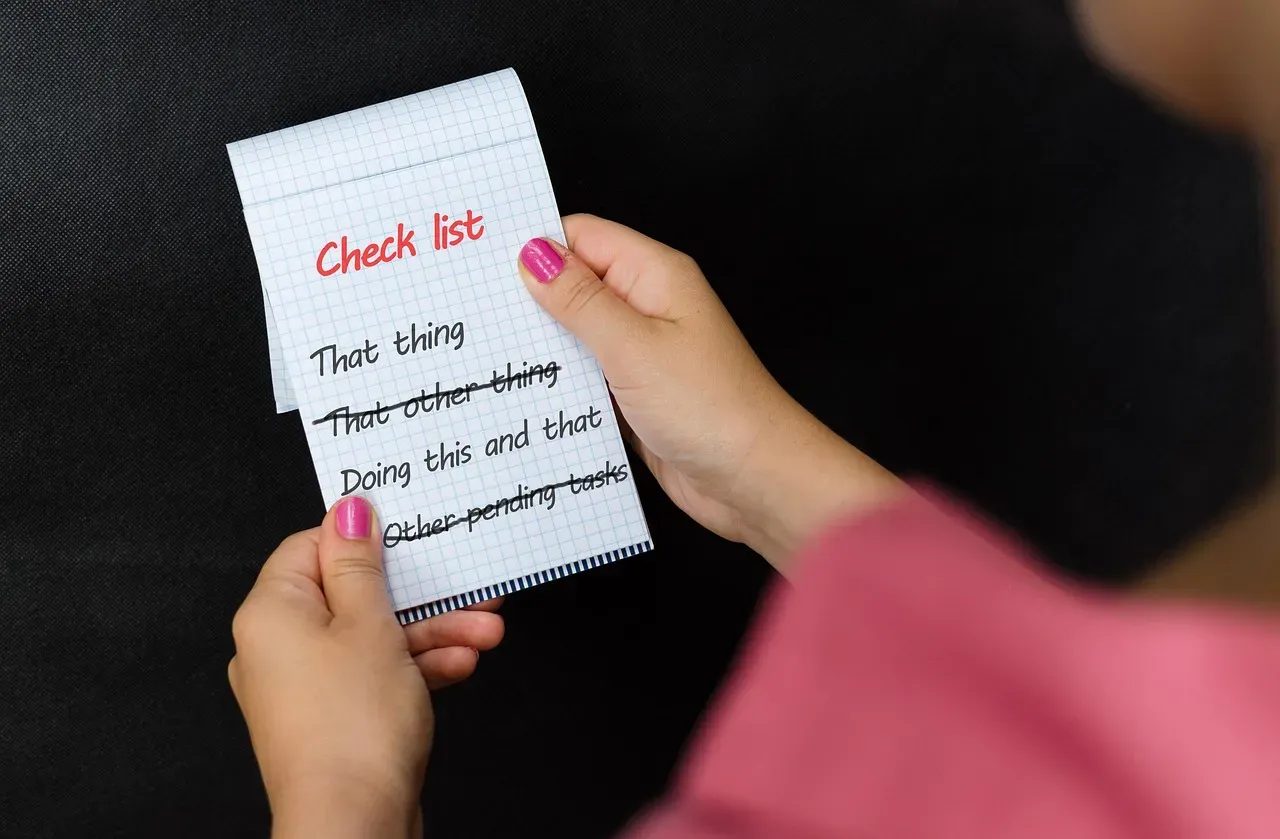
Focusing on completing high-priority tasks first can help you manage your time more effectively and prevent procrastination by tackling important tasks early, reducing the stress of looming deadlines. Some productivity experts call this “eating the frog,” meaning you should handle your most challenging and important work when your energy and willpower are at their peak.
You can utilize a prioritization method such as the Eisenhower Matrix to classify tasks according to their urgency and importance. Stop filling your day with easy, low-priority tasks just because they make you feel productive. That’s another form of procrastination in disguise. Tackle what truly matters first, and watch how the rest of your day flows more smoothly.
Eliminate Distractions From Your Environment

Distractions are a significant contributor to procrastination, so identifying what commonly distracts you and finding ways to eliminate or reduce these distractions is crucial. Your smartphone is probably the biggest culprit here. Honestly, how many times have you picked it up “just to check something quickly” and lost half an hour?
Turn off notifications on your phone, use website blockers to prevent access to distracting sites, and create a dedicated workspace that is free from interruptions. Consider putting your phone in another room entirely while working on important tasks. Creating an environment that supports focus rather than sabotages it gives you a fighting chance against procrastination. Your workspace should make it easier to work and harder to avoid what needs doing.
Practice Self-Compassion and Forgive Past Procrastination

Students who forgave themselves for procrastinating while preparing for the first exam were less likely to procrastinate on preparing for the second exam, and the reason came down to mood. This might sound counterintuitive, yet beating yourself up for procrastinating actually makes the problem worse, not better.
Self-forgiveness provides an effective means of regulating negative mood that leads to approaching and dealing with problems rather than avoiding them by procrastinating. When you acknowledge your setbacks without dwelling on them, you create space for learning and growth. Remember that everyone struggles with procrastination at some point. Being kind to yourself reduces anxiety and shame, which are often the very emotions that trigger procrastination in the first place.
Try the Pomodoro Technique for Focused Work Sessions

The Pomodoro Technique involves working in focused, 25-minute increments, followed by a 5-minute break, and after four cycles, taking a longer break of 15-30 minutes to help you stay focused and avoid burnout. Your brain simply cannot maintain intense focus for hours on end without rest. Working in shorter bursts actually increases productivity while protecting your mental energy.
During those five-minute breaks, truly step away from your work. Don’t check emails or scroll social media. Stand up, stretch, look out the window, or get a glass of water to give your mind a rest. These structured intervals create a rhythm that makes tasks feel more manageable and helps you maintain consistent energy throughout your day. It’s hard to say for sure, but this technique works because it removes the intimidation factor of facing hours of work ahead.
Find an Accountability Partner or System

Share your goals with someone who can hold you accountable, as regular check-ins with an accountability partner can encourage and help you stay committed to your tasks. When you know someone else is going to ask about your progress, you’re far more likely to follow through. Social accountability taps into our natural desire not to disappoint others.
Creating accountability is important, so ask your study consultant, friend, or family member to check up on you at the end of the day or week to see how you have been doing in terms of overcoming procrastination. You can also join online communities or find a friend who’s working on similar goals. Sometimes just knowing you’re not alone in the struggle makes it easier to push through resistance and take action.
Set Specific Deadlines and Intermediate Milestones
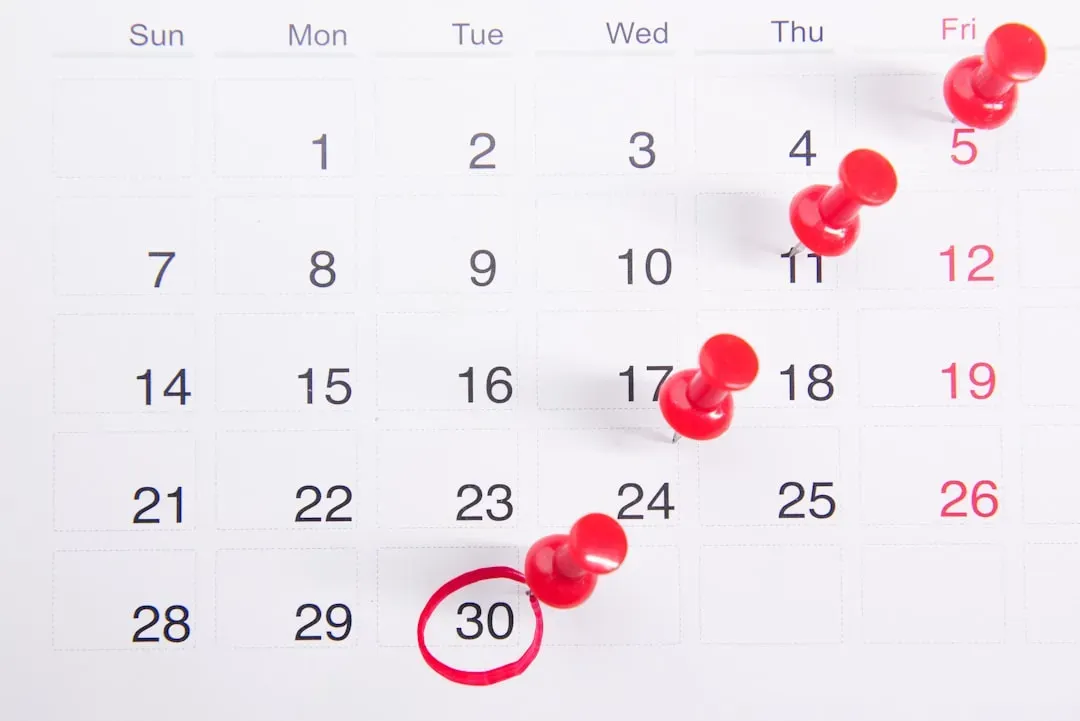
Deadlines should be appropriate so they shouldn’t give you too much or too little time, concrete so they specify an exact point in time, and meaningful so they involve an effective incentive for abiding by them. Vague goals like “finish the project soon” don’t create urgency. Your brain needs concrete targets to work toward.
You might benefit from setting intermediate deadlines, which correspond to specific steps or proximal goals that you need to complete along the path to your final goal, for example setting a deadline for finishing each chapter if you need to write a book. These smaller milestones give you regular wins to celebrate and prevent that overwhelming feeling of staring at one massive, distant deadline. Breaking your timeline into chunks makes the journey feel achievable rather than impossible.
Overcoming procrastination isn’t about perfection or transforming into someone who never delays anything. It’s about building awareness of your patterns and having practical tools ready when procrastination tries to take over. The strategies above work because they address the emotional and psychological roots of procrastination, not just the surface behavior. Start by choosing one or two techniques that resonate most with you and practice them consistently for a week.
Be patient with yourself as you develop these new habits. Some days will be more productive than others, and that’s completely normal. The goal is progress, not perfection. What small step could you take right now to get started on something you’ve been avoiding? Tell us which strategy you’re going to try first.