

You’re probably more influenced by confirmation bias than you realize. It’s happening right now as you read this article, and it affects every decision you make, from the news you consume to the relationships you form. Think of it like a mental filter that quietly sits between you and reality, selectively letting through only what matches your existing beliefs.
Research shows our tendency to seek out evidence that aligns with our current beliefs and stick to ideas even when data contradicts them is incredibly powerful. The fascinating thing is, we’re usually completely unaware we’re doing it. This cognitive quirk doesn’t just influence major life choices. It colors everything from how you interpret a text message to the career path you choose.
The Science Behind Our Selective Thinking
Confirmation bias represents one example of how humans process information in an illogical, biased manner, and the way we know and understand the world is often affected by factors simply unknown to us. Let’s be honest, this isn’t exactly flattering news for those of us who pride ourselves on rational thinking. Psychological experiments dating back to the 1960s suggested people are biased toward confirming their existing beliefs, and decades of research have only reinforced this finding.
Here’s the thing: It’s actually an efficient way to process information, because humans are incessantly bombarded with information and cannot possibly take the time to carefully process each piece to form an unbiased conclusion. Your brain takes shortcuts. Those shortcuts served our ancestors well when they needed to make split-second survival decisions. Now, in our complex modern world, these same mental mechanisms sometimes lead us astray in surprising ways.
Why We Fall Into This Mental Trap
People show confirmation bias partly to protect their self-esteem, because they like to feel good about themselves, and discovering that a belief they highly value is incorrect makes them feel bad about themselves, so they seek information that supports their existing beliefs. I know it sounds almost childish when you put it that way. Yet even the smartest among us do this constantly.
Cognitive dissonance occurs when a person holds two contradictory beliefs and causes psychological stress, so to minimize this dissonance, people adapt to confirmation bias by avoiding contradictory information and seeking evidence confirming their beliefs. Think about the last time someone challenged a deeply held belief of yours. That uncomfortable feeling you experienced? That was cognitive dissonance at work, pushing you to find evidence that you were right all along rather than genuinely reconsidering your position.
How It Warps Your Daily Decisions
Research has shown confirmation bias is strong and widespread, occurring in several contexts, and once an individual makes a decision, they will look for information that supports it. Imagine a manager who believes hard work equals success. When sales drop, she immediately assumes her staff isn’t working hard enough, never considering market changes, poor product fit, or pricing issues. This leads to flawed decision-making, which can cascade into bigger organizational problems.
The scary part? People are especially likely to process information to support their own beliefs when an issue is highly important or self-relevant. So the decisions that matter most are precisely the ones where you’re most vulnerable to this bias. Your brain essentially becomes less objective exactly when you need objectivity the most.
The Social Media Amplification Effect

Algorithms from social media sites keep track of content we choose to interact with and then begin to show us only what the algorithm has determined we want to see, and when paired with our innate confirmation bias, we begin creating a bubble of information that only confirms the beliefs we already have. It’s like living in a hall of mirrors where every reflection shows you exactly what you expect to see.
In social media, confirmation bias is amplified by filter bubbles and echo chambers which display only information users are likely to agree with while excluding opposing views, and some have argued this is why society can never escape from filter bubbles, because individuals are psychologically hardwired to seek information that agrees with their preexisting values and beliefs. You might think you’re exploring diverse viewpoints online. More often, you’re just seeing variations of your own opinions reflected back at you in different fonts.
When Bias Becomes Dangerous

In interpersonal relations, confirmation bias can be problematic because it may lead a person to form inaccurate and biased impressions of others, resulting in miscommunication and conflict in intergroup settings. Think about workplace dynamics or family relationships. Once you’ve decided someone is lazy or untrustworthy, you’ll notice every little thing that confirms that view while completely missing evidence to the contrary.
Unconscious cognitive bias in job recruitment can affect hiring decisions and potentially prohibit a diverse and inclusive workplace, and confirmation bias is one of the major ones, especially during the interview stage, where the interviewer may select a candidate that confirms their own beliefs even though other candidates are equally or better qualified. This isn’t just unfair to job candidates. It actively harms organizations by preventing them from finding the best talent. The interviewer walks away thinking they made a brilliant choice, never realizing they just passed on someone exceptional.
Political Polarization and Echo Chambers
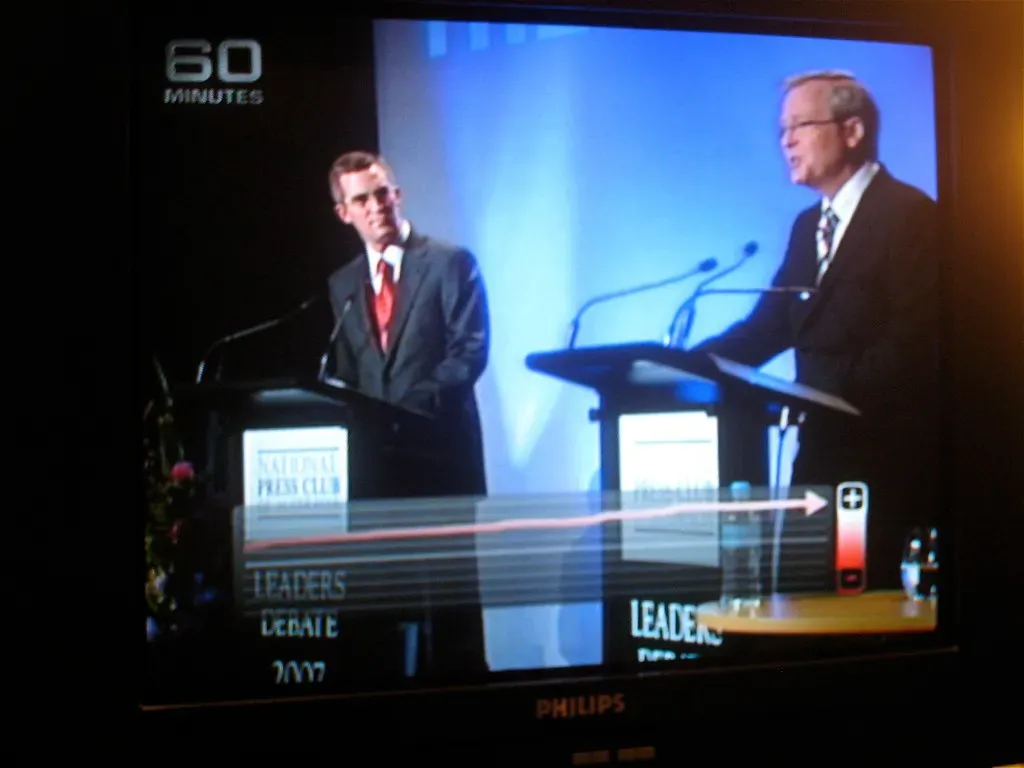
When people with opposing views interpret new information in a biased way, their views can move even further apart, which is called attitude polarization. I’ve watched friendships dissolve over political disagreements that probably weren’t even that fundamental. Both sides consumed the same news event but walked away with completely opposite interpretations, each more convinced than ever that they were right.
Echo chambers function by circulating existing views without encountering opposing views, potentially leading to three cognitive biases: correlation neglect, selection bias and confirmation bias. The result is communities where everyone agrees with each other, dissent is suspicious, and nuance disappears entirely. You might feel comfortable and validated in these spaces. That comfort should actually be a warning sign.
Strategies to Break Free From Biased Thinking

Although confirmation bias cannot be entirely eliminated, there are steps you can take to avoid it, starting with accepting that you have biases that impact your decision-making, and even though we like to think we are objective, it is our nature to use mental shortcuts that make us disregard information that contradicts our views. The first step is admitting you’re not as rational as you think. Neither am I, for what it’s worth.
Recognize that confirmation bias exists and understand its impact on decision-making, actively seek out and consider different viewpoints and sources of information that challenge your existing beliefs, and develop critical thinking skills that evaluate evidence objectively without favoring preconceived notions or desired outcomes. It’s uncomfortable work. You’ll have to read articles that make you angry, listen to people you disagree with, and genuinely consider the possibility that you might be wrong about things you feel certain about.
Moving Toward More Balanced Perspectives

If you want to get closer to objective truths, you have to be able to admit you were wrong, especially in the face of new data, because if you can’t admit defeat, it makes you incapable of making new discoveries in this world. Here’s what I’ve learned: being wrong isn’t a character flaw. It’s actually a sign of intellectual growth. The people who never change their minds aren’t strong thinkers. They’re just stubborn.
Instead of searching for confirmatory evidence, try to disconfirm your initial suspicions by actively seeking out and considering contradictory information, because such an approach is likely to lead to stronger and more definitive conclusions. Challenge yourself to find three solid arguments against your position before you finalize any major decision. You might still reach the same conclusion, but you’ll have earned it through rigorous thinking rather than lazy confirmation.
Confirmation bias isn’t some abstract psychological concept that only affects other people. It’s shaping your reality right now, filtering your experiences, and narrowing your worldview in ways you probably don’t even notice. The good news? Simply becoming aware of it gives you power to push back against its influence. You won’t eliminate it completely, that’s probably impossible. But you can learn to question your certainties, seek out uncomfortable truths, and build a more accurate picture of the complex world we all share. What biases might you be carrying around without realizing it?