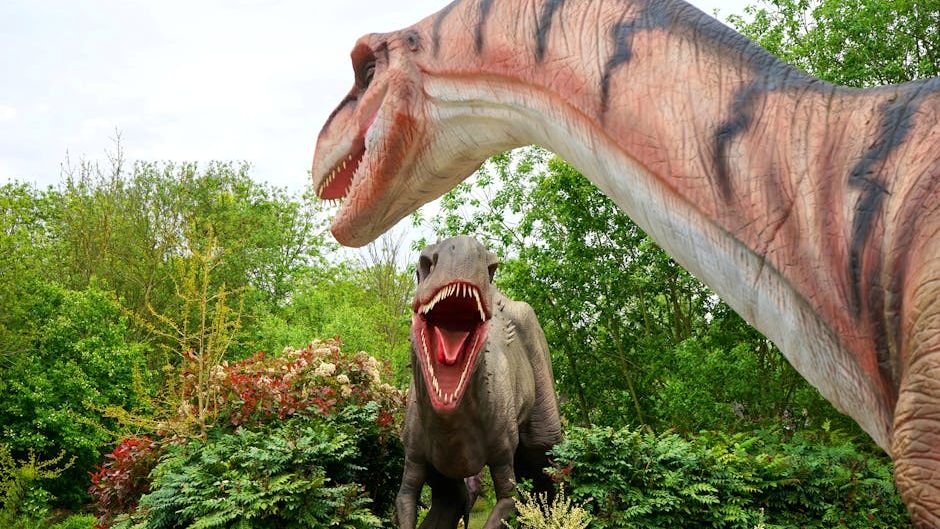
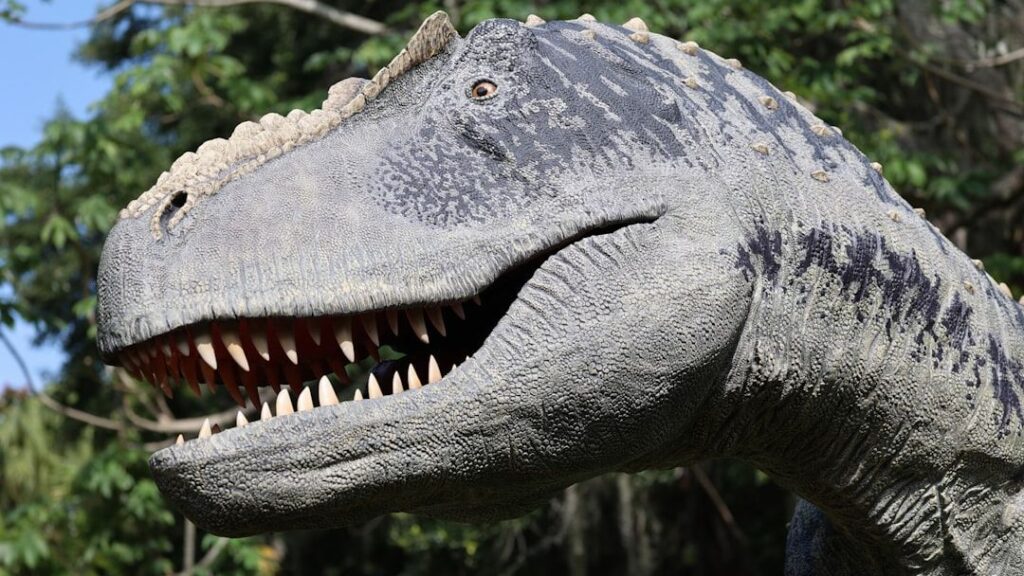
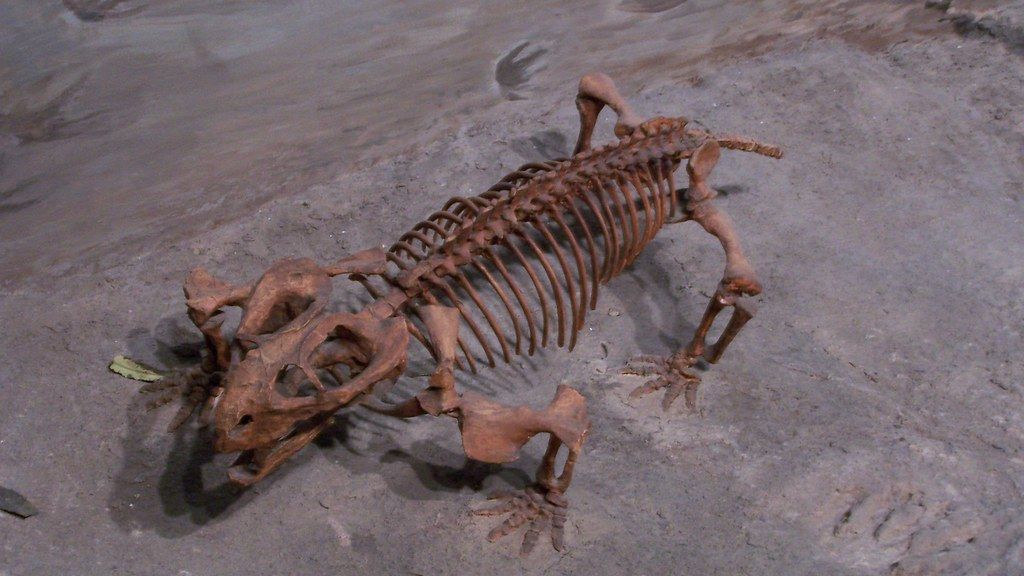
For over a century, people thought dinosaurs were cold, calculated beasts that lived mostly alone and cared little about their offspring. The notion of a towering Tyrannosaurus rex tenderly guarding its babies seemed almost laughable. Yet today, researchers are peeling back millions of years to reveal that these ancient reptiles led far more complex family lives than anyone imagined.
Some species built elaborate nests, carefully arranged their eggs, and even died protecting their young. Others seemed to follow a strategy straight out of the reptile playbook – lay your eggs, bury them, and walk away forever. The picture gets even messier when you look at evidence suggesting that certain dinosaur juveniles banded together without any adults around, essentially raising themselves in a prehistoric version of a kids’ club. So where does the truth lie? Were dinosaurs doting parents, solitary wanderers, or something entirely different?
The Latchkey Kids of the Mesozoic
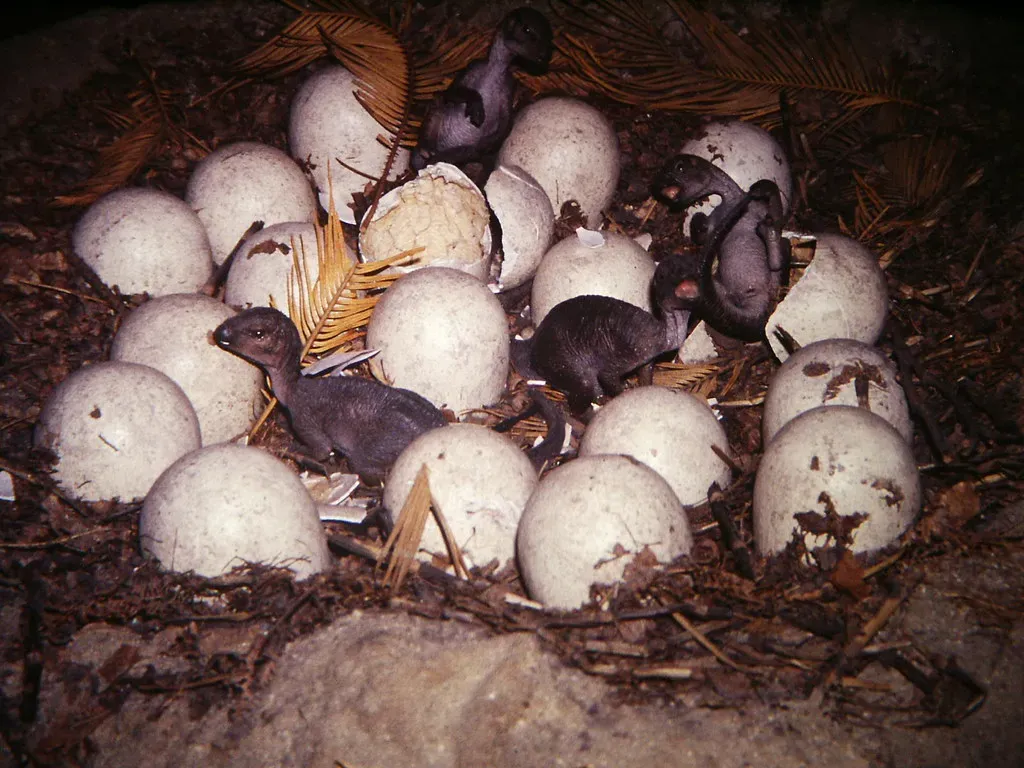
Recent fossil discoveries show that groups of young dinosaurs were often preserved together with no adult remains nearby. This is a surprising pattern that challenges the image of protective dinosaur parents hovering over their nests. Picture a baby Brachiosaurus, roughly the size of a large dog, wandering around with its siblings and hunting for food while dodging hungry predators.
These juveniles traveled together in groups of similarly aged individuals, feeding themselves and fending for themselves. Dinosaurs laid relatively large broods in a single attempt, and reproduction occurred more frequently than in mammals, which increased survival chances for their lineage without much effort or resources. This “free-range” parenting style meant that each generation had to grow up fast or face the consequences. Honestly, it’s hard to imagine how terrifying that must have been for a tiny hatchling.
The Devoted Protectors
Yet some dinosaurs broke the mold entirely. A fossil of Citipati osmolskae, dubbed “Big Mama,” was discovered brooding on a nest of eggs from roughly 75 million years ago. The dinosaur was curled over its nest, likely caught in a catastrophic event like a sandstorm or mudslide.
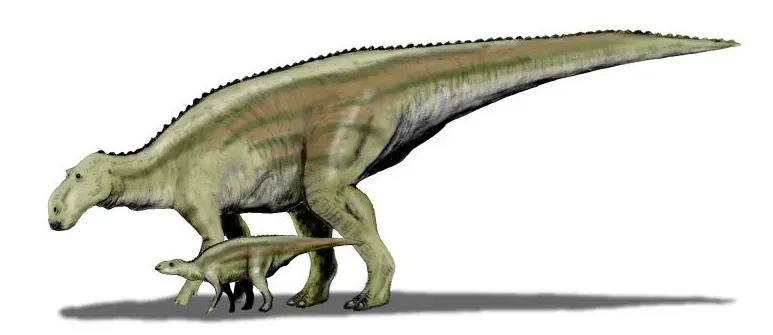
This was protective behavior to the detriment of the parent, showing that at least some species risked everything for their offspring. Maiasaura, whose name means “good mother lizard,” lived around 80 to 75 million years ago and is thought to have nested in large colonies where parents may have provided food and protection for their hatchlings. The presence of trampled eggshells and plant matter in these nests tells researchers that adults likely brought food back and cared for their young for an extended time. That’s a level of devotion you’d expect from modern birds, not the monstrous reptiles of popular imagination.
Nest Guarding Versus Walking Away
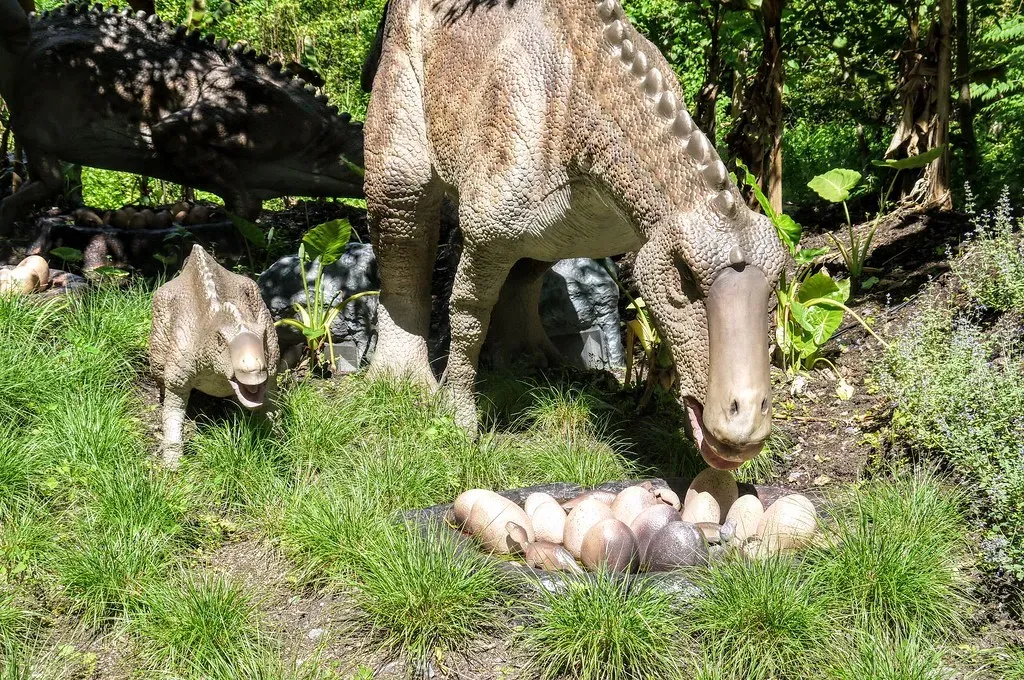
The debate over whether dinosaurs guarded their eggs or simply abandoned them has raged for decades. The answer, as it turns out, depends entirely on which species you’re talking about. Some species show evidence of parental care, but for groups like sauropods – the long-necked giants – there’s no evidence of post-laying care.
These massive dinosaurs may have used geothermal heat from volcanic areas to incubate their eggs, then left them to hatch on their own. Long-necked dinosaurs buried their eggs carefully, but like turtles, the evidence points to little further care – a “lay ’em and leave ’em” strategy. This makes biological sense when you think about it – an adult sauropod could accidentally crush its own nest just by walking nearby. Still, it’s a stark contrast to the devoted oviraptorids sitting on their nests like feathered sentinels.
Daddy Daycare in the Dinosaur World
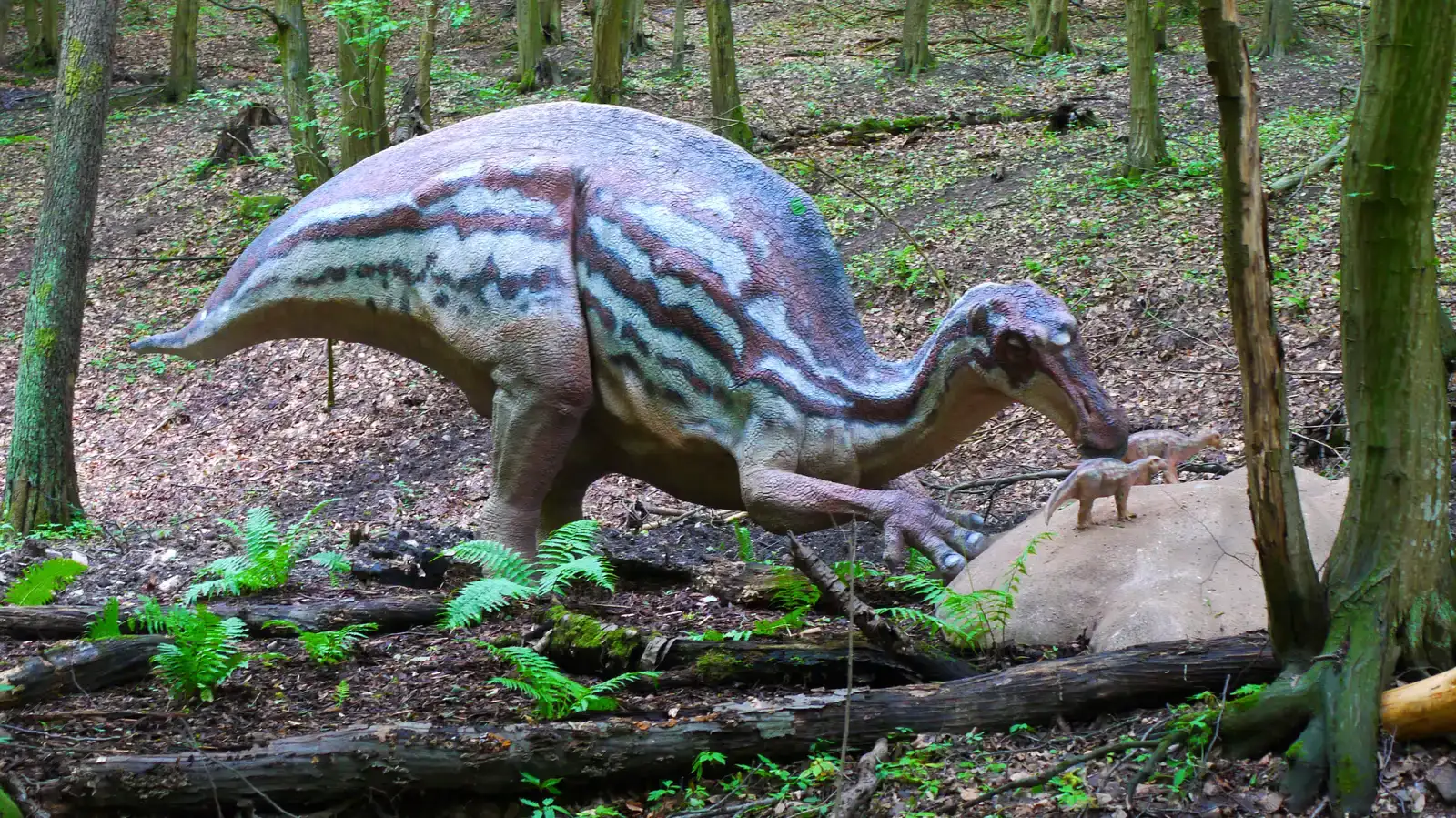
Here’s where things get really interesting. Evidence strongly suggests that for the dinosaur ancestors of modern birds, the burden of parental responsibility fell almost exclusively upon fathers. Researchers figured this out by examining fossilized bones for a special tissue called medullary bone, which only appears in egg-laying females.
The absence of medullary bone in brooding individuals, combined with the large and numerous eggs, suggests males did most of the incubating. This mirrors what we see today in ostriches and emus, where males handle the nesting duties while females move on to lay more eggs. It’s a fascinating twist on traditional parenting roles, and it shows just how diverse reproductive strategies were among these ancient creatures. Let’s be real – dinosaur dads were probably more hands-on than we give them credit for.
The Pack Hunter Debate
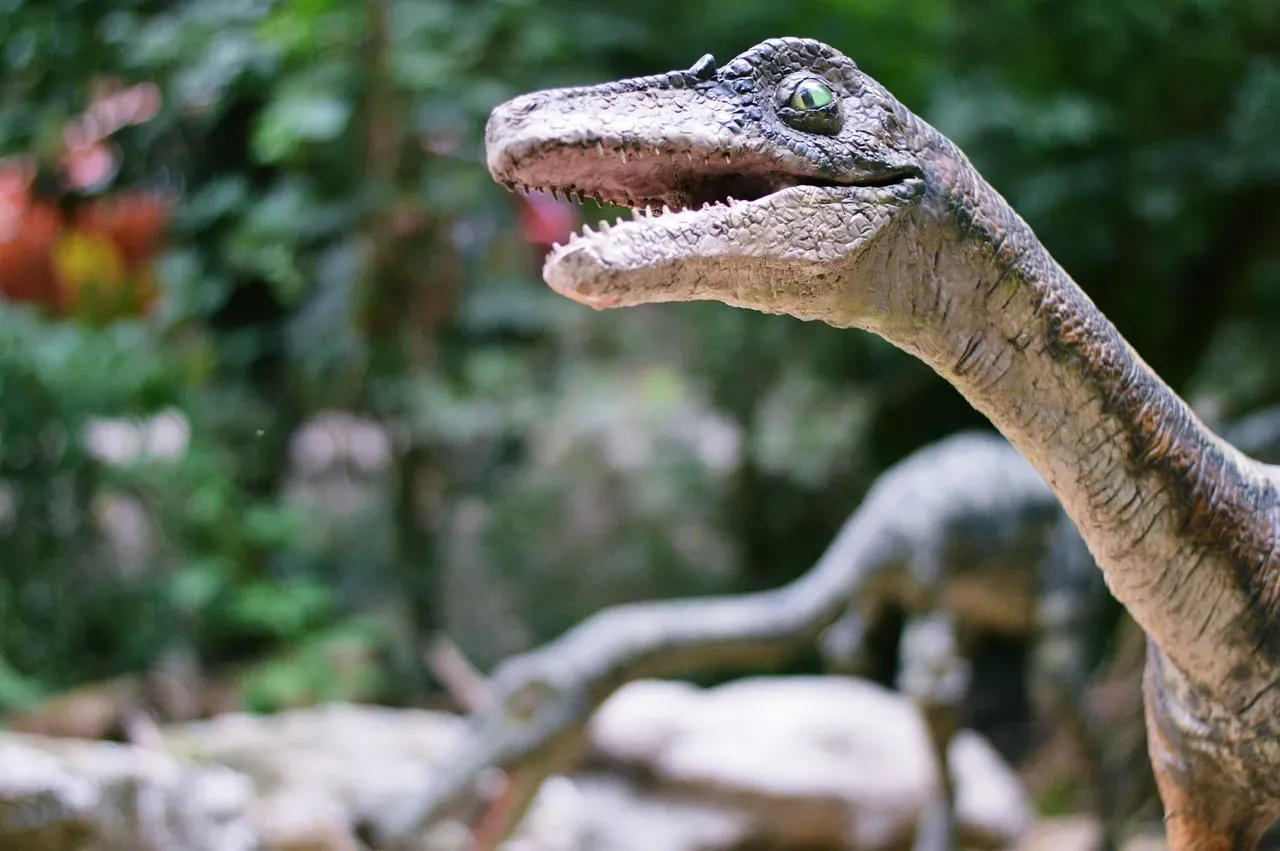
Hollywood loves to show velociraptors and other theropods hunting in coordinated packs, surrounding their prey with lethal efficiency. The reality is far murkier. Research suggests that theropod dinosaurs like Velociraptor more likely hunted alone rather than in packs.
Studies of stable isotopes in fossil teeth show that juveniles and adults had different diets, indicating the young were not being fed by adults. This dietary shift as they grew points to a solitary lifestyle where each individual hunted what it could catch. Researchers now conclude that the hypothesis of pack hunting is unparsimonious and unlikely, and that nonavian theropods were solitary hunters or, at most, foraged in loose associations. Those cinematic raptor packs? Probably more fiction than fact.
Family Dynamics and Social Structures
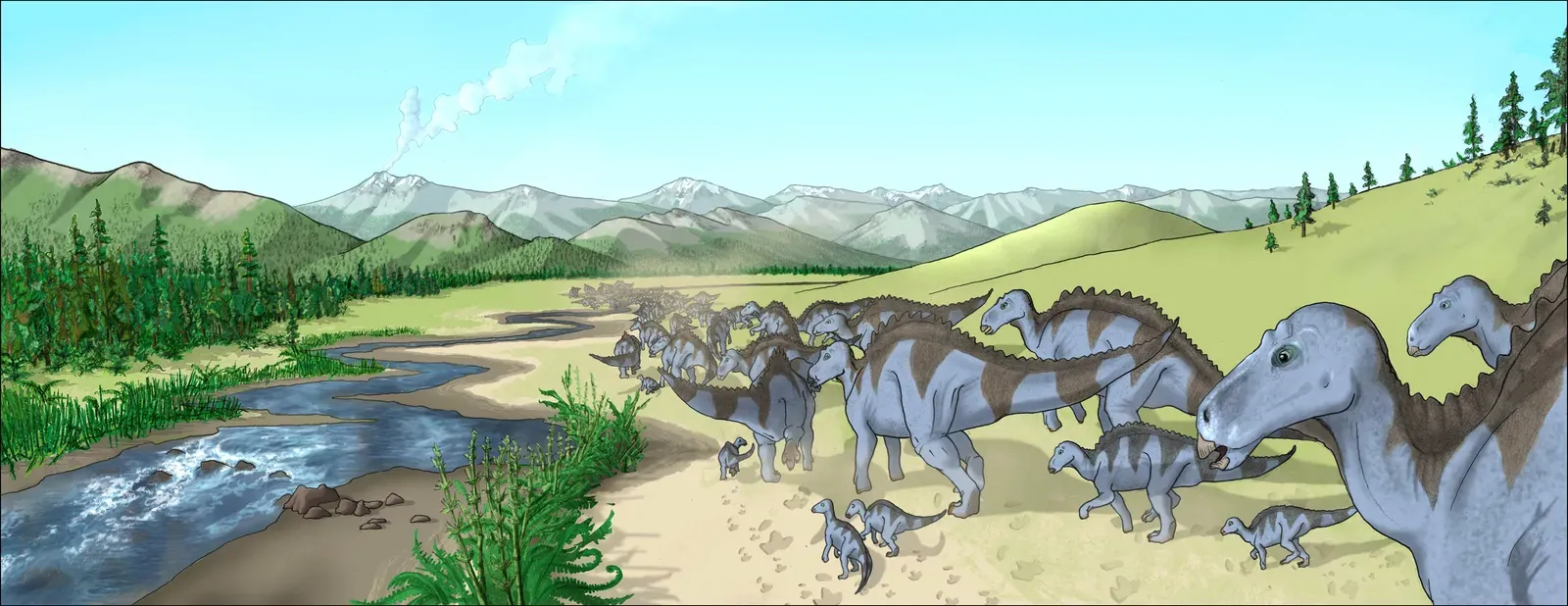
The social lives of dinosaurs remain one of paleontology’s most stubborn mysteries. Evidence for group living comes from bone beds containing multiple individuals of different ages from a single species buried at the same time, suggesting they died together and thus likely lived together. This gives advantages like better predator detection and coordinated hunting for carnivores.
However, individuals could form groups for part of their lives, switching between solitary and group living at different stages, and behavior could vary wildly between populations of the same species. Some juvenile dinosaurs formed cross-species social groups, possibly for protection. Even among Maiasaura, who received better-than-average parental care, nearly 90 percent of hatchlings died within the first year. Those who survived long enough to grow larger stood a better chance, which might explain why young dinosaurs banded together in the first place.
Ancient Ecosystems and Modern Revelations
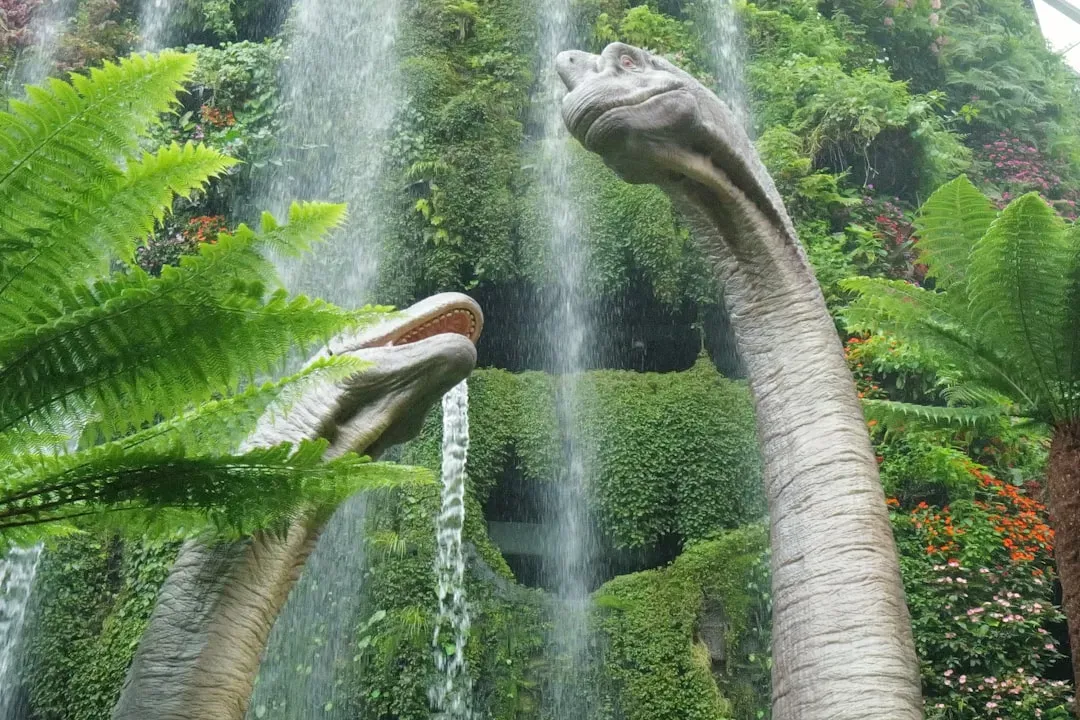
Recent studies suggest that counting young dinosaurs as separate functional species from their parents reveals that total functional species in dinosaur fossil communities was actually greater on average than in modern mammalian communities. This “free-range” parenting might have fundamentally reshaped ancient ecosystems. The Mesozoic world had warmer temperatures and higher carbon dioxide levels, which would have made plants more productive and generated more food energy to support more animals.
Dinosaurs may have also had somewhat lower metabolic rates than similarly sized mammals, meaning they needed less food to survive. The world these creatures inhabited was a lush, productive place where different life stages occupied totally different ecological niches. A baby tyrannosaur didn’t compete with its parents for food – it hunted entirely different prey. That’s a level of ecological complexity we’re only beginning to appreciate in 2026.
Conclusion
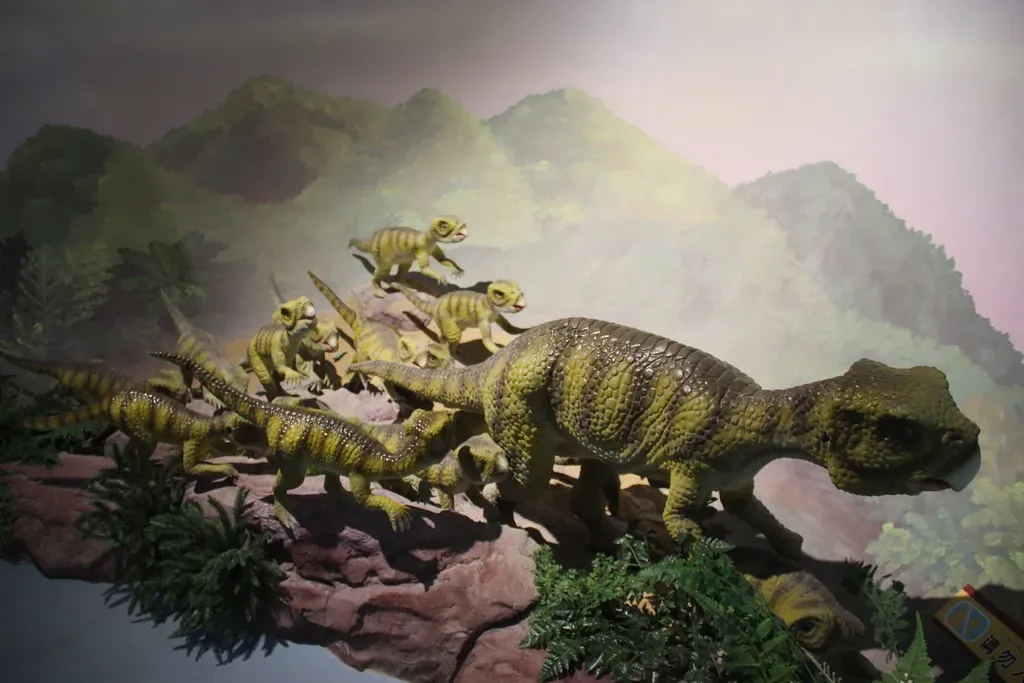
The family dynamics of dinosaurs defied easy categorization. Some species were devoted parents who risked death to protect their nests, while others laid their eggs and never looked back. Juveniles often fended for themselves in groups, and males frequently took on the burden of incubation. The pack-hunting raptors of cinema probably didn’t exist, but social behavior clearly appeared in various forms across different lineages.
What we’re learning is that dinosaurs weren’t one-size-fits-all creatures. Their parenting strategies were as diverse as their body plans, shaped by size, environment, and evolutionary pressures. As new fossils emerge and technology advances, we’ll continue unraveling these ancient family secrets, one fossilized egg and bone bed at a time. What surprises do you think the next discovery will bring?