
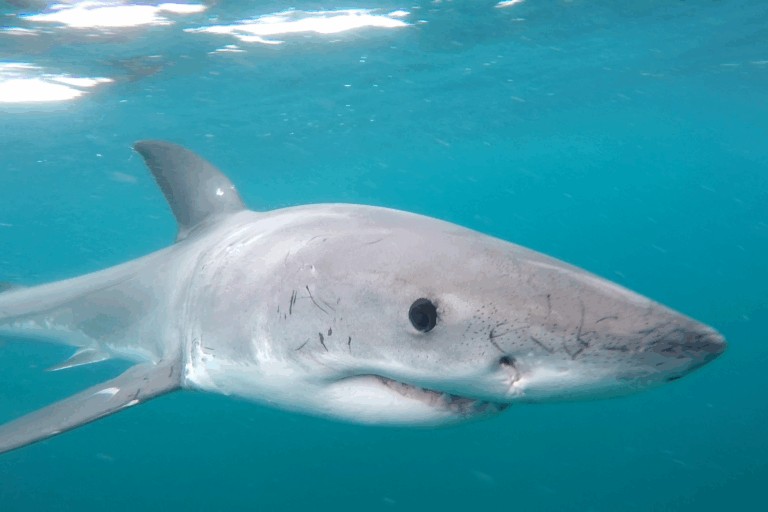
South Africa – A recent analysis has spotlighted the troubling disappearance of great white sharks from coastal waters, where these apex predators once thrived in significant numbers.
The Startling Trends Revealed
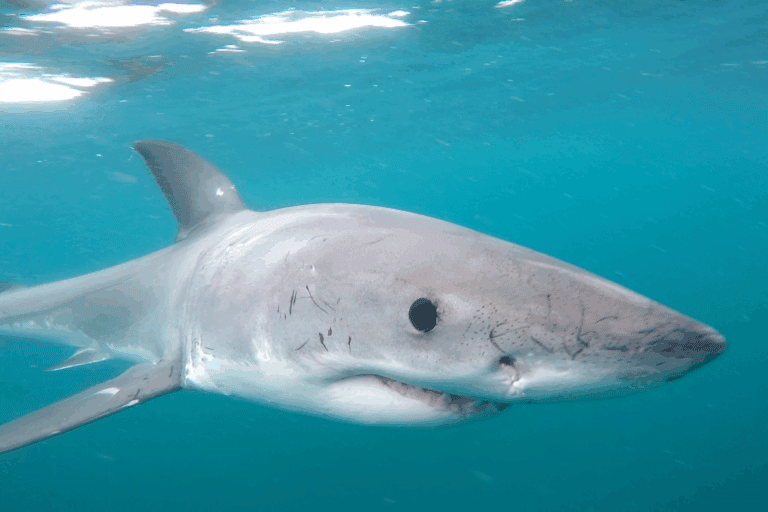
The Startling Trends Revealed (Image Credits: Imgs.mongabay.com)
Scientists tracking great white shark sightings and captures have documented a marked reduction in their presence along South Africa’s shores. Over the past two decades, populations that numbered in the hundreds have dwindled dramatically, prompting urgent concern among marine experts. This shift became evident through long-term monitoring efforts, including aerial surveys and tag data from individual sharks.
The review, drawing on multiple datasets, points to a collapse in local abundance. Researchers noted that hotspots like Gansbaai and False Bay, once teeming with these majestic creatures, now show sparse activity. Such patterns suggest not just a temporary fluctuation but a sustained downturn affecting the species’ regional stronghold.
Human Activities Driving the Loss
Fishing practices and protective measures for swimmers have emerged as primary culprits in the sharks’ decline. Bycatch from commercial and recreational fishing gear often results in unintended harm to great whites, while shark nets deployed at popular beaches entangle and kill them indiscriminately. These interventions, intended to safeguard humans, have inadvertently decimated a key marine player.
Additionally, habitat disruption from coastal development and pollution compounds the issue. Boats and shipping traffic disturb feeding grounds, and discarded waste can lead to ingestion of harmful materials. Though natural predators like orcas may contribute, evidence strongly implicates anthropogenic pressures as the dominant force.
- Shark nets and drum lines at beaches, installed since the 1960s, have removed hundreds of great whites annually.
- Illegal and unregulated fishing depletes prey species, forcing sharks into riskier areas near human activity.
- Direct poaching for fins, jaws, or trophies persists despite bans, fueled by black market demand.
- Coastal urbanization fragments migration routes, limiting access to breeding and nursing sites.
- Plastic pollution and chemical runoff weaken shark health, reducing reproductive success.
Broader Impacts on Marine Ecosystems
The absence of great white sharks ripples through South Africa’s ocean food webs. As top predators, they regulate mid-level species like seals and smaller fish, maintaining balance in coastal environments. Without them, overpopulation of prey can lead to depleted kelp forests and shellfish beds, altering biodiversity across the board.
Local fisheries and tourism economies also feel the strain. Dive operators who once capitalized on shark encounters now report fewer sightings, threatening jobs in regions dependent on eco-tourism. Conservationists warn that unchecked decline could mirror losses seen in other apex species, with long-term effects on ocean health persisting for generations.
Efforts to Turn the Tide
In response, authorities have begun reassessing shark management strategies. Recent initiatives include relocating nets to less lethal designs and enhancing monitoring with acoustic tags and drones. International collaborations aim to curb illegal trade, while protected marine areas expand to safeguard critical habitats.
Community education programs raise awareness about the sharks’ ecological role, fostering support for non-lethal deterrents like electronic warning systems. Researchers advocate for stricter enforcement of fishing quotas and global treaties to address transboundary threats. These steps, if scaled effectively, could stabilize populations before tipping points are reached.
Key Takeaways
- Human activities, particularly fishing and beach protections, account for the majority of great white shark losses in South Africa.
- The decline disrupts marine ecosystems, affecting everything from prey populations to local economies.
- Targeted conservation measures, including technology and policy reforms, offer hope for recovery if implemented swiftly.
The vanishing great white sharks underscore the profound influence humans exert on ocean life, demanding immediate and collaborative action to preserve these vital predators. As South Africa’s waters hang in the balance, safeguarding them becomes a shared responsibility for future marine vitality. What steps do you believe could best protect these iconic creatures? Share your thoughts in the comments.