
Across the nation’s diverse landscapes, from Idaho’s winding rivers to remote wetlands, Cooperative Fish and Wildlife Research Units quietly anchor efforts to sustain wildlife populations.
A Legacy Built on Collaboration

A Legacy Built on Collaboration (Image Credits: Unsplash)
Established in 1935 at Iowa State University, these units marked the beginning of a unique partnership between federal agencies, universities, and state wildlife organizations. The initiative aimed to bridge gaps in scientific knowledge for managing fish and wildlife resources. Over the decades, the program expanded to support 43 units across 41 states at 44 host universities. Today, the U.S. Geological Survey oversees the network from its headquarters in Reston, Virginia. This structure fosters integrated research that directly informs conservation policies.
The units’ mission remains focused on three pillars: conducting essential research, training future biologists, and offering technical support to resource managers. Scientists collaborate with partners like the U.S. Fish and Wildlife Service and state departments to address pressing ecological challenges. For instance, studies on habitat restoration and species recovery draw from this cooperative framework. Such efforts ensure that decisions on land use and water management prioritize biodiversity.
Advancing Research on Iconic Species
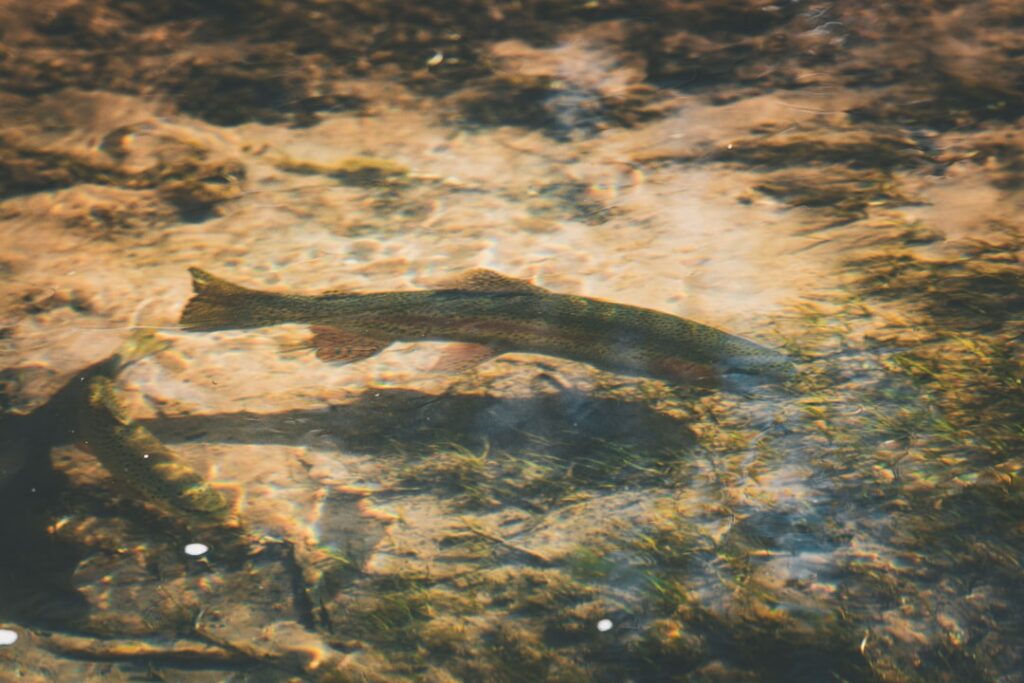
One striking example involves steelhead trout, the ocean-going form of rainbow trout prized by anglers for its migratory journeys. In Idaho, where these fish sustain vibrant sport fisheries attracting visitors nationwide, research units have played a pivotal role in monitoring populations and mitigating threats. Projects examine migration patterns, water quality impacts, and interactions with invasive species to guide sustainable fishing practices. These investigations help balance recreational opportunities with long-term species health.
Beyond steelhead, the units tackle broader issues like climate change effects on wetlands and the spread of non-native predators. Researchers produce hundreds of scientific publications each year, influencing federal strategies for endangered species recovery. In the western Great Lakes region, for example, studies on birds such as the American woodcock inform habitat protection plans. This body of work equips agencies with data-driven tools to combat biodiversity loss.
Building the Next Generation of Conservationists
Education forms a cornerstone of the units’ impact, with graduate programs producing skilled professionals for wildlife agencies. Students engage in hands-on fieldwork, from tagging fish in streams to modeling population dynamics. This training pipeline has developed thousands of biologists since the program’s inception. Partnerships with host universities ensure that academic rigor aligns with practical needs in conservation.
Technical assistance extends to state and federal partners, offering expertise on everything from fishery management to wildfire recovery. Units in places like Colorado and Minnesota provide localized insights that resonate nationally. For example, Colorado’s unit, founded in 1947, combines fishery and wildlife research to support regional ecosystems. Such collaborations amplify the reach of limited federal resources.
Overcoming Modern Challenges
As environmental pressures mount, including habitat fragmentation and invasive species, the units adapt their approaches. Recent abstracts highlight ongoing projects on recreational fisheries as complex systems influenced by human activities. In the Columbia River Basin, multi-state efforts draw on unit research to rebuild salmon and steelhead stocks. These initiatives underscore the program’s flexibility in addressing interconnected ecological and social dynamics.
Funding and coordination remain key to sustaining momentum. With over 700 active projects, the network generates actionable science for decision-makers. Yet, expanding partnerships could enhance responses to emerging threats like extreme weather events.
Key Takeaways
- The units operate in 41 states, supporting research, education, and assistance since 1935.
- Annual output includes 400-500 publications on topics from trout migration to bird habitats.
- Collaborations with agencies like the U.S. Fish and Wildlife Service drive species recovery efforts.
The enduring success of Cooperative Fish and Wildlife Research Units demonstrates how targeted science can safeguard America’s natural heritage for future generations. As conservation needs evolve, these partnerships will remain essential. What role do you see local research playing in protecting wildlife near you? Share your thoughts in the comments.